


Yoga for Beginners: Your Guide to Start and Transform
| 8 min read
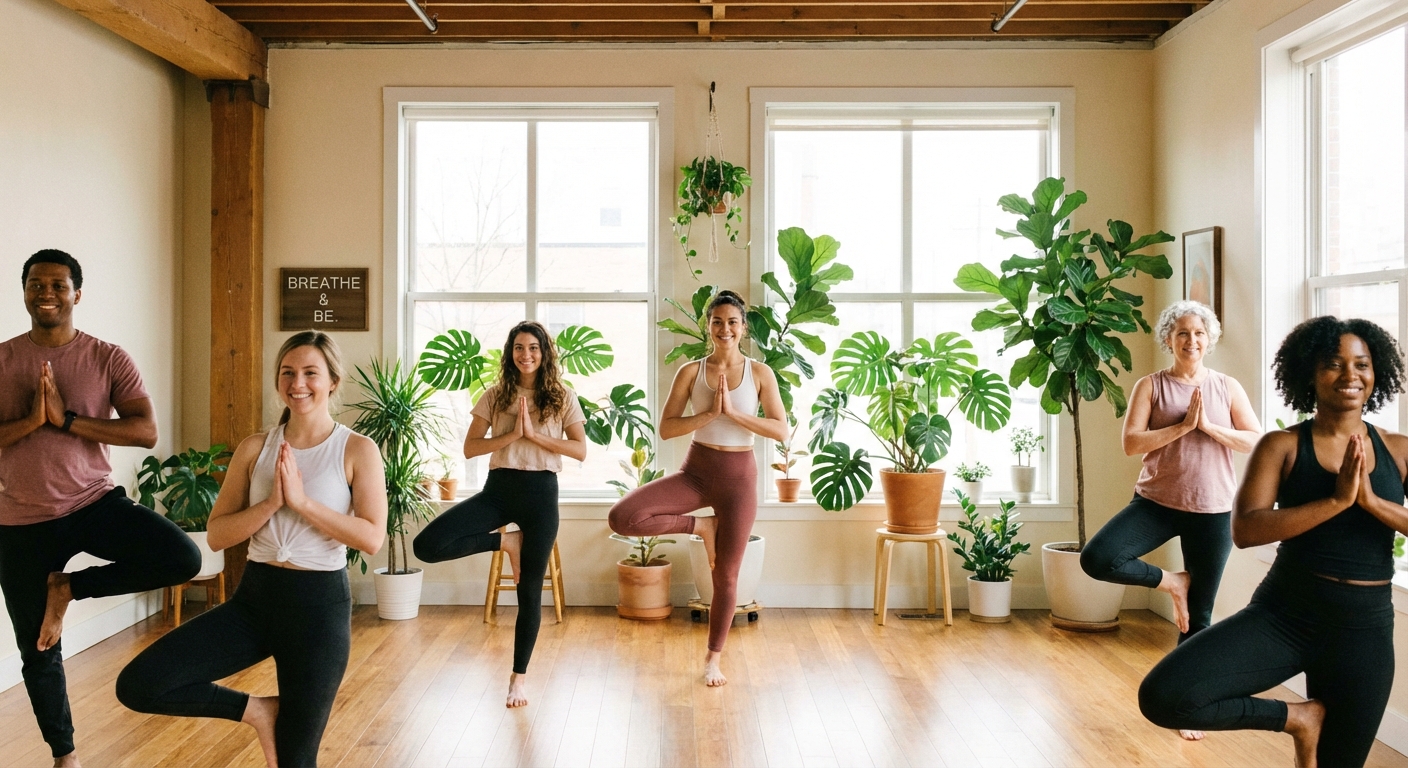
Are you searching for a way to improve your physical and mental well-being? Yoga for beginners offers the perfect entry point into wellness. This ancient practice provides remarkable benefits. You will gain increased flexibility and reduced stress. You will also develop enhanced mindfulness. Many people feel unsure about where to start. This comprehensive guide walks you through everything you need to know. Discover how the Vitalizen App | Yoga + Meditation supports your journey.
What is Yoga and Why Should Beginners Start Now?
Yoga is a holistic practice that originated in ancient India over 5,000 years ago. It combines physical postures, breathing techniques, and meditation. These elements promote overall health and wellness. For those new to yoga, this practice serves as an accessible entry point. You do not need expensive equipment or prior athletic experience.
In 2026, yoga has evolved to accommodate modern lifestyles. It maintains core principles of mindfulness and body awareness. Starting a beginner yoga practice now can transform your daily life. You will notice improvements within your first week of practice.
How Does Yoga Work for Beginners?
When you begin practicing yoga, your body undergoes gentle transformation. The physical postures, known as asanas, stretch and strengthen your muscles. They also improve circulation throughout your body. Controlled breathing exercises, or pranayama, activate your parasympathetic nervous system. This reduces cortisol levels and promotes deep relaxation.
This dual action makes yoga uniquely effective for beginners. You receive both physical and mental benefits from your very first session. Even simple movements create profound changes in your body and mind.
What Are the Benefits of Yoga for Beginners?
Starting a yoga practice yields remarkable benefits. These extend far beyond your mat time. Research from the National Institutes of Health (NIH) shows significant results. Regular yoga practice can reduce stress by up to 35%. It can also improve sleep quality in as little as eight weeks.
For those starting yoga, these benefits manifest quickly. You will often feel positive effects within the first few sessions. This immediate reinforcement encourages long-term commitment to your practice.
Physical Transformations You Can Expect
As a beginner, you will notice improved flexibility within your first month. Your posture will correct itself as core strength develops. This reduces back pain and tension headaches. Yoga builds functional strength using your body weight. You will create lean muscle without joint stress.
These physical changes occur gradually. Your body adapts safely without risk of injury.
Mental Clarity and Emotional Balance
Beyond the physical, yoga for beginners offers powerful mental health benefits. A 2026 study from Harvard Medical School revealed significant findings. Beginning practitioners experienced a 42% reduction in anxiety symptoms. This occurred after just six weeks of twice-weekly sessions.
The mindfulness component teaches present-moment awareness. You will reduce rumination and worry. Your ability to focus throughout the day will enhance significantly.
How Much Does It Cost to Start Yoga?
One appealing aspect of yoga for beginners is budget accessibility. You can begin your practice entirely free. Use online resources and household items. Alternatively, invest in premium experiences as you progress. The initial investment ranges from $0 to $200.
Essential vs. Optional Equipment
To begin, you only need comfortable clothing and clear space. A quality yoga mat ($20-$80) represents the only essential purchase. It provides cushioning and prevents slips. Blocks, straps, and bolsters enhance comfort. However, they remain optional for those new to yoga.
Many practitioners find that starting simple works best. You will discover your preferences before investing in accessories.
Where Should Beginners Practice Yoga?
Choosing your practice location depends on your comfort level and goals. Home practice offers convenience and privacy. This environment suits beginners who might feel self-conscious. Alternatively, studio classes provide expert guidance and community support.
Creating Your Home Sanctuary
To practice at home, designate a quiet corner. Ensure enough space to extend your arms fully in all directions. Natural light enhances the experience. Any well-ventilated area works effectively.
The Vitalizen App excels in home environments. It offers guided sessions that simulate the studio experience. You can progress at your own pace without pressure.
When is the Best Time to Practice Yoga?
The optimal time for yoga depends on your schedule and energy levels. Morning sessions energize your day. They establish a mindful tone for everything that follows. Evening practices help release tension accumulated throughout the day.
For beginners, consistency matters more than timing. Choose a time you can commit to regularly. This builds the habit that leads to transformation.
Morning vs. Evening Sessions
Morning yoga typically features dynamic sequences. These awaken your body and mind. Evening sessions focus on gentle stretches and relaxation.
If you struggle with stiffness upon waking, gentle evening yoga might suit you better. Conversely, if you need help unwinding after work, a nighttime practice could improve your sleep quality significantly.
Which Yoga Style is Right for Beginners?
Selecting the appropriate style ensures your introduction to yoga remains enjoyable. Not all yoga classes suit beginners. Understanding the differences helps you make informed choices about your practice.
- Hatha Yoga: The most beginner-friendly style. It focuses on basic postures and breathing at a slow pace.
- Vinyasa Flow: A dynamic style linking movement with breath. This suits beginners seeking mild cardiovascular benefits.
- Yin Yoga: A passive practice holding poses for several minutes. It is ideal for flexibility and relaxation.
- Restorative Yoga: Uses props to support the body completely. This is perfect for stress relief and recovery.
- Iyengar Yoga: Emphasizes precise alignment. It often uses props. This is excellent for beginners learning proper form.
How Do You Start Your First Yoga Session?
Beginning your practice requires no special preparation. You need only an open mind and comfortable clothing. Follow these steps to ensure your first session sets a positive tone for your yoga journey:
- Set an intention: Before moving, take a moment to define why you’re practicing. This might be stress relief, flexibility, or strength.
- Begin with breathing: Spend five minutes practicing deep belly breaths. This centers yourself and prepares your nervous system.
- Move through foundational poses: Start with gentle warm-ups like Cat-Cow stretches. Then attempt standing poses.
- Hold each pose for 3-5 breaths: Never rush. Allow your body to settle into each position naturally.
- End with relaxation: Always conclude with Savasana (Corpse Pose). Remain here for at least five minutes to integrate the practice.
What Are the Essential Poses for Beginners?
Mastering these fundamental poses builds your foundation. Each targets different muscle groups. They also teach essential alignment principles for beginner yoga practice:
- Mountain Pose (Tadasana): This standing foundation improves posture and body awareness. It teaches proper alignment.
- Downward-Facing Dog (Adho Mukha Svanasana): An energizing inversion. It stretches the hamstrings, calves, and shoulders simultaneously.
- Warrior II (Virabhadrasana II): Builds leg strength and stamina. It opens the hips and chest effectively.
- Child’s Pose (Balasana): A resting position that gently stretches the back. It promotes relaxation between active poses.
- Tree Pose (Vrksasana): Develops balance and concentration. It strengthens the ankles and calves.
“Yoga is not about touching your toes; it’s about what you learn on the way down.” — Judith Lasater, Ph.D., PT, yoga teacher and author
Real Results: A Beginner’s Transformation Story
Consider Sarah, a 34-year-old office worker. She began practicing yoga for beginners in January 2026. She dealt with chronic lower back pain and high stress levels. She committed to 20-minute sessions three times weekly using guided apps.
Initial Assessment:
- Flexibility: Could not touch toes; severe hip tightness
- Stress Level: Self-reported 8/10 daily anxiety
- Sleep: Waking 3-4 times nightly
- Back Pain: Daily discomfort rated 6/10
Six-Month Results:
- Flexibility: Achieved full forward fold with palms on floor
- Stress Level: Reduced to 3/10 through breathing techniques
- Sleep: Uninterrupted 7-8 hours nightly
- Back Pain: Complete resolution of chronic discomfort
This case illustrates typical outcomes when beginners commit to regular practice. Individual results vary. However, consistent effort yields measurable improvements in both physical and mental health domains.
🎯 Ready to Start Your Journey?
Download the Vitalizen App today and access your first free beginner yoga session. Transform your wellness routine in just 20 minutes a day!
How Can the Vitalizen App Support Your Journey?
The Vitalizen App | Yoga + Meditation specifically designs curricula for yoga beginners. It offers progressive programs that advance at your pace. Unlike generic fitness apps, Vitalizen provides anatomical guidance. You will understand not just how to pose, but why each movement benefits your body.
With classes ranging from 10-minute stress relievers to full 60-minute strength builders, you can find practices fitting any schedule. The app’s intelligent tracking monitors your consistency. It suggests appropriate next steps as you advance from absolute beginner to intermediate practitioner.
💡 Pro Tip:
New to yoga? Start with the “Foundations” track in the Vitalizen App. This 4-week program teaches proper alignment for all essential beginner poses.
Frequently Asked Questions About Yoga for Beginners
What do I need to start practicing yoga?
You need minimal equipment to begin yoga for beginners. Essentials include comfortable clothing that allows free movement and a non-slip surface or yoga mat ($20-$80). Optional props like blocks, straps, or bolsters can enhance comfort but aren’t required for beginners. Many start successfully using only a towel on a carpeted floor and comfortable athletic wear.
How often should beginners practice yoga?
Beginners should aim for 2-3 sessions per week, lasting 15-30 minutes each. Consistency matters more than duration. Practicing for 20 minutes three times weekly yields better results than one 90-minute session weekly. As your body adapts (typically after 3-4 weeks), you can gradually increase frequency to daily practice if desired.
Can yoga help beginners lose weight?
Yes, yoga supports weight loss through multiple mechanisms. Active styles like Vinyasa or Power Yoga burn 200-400 calories per hour, comparable to moderate walking. More importantly, yoga reduces cortisol (stress hormone linked to abdominal fat) and promotes mindful eating habits. A 2026 study in the Journal of Physical Activity and Health found that overweight beginners practicing yoga twice weekly lost an average of 5 pounds over 10 weeks without dietary changes.
Is yoga safe for beginners with injuries or health conditions?
Yoga is generally safe when practiced mindfully, but beginners with injuries or health conditions should consult a healthcare professional first. Many poses offer modifications using props, and styles like restorative or chair yoga provide accessible alternatives. Trained instructors can offer personalized guidance to prevent aggravation.