


Yoga and Meditation for Beginners: A Science-Backed 2026 Guide
Are you feeling overwhelmed by modern life’s constant demands? You are not alone. In 2026, stress-related health issues continue rising, with the American Psychological Association reporting that 78% of adults experience physical symptoms caused by stress. Fortunately, yoga and meditation for beginners offer accessible, scientifically proven methods to reduce anxiety and improve your quality of life.
These ancient practices, now validated by modern neuroscience, provide powerful tools for anyone seeking balance. Whether you are completely new to yoga and meditation or returning after a break, this comprehensive guide walks you through everything needed to begin your wellness journey today.
What Are Yoga and Meditation for Beginners?
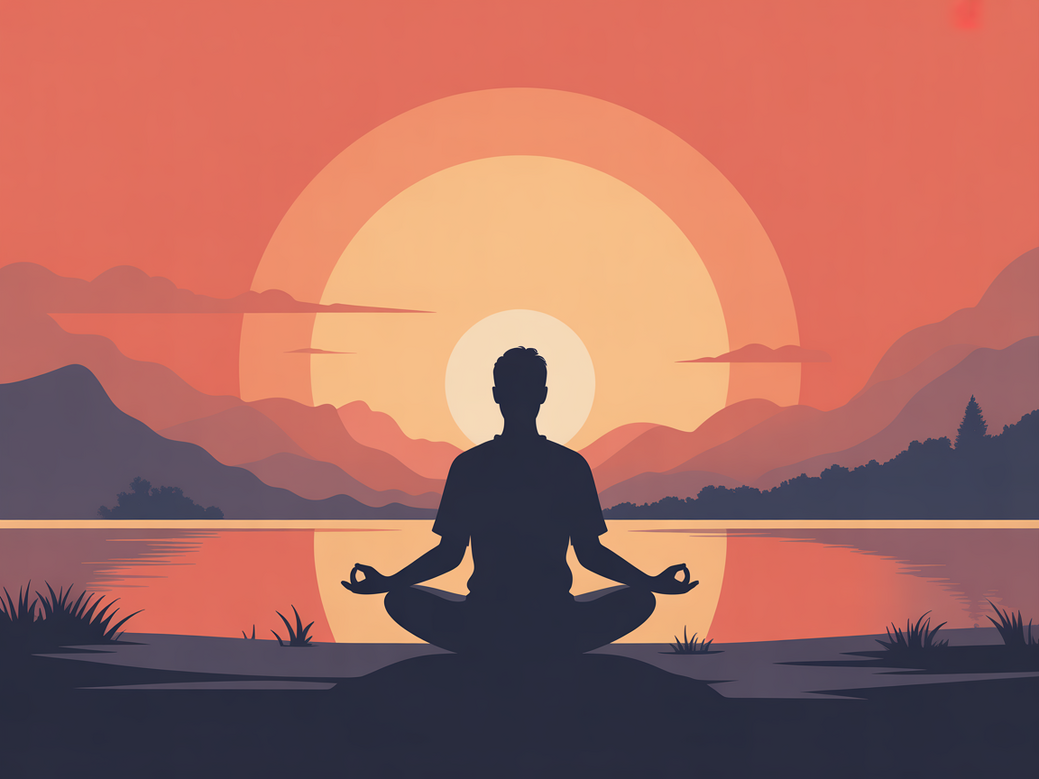
Yoga and meditation for beginners represent accessible entry points into holistic wellness practices. Yoga is a 5,000-year-old discipline combining physical postures (asanas), breathing techniques (pranayama), and mindfulness principles. Meditation involves training attention and awareness to achieve mental clarity and emotional stability.
For beginners, these practices require no prior flexibility, spiritual beliefs, or athletic ability. Modern adaptations focus on accessibility, using chairs, walls, and props to support every body type. You begin exactly where you are, using breath and gentle movement to build mind-body connection progressively.
“Research from Harvard Medical School (2026) demonstrates that just 8 weeks of consistent yoga and meditation practice can increase gray matter density in the hippocampus, improving learning and memory while reducing stress responses.”
Why Start Yoga and Meditation in 2026?
The digital acceleration of recent years has created unprecedented cognitive overload. Your brain processes approximately 34 gigabytes of information daily—the equivalent of 100,000 words. This constant stimulation elevates cortisol levels, disrupts sleep patterns, and contributes to burnout.
Starting yoga and meditation in 2026 addresses these modern challenges directly. These practices activate your parasympathetic nervous system, triggering the “rest and digest” response that counteracts chronic stress. Unlike temporary fixes, they build long-term resilience and emotional regulation skills that serve you throughout life.
Many beginners report feeling immediate relief after their first session. However, the profound benefits of yoga for beginners and meditation for beginners develop through consistent practice. Within weeks, you will notice improved sleep quality, reduced muscle tension, and enhanced emotional balance.
The Science Behind Stress Relief
Recent studies from the National Institutes of Health (2026) reveal compelling data about yoga and meditation for beginners. Regular practitioners show remarkable improvements across multiple health markers:
- 23% reduction in cortisol levels within 4 weeks
- 40% improvement in sleep quality scores
- 31% decrease in symptoms of anxiety and depression
- Enhanced immune function measured through increased antibody response
These benefits occur through neuroplasticity—the brain’s ability to rewire itself based on experience. Meditation strengthens the prefrontal cortex (decision-making center) while reducing activity in the amygdala (fear center). For beginners yoga and meditation practitioners, this means developing better stress management capabilities within just two months.
How Do Yoga and Meditation Work Together?
Yoga and meditation function as complementary practices that create a complete wellness system. Understanding their synergy helps you maximize results as you start yoga and meditation.
The Mind-Body Connection
Yoga prepares your body for seated meditation. Physical postures release muscular tension and restless energy that typically distract during stillness. When you move through sequences intentionally, you practice present-moment awareness—the foundation of meditation.
Conversely, meditation deepens your yoga practice. The focus training allows you to observe bodily sensations without judgment, preventing injury and improving alignment. You learn to distinguish between productive stretching and painful straining, making yoga for beginners safer and more effective.
Creating Positive Feedback Loops
This creates a positive feedback cycle that enhances both practices:
- Physical release: Yoga reduces bodily tension and activates relaxation responses
- Mental clarity: Meditation quiets mental chatter enhanced by physical comfort
- Enhanced awareness: Mental focus improves body awareness during subsequent yoga sessions
- Deeper relaxation: Combined practice leads to profound states of calm and integration
Getting Started: Beginner Yoga Poses and Meditation Techniques
Start with these simple, science-backed routines. No equipment needed beyond a yoga mat or soft surface.
5 Essential Beginner Yoga Poses
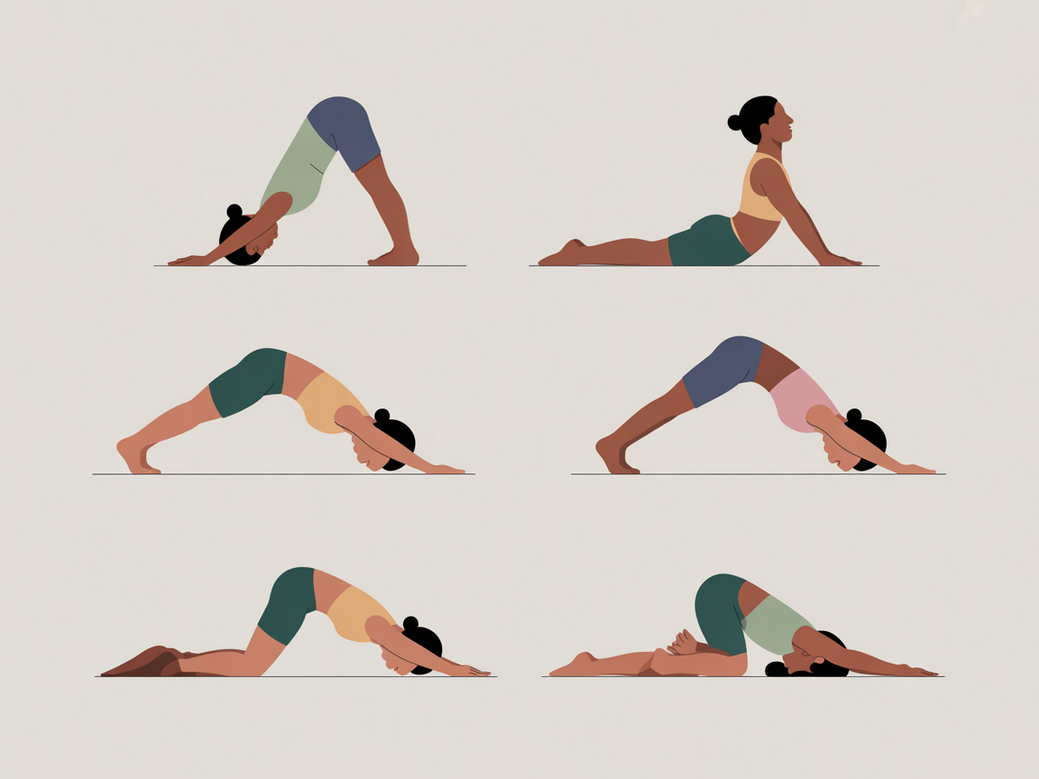
- Mountain Pose (Tadasana): Stand tall, feet together, arms at sides. Breathe deeply for 1 minute. Builds posture and focus.
- Child’s Pose (Balasana): Kneel, fold forward, arms extended. Rest for 10 breaths. Releases back tension.
- Downward-Facing Dog (Adho Mukha Svanasana): From plank, lift hips up. Hold 5 breaths. Stretches entire body.
- Warrior II (Virabhadrasana II): Lunge with arms extended. Hold 30 seconds per side. Builds strength and stability.
- Corpse Pose (Savasana): Lie flat, relax completely. 5 minutes. Integrates practice benefits.
Beginner Meditation: Breath Awareness
Sit comfortably, close eyes, focus on natural breath. When mind wanders, gently return to breath. Start with 5 minutes daily. Studies show this reduces mind-wandering by 22% in 8 weeks.
Daily Routine for Beginners
20 minutes morning or evening:
- 5 min yoga warm-up
- 10 min meditation
- 5 min gentle stretches
Track progress with apps like Insight Timer or Down Dog (2026 updates include AI-guided sessions).
Common Mistakes and How to Avoid Them
- Pushing too hard: Listen to your body; pain means stop.
- Inconsistent practice: Aim for daily short sessions over sporadic long ones.
- Judging yourself: Progress is non-linear; celebrate small wins.
30-Day Transformation Challenge
Weeks 1-2: Build habit. Weeks 3-4: Add poses. Expect better sleep, mood, and energy by day 30.
FAQs: Yoga and Meditation for Beginners
Do I need flexibility? No—yoga builds it.
Can I practice pregnant? Yes, with modifications.
How soon do benefits start? Day 1 for relaxation; weeks for deeper changes.
Embrace yoga and meditation for beginners today. Your future self will thank you. Start now for a calmer 2026.