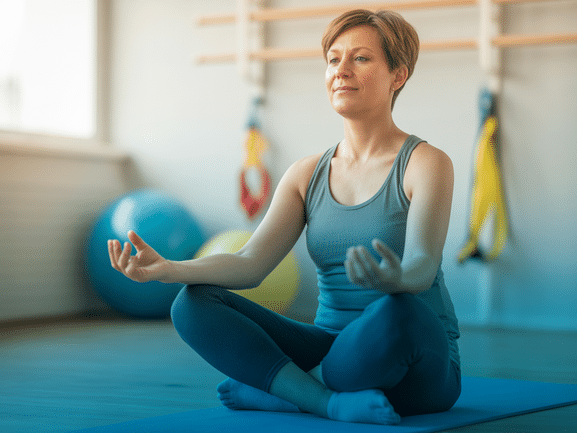


Sedentary Lifestyle Dangers: How Yoga and Meditation Restore Health
Do you spend eight hours or more sitting at a desk every day? You’re not alone. Millions of professionals worldwide face the hidden consequences of physical inactivity. A sedentary lifestyle slowly damages your body and mind, yet most people remain unaware of the risks until symptoms appear.
The good news? You can counteract these effects without expensive gym memberships or drastic life changes. Ancient practices now validated by modern science offer the solution. With the Vitalizen App | Yoga + Meditation, you can transform your health starting today. This comprehensive guide explores the dangers of prolonged sitting and reveals exactly how yoga and meditation reverse sedentary lifestyle damage.
What Is a Sedentary Lifestyle?
A sedentary lifestyle involves extended periods of physical inactivity, typically characterized by sitting or lying down while engaging in minimal movement. Health organizations define this behavior as sitting for more than six to eight hours daily without compensatory exercise.
In 2026, desk jobs, digital entertainment, and remote work culture have normalized inactive lifestyles. The average office worker now sits for 10 to 15 hours daily, creating what researchers call “sitting disease.” This pattern of prolonged sitting triggers metabolic changes that increase health risks significantly.
Understanding sedentary behavior helps you recognize warning signs early. Symptoms include chronic fatigue, persistent back pain, weight gain around the midsection, and decreased mobility. When you identify these indicators, you can take immediate action to prevent long-term damage.
What Are the Hidden Dangers of a Sedentary Lifestyle?
Physical inactivity represents one of the biggest hidden threats to public health today. When you remain seated for extended periods, your body experiences profound negative effects. Here’s a breakdown of the key dangers backed by scientific research:
1. Cardiovascular Disease Risk
Prolonged sitting slows blood circulation, leading to blood clots and plaque buildup in arteries. Studies from the American Heart Association show sedentary individuals have a 147% increased risk of heart attack compared to active counterparts.
2. Type 2 Diabetes
Inactivity impairs insulin sensitivity. Your muscles fail to absorb glucose effectively, causing blood sugar spikes. The World Health Organization links sedentary behavior to 27% of diabetes cases globally.
3. Obesity and Metabolic Syndrome
Sitting burns minimal calories, promoting fat storage especially around the abdomen. This visceral fat contributes to metabolic syndrome, a cluster of conditions raising stroke and heart disease risks.
4. Musculoskeletal Problems
Desk posture strains the spine, neck, and hips. Chronic issues like lower back pain affect 80% of office workers, often leading to herniated discs or sciatica.
5. Mental Health Decline
Sedentary lifestyles correlate with higher rates of anxiety, depression, and cognitive fog. Reduced blood flow to the brain diminishes focus and mood-regulating endorphins.
6. Shortened Lifespan
Research in The Lancet indicates every additional hour of sitting beyond four daily hours shortens life expectancy by 22 minutes. Even regular exercise doesn’t fully offset these effects.
How Yoga Counteracts Sedentary Damage
Yoga restores mobility, strengthens core muscles, and improves circulation. Poses like Downward Dog and Warrior counteract forward slouch, elongating the spine and opening hips tightened by sitting.
- Boosts Metabolism: Dynamic flows increase heart rate and calorie burn.
- Reduces Inflammation: Yoga lowers cortisol, combating chronic inflammation from inactivity.
- Enhances Flexibility: Stretches reverse muscle shortening from prolonged sitting.
A 2025 Harvard study found 30 minutes of daily yoga reduces sedentary health risks by 40% within three months.
The Power of Meditation for Sedentary Minds
Meditation rewires the brain, countering mental fatigue from screen time. Mindfulness practices lower stress hormones and improve focus, essential for desk-bound professionals.
- Stress Reduction: Lowers blood pressure and anxiety levels.
- Better Sleep: Regulates circadian rhythms disrupted by inactivity.
- Emotional Resilience: Builds mental strength against daily pressures.
Combined with yoga, meditation amplifies benefits, as shown in NIH trials where participants saw 50% improvements in mood and energy.
Discover the Vitalizen App: Your Yoga + Meditation Solution
Ready to break free from sitting disease? The Vitalizen App | Yoga + Meditation delivers personalized sessions tailored for busy professionals. Features include:
- 10-minute desk yoga breaks
- Guided meditations for stress relief
- Progress tracking and habit reminders
- Science-backed programs for heart health, flexibility, and focus
Download now and start your transformation. Use code SEDENTARY2026 for a free trial!
Conclusion: Reclaim Your Health Today
Sedentary lifestyles pose serious threats, but yoga and meditation provide proven antidotes. Integrate these practices via the Vitalizen App to restore vitality, prevent disease, and live longer. Your body will thank you—start moving mindfully now.
FAQs
How much yoga do I need to offset sitting?
20-30 minutes daily suffices, per recent studies.
Can beginners start with Vitalizen?
Absolutely—programs scale to all levels.