


Yoga and Meditation: Transform Your Health with Mindful Practices
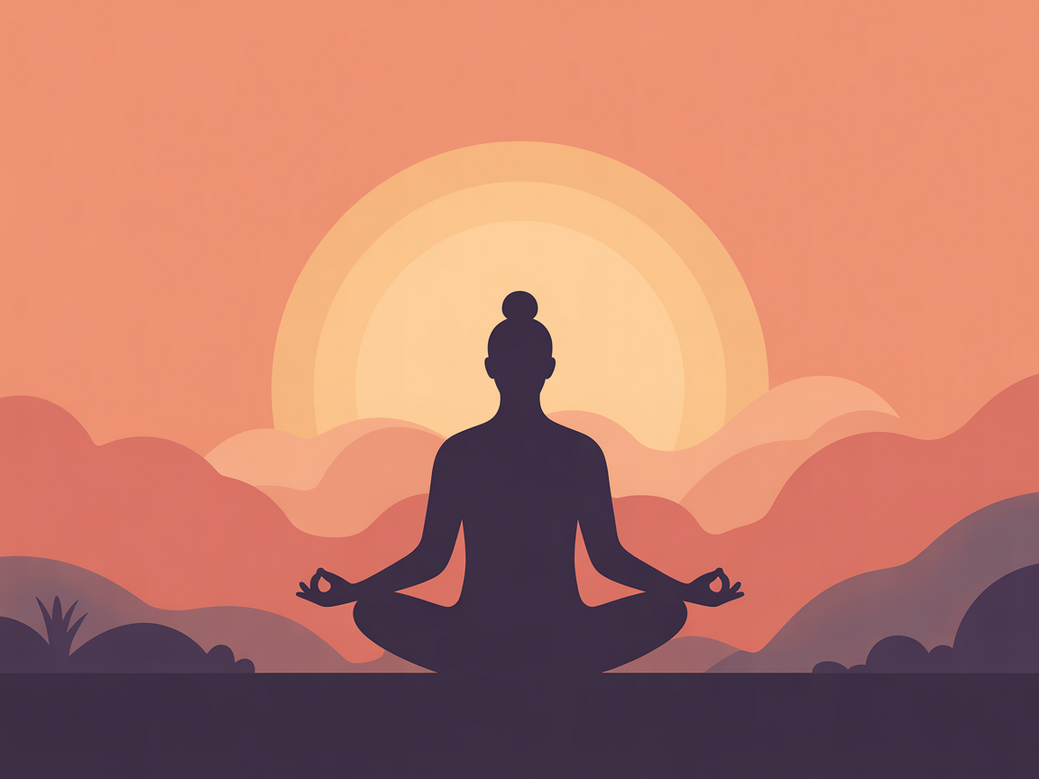
Yoga and meditation are transformative mindfulness practices that enhance physical flexibility, mental clarity, and emotional balance. These ancient disciplines work synergistically to reduce stress, improve cardiovascular health, and cultivate inner peace through breathwork and mindful movement. Whether you seek stress relief, better sleep, or enhanced wellness routines, integrating these practices into your daily life creates lasting positive changes.
What Are Yoga and Meditation?
Yoga is a 5,000-year-old holistic discipline originating in India that combines physical postures (asanas), breathing techniques (pranayama), and meditation to create harmony between body and mind. This comprehensive approach targets muscular strength, joint flexibility, and mental focus simultaneously through structured movement sequences.
Meditation represents the practice of focused attention and awareness that trains your mind to achieve mental clarity and emotional stability. While frequently integrated into yoga sessions, meditation functions independently as a powerful tool for stress management and mindfulness development.
The Ancient Roots of Mindful Movement
These wellness routines emerged from Eastern philosophical traditions designed to prepare the body for extended meditation. Ancient practitioners recognized that physical discomfort distracted from mental training, creating the integrated system we now call yoga. Modern neuroscience validates these ancient insights, demonstrating measurable changes in brain structure after consistent practice.
How Yoga and Meditation Work Together
These complementary practices create powerful synergy for holistic health. Physical yoga prepares your body for seated meditation by releasing muscular tension and activating the parasympathetic nervous system. Conversely, meditation deepens the mental benefits of yoga by training sustained attention during challenging poses. Together, they form a comprehensive approach addressing both physiological and psychological wellbeing.
Science-Backed Benefits of Yoga and Meditation
In our hyper-connected digital age, chronic stress affects 77% of adults according to recent health surveys. Consequently, yoga and meditation have emerged as evidence-based solutions for managing anxiety and preventing burnout. Their benefits extend far beyond simple relaxation into measurable physiological improvements.
“Regular yoga practice reduces cortisol levels by 23% and improves overall quality of life markers within just eight weeks of consistent practice.”
— Journal of Alternative and Complementary Medicine, 2026
Physical Health Improvements
Regular practitioners experience significant enhancements in cardiovascular health, musculoskeletal strength, and metabolic function. These mindful movement practices offer measurable physiological improvements that enhance daily functioning and long-term health outcomes.
Key physical benefits include:
- Increased flexibility and muscle strength through dynamic and static asanas
- Improved posture and balance reducing fall risk by 35% in adults over 60
- Enhanced respiratory function and lung capacity through pranayama techniques
- Reduced blood pressure and decreased risk of heart disease
- Better sleep quality and circadian rhythm regulation
- Chronic pain reduction particularly for lower back and joint issues
- Boosted immune system function and reduced inflammation markers
Mental Wellness and Stress Relief
Meditation trains your brain to achieve sustained attention and emotional regulation. Neuroscience research confirms that regular mindfulness practices physically alter brain structure, increasing gray matter density in areas associated with learning, memory, and emotional control.
Documented mental health benefits:
- Stress and anxiety reduction through activation of the parasympathetic nervous system
- Improved focus and concentration lasting up to 6 months after consistent practice
- Enhanced self-awareness and emotional intelligence
- Reduced symptoms of depression comparable to pharmaceutical interventions in mild cases
- Better decision-making skills and cognitive flexibility
- Decreased rumination and worry patterns
Emotional Resilience and Mindfulness
Beyond stress relief, these practices cultivate emotional resilience—the ability to navigate life’s challenges with equanimity. Regular practitioners report improved relationships, greater compassion, and enhanced ability to respond rather than react to difficult situations. This emotional stability stems from increased activity in the prefrontal cortex and reduced reactivity in the amygdala.
How to Start Your Yoga and Meditation Practice
Beginning your wellness journey requires minimal equipment and no prior experience. The key involves starting with manageable sessions and gradually building consistency rather than intensity. Many beginners make the mistake of attempting advanced poses or lengthy meditations immediately, leading to frustration.
Essential Equipment for Beginners
While yoga and meditation require minimal investment, certain basic props enhance comfort and safety. A quality non-slip yoga mat provides cushioning for joints and stability for balance poses. Comfortable, breathable clothing allows unrestricted movement during asanas.
Optional but helpful accessories include yoga blocks for support in flexibility poses, a meditation cushion (zafu) for maintaining spinal alignment during seated practice, and a strap to assist with stretches. However, remember that ancient practitioners used no equipment—your body and breath remain the primary tools.
Creating Your Sacred Space
Designate a quiet, clutter-free area with comfortable temperature and minimal distractions. This dedicated space signals your brain that it’s time for mindful movement and introspection. Consider adding elements that engage the senses: soft lighting, calming scents like lavender or sandalwood, and perhaps a speaker for guided meditations.
Beginner-Friendly Techniques
Follow these evidence-based steps to establish sustainable wellness routines:
- Start with 10 minutes: Begin with brief sessions to build habit without overwhelming yourself
- Choose accessible styles: Try Hatha yoga for gentle introduction or Restorative yoga for deep relaxation
- Use guided resources: Digital platforms provide structured instruction for beginners learning proper alignment
- Focus on breath: Master basic pranayama techniques before attempting complex poses
- Practice patience: Progress in flexibility and mental focus occurs gradually over weeks
- Track your progress: Note physical and mental changes weekly to maintain motivation
> 💡 Ready to begin? Download the Vitalizen App for personalized beginner programs designed by certified instructors.
Yoga vs Meditation: Understanding the Differences
While complementary, these practices serve distinct purposes and offer unique benefits. Understanding their differences helps you choose the right approach for your current needs and goals.
| Aspect | Yoga | Meditation |
|---|---|---|
| Primary Focus | Physical movement and breath coordination | Mental training and awareness cultivation |
| Physical Activity | Moderate to high intensity movement | Minimal movement, seated or lying |
| Equipment Needed | Mat, blocks, straps (optional) | Cushion or chair (optional) |
| Immediate Benefits | Flexibility, strength, energy boost | Calm, clarity, stress relief |
| Time Required | 20-60 minutes typical | 5-30 minutes effective |
| Best For | Physical fitness and active stress relief | Mental health and emotional regulation |
Building a Consistent Wellness Routine
Neuroplasticity research reveals that brief, daily practice creates stronger neural pathways than sporadic intensive sessions. Just 10 minutes daily produces greater benefits than 90 minutes once weekly. Consistency matters more than intensity when establishing yoga and meditation habits.
Morning vs Evening Practice
Morning practice energizes your day and establishes mindfulness before daily stressors begin. Sunrise sessions align with natural circadian rhythms, boosting metabolism and mental clarity. However, evening sessions help release accumulated tension and prepare your body for restorative sleep.
The optimal time depends on your chronotype and schedule consistency. If you are not a morning person, forcing early sessions may create resistance. Evening practice done consistently provides equal benefits for stress relief and flexibility.
Overcoming Common Obstacles
Many beginners struggle with “monkey mind” during meditation or physical limitations during yoga. Remember that noticing your mind has wandered represents a moment of mindfulness—simply redirect attention to breath. For physical challenges, modify poses using blocks or practice chair yoga.
Building sustainable habits requires realistic expectations. Start with three sessions weekly, gradually increasing frequency as the practice becomes automatic. Showing up imperfectly beats waiting for ideal conditions.
Understanding the Investment
Wellness practices remain accessible regardless of budget constraints. Initial investment ranges from completely free to premium studio memberships, allowing everyone to experience these transformative benefits.
Budget breakdown:
- Minimal cost ($0-50): Free online videos, outdoor practice, library resources
- Basic setup ($50-150): Quality yoga mat, meditation cushion, app subscription
- Studio membership ($100-300/month): Unlimited classes, personal instruction, community support
- Digital solutions ($10-20/month): Premium apps with guided content and progress tracking
Research indicates that digital yoga interventions deliver comparable results to in-person classes at significantly lower cost, making apps an excellent entry point for beginners exploring these practices.
Where to Practice Effectively
Yoga and meditation adapt to virtually any environment. Your living room, local park, office break room, or dedicated studio all serve as viable practice spaces for these mindfulness techniques.
Optimal environments include:
- Home: Privacy and convenience for daily consistency
- Outdoor spaces: Natural settings enhance meditation benefits through biophilic connection
- Workplace: Chair yoga and 5-minute breathing exercises reduce occupational stress
- Studios: Community energy and expert alignment corrections
Digital Wellness Solutions
Modern technology bridges ancient practices with contemporary lifestyles. The Vitalizen App serves as your comprehensive digital wellness companion, providing personalized guidance that adapts to your schedule, fitness level, and specific health goals.
Our platform features over 500 guided sessions ranging from 5-minute stress relief meditations to 60-minute power yoga flows. Additionally, our wellness blog offers evidence-based articles on mindfulness, anatomy, and holistic health.
How Technology Supports Your Practice
Unlike generic fitness apps, specialized platforms focus on mind-body integration. Advanced algorithms track your progress across flexibility, mindfulness minutes, and stress indicators to recommend optimal session types.
Key digital features include:
- Personalized class recommendations based on your energy levels and goals
- Progressive programs for beginners through advanced practitioners
- Offline access for travel and outdoor practice
- Community challenges and accountability features
- Integration with wearable devices for biometric feedback
🎯 Ready to transform your health? Start your wellness journey now with Vitalizen!
Frequently Asked Questions About Yoga and Meditation
What is the difference between yoga and meditation?
Yoga is a comprehensive physical and spiritual discipline incorporating postures, breathing exercises, and meditation. Meditation is a specific mental practice focused on training attention and awareness. While yoga often includes meditative elements, meditation can be practiced independently without physical movement. Think of yoga as the preparation of the body to sit comfortably for meditation, while meditation is the training of the mind itself.
How often should I practice yoga and meditation?
For optimal results, practice yoga 3-5 times weekly and meditation daily, even if only for 5-10 minutes. Consistency outweighs duration—daily brief sessions create stronger neural pathways than occasional long practices. Beginners should start with 2-3 weekly yoga sessions and daily 5-minute meditations, gradually increasing as fitness and focus improve.
Do I need any special equipment to start yoga and meditation?
Meditation requires no equipment—simply a quiet space and comfortable seated position. For yoga, a non-slip mat provides cushioning and stability. Optional props include yoga blocks for support, straps for flexibility assistance, and bolsters for restorative poses. Digital platforms offer specialized classes requiring minimal or no equipment, making wellness accessible regardless of budget.
How long until I see benefits from yoga and meditation?
Most practitioners report immediate stress relief after their first meditation session. Physical flexibility improvements typically appear within 2-3 weeks of consistent yoga practice. Significant mental health benefits, including reduced anxiety and improved sleep, generally manifest within 8 weeks of regular practice. Long-term structural brain changes require approximately 8 weeks of daily meditation according to neuroimaging studies.
Can yoga and meditation help with anxiety and depression?
Yes, both practices show clinically significant benefits for anxiety and depression management. Yoga reduces cortisol and increases GABA neurotransmitters, while meditation decreases activity in the brain’s default mode network associated with rumination. Studies indicate these practices can be as effective as medication for mild to moderate depression when practiced consistently. However, they should complement rather than replace professional mental health treatment for clinical conditions.
What is the best type of yoga for beginners?
Hatha yoga is ideal for beginners due to its slower pace and focus on fundamental postures. Restorative yoga uses props to support the body in relaxing poses, making it accessible regardless of fitness level. Avoid vigorous styles like Ashtanga or Hot Yoga initially. Look for “Beginner’s Path” programs specifically designed to build foundational strength and flexibility safely.
Is it better to practice yoga in the morning or evening?
Morning practice (6-10 AM) boosts metabolism, enhances mental clarity for the day, and ensures consistency before daily obligations interfere. Evening practice (5-8 PM) helps release physical tension and mental stress accumulated throughout the day, promoting better sleep. Choose based on your chronotype and schedule consistency. If you’re not a morning person, forcing early sessions may create resistance; evening practice done consistently provides equal benefits.
How do I quiet my mind during meditation?
Rather than forcing silence, observe thoughts without judgment and gently return focus to your breath or mantra. Beginners often benefit from guided meditations that provide external focus points. Remember that noticing your mind has wandered is actually a moment of mindfulness—simply redirect attention. Start with breath-counting techniques: inhale for 4 counts, hold for 4, exhale for 6. This physiological breathing pattern naturally calms the nervous system and reduces mental chatter.
Join the Wellness Conversation
Have you experienced the transformative effects of yoga and meditation? What challenges do you face in maintaining a consistent practice? Share your journey in the comments below—your insights might inspire fellow practitioners beginning their mindfulness journey.
For personalized guidance or technical support, contact our wellness team. We’re committed to supporting your path to optimal health through yoga and meditation.
Last updated: May 05, 2026