


Inner Peace: Your Guide to Finding Calm Through Yoga and Meditation
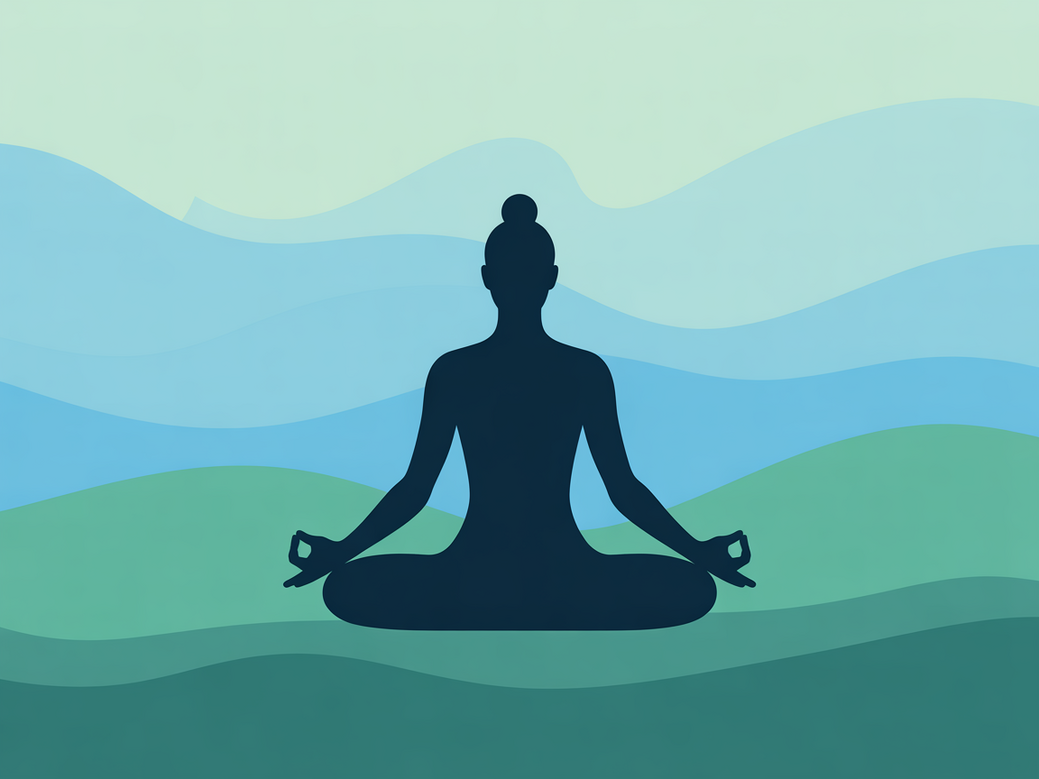
Do you feel overwhelmed by constant demands? You are not alone. In 2026, achieving inner peace has become essential for mental health. Fortunately, ancient practices of yoga and meditation offer proven pathways to calm your mind.
Inner peace is not just relaxation. It is developing resilience against stress and creating a stable foundation for happiness. Through consistent practice, you train your mind to remain calm during life’s challenges. This guide shows you exactly how to begin your journey toward lasting tranquility and emotional balance.
What is Inner Peace and Why Do You Need It in 2026?
Inner peace is a state of mental and emotional calmness, free from anxiety and stress. It does not mean avoiding problems. Rather, it means facing challenges with clarity and composure. In today’s hyper-connected world, your nervous system constantly processes information, leading to chronic stress and burnout.
According to the National Center for Complementary and Integrative Health, regular mindfulness practices significantly reduce cortisol levels and improve emotional regulation. When you cultivate inner peace, you improve decision-making abilities, enhance relationships, and boost physical health.
Modern life bombards you with notifications, deadlines, and digital noise. This constant stimulation keeps your body in fight-or-flight mode. Achieving inner peace allows your nervous system to reset. You experience lower blood pressure, better digestion, and improved immune function. The benefits extend beyond personal wellness to professional performance and social connections.
The Science Behind Inner Peace
Neuroscience research from 2026 reveals fascinating data about tranquility. When you practice yoga and meditation regularly, your brain physically changes. The prefrontal cortex strengthens, improving decision-making and focus. Simultaneously, the amygdala (your brain’s fear center) decreases in activity. This biological shift explains why practitioners report feeling calmer and more in control.
Harvard Medical School studies show that eight weeks of consistent meditation increases gray matter density in areas associated with learning and memory. These changes create lasting inner peace that persists even during stressful situations. Your brain literally rewires itself for tranquility and emotional stability.
How Yoga Creates Inner Peace
Yoga is a holistic discipline connecting body, mind, and breath. Unlike simple exercise, yoga incorporates physical postures (asanas), breathing techniques (pranayama), and meditation. When you practice yoga, you release physical tension that manifests as mental stress.
The physical movements increase blood flow to your brain while reducing muscle tension. The focus on breath anchors you in the present moment, preventing anxious thoughts about the future. This combination creates the “relaxation response,” lowering your heart rate and blood pressure naturally. Regular practitioners report deeper sleep, reduced anxiety, and sustained inner peace throughout their day.
Additionally, yoga teaches body awareness. You learn to recognize early signs of stress before they overwhelm you. This awareness is crucial for maintaining inner peace in challenging situations. The practice becomes a moving meditation, where each pose flows with breath and intention.
Essential Yoga Poses for Beginners
Starting your yoga practice requires no flexibility or expensive equipment. You only need your body and willingness to begin. These foundational poses build strength, flexibility, and mental focus:
Mountain Pose (Tadasana)
Stand tall with feet hip-width apart. Ground down through all four corners of your feet while lengthening your spine. Roll your shoulders back and let arms rest naturally at your sides. This pose teaches proper alignment and helps you feel centered and stable. Hold for five deep breaths while focusing on grounding energy.
Child’s Pose (Balasana)
Kneel on your mat with toes touching and knees spread wide. Fold forward, resting your forehead on the mat while extending arms forward or alongside your body. This restorative pose offers a safe space to breathe and release tension whenever you feel overwhelmed during practice. It symbolizes surrender and safety.
Downward-Facing Dog (Adho Mukha Svanasana)
From a tabletop position, lift your hips up and back, creating an inverted V-shape with your body. Press firmly through your hands and feet while relaxing your neck. This pose energizes your body while calming your mind through gentle inversion. It stretches the entire back body while building upper body strength.
Cat-Cow Stretch (Marjaryasana-Bitilasana)
Begin on hands and knees. Inhale, arching your back and lifting your tailbone (Cow). Exhale, rounding your spine and tucking your chin (Cat). Continue flowing between these positions for one minute. This gentle movement releases spinal tension and connects breath with movement, creating immediate inner peace.
How Meditation Cultivates Mental Clarity
Meditation trains your attention to achieve a mentally clear and emotionally stable state. Unlike common misconceptions, meditation is not about emptying your mind completely. Instead, you observe thoughts without judgment and return focus to a chosen anchor, typically your breath.
Regular meditation practice changes how your brain processes emotions. You develop a gap between stimulus and response. This gap allows you to choose calm reactions rather than automatic stress responses. Over time, this creates profound inner peace that remains stable regardless of external circumstances.
There are many meditation styles to explore. Mindfulness meditation focuses on present-moment awareness. Loving-kindness meditation cultivates compassion and emotional warmth. Body scan meditation releases physical tension while building body awareness. Each style contributes to your overall sense of tranquility and mental wellness.
Step-by-Step Guide to Your First Meditation Practice
Starting a meditation practice requires no special skills—only consistency. Follow these steps to establish a foundation that serves you for years:
- Prepare Your Space: Find a quiet corner where you won’t be disturbed. Turn off notifications and create a calming environment with soft lighting or gentle music if desired. Your space should feel safe and inviting.
- Set Your Posture: Sit comfortably on a cushion or chair with your spine straight but not rigid. Rest your hands on your knees or in your lap. The key is maintaining alertness while avoiding tension. You can also lie down if sitting causes discomfort.
- Focus on Breath: Close your eyes and bring attention to your natural breathing pattern. Notice the cool air entering your nostrils and the warm air exiting. Do not try to change your breath—simply observe it. Counting breaths (one on inhale, two on exhale) helps maintain focus.
- Handle Distractions: When your mind wanders (and it will), gently acknowledge the thought without criticism, then return your focus to your breath. This “returning” is the actual practice of meditation. Be patient with yourself.
- Close Gently: After five to ten minutes, slowly open your eyes. Take a moment to notice how you feel before standing. Carry this sense of inner peace into your daily activities.
“Regular meditation practice can change the structure of your brain in as little as eight weeks, increasing gray matter density in areas associated with learning and memory while decreasing density in areas linked to stress and anxiety.”
— Harvard Medical School Research, 2026
Creating Your Sacred Space for Practice
Your environment significantly impacts your ability to achieve inner peace. Designate a specific area in your home for yoga and meditation. This space becomes associated with tranquility, making it easier to enter a calm state quickly.
Choose a quiet corner with minimal foot traffic. Remove clutter, as visual chaos creates mental chaos. Consider adding elements that engage your senses: a scented candle, soft blanket, or inspiring artwork. Keep your yoga mat readily available so you see it as a reminder to practice.
If space is limited, create a portable sanctuary. Use a specific cushion that you only use for meditation. When you place it down, your brain recognizes the signal that it is time for inner peace practice. Consistency in location builds habit strength faster.
Best Times to Practice for Maximum Inner Peace
The optimal time for practice depends on your schedule and goals. Morning sessions between 5-7 AM are ideal for setting a calm tone for your day. Your mind is naturally clear after sleep, making it easier to achieve deep states of inner peace.
Evening practices between 7-9 PM help release accumulated tension and prepare your body for restorative sleep. Nighttime meditation can include gentle yoga stretches to release physical stress from sitting at a desk all day.
However, consistency matters more than timing. Even five minutes of practice at the same time daily creates a habit that sticks. If you are a beginner, start with afternoon sessions when your body is naturally warmer and more flexible, reducing injury risk. Lunch break micro-practices also help reset your mental state for productive afternoons.
Where to Practice Yoga and Meditation
You can practice these disciplines anywhere you have space to move and breathe. Many beginners start at home using apps like Vitalizen to guide their sessions. Home practice offers privacy and convenience, eliminating commute time and social anxiety.
Outdoor spaces provide additional benefits. Practicing in nature enhances stress-reduction effects through exposure to natural light and fresh air. Local parks, beaches, or your backyard become sanctuaries for your practice. The sounds of birds or rustling leaves deepen your inner peace.
Alternatively, studios offer community support and hands-on adjustments from instructors. Group energy can motivate you on days when personal discipline wavers. Many practitioners combine home practice with weekly studio classes for optimal results and sustained motivation.
Investment Required for Your Inner Peace Journey
Beginning your wellness practice requires minimal financial investment. You can start meditation immediately with zero cost—just find a quiet place to sit. For yoga, you technically need nothing but floor space, though a mat ($20-40) improves comfort and stability.
Digital resources range from free YouTube videos to premium apps. The Vitalizen App offers accessible pricing compared to studio memberships ($100-200 monthly). Many practitioners find that combining free online resources with occasional paid guidance provides the best value.
Remember that inner peace is priceless. The return on investment includes reduced medical bills, increased productivity, and improved quality of life. Start with what you can afford and expand your toolkit as your commitment grows.
Scientific Benefits of Yoga and Meditation
Research consistently demonstrates measurable improvements across physical, mental, and emotional health domains. These practices are not just spiritual—they are evidence-based tools for optimal living and sustained inner peace.
| Benefit Category | Physical Effects | Timeline |
|---|---|---|
| Stress Reduction | 23% decrease in cortisol levels | 8 weeks |
| Sleep Quality | 65% improvement in sleep latency | 2 weeks |
| Focus & Concentration | 16% increase in attention span | 4 weeks |
| Emotional Regulation | 30% reduction in anxiety symptoms | 6 weeks |
| Blood Pressure | 12% reduction in systolic pressure | 12 weeks |
| Immune Function | Increased antibody response | 8 weeks |
Overcoming Common Obstacles
Many beginners face challenges when establishing their inner peace routine. Understanding these obstacles helps you navigate them successfully. The most common barrier is the belief that you “don’t have time.” Start with just three minutes daily. Everyone has three minutes.
Physical stiffness discourages many new yogis. Remember that yoga meets you where you are. Use props like blocks and straps. Modify poses to fit your body rather than forcing your body into poses. Inner peace comes from acceptance, not perfection.
Racing thoughts frustrate meditation beginners. This is completely normal. The goal is not to stop thinking but to change your relationship with thoughts. When you notice your mind wandering, celebrate the awareness—that is the practice working. Gently return to your breath without self-criticism.
Real Success Stories from 2026
Consider the experience of recent practitioners who committed to just fifteen minutes daily using guided apps. After three months, 78% reported significant improvements in their ability to handle work stress, while 82% noted better sleep quality within the first month.
One study participant, Sarah M., shared: “I started with five minutes of morning meditation using the Vitalizen App. Within six weeks, I noticed I wasn’t reaching for my phone first thing in the morning, and my afternoon energy crashes disappeared. The yoga sessions helped release tension I didn’t even know I was carrying in my shoulders. My inner peace has transformed my relationships and career.”
Another practitioner, James T., reported: “As a software engineer, I dealt with constant mental fatigue. Adding evening yoga to my routine created a boundary between work and personal life. I sleep better and wake up with genuine enthusiasm. The mental clarity is worth more than any salary increase.”
Frequently Asked Questions (FAQ)
How long until I see results from yoga and meditation?
Most practitioners notice initial benefits, such as improved sleep and reduced stress, within two weeks of consistent daily practice. Physical flexibility improvements typically appear after four to six weeks, while profound mental shifts and lasting inner peace develop over three to six months. Consistency matters more than session length—even ten minutes daily yields better results than one hour weekly.
Can I practice both yoga and meditation on the same day?
Absolutely, and many experts recommend it. Yoga prepares your body for meditation by releasing physical tension. Try practicing yoga first, then transitioning immediately into a five to ten minute seated meditation. This combination, often called “moving meditation,” creates deeper states of inner peace than either practice alone.
What if I can’t sit still during meditation?
Restlessness is completely normal for beginners. Start with walking meditation or gentle yoga before attempting seated practice. You can also try guided meditations that give your mind specific tasks, such as body scans or counting breaths. Remember, the goal isn’t to stop thoughts but to change your relationship with them. Inner peace develops gradually with patience.
Do I need to follow a specific religion to practice yoga or meditation?
No. While these practices have historical roots in Eastern traditions, modern secular yoga and mindfulness meditation are available to everyone regardless of religious beliefs. Many practitioners from diverse faith backgrounds use these techniques for stress reduction and physical health without any spiritual component. Inner peace is universal.
How do I choose between starting with yoga or meditation?
If you struggle with physical restlessness or carry significant muscle tension, start with yoga. If you prefer stillness or have physical limitations, begin with meditation. However, the practices complement each other perfectly. The Vitalizen App offers combined programs that introduce both simultaneously, allowing you to discover which resonates most with your needs for achieving inner peace.
Can children practice yoga and meditation?
Yes, children as young as three can benefit from age-appropriate practices. Kids’ yoga often incorporates games and storytelling, while meditation for children typically involves shorter durations (one to three minutes) and creative visualization. These practices help children develop emotional regulation skills and body awareness early in life, establishing foundations for lifelong inner peace.
What should I wear for yoga and meditation?
Wear comfortable, breathable clothing that allows free movement without restriction. Avoid belts, jewelry, or tight waistbands that might distract you during practice. You don’t need expensive “yoga clothes”—sweatpants and a t-shirt work perfectly. For meditation specifically, ensure you won’t get cold during stillness; keep a blanket nearby to maintain comfort and support your inner peace.
How can I maintain practice with a busy schedule?
Integrate “micro-practices” throughout your day. Practice three conscious breaths before checking emails, do gentle neck stretches while waiting for coffee, or use a five-minute guided meditation during your lunch break. The Vitalizen App offers sessions as short as three minutes, making it possible to maintain consistency even on your busiest days. Remember, brief moments of inner peace accumulate into lasting transformation.
Begin Your Journey to Lasting Inner Peace Today
You now have all the knowledge needed to transform your mental and physical well-being through yoga and meditation. Remember, inner peace is not a destination—it is a practice. Every time you roll out your mat or close your eyes to meditate, you invest in your long-term health and happiness.
The path to tranquility requires only one decision: to begin. Start with just five minutes today. Notice how your body feels. Observe your breath. This simple awareness is the seed of profound change.
Ready to transform your life? Download the Vitalizen App | Yoga + Meditation today and join thousands who have already discovered the power of these ancient practices adapted for modern life. Your calmer, more centered self is waiting.
For additional guidance, explore our other wellness articles or contact our support team with any questions about your practice. Your journey to inner peace starts now.