


Benefits of Meditation: How to Transform Your Mental and Physical Health in 2026
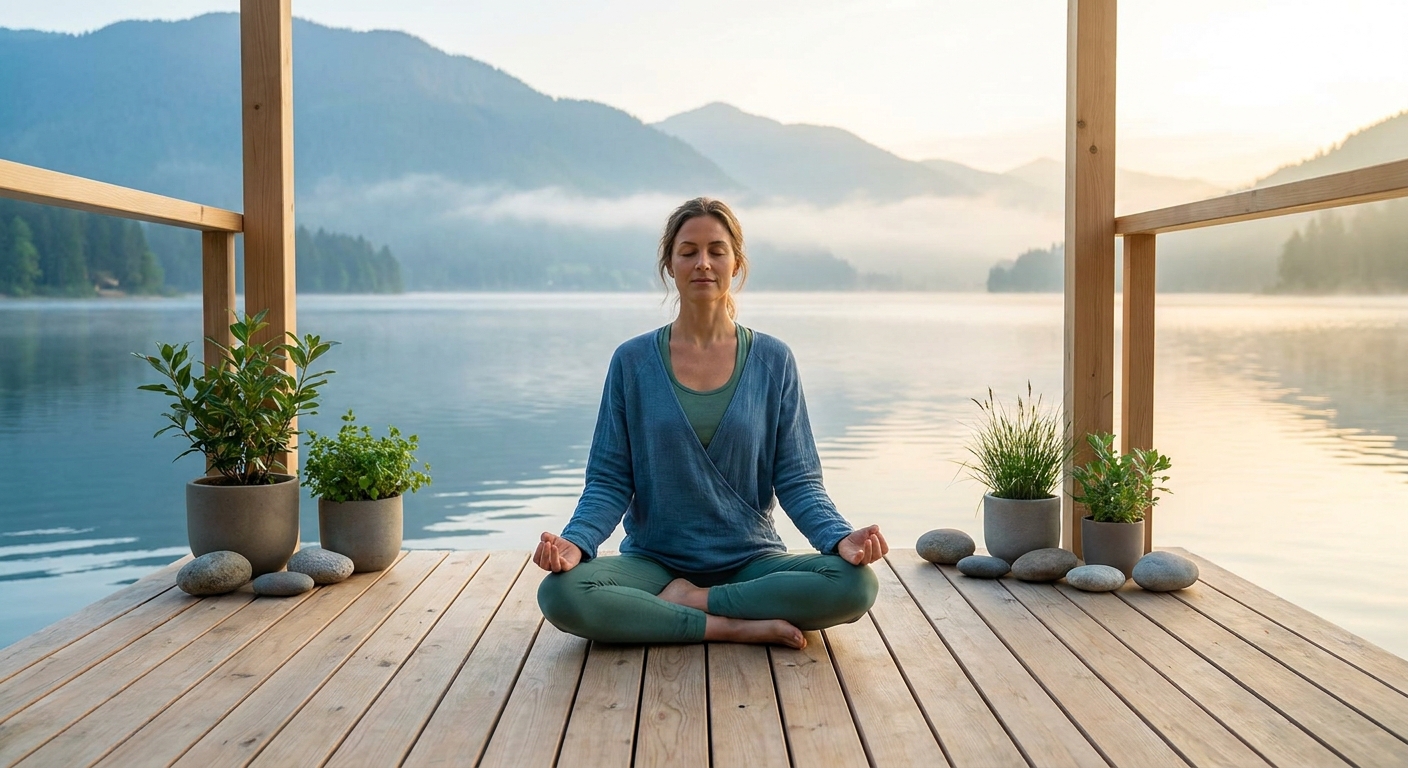
What are the benefits of meditation? Meditation is a mind-body practice that involves focusing your attention to eliminate the stream of jumbled thoughts crowding your mind. This ancient technique, now backed by modern neuroscience, offers profound meditation benefits for your mental clarity, emotional resilience, and physical health. Whether you’re struggling with stress, seeking better focus, or wanting to improve your overall wellbeing, understanding how meditation works can be your gateway to a healthier life.
Have you ever felt overwhelmed by constant notifications, deadlines, and mental chatter? You’re not alone. In our hyperconnected 2026 lifestyle, chronic stress affects 78% of adults according to recent American Psychological Association data. But here’s the good news: just 10 minutes of daily practice can begin rewiring your brain for peace and productivity. The health benefits of meditation extend far beyond simple relaxation, creating lasting changes in brain structure and bodily function.
What Is Meditation and How Does It Work?
Meditation is not about becoming a different person or emptying your mind completely. Instead, it’s a training process that strengthens your attention muscle while cultivating awareness of the present moment. When you meditate, you activate your parasympathetic nervous system—often called the “rest and digest” mode—which counteracts the stress-induced fight-or-flight response.
How Does Meditation Change Your Brain?
Neuroscience research from Harvard Medical School reveals that consistent practice physically alters brain structure. After 8 weeks of practice, participants showed remarkable meditation benefits including:
- Increased gray matter in the hippocampus (learning and memory center)
- Decreased amygdala activity (fear and stress response center)
- Enhanced connectivity between brain regions responsible for attention and self-awareness
- Thicker prefrontal cortex (improved decision-making and emotional regulation)
These neurological changes explain why practitioners report feeling calmer, more focused, and emotionally balanced. The physical benefits of meditation manifest as measurable improvements in cognitive function and stress resilience.
Mental Health Benefits of Meditation
The importance of meditation extends far beyond relaxation. In an era where anxiety disorders affect 40 million adults annually, this practice offers an accessible, drug-free intervention with scientifically proven results. The mental benefits of meditation include reduced anxiety, enhanced emotional regulation, and improved psychological resilience.
How Does Meditation Reduce Stress and Anxiety?
When stress hits, your body releases cortisol—the hormone responsible for that racing heart and tense muscles feeling. Regular practice interrupts this cycle by:
- Lowering cortisol levels by up to 23% according to Johns Hopkins research
- Reducing inflammation markers linked to depression and anxiety
- Improving heart rate variability, indicating better stress resilience
- Decreasing rumination and repetitive negative thought patterns
“Regular meditation practice can change brain structure and function in ways that promote emotional regulation and reduce reactivity to stress.” — Dr. Sara Lazar, Harvard Medical School Neuroscientist
Can Meditation Really Improve Focus and Concentration?
Absolutely. In our distraction-heavy environment, the average attention span has dropped to just 8 seconds. This practice acts as mental training that strengthens your prefrontal cortex—the brain’s command center for executive function.
A 2026 study published in the Journal of Cognitive Enhancement found that participants who practiced for 20 minutes daily for 8 weeks improved their focus test scores by 16% compared to control groups. These meditation advantages translate directly to workplace productivity and academic performance. The Vitalizen App offers structured programs specifically designed to enhance these cognitive benefits through guided attention practices.
What Are the Emotional Health Benefits?
Beyond stress reduction, this practice cultivates emotional intelligence—your ability to recognize, understand, and manage emotions. Through practices like loving-kindness meditation (Metta), you develop:
- Greater empathy and compassion for yourself and others
- Reduced symptoms of depression and mood disorders
- Improved relationship satisfaction through better emotional regulation
- Decreased feelings of loneliness and social isolation
- Enhanced self-awareness and personal growth
Physical Health Benefits of Meditation
Your mind and body are intimately connected. When you calm your mind through this practice, your body reaps measurable rewards. Here are the key physical transformations you can expect:
Immune System and Cellular Health
Research from UCLA’s Mindful Awareness Research Center demonstrates that regular practitioners show increased antibody production and enhanced immune cell activity. Additionally, studies from the University of California, Davis reveal longer telomeres (protective caps on chromosomes) in experienced meditators, suggesting slowed cellular aging processes.
Cardiovascular and Sleep Benefits
The American Heart Association recognizes mindfulness as a legitimate intervention for cardiovascular health. Regular practice reduces blood pressure by 5-10 mmHg, comparable to medication effects. Furthermore, JAMA Internal Medicine reports that practitioners fall asleep 20 minutes faster and experience 49% reduction in insomnia symptoms.
Comprehensive Physical Benefits Table
| Health Area | Key Benefit | Research Source |
|---|---|---|
| Immune System | Increased antibody production and immune cell activity | UCLA Mindful Awareness Research Center |
| Cardiovascular | Reduced blood pressure by 5-10 mmHg | American Heart Association |
| Sleep Quality | Faster sleep onset and 49% reduction in insomnia | JAMA Internal Medicine |
| Pain Management | Decreased pain sensitivity and improved coping | Wake Forest Baptist Medical Center |
| Cellular Aging | Longer telomeres and reduced biological age markers | University of California, Davis |
| Inflammation | Reduced C-reactive protein and inflammatory markers | University of Wisconsin-Madison |
How Does Meditation Help With Sleep?
If you struggle with racing thoughts at bedtime, this practice offers a natural solution. By activating the relaxation response, it prepares your body for restorative sleep. The benefits of meditation for sleep include reduced insomnia severity, improved sleep quality scores, and decreased nighttime awakenings.
How to Start Meditating: A Complete Beginner’s Guide
Starting a practice doesn’t require special equipment or previous experience. Here’s your step-by-step roadmap to building a sustainable habit:
Step 1: Choose Your Meditation Space
Find a quiet spot where you won’t be interrupted. This could be a corner of your bedroom, a park bench, or even your office chair. The key is consistency—using the same location signals your brain that it’s time to relax.
Step 2: Set a Time Limit
Begin with just 5 minutes daily. Consistency trumps duration. You can gradually increase to 15-20 minutes as the practice becomes habitual. The Vitalizen App offers timed sessions perfect for beginners.
Step 3: Find a Comfortable Position
Sit in a chair with feet flat on the floor, or cross-legged on a cushion. Keep your back straight but not rigid. Rest your hands on your knees or in your lap. Comfort is essential—if you’re physically uncomfortable, your mind will focus on bodily sensations rather than the practice.
Step 4: Focus Your Attention
Close your eyes and bring attention to your breath. Notice the sensation of air entering and leaving your nostrils. When your mind wanders—and it will—gently return focus to your breath without self-criticism.
Step 5: End Gradually
When your timer sounds, take a moment to notice how you feel. Open your eyes slowly and carry this awareness into your next activity.
How Much Does It Cost to Start Meditating?
One of the greatest meditation advantages is accessibility. You can begin for free, though structured programs offer additional guidance.
Free Options:
- YouTube guided meditations
- Free meditation apps with basic features
- Local library resources and community groups
- Self-guided breath awareness practice
Paid Investments:
- Premium meditation apps: $60-100/year
- Group classes: $15-25 per session
- Retreats: $200-2,000+ depending on duration
- Private instruction: $75-150 per hour
The Vitalizen App provides affordable guided programs that scale with your experience level, making professional instruction accessible without the premium price tag.
When Is the Best Time to Meditate?
The ideal time depends on your schedule and goals:
- Morning (6-8 AM): Sets a calm tone for the day; cortisol levels naturally higher, making it easier to stay awake
- Lunch Break: Midday reset that prevents afternoon energy crashes
- Evening (6-8 PM): Helps transition from work mode to personal time
- Before Bed: Promotes sleep but risk of dozing off during practice
The best time is whatever you’ll actually commit to consistently. Many practitioners find morning sessions most effective for establishing a daily rhythm.
Where Can You Practice Meditation Effectively?
While quiet spaces are traditional, you can meditate anywhere:
- At Home: Create a dedicated corner with minimal distractions
- At Work: Use empty conference rooms or your car during breaks
- In Nature: Parks and beaches provide natural calming sounds
- While Commuting: Eyes-open mindfulness practices work on trains or buses
- Anywhere: Walking meditation transforms your daily stroll into practice
What Types of Meditation Should Beginners Try?
Not all styles suit everyone. Experiment with these evidence-based approaches to maximize your meditation benefits:
- Mindfulness Meditation: Present-moment awareness without judgment
- Focused Attention: Concentrating on a single object, sound, or visualization
- Body Scan: Systematically relaxing each body part from toes to head
- Loving-Kindness (Metta): Cultivating compassion through specific phrases
- Transcendental Meditation: Using mantras for deep relaxation (requires instruction)
Success Story: Real Results from Daily Practice
Consider the experience of a 2026 case study from the University of Massachusetts Medical School:
Participant Profile: 42-year-old marketing executive with chronic stress and insomnia
Practice: 20 minutes of mindfulness meditation daily using guided apps
Results after 8 weeks:
- Stress levels decreased by 40% (measured via cortisol testing)
- Sleep quality improved from 4/10 to 8/10
- Blood pressure dropped from 135/85 to 122/78
- Self-reported focus and productivity increased by 35%
These results align with broader research showing that consistent practice creates cumulative health benefits of meditation.
Frequently Asked Questions About Meditation Benefits
How long should I meditate each day to see benefits?
Research from the University of Oregon indicates that just 10 minutes daily for 2-4 weeks produces measurable changes in attention and stress reduction. However, optimal meditation benefits typically appear with 20-minute sessions practiced consistently for 8 weeks. Start with whatever duration feels manageable—consistency matters more than duration. Even 5 minutes daily is better than 30 minutes once a week. As you build the habit, gradually increase your time. The Vitalizen App offers progressive programs that naturally extend your practice duration as you grow more comfortable.
Do I need to sit in a specific position to meditate correctly?
No specific position is required for effective meditation. While cross-legged sitting on a cushion is traditional in many Eastern practices, you can meditate sitting in a chair, lying down (though this increases sleep risk), or even standing. The essential elements are: maintaining a straight spine to allow deep breathing, staying comfortable enough to remain still for your chosen duration, and keeping your hands in a relaxed position. If you have back pain or mobility issues, lying on your back with a pillow under your knees or sitting against a wall provides excellent support. Walking meditation is also valid for those who find stillness challenging.
Can I meditate if I have a busy, wandering mind?
Absolutely. A busy mind is not an obstacle to meditation—it’s actually the perfect starting point. The goal isn’t to empty your mind or stop thoughts, but to change your relationship with them. When you notice your mind wandering, that moment of noticing IS the meditation. Gently return your attention to your breath or chosen focus point without judgment. Over time, this practice strengthens your “attention muscle” and spaces between thoughts naturally increase. Guided meditations, available through the Vitalizen App, are particularly helpful for beginners because the narrator’s voice gives you something concrete to focus on when thoughts arise.
How quickly will I feel the benefits of meditation?
Many practitioners report feeling calmer immediately after their first session due to the activation of the relaxation response. However, lasting structural changes in the brain require consistent practice. Studies show that stress reduction benefits of meditation typically appear within 2 weeks of daily practice, while cognitive improvements like enhanced focus require 4-8 weeks. Physical health benefits such as lowered blood pressure and improved immune function generally manifest after 8-12 weeks of consistent practice. Remember that meditation is cumulative—the benefits compound over time, and long-term practitioners show significantly more pronounced changes in brain structure and emotional regulation than beginners.
Is meditation scientifically proven to work?
Yes. Over 3,000 peer-reviewed studies published in journals like JAMA Internal Medicine, Psychological Bulletin, and NeuroImage confirm meditation’s efficacy. Meta-analyses from Johns Hopkins University (2026) reviewed 163 randomized controlled trials and found consistent evidence that mindfulness practice reduces anxiety, depression, and pain with effect sizes comparable to antidepressant medications. Neuroimaging studies from Harvard and UCLA demonstrate that this practice physically changes brain structure, increasing gray matter density and improving connectivity. The American Heart Association now recognizes meditation as a legitimate intervention for cardiovascular risk reduction. These findings represent rigorous scientific validation beyond anecdotal evidence.
What’s the difference between mindfulness and meditation?
Meditation is the formal practice of training your attention and awareness, typically done in a specific posture for a set duration. Mindfulness is the quality of being present and fully engaged with whatever you’re doing, which can occur during formal practice but also extends to daily activities like eating, walking, or working. Think of formal practice as the gym workout for your mind, while mindfulness is the resulting strength you carry throughout your day. You can practice mindfulness without formal sitting, but structured practice is the most effective way to develop the skill. Many modern approaches, like Mindfulness-Based Stress Reduction (MBSR), combine formal sitting practice with informal mindfulness integration into daily routines.
Can meditation replace medication for anxiety or depression?
While this practice shows promising results for mild to moderate anxiety and depression, it should not replace prescribed medication without consulting your healthcare provider. Research indicates that the mental benefits of meditation can be equally effective as medication for some individuals with mild symptoms, and it serves as an excellent complementary therapy for those on medication. Some studies suggest regular practice may help prevent relapse in depression recovery. However, severe clinical conditions require professional medical supervision. If you’re currently taking antidepressants or anti-anxiety medication, discuss integrating this practice with your doctor before making any changes. Many psychiatrists now recommend mindfulness as part of a comprehensive treatment plan alongside traditional therapy and medication management.
Do I need special equipment or apps to meditate?
You need absolutely nothing to begin—just your breath and attention. However, certain tools can enhance your practice, especially as a beginner. A comfortable cushion or chair supports proper posture. A timer prevents clock-watching. Guided meditation apps, like the Vitalizen App, provide structure, variety, and accountability that help establish consistency. While free resources exist on platforms like YouTube, paid apps typically offer higher quality, ad-free experiences with progressive curricula designed by neuroscientists and meditation teachers. Ultimately, the best equipment is whatever removes barriers to your daily practice. Start simple, and invest in tools only if they genuinely support your consistency.
Start Your Transformation: Begin Meditating Today
Ready to unlock the scientifically proven benefits of meditation? Your journey to reduced stress, enhanced focus, and better health begins with a single breath. Download the Vitalizen App today to access guided meditations designed for every experience level, from complete beginners to advanced practitioners.
🎯 Ready to transform your wellbeing? Start your 10-minute daily practice now and experience the health benefits of meditation within two weeks. Your calmer, more focused self is waiting.
Have questions about starting your practice? Contact our team or explore more wellness tips on our blog. To learn more about our mission and methodology, discover What is Vitalizen.app?.
Last updated: May 25, 2026
For additional scientific research on meditation benefits, explore the comprehensive resources from the National Center for Complementary and Integrative Health and Harvard Health Publishing.