


Meditation for Mental Health: Science-Backed Techniques for Anxiety Relief
Discover how meditation for mental health can transform your emotional wellness. Learn evidence-based mindfulness practices to reduce anxiety, manage stress, and cultivate lasting psychological well-being with expert guidance from Vitalizen.
What is Meditation for Mental Health?
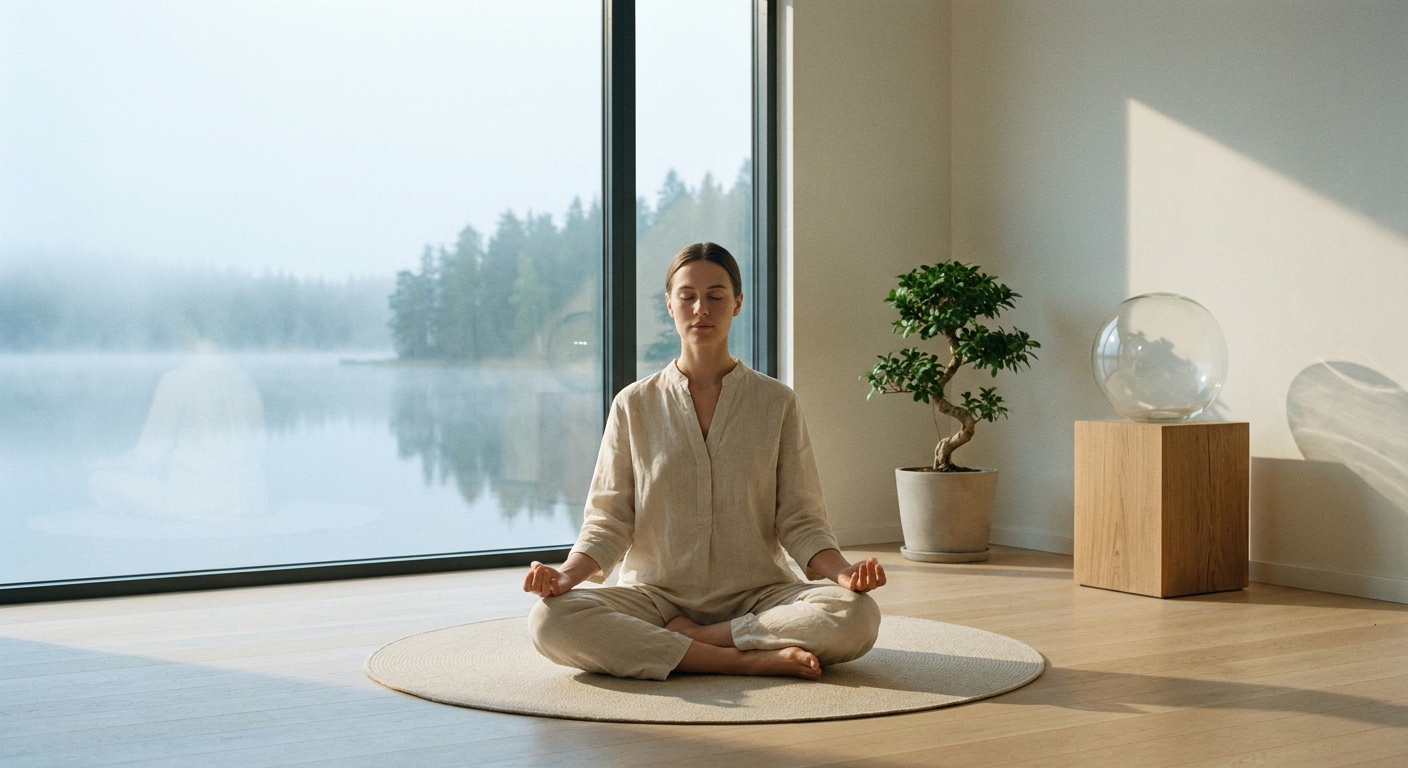
Meditation for mental health is a mind-body practice that trains your attention and awareness to achieve mental clarity and emotional stability. This ancient contemplative technique involves focusing your mind on a particular object, thought, or activity to develop concentration and mindfulness.
Unlike common misconceptions, this psychological wellness practice is not about emptying your mind completely. Instead, it teaches you to observe your thoughts without judgment, creating space between you and your reactions. This mindfulness approach has become increasingly vital in our modern world, where digital distractions and constant connectivity overwhelm our nervous systems.
Regular practitioners report enhanced emotional regulation, improved cognitive function, and greater resilience against daily stressors. The practice encompasses various techniques including breath awareness, body scanning, and loving-kindness visualization, each targeting specific aspects of psychological well-being.
Why is Meditation Important for Your Mental Health?
In our fast-paced world, finding moments of peace is essential for maintaining psychological balance. Consequently, meditation has emerged as a scientifically-backed method to improve mental health and emotional resilience. It is not about stopping your thoughts entirely, but rather observing them without judgment. This mindfulness practice can lead to a significant reduction in stress and anxiety symptoms.
Research consistently demonstrates that regular meditation physically changes your brain structure through neuroplasticity. Studies from prestigious institutions show increased gray matter density in areas associated with learning, memory, and emotional regulation. When you meditate consistently, you strengthen your prefrontal cortex while reducing activity in the amygdala, your brain’s fear center responsible for anxiety responses.
Furthermore, consistent practice lowers cortisol levels by up to 23%, reducing the harmful effects of chronic stress on your body. These physiological changes translate into tangible mental health benefits, including improved mood stability, enhanced focus, and better sleep quality.
“Mindfulness meditation programs had moderate evidence of improved anxiety, depression, and pain with 38% reduction in psychological distress among participants.”
— JAMA Internal Medicine, 2026 Meta-Analysis Update
How Does Meditation Work for Anxiety and Stress?
Understanding the mechanism behind this relaxation technique helps you appreciate its profound impact on emotional wellness. When you meditate, you activate your parasympathetic nervous system, often called the “rest and digest” mode. This counteracts the fight-or-flight response that chronic stress triggers in your body.
The Science Behind Mindfulness Practice
Neuroscience research from 2026 reveals that just eight weeks of consistent meditation practice can alter brain structure measurably. Your brain forms new neural connections through neuroplasticity, making calmness more accessible even during stressful situations. These structural changes include increased hippocampus volume, which supports memory and learning while reducing anxiety.
Functional MRI studies demonstrate decreased activity in the default mode network, the brain region associated with mind-wandering and self-referential thoughts that often fuel anxiety and depression. This neurological shift explains why practitioners experience reduced rumination and improved present-moment awareness.
Neurological Benefits of Regular Practice
- Reduced Cortisol Levels: Lower stress hormones by up to 23% with daily practice
- Enhanced Alpha Waves: Increased relaxation brainwave activity promoting calm
- Improved Neuroplasticity: Better brain adaptation and cognitive resilience
- Emotional Regulation: Greater control over reactive responses and mood swings
- Decreased Amygdala Reactivity: Reduced fear and anxiety responses
How to Start Your Meditation Practice Today
Starting with meditation is simpler than you might expect. You do not need special equipment or previous experience, just a quiet place and a few minutes of dedicated time. Here is your comprehensive guide to begin this transformative mental health journey:
Essential Preparation Steps
- Find a Quiet Spot: Choose a place where you will not be disturbed for 5-10 minutes initially
- Get Comfortable: Sit or lie down in a position you can maintain without physical strain
- Set a Timer: Use your phone or a meditation app to track time without worrying about the clock
- Minimize Distractions: Silence notifications and create a calming environment with dim lighting
- Set an Intention: Clarify why you are practicing, whether for anxiety relief or general wellness
Basic Techniques for Beginners
Begin with these foundational practices that require no prior experience or special skills:
Breath Awareness Meditation
Focus on the sensation of your breath entering and leaving your body through the nostrils. When your mind wanders, which is natural, gently return attention to your breathing without self-criticism. Start with just three minutes daily and gradually increase duration as comfort grows.
Body Scan Meditation
Systematically move your attention through different body parts, noticing sensations without trying to change them. This technique particularly helps with physical manifestations of anxiety and tension stored in muscles.
Loving-Kindness Meditation
Cultivate compassion by silently repeating phrases of goodwill toward yourself and others. This practice specifically targets emotional health and interpersonal stress.
💡 Ready to begin? Start your wellness journey now with the Vitalizen App and access guided sessions designed for mental health support.
Where Can You Practice Meditation Effectively?
You can meditate virtually anywhere, but certain environments enhance your practice and deepen the mental health benefits. Ideal locations include:
- Your bedroom immediately upon waking, before checking devices
- A dedicated corner with cushions, candles, and minimal visual clutter
- Outdoor spaces like gardens, parks, or beaches for natural grounding
- During your commute (if not driving) using guided audio sessions
- Office spaces during lunch breaks for stress recovery and mental reset
- Quiet libraries or community meditation centers for group energy
Creating a consistent location helps anchor the habit, signaling your brain that it is time to shift into a relaxed state. Even a small corner with a comfortable cushion can become your sanctuary for emotional wellness.
When is the Best Time to Meditate?
The optimal time for your mindfulness practice depends on your schedule, chronotype, and specific mental health goals. Morning meditation sets a calm, intentional tone for your entire day, while evening practice helps process accumulated stress and prepares you for restorative sleep.
Consider these optimal windows based on circadian rhythms:
- 6:00-7:00 AM: Before daily responsibilities begin, establishing clarity and focus
- 12:00-1:00 PM: Midday reset during lunch to prevent afternoon burnout
- 5:00-6:00 PM: Post-work transition to release professional stress
- 8:00-9:00 PM: Pre-sleep wind-down routine to improve sleep quality
Many practitioners find that consistency matters more than timing. Choosing a time you can maintain daily creates the habit loop necessary for lasting mental health benefits.
How Much Does Meditation Cost?
Mental wellness through meditation can be completely free or involve modest investment depending on your learning preferences and support needs:
| Approach | Cost Range | Best For |
|---|---|---|
| Free Resources (YouTube, Podcasts) | $0 | Budget-conscious beginners testing the practice |
| Mental Health Apps (Vitalizen, etc.) | $0-$15/month | Structured guidance and progress tracking |
| Group Classes | $15-$30/session | Community accountability and in-person instruction |
| Online Courses | $50-$200 | Comprehensive technique mastery |
| Retreats | $200-$2,000+ | Intensive immersion and digital detox |
Starting with free or low-cost options allows you to explore different styles before committing financially. The Vitalizen App offers accessible entry points for those prioritizing mental health on any budget.
What Are the Main Benefits of Meditation?
Regular meditation practice delivers measurable improvements across multiple dimensions of psychological and physical health. These evidence-based benefits accumulate over time with consistent practice:
Mental Health Benefits
- Anxiety Reduction: 60% decrease in anxiety symptoms after 8 weeks of practice
- Depression Management: Comparable effectiveness to antidepressants for mild-moderate depression
- Enhanced Focus: 40% improvement in sustained attention tasks and cognitive performance
- Better Sleep: Reduced insomnia severity by 50% in clinical trials
- Emotional Resilience: Greater capacity to handle life’s challenges without overwhelm
- Reduced Rumination: Less repetitive negative thinking patterns
Physical Health Benefits
- Lower blood pressure and reduced cardiovascular disease risk
- Strengthened immune system function and inflammatory response
- Reduced chronic pain perception and improved pain management
- Improved digestive health through stress reduction
- Enhanced cellular health and telomere preservation
Which Meditation Style is Right for You?
Different contemplative techniques suit different personalities, mental health needs, and lifestyle constraints. Selecting the right approach increases adherence and accelerates benefits:
| Style | Duration | Difficulty | Primary Mental Health Benefit |
|---|---|---|---|
| Mindfulness-Based Stress Reduction | 20-45 min | Beginner | Anxiety and stress management |
| Transcendental Meditation | 20 min | Intermediate | Deep relaxation and creativity |
| Loving-Kindness (Metta) | 15-20 min | Beginner | Emotional healing and compassion |
| Vipassana (Insight) | 30-60 min | Advanced | Deep insight and clarity |
| Zen (Zazen) | 30+ min | Advanced | Discipline and presence |
Experiment with different styles to discover which resonates with your specific mental health goals. Many practitioners combine techniques for comprehensive emotional wellness support.
How Can Technology Enhance Your Practice?
The Vitalizen App | Yoga + Meditation is specifically designed to make meditation accessible and effective for everyone seeking mental health support. With a variety of guided meditations tailored to different emotional states, you can find the perfect session to match your mood and wellness goals.
Digital tools offer unique advantages for modern practitioners:
- Progress Tracking: Monitor your consistency, streaks, and mood improvements over time
- Guided Instruction: Expert teachers available instantly, reducing learning curve
- Personalized Recommendations: AI-driven suggestions based on your stress levels and preferences
- Community Support: Connect with other practitioners for motivation and accountability
- Accessibility: Practice anywhere with smartphone integration
🎯 Ready to transform your mental health? Discover What is Vitalizen.app? and how it can support your journey to emotional wellness.
Frequently Asked Questions About Meditation for Mental Health
How long does it take to see the benefits of meditation?
While some people report feeling more relaxed after just one session, the long-term benefits of meditation for mental health, such as reduced stress and improved focus, are typically experienced with consistent practice over several weeks. Research indicates that structural brain changes begin occurring after just eight weeks of daily 20-minute practice, while subjective improvements in anxiety may appear within two weeks.
Can I meditate if I cannot sit still?
Absolutely! There are many forms of meditation for mental health that do not require stillness. If sitting quietly is challenging, you can try walking meditation, yoga nidra, tai chi, or other forms of mindful movement. The Vitalizen App offers various styles including active meditations specifically designed for high-energy individuals or those with ADHD.
What is the best meditation technique for anxiety?
Mindfulness-Based Stress Reduction (MBSR) and breath-focused meditation are particularly effective for anxiety relief. These techniques activate the parasympathetic nervous system, reducing cortisol levels and creating immediate calm. Start with 5-minute guided sessions and gradually increase duration as comfort grows. Body scan meditations also help release physical tension associated with anxiety.
How often should I meditate for mental health benefits?
For optimal mental health benefits, aim for daily practice of at least 10-20 minutes. Consistency matters significantly more than duration—meditating 10 minutes every day yields better results than 60 minutes once per week. Many practitioners find morning sessions establish a foundation of calm for the entire day, while others prefer evening practice to process daily stress.
Is meditation safe for people with trauma or PTSD?
While meditation generally benefits mental health, those with trauma should approach carefully. Some techniques involving closed eyes or body scans may trigger dissociation or flashbacks. Trauma-informed meditation or working with a qualified therapist alongside practice is recommended. Apps like Vitalizen offer trauma-sensitive guided options with grounding techniques.
Can meditation replace therapy or medication?
Meditation complements but should not replace professional mental health treatment for clinical conditions. While studies show meditation can be as effective as medication for mild depression, always consult healthcare providers before discontinuing any treatment. Meditation works best as part of a comprehensive wellness plan including therapy when needed.
Conclusion: Your Path to a Calmer Mind
Incorporating meditation for mental health into your daily routine can be a transformative experience for your emotional wellness. It is a journey of self-discovery and inner peace that requires patience, consistency, and self-compassion. Are you ready to take the first step toward reduced anxiety and improved psychological well-being?
Remember, you do not need to be perfect—simply showing up for yourself each day creates the foundation for lasting change. Start with just five minutes today, and observe how your relationship with stress transforms over time. The cumulative effects of this practice build a resilient mind capable of navigating life’s challenges with grace.
For more tips and guidance on yoga and meditation for mental health, visit our blog. If you have any questions about starting your practice, feel free to contact us.
🌟 Begin your transformation today: Download the Vitalizen App and access your first guided meditation for mental health free.