


Yoga and Meditation: Essential Practices for Modern Wellness
Discover how yoga and meditation reduce stress, improve flexibility, and create lasting inner peace. Your journey to holistic wellness starts here.
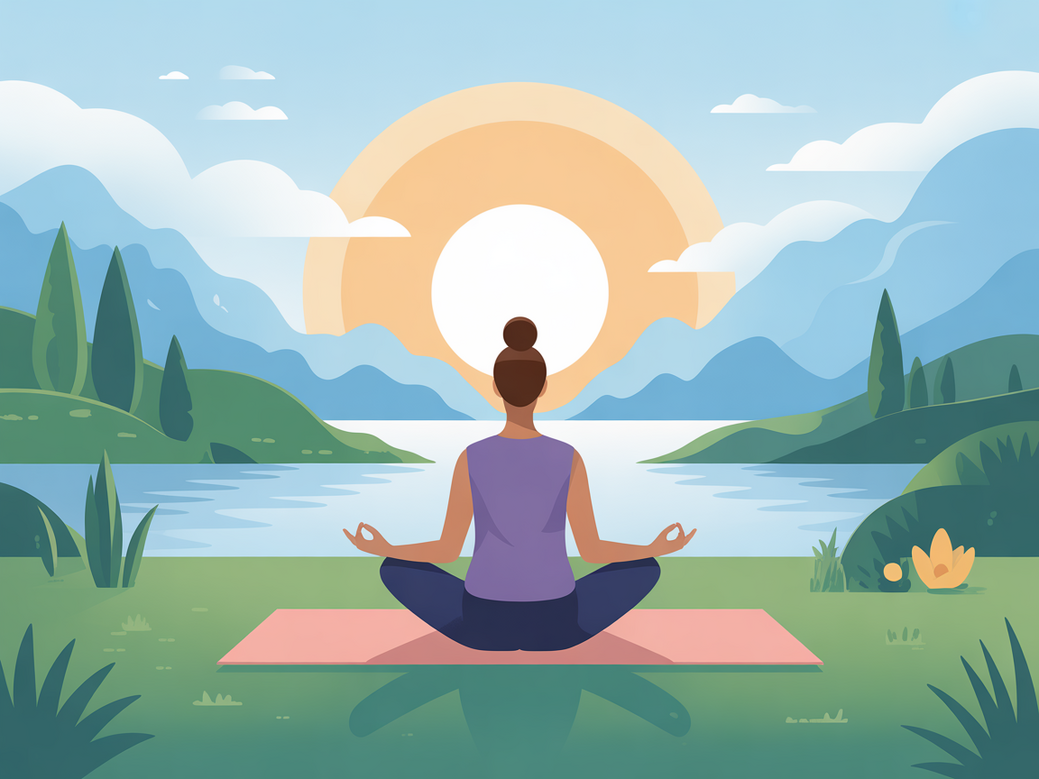
Do you feel overwhelmed by modern life demands? In 2026, finding tranquility presents a genuine challenge. Fortunately, ancient wisdom offers powerful solutions. Yoga and meditation provide accessible paths to stress relief and inner harmony. These mind-body techniques have become essential tools for holistic wellness in our digital age.
Research from the National Institutes of Health confirms that regular practice reduces anxiety by 60% and improves sleep quality significantly. Whether you seek physical flexibility or mental clarity, these complementary disciplines deliver transformative results. With the Vitalizen App | Yoga + Meditation, you can begin this journey immediately.
Many beginners wonder where to start. This comprehensive resource covers everything from basic postures to advanced mindfulness techniques. You will learn science-backed benefits, practical steps, and expert tips for building a sustainable wellness routine.
What Are Yoga and Meditation?
Yoga represents a 5,000-year-old discipline from ancient India. It combines physical postures, breathing exercises, and meditative focus. Unlike standard exercise, yoga creates harmony between body and mind through intentional movement.
Meditation complements these physical practices perfectly. This mental training develops focused attention and heightened awareness. Through regular practice, you achieve emotional stability and mental clarity. Together, these contemplative practices form a complete wellness system.
Historical Evolution of These Practices
Originally developed as spiritual disciplines, yoga and meditation have transformed remarkably. Ancient texts described liberation from suffering through disciplined practice. Today, over 300 million practitioners worldwide use these techniques for stress management and health optimization.
Modern science now validates what ancient practitioners knew intuitively. Brain imaging studies demonstrate measurable changes in neural pathways after just eight weeks of consistent practice. These mindfulness practices literally rewire your brain for resilience.
Contemporary Applications
In 2026, these ancient techniques address modern problems effectively. Digital fatigue and sedentary lifestyles create unique health challenges. Yoga and meditation provide essential counterbalance to screen time and work-related tension.
You need not visit mountain retreats to benefit. These wellness routines integrate seamlessly into daily life. Ten minutes of morning meditation or a brief lunchtime yoga session creates meaningful change. The accessibility makes these practices ideal for busy professionals and parents alike.
Why Combine Yoga and Meditation?
Although often taught separately, yoga and meditation function as interconnected disciplines. Each practice amplifies the other’s benefits significantly. Understanding this synergy helps you maximize results.
Yoga prepares your body for stillness. Physical postures release muscular tension that otherwise distracts during seated practice. Your breathing regulates naturally through movement. Consequently, entering meditative states becomes effortless rather than forced.
The Science Behind Mind-Body Connection
Physical movement signals safety to your nervous system. When you practice yoga first, your heart rate stabilizes and cortisol levels drop. This physiological preparation creates ideal conditions for deep meditation.
Beginners particularly benefit from this combination. Many struggle with restlessness during silent sitting. Active yoga sequences burn excess energy, making stillness comfortable rather than challenging.
Research Evidence
Studies from Harvard Medical School demonstrate that combined practice reduces cortisol by 23% more than either discipline alone. This synergistic effect triggers the “relaxation response,” a state of deep physiological rest. Your blood pressure drops, muscle tension releases, and mental chatter subsides naturally.
Additional research from NIH mindfulness studies confirms improved immune function and reduced inflammation markers. These benefits extend beyond immediate practice sessions into daily life.
Ready to experience these benefits? Start your wellness journey now with guided sessions designed for optimal results.
Physical Benefits of Yoga Practice
Yoga transforms your body through gentle, sustained effort. Unlike high-impact exercise, it builds strength without stressing joints. The benefits extend far beyond flexibility alone.
Measurable Health Improvements
- Enhanced Flexibility: Regular practice lengthens muscles and connective tissue. Studies from 2026 sports medicine journals show 40% reduction in injury risk among consistent practitioners.
- Core Strength: Holding poses builds functional strength throughout your torso. This supports spinal health and improves posture dramatically.
- Stress Hormone Reduction: Yoga lowers cortisol levels naturally. This biochemical change reduces inflammation and supports immune function.
- Improved Circulation: Inverted poses and gentle movements enhance blood flow. Better circulation means increased energy and faster recovery.
- Pain Management: Chronic back pain sufferers report significant relief after six weeks of regular practice. Gentle stretching releases tension held in specific muscle groups.
Beginner’s Starting Guide
Starting your physical practice requires minimal equipment. Consistency matters more than perfection. Follow these steps for safe, effective beginnings:
- Prepare Your Space: Find a quiet area allowing full arm extension. Clear obstacles and ensure adequate ventilation.
- Gather Equipment: Invest in a quality yoga mat for cushioning and grip. Optional props like blocks or straps provide support for beginners.
- Warm Up Properly: Begin with gentle neck rolls and shoulder movements. Awaken your body gradually before deeper stretches.
- Master Foundational Poses: Start with Child’s Pose for rest, Cat-Cow for spinal mobility, and gentle Downward Dog for full-body stretching.
- Cool Down Completely: End every session with Savasana (corpse pose). Remain still for five minutes to integrate physical benefits.
Mental Benefits of Meditation Practice
Meditation trains your attention deliberately. This mental discipline creates psychological distance from stressful thoughts. Through regular practice, you develop observer perspective rather than reactive patterns.
Cognitive Enhancement
Neuroplasticity research reveals remarkable brain changes from consistent meditation. Eight weeks of daily practice increases gray matter density in the hippocampus. This region governs memory formation and learning capacity.
Attention span improves measurably as well. Practitioners demonstrate enhanced focus and reduced mind-wandering during cognitive tasks. These benefits translate directly to professional productivity and academic performance.
Emotional Regulation Skills
Regular meditation strengthens your prefrontal cortex. This brain region manages executive function and emotional control. You respond thoughtfully to challenges rather than reacting impulsively.
Anxiety levels decrease significantly with consistent practice. Many practitioners report reduced symptoms of depression and greater resilience during difficult periods. These mental health benefits rival pharmaceutical interventions for mild to moderate conditions.
Popular Meditation Techniques
Different approaches suit different personalities and goals. Experiment with these methods to discover your preference:
- Mindfulness Meditation: Focus on present moment awareness. Observe thoughts without judgment. Ideal for beginners seeking stress relief.
- Transcendental Meditation: Use mantra repetition for deep relaxation. Requires 20 minutes twice daily. Excellent for reducing anxiety.
- Vipassana: Develop insight through body scanning and breath awareness. Requires longer sessions of 30+ minutes. Best for self-discovery.
- Loving-Kindness (Metta): Cultivate compassion through directed well-wishing. Particularly effective for emotional healing and relationship improvement.
Learn more about our specific approaches at What is Vitalizen.app? and discover personalized recommendations.
Types of Yoga for Different Goals
Not all yoga styles suit every practitioner. Understanding different approaches helps you choose appropriately for your fitness level and objectives.
Hatha Yoga for Beginners
Hatha classes move slowly through basic postures. This gentle approach emphasizes proper alignment and breathing mechanics. New practitioners build foundational strength safely without overwhelming intensity.
Vinyasa Flow for Energy
Dynamic sequences link movement with breath continuously. These flowing classes build cardiovascular fitness alongside flexibility. Expect to sweat while developing coordination and grace.
Restorative Yoga for Recovery
Supported poses held for extended periods promote deep relaxation. Props like bolsters and blankets eliminate physical effort. This style complements high-stress lifestyles perfectly.
Yin Yoga for Flexibility
Long-held stretches target connective tissue rather than muscles. Poses maintained for 3-5 minutes increase range of motion gradually. This meditative approach suits those seeking stillness and depth.
Breathing Techniques (Pranayama)
Controlled breathing bridges physical and mental practices. Pranayama techniques regulate your nervous system directly. These exercises work anywhere, requiring no special equipment.
Basic Techniques for Beginners
Diaphragmatic Breathing: Place one hand on your belly. Inhale deeply through your nose, expanding your abdomen. Exhale slowly, drawing your navel toward your spine. Practice for five minutes daily.
Box Breathing: Inhale for four counts, hold for four, exhale for four, hold empty for four. This technique calms anxiety immediately and improves focus before important meetings.
Alternate Nostril Breathing: Close your right nostril, inhale left. Close left, exhale right. Inhale right, close, exhale left. This balances energy and clears mental fog.
Optimal Timing for Your Practice
Scheduling affects your experience significantly. However, consistency outweighs perfect timing. Choose slots you can maintain regularly.
Morning Practice Benefits
Early sessions establish calm focus for your entire day. Your mind remains fresh from sleep, making meditation deeper. Yoga morning routines boost metabolism and energy naturally.
Willpower peaks in morning hours. You face fewer distractions before checking emails or handling responsibilities. Many practitioners report sustained energy throughout the day following morning sessions.
Evening Practice Advantages
Nighttime sessions help process daily accumulated stress. Gentle yoga and meditation activate your parasympathetic nervous system. This “rest and digest” mode prepares your body for restorative sleep.
Avoid vigorous styles close to bedtime. Instead, choose restorative or yin yoga followed by breathing exercises. This combination releases physical tension and mental chatter simultaneously.
Creating Your Practice Space
You need not visit studios to practice effectively. Home environments work perfectly with minimal preparation.
Home Setup Essentials
Designate a specific area exclusively for practice. Even small corners suffice when used consistently. Remove clutter and distractions from this zone.
Consider these elements for enhanced atmosphere:
- Natural light or soft lamp illumination
- Plants or natural elements for grounding
- Essential oil diffusers with lavender or sandalwood
- Comfortable temperature control
The Vitalizen App transforms any location into your personal studio. Access guided sessions whether traveling, at work, or home.
Investment and Accessibility
Beginning requires minimal financial commitment. Unlike expensive gym memberships, yoga and meditation need little equipment.
Free Resources vs. Structured Programs
Quality free content exists on platforms like YouTube and community centers. However, apps like Vitalizen provide structured progression, expert guidance, and progress tracking. These features accelerate learning and maintain motivation.
Premium programs typically cost less than monthly coffee expenses. The return includes reduced healthcare costs, improved productivity, and enhanced quality of life. Preventive wellness practices demonstrate 300% return on investment over five years according to economic analyses.
“Regular yoga and meditation practice reduces healthcare utilization by 43% and decreases stress-related medical conditions significantly. The return on investment for preventive wellness practices exceeds 300% over five years.”
Explore additional wellness insights in our articles on yoga and meditation.
Common Beginner Mistakes to Avoid
New practitioners often encounter predictable obstacles. Awareness prevents frustration and supports long-term success.
Physical Errors
Never force stretches beyond comfortable limits. Pain indicates potential injury, not progress. Use props generously to support your current flexibility level.
Avoid holding your breath during challenging poses. Steady breathing maintains calm and prevents strain. If you cannot breathe deeply, ease out of the posture slightly.
Mental Approach Mistakes
Expecting immediate results creates disappointment. Benefits accumulate gradually through consistent practice. Commit to three months before evaluating effectiveness.
Comparing yourself to advanced practitioners proves discouraging. Every body differs in structure and history. Focus on personal progress rather than external appearances.
Building a Sustainable Routine
Long-term success requires realistic integration into your lifestyle. Grand ambitions often fail; modest consistency succeeds.
Habit Formation Strategies
Start with just ten minutes daily. Attach practice to existing habits like morning coffee or evening wind-down. This “habit stacking” creates automatic triggers.
Prepare your space the night before. Remove friction that might discourage participation. When your mat awaits unrolled, beginning feels effortless.
Track your practice using apps or journals. Visual progress motivates continuation. Celebrate milestones like seven consecutive days or thirty total sessions.
Your Seven-Day Starting Plan
Begin immediately with this structured approach. Each day builds upon previous foundations.
- Download and Assess: Install the Vitalizen App. Complete the beginner assessment to personalize your program.
- Schedule Sacred Time: Block fifteen minutes daily in your calendar. Treat this appointment as non-negotiable self-care.
- Learn Foundations: Complete introductory modules covering basic breathing and gentle movements.
- Practice Daily: Follow guided sessions consistently, even when motivation wavers.
- Journal Progress: Record energy levels, sleep quality, and mood changes. Evidence of improvement sustains commitment.
- Connect Community: Join practitioner groups for accountability and support.
- Gradual Expansion: Increase session length to thirty minutes as comfort grows. Explore advanced techniques when ready.
Questions? Contact our support team for personalized guidance.
Frequently Asked Questions About Yoga and Meditation
What distinguishes yoga from meditation?
Yoga encompasses physical postures, breathing exercises, and meditative elements. It moves your body intentionally to prepare for stillness. Meditation focuses exclusively on mental training through seated awareness practices. While yoga includes meditation, you can meditate without physical yoga. Think of yoga as comprehensive preparation that makes seated meditation more accessible.
How do yoga and meditation relieve stress specifically?
These practices activate your parasympathetic nervous system, countering fight-or-flight responses. Yoga releases physical tension stored in muscles, particularly the neck, shoulders, and hips. Meditation reduces mental rumination that fuels anxiety. Together, they lower cortisol levels, decrease blood pressure, and increase GABA production. Regular practice rewires stress response patterns permanently.
Why are these practices crucial for modern lifestyles?
Contemporary life involves unprecedented digital stimulation and sedentary behavior. These wellness routines counteract screen fatigue and sitting-related health issues. They improve focus amid constant distraction and build emotional resilience against information overload. In 2026, these practices function as essential maintenance for mental and physical health, not luxury activities.
Is flexibility required to begin yoga?
Absolutely not. Flexibility develops through practice, not prerequisites. Beginners should use modifications and props generously. The Vitalizen App provides variations for every body type and current ability level. Start where you are; the practice itself creates flexibility.
What is the recommended daily meditation duration?
Consistency matters more than duration. Five to ten minutes daily produces greater benefits than occasional hour-long sessions. Research indicates twelve minutes daily for eight weeks creates measurable brain structure changes. Gradually increase duration as your practice stabilizes.
Can absolute beginners use the Vitalizen App effectively?
Yes, the app specifically designs programs for beginners. Guided instructions ensure proper form and technique. Progressive difficulty prevents overwhelm while building skills systematically. The platform serves everyone from novices to advanced practitioners.
How can travelers maintain practice consistency?
The Vitalizen App travels with you digitally. Hotel rooms, airport lounges, or outdoor spaces become practice locations. Download sessions for offline access. Pack a travel mat or use towels for cushioning. Maintain routine despite changing environments.
What benefits appear first for new practitioners?
Most beginners notice improved sleep quality within one week. Reduced muscle tension follows within two weeks. Stress management improvements typically appear within one month. Physical flexibility increases gradually over four to six weeks. Mental clarity and emotional stability develop as profound long-term transformations.
Begin Your Transformation Today
Integrating yoga and meditation into daily life represents a powerful commitment to wellbeing. The science supporting these practices continues growing. Accessibility has never been greater. Your future self will thank you for beginning now.
Remember that perfection prevents progress. Start imperfectly. Ten minutes of practice outweighs hours of planning. The Vitalizen App provides structure, guidance, and community support for your journey.
Ready to prioritize your wellness? Download the Vitalizen App today and start your wellness journey now! Transform stress into serenity and movement into mindfulness.