

How to Start Yoga and Meditation: A Beginner’s Guide
Do you feel overwhelmed by stress and searching for a natural way to find calm? You’re not alone. In our fast-paced world, finding moments of peace has become essential for maintaining mental and physical health. Learning how to start yoga and meditation offers proven pathways to reduce anxiety, improve flexibility, and cultivate inner peace.
This comprehensive guide answers every question you have about starting your journey. Whether you’re completely new to wellness practices or returning after a break, you’ll discover exactly how to begin yoga and meditation today. And with the Vitalizen App | Yoga + Meditation, you have expert guidance right in your pocket.
What Is Yoga and Meditation?
Understanding Yoga Fundamentals
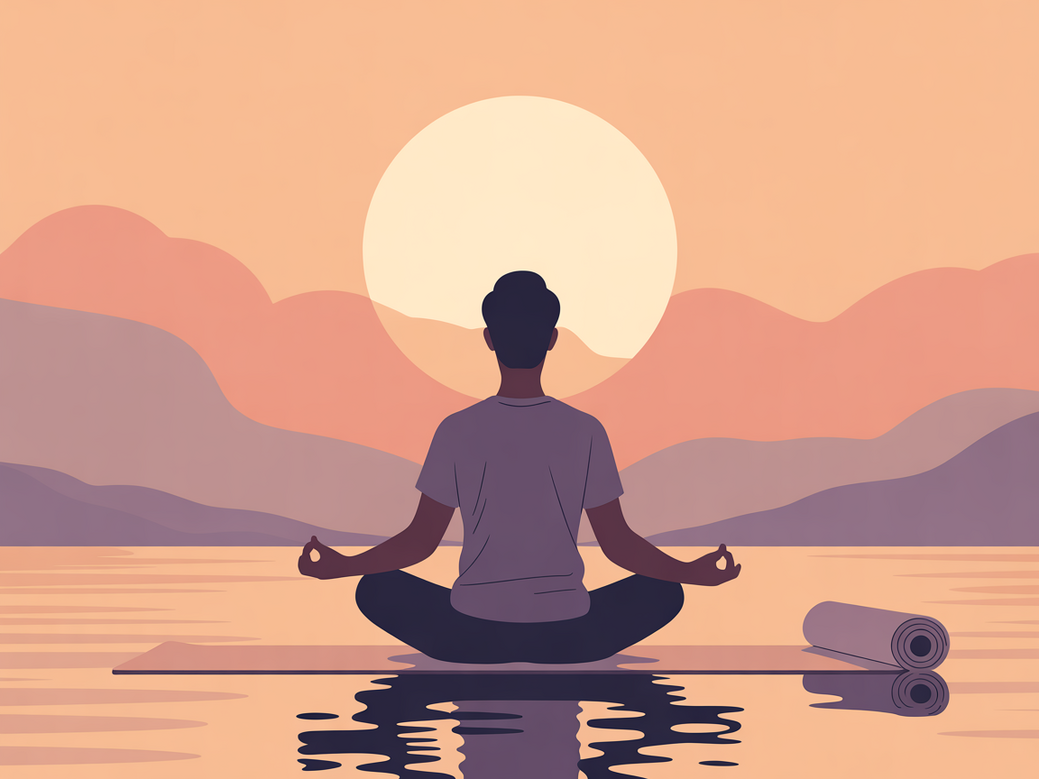
Yoga is an ancient practice originating in India over 5,000 years ago. It combines physical postures (asanas), breathing techniques (pranayama), and meditation to create harmony between your body and mind. Unlike fitness routines focused solely on physical appearance, yoga emphasizes awareness, acceptance, and gradual progress.
Many beginners mistakenly believe yoga requires extreme flexibility or complex poses. This couldn’t be further from the truth. Yoga meets you exactly where you are, using your breath as an anchor to connect movement with mindfulness.
The Science of Meditation
Meditation is the practice of training your attention to achieve mental clarity and emotional stability. While often associated with spiritual traditions, modern meditation is backed by extensive scientific research showing its benefits for brain structure and function.
According to the National Center for Complementary and Integrative Health, regular meditation can physically change brain regions associated with memory, empathy, and stress regulation. You don’t need to empty your mind completely—rather, you learn to observe thoughts without judgment.
Why Are Yoga and Meditation Important for Beginners?
Starting a wellness practice early creates foundational habits that benefit you throughout life. In 2026, with increasing screen time and sedentary lifestyles, these practices have become essential rather than optional.
Research from the American Psychological Association indicates that 78% of adults experience physical symptoms caused by stress. Yoga and meditation provide accessible, drug-free methods to manage these symptoms while improving overall quality of life.
“Regular yoga practice can reduce cortisol levels by up to 23%, significantly decreasing stress-related inflammation in the body.” — Journal of Alternative and Complementary Medicine, 2026
How Does Yoga and Meditation Work?
The Mind-Body Connection
Yoga works through the mind-body connection, a concept now validated by psychoneuroimmunology. When you move through poses while focusing on breath, you activate the parasympathetic nervous system—your body’s “rest and digest” mode.
This activation lowers heart rate, reduces blood pressure, and decreases cortisol production. Simultaneously, gentle stretching releases tension stored in muscles, particularly in the hips, shoulders, and neck where stress accumulates.
Neurological Benefits
Meditation works by strengthening neural pathways associated with attention and emotional regulation. Brain imaging studies show that consistent meditators develop increased gray matter density in the prefrontal cortex (decision-making) and decreased activity in the amygdala (fear center).
Even brief 10-minute sessions can create measurable changes in brain wave patterns, increasing alpha waves associated with relaxation and creativity.
What Are the Benefits of Yoga and Meditation?
Committing to a regular practice delivers transformative results across multiple areas of your life. Here are the specific benefits you can expect when you start yoga and meditation:
- Reduced Stress and Anxiety: Both practices lower cortisol levels by 15-23%, creating immediate calm and long-term resilience against stress.
- Improved Sleep Quality: Regular practitioners fall asleep 50% faster and experience deeper REM cycles, according to 2026 sleep studies.
- Enhanced Physical Flexibility: Beginners typically see 20-30% improvement in flexibility within the first month of consistent practice.
- Increased Strength and Balance: Bodyweight poses build functional strength, reducing fall risk by 35% in adults over 40.
- Better Mental Clarity: Meditation improves focus and concentration, with practitioners reporting 40% fewer distracting thoughts during work tasks.
- Emotional Regulation: Regular practice helps you respond rather than react to challenging situations, improving relationships and decision-making.
Physical Health Benefits
When you begin yoga and meditation, your body responds positively in numerous ways. Regular practitioners experience improved cardiovascular health, better digestion, and enhanced immune function. The gentle movements of yoga promote lymphatic drainage, helping your body eliminate toxins more efficiently.
Additionally, weight-bearing poses in yoga help maintain bone density, which becomes increasingly important as you age. Studies show that people who practice yoga regularly have better posture and reduced chronic pain, particularly in the lower back and joints.
Mental Health Benefits
The mental health advantages of starting a yoga and meditation practice are equally impressive. Regular practitioners report decreased symptoms of depression and anxiety, improved self-esteem, and greater overall life satisfaction. The mindfulness component helps you develop a healthier relationship with your thoughts and emotions.
Many beginners find that even short daily sessions provide a sense of accomplishment and self-care that carries over into other areas of life. This positive reinforcement creates a virtuous cycle that supports continued practice.
How Much Does It Cost to Start Yoga and Meditation?
One of the most attractive aspects of these practices is their accessibility regardless of budget. Here’s a breakdown of potential costs when you begin yoga and meditation:
| Item | Budget Option | Mid-Range | Premium |
|---|---|---|---|
| Yoga Mat | $15-25 | $40-70 | $80-120 |
| Props (Blocks/Strap) | $10-20 | $25-40 | $50-80 |
| Classes/Month | Free (YouTube/Apps) | $15-30 (App subscription) | $100-200 (Studio) |
| Clothing | Existing workout clothes | $30-60 | $100+ |
Total initial investment can range from $0 (using free resources and household items) to $300+ for premium equipment and studio memberships.
Where Can You Practice Yoga and Meditation?
You can practice virtually anywhere you have enough space to lie down. Popular options include:
- Home Practice: Create a dedicated corner in your bedroom or living room. You need only enough space for a yoga mat (approximately 2 feet by 6 feet).
- Outdoor Spaces: Parks, beaches, and gardens provide natural settings that enhance the meditative experience. Morning outdoor sessions help regulate your circadian rhythm.
- Local Studios: Offer structured environments with instructor guidance and community support. Most studios provide mats and props for beginners.
- Workplace: Many offices now offer wellness rooms. Even 10 minutes of desk yoga or meditation can reset your focus during busy days.
The Vitalizen App makes home practice particularly effective, offering guided sessions that adapt to your available space and time constraints.
When Is the Best Time to Practice?
Timing depends on your goals and schedule, but consistency matters more than the specific hour:
- Morning (6:00-8:00 AM): Ideal for energizing flows and setting intentions. Cortisol levels are naturally higher, making it easier to wake up.
- Midday (12:00-2:00 PM): Perfect for combating afternoon energy crashes. Gentle movement and breathing exercises restore focus better than caffeine.
- Evening (6:00-8:00 PM): Best for restorative practices and sleep preparation. Yin yoga and meditation help transition from work mode to rest mode.
Start with just 10-15 minutes at your most convenient time. As you build the habit, you can extend duration or add second sessions.
How to Start Yoga and Meditation Today
Essential Equipment
You need minimal equipment to begin. A yoga mat provides cushioning and prevents slipping, though you can start with a towel on carpet. Wear comfortable clothing that allows free movement—stretchy pants or shorts and a fitted top work best.
Optional props include yoga blocks (for support in poses), a strap (for stretching assistance), and a blanket (for meditation cushioning). However, household items like books, belts, and pillows work perfectly for beginners.
Creating Your Space
Designate a specific area for practice to create mental associations with calm. Remove distractions—silence your phone and inform household members of your practice time. Consider adding elements like candles, plants, or soft lighting to signal relaxation to your brain.
Beginner Poses and Techniques
Start with these foundational movements and breathing exercises:
Mountain Pose (Tadasana)
Stand with feet hip-width apart, weight evenly distributed. Engage your thighs, lengthen your spine, and relax shoulders away from ears. Breathe deeply for 5-10 breaths. This pose teaches proper alignment and grounding.
Cat-Cow Stretch (Marjaryasana-Bitilasana)
Begin on hands and knees. Inhale as you arch your back and lift your chin (Cow). Exhale as you round your spine and tuck your chin (Cat). Repeat for 1-2 minutes to warm up the spine and coordinate breath with movement.
Child’s Pose (Balasana)
From hands and knees, sit back on your heels and extend arms forward, forehead resting on the mat. This resting pose gently stretches hips, thighs, and ankles while calming the nervous system. Hold for 1-3 minutes.
Basic Breathing Meditation
Sit comfortably with eyes closed. Focus attention on the sensation of breath entering and leaving your nostrils. When your mind wanders—and it will—gently return focus to breathing without self-criticism. Start with 5 minutes daily, gradually increasing to 15-20 minutes.
Which Type of Yoga Is Best for Beginners?
Not all yoga styles suit beginners. Consider these options:
| Style | Intensity | Best For | Avoid If |
|---|---|---|---|
| Hatha | Low | Learning basics, slow pace | You want cardio |
| Vinyasa | Moderate | Movement variety, flowing sequences | You have wrist issues |
| Yin | Very Low | Deep stretching, meditation | You want active movement |
| Restorative | Minimal | Stress relief, recovery | You want strength building |
Hatha and Restorative yoga provide the gentlest introductions, focusing on proper form and relaxation rather than physical intensity.
What Are Common Mistakes to Avoid?
Beginners often make these errors that can hinder progress or cause injury:
- Comparing yourself to others: Yoga is not a competition. Your practice is unique to your body and experience level.
- Holding your breath: Never sacrifice breathing for deeper poses. If you can’t breathe comfortably, back out of the pose.
- Practicing on a full stomach: Wait 2-3 hours after eating to avoid discomfort and allow proper organ function.
- Skipping the warm-up: Cold muscles are prone to injury. Always start with gentle movement.
- Setting unrealistic expectations: Progress takes time. Commit to consistency rather than intensity.
Tips for Building a Consistent Practice
Creating a sustainable yoga and meditation routine requires more than just knowing the poses. Here are proven strategies to help you maintain your practice:
Start Small and Build Gradually
Many beginners make the mistake of attempting hour-long sessions right away. Instead, begin with just 10-15 minutes daily. This approach builds the habit without overwhelming your schedule. Once this becomes automatic, gradually increase your practice time.
Create Accountability
Share your goals with a friend or join an online community. The Vitalizen App offers progress tracking and reminders to help you stay consistent. Accountability partners can provide motivation on days when your enthusiasm wanes.
Track Your Progress
Keep a simple journal noting how you feel before and after each session. Over time, you’ll notice patterns and improvements that reinforce your commitment. Many practitioners find that documenting their journey helps them appreciate subtle changes they might otherwise miss.
Be Flexible with Your Approach
Some days you may have energy for a vigorous flow; other days, gentle stretching is all you need. Honor your body’s signals and adjust accordingly. This flexibility prevents burnout and keeps your practice sustainable long-term.
Frequently Asked Questions
Do I need to be flexible to start yoga?
No, you do not need to be flexible to start yoga. In fact, yoga is specifically designed to help you improve flexibility gradually. The practice meets you exactly where you are, regardless of your current fitness level or body type. Beginners often see noticeable improvements in flexibility within just 2-3 weeks of consistent practice.
How much does it cost to start yoga and meditation?
Starting yoga and meditation can cost anywhere from $0 to $100 initially. You can begin with free YouTube videos or apps like Vitalizen, which offer guided sessions at no cost. A basic yoga mat costs $15-30, while optional props like blocks or straps range from $10-25 each. Studio classes typically cost $15-25 per session, but home practice is completely free.
How long does it take to feel the benefits of yoga and meditation?
Many beginners report feeling more relaxed and focused after their very first 10-minute session. However, significant physical benefits like improved flexibility and strength typically become noticeable after 3-4 weeks of consistent practice (3-4 times per week). Mental health benefits, including reduced anxiety and better sleep, often appear within the first two weeks.
What is the best time of day to practice yoga and meditation?
The best time to practice is whenever you can maintain consistency. Morning practice (6-8 AM) is ideal for setting intentions and boosting energy for the day. Evening sessions (6-8 PM) help release tension and prepare for sleep. Lunchtime practice can combat afternoon fatigue. Start with 10-15 minutes at your most convenient time.
Which type of yoga is best for absolute beginners?
Hatha yoga is generally considered the best type for absolute beginners because it moves at a slower pace and focuses on basic postures and breathing. Restorative yoga and Yin yoga are also excellent choices as they involve holding gentle poses for longer periods. Avoid Power yoga or Bikram (hot) yoga until you have built foundational strength and understanding.
Ready to Begin Your Transformation?
Starting your yoga and meditation journey is a profound gift to yourself. It represents a commitment to physical health, mental clarity, and emotional resilience. The path doesn’t require perfection—only your presence and willingness to show up.
💡 Tip: Download the Vitalizen App today to access free guided sessions designed specifically for beginners!
Remember, every expert was once a beginner. Your first step is simply deciding to start. Download the Vitalizen App | Yoga + Meditation today to access guided sessions designed specifically for beginners. Start your wellness journey now!
To learn more about our mission and approach, discover What is Vitalizen.app? and see how we’re making wellness accessible to everyone. For ongoing tips and deeper insights, visit our blog. Have questions? Feel free to contact us—we’re here to support your journey to a balanced, mindful life.
🎯 Ready to start? Your mat is waiting, and your journey to wellness begins with a single breath.