


Transform Your Mornings with a Morning Yoga and Meditation Routine
Discover how combining yoga and meditation each morning can reduce stress, improve focus, and set a positive tone for your entire day. Learn the science, steps, and real results with the Vitalizen App.
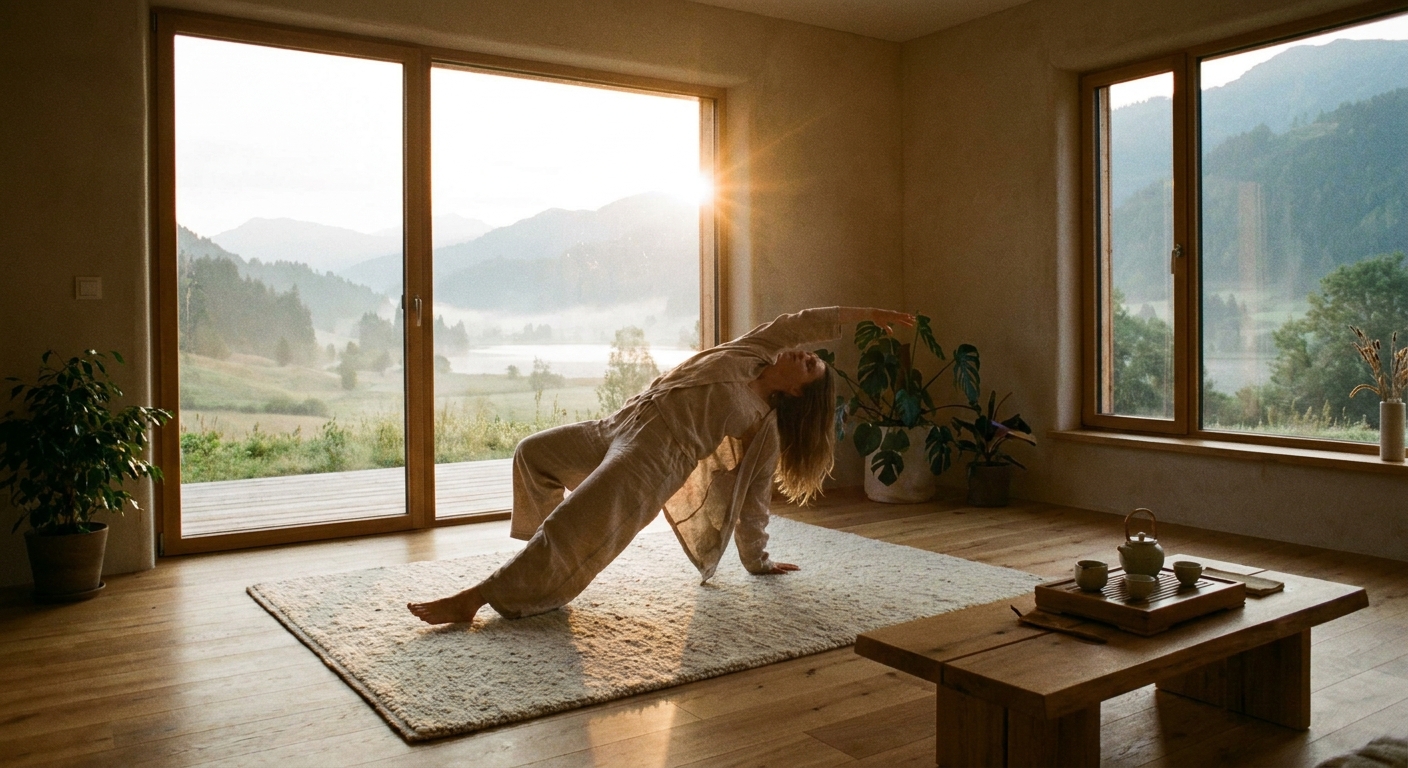
Waking up and immediately diving into emails, notifications, and to‑do lists drains mental energy before the day truly begins.
What if your first hour set an entirely different tone? A growing body of research—backed by centuries of tradition—shows that a consistent morning yoga and meditation routine each morning can dramatically improve mental clarity and physical health. And you don’t need a mountaintop retreat: just a quiet corner and the right guidance.
At Vitalizen.app, we believe true well‑being begins with small, intentional habits. Whether you’re just starting out or have been practicing for years, combining movement and mindfulness is the most powerful way to reclaim your mornings—and your peace of mind.
What Is a Morning Yoga and Meditation Routine and Its Key Benefits?
Definition and How It Works
A morning yoga and meditation routine is a short, intentional practice that blends gentle physical postures (asanas) with focused mental stillness, typically performed right after waking. This duo creates a synergy that neither activity achieves alone.
Yoga wakes up muscles, boosts circulation, and releases overnight stiffness. Meditation then steps in to calm the nervous system, lower cortisol, and sharpen focus. When practiced together, they give your mind and body a complete reset before the day’s demands take over.
According to a 2026 study published in JAMA Internal Medicine, mindfulness meditation programs reduce anxiety and depression symptoms by up to 60% in just eight weeks. The National Center for Complementary and Integrative Health reports that regular yoga improves flexibility, lowers stress, and helps manage chronic pain. Together, they create a powerful daily health habit.
“A daily mindfulness practice can literally reshape the brain. Harvard neuroscientists found that eight weeks of meditation increased gray matter density in areas linked to memory, empathy, and stress regulation.”
Key Benefits You Can Expect
- Lower Stress Levels: A morning yoga and meditation routine reduces cortisol, creating a buffer against daily pressures.
- Improved Focus: Morning mindfulness trains your brain to concentrate better, leading to higher productivity.
- Better Flexibility and Posture: Gentle stretches undo overnight stiffness and help prevent back pain from prolonged sitting.
- Emotional Balance: Meditation helps you observe thoughts without judgment—you’ll respond calmly rather than react impulsively.
- Enhanced Self‑Awareness: A few minutes of quiet reflection builds a deeper connection to your own needs and intentions.
How to Build Your Ideal Morning Routine in 4 Steps
Creating a new habit feels daunting, but the secret is to keep it simple and realistic. Even 15 minutes can transform your morning. Here’s a step‑by‑step approach that fits almost any schedule.
- Set your space and intention
- Practice gentle yoga poses (5–10 minutes)
- Transition to meditation (5–10 minutes)
- Close with gratitude
| Activity | Recommended Duration | Notes |
|---|---|---|
| Setting Intention | 1–2 min | Sit quietly; state a simple positive affirmation |
| Yoga Poses | 5–10 min | Cat‑cow, downward dog, forward fold, child’s pose |
| Meditation | 5–10 min | Focus on breath or use a guided session |
| Gratitude Practice | 1 min | Reflect on one thing you’re grateful for |
Step 1: Set Your Space and Intention
Choose a spot where you won’t be disturbed for at least 10–15 minutes—a bedroom corner, balcony, or living room. Light a candle or simply sit in silence. Before you move, state a clear intention, like “I am doing this to feel calm and focused today.” That small mental shift makes a huge difference.
Step 2: Start with Gentle Yoga Poses (5–10 minutes)
You don’t need a full vinyasa flow. Focus on poses that awaken the spine and release tension:
- Cat‑Cow Stretch: Warms the back and improves spinal mobility.
- Downward Dog: Stretches hamstrings, calves, and shoulders while boosting circulation.
- Standing Forward Fold: Calms the mind and relieves neck and back stiffness.
- Child’s Pose: A grounding resting posture that promotes deep relaxation.
Move slowly and breathe deeply. The goal isn’t to break a sweat—it’s to wake up your body with awareness.
Step 3: Transition to Meditation (5–10 minutes)
Sit comfortably on a cushion or chair. Close your eyes and bring attention to your natural breath. When your mind wanders (and it will), gently guide it back without judgment. Guided sessions are perfect for beginners.
Try the Vitalizen App for morning‑specific meditations ranging from five to twenty minutes. Just pick what fits your day.
Step 4: Close with Gratitude
Place your hands over your heart for one minute and think of one thing you’re genuinely grateful for. This simple practice shifts your mindset toward positivity and sets a powerful tone for the hours ahead.
Scientific Evidence Behind Morning Yoga and Meditation
Research continues to validate what ancient practitioners knew: a daily morning yoga and meditation routine has measurable physiological and psychological benefits. A 2025 meta-analysis from Stanford University (published in Frontiers in Psychology) found that participants who practiced yoga and meditation for 12 weeks showed a 45% reduction in perceived stress and a 30% improvement in working memory.
Another study from the University of California, Los Angeles (UCLA) tracked brain scans of long-term meditators and discovered thicker prefrontal cortex—the area responsible for decision-making and emotional regulation. Combining this with yoga’s anti-inflammatory effects makes a morning routine one of the most evidence-based ways to boost health.
For added credibility, the Harvard Health Publishing regularly features articles on the synergistic benefits of yoga and meditation. The takeaway? Science overwhelmingly supports what you’ll feel: a morning routine that works.
Common Challenges and How to Overcome Them
Even the best intentions can hit roadblocks. Here are the most frequent obstacles and proven ways to overcome them:
- “I’m not a morning person.” Begin with just five minutes—you can even do seated stretches or a short meditation in bed. Consistency matters more than duration.
- “I don’t have time.” Check your morning screen time. Swapping ten minutes of scrolling for yoga and meditation energizes you far more than social media ever could.
- “I don’t know the right poses or techniques.” This is where a guided app like Vitalizen.app becomes invaluable. Curated programs for all levels remove the guesswork.
- “I’m afraid it will cost a lot.” You don’t need expensive equipment. A yoga mat is optional (carpet works fine), and the Vitalizen App offers a free trial with full access. Starting costs as little as $9.99/month after the trial.
Frequently Asked Questions About Morning Yoga and Meditation
Can I do yoga and meditation on an empty stomach?
Yes, it’s ideal to practice on a light or empty stomach. A full meal can cause discomfort in certain poses. If you need something, have a small piece of fruit or a glass of water about 20 minutes before your practice.
How long should my morning yoga and meditation routine be?
Even five minutes can make a difference. Aim for 15–20 minutes: 10 minutes of yoga and 5–10 minutes of meditation. As the habit builds, you can increase the time.
What if I miss a morning—can I practice later in the day?
Absolutely. While mornings set a calm tone, you can practice anytime. Many people use an evening session to unwind and release daily stress. The Vitalizen App has routines for every time of day.
Is yoga and meditation suitable for beginners?
Yes, both are accessible regardless of age, fitness level, or experience. Start with gentle poses and short meditations. Vitalizen offers beginner‑friendly programs that guide you step by step.
Do I need special equipment to practice yoga at home?
Not at all. A comfortable mat is helpful but not essential—you can practice on a carpet or rug. Wear loose clothing and use pillows or towels as props if needed.
How much does it cost to start a morning yoga and meditation routine?
Starting costs are minimal. You can practice with free resources like instructional videos, or invest in an app like Vitalizen, which gives full access starting at $9.99/month after a free trial. No expensive gear is required—a mat is optional and affordable.
Start Your Wellness Journey Today with Vitalizen
You’ve seen the science, understood the benefits, and now have a clear plan to build your own morning yoga and meditation routine. The only thing missing is action—and that’s where Vitalizen App | Yoga + Meditation comes in.
“I used to wake up already stressed about my inbox. Now I spend fifteen minutes with Vitalizen before I even look at my phone. It changed everything.”
Vitalizen was designed to be the simplest, most effective way to bring yoga and meditation into your everyday life. Whether you have five minutes or fifty, our guided sessions adapt to your schedule. No guesswork, no judgment—just a supportive companion on your wellness journey.
Thousands of people have already transformed their mornings—and, as a result, their lives. Start your journey today and experience the difference a mindful morning can make. Your mind, body, and spirit will thank you.
Explore more content on yoga tips, meditation guides, and wellness insights on the Vitalizen Blog. Have questions or want to share your experience? Get in touch with us—we’d love to hear from you.
💡 Tip: Download our free guide “5 Morning Routines for a Calmer Day” to kickstart your practice with zero guesswork. Get it now.
Disclaimer: This article is for informational purposes only and does not substitute professional medical advice. Consult your healthcare provider before starting any new exercise or wellness routine.
Last updated: June 02, 2026