


Morning Yoga for Beginners: 7 Simple Poses & Meditation
Have you ever hit the snooze button and wished your mornings felt less like a race against the clock? You are not alone. Thousands of people are turning to morning yoga for beginners as a gentle yet powerful way to reclaim their mornings. And the best part? You do not need to be flexible, experienced, or even fully awake to begin.
In fact, combining just a few minutes of daily meditation with simple yoga stretches can transform your mental clarity, reduce stress, and set a positive tone for the entire day. Whether you are looking for a yoga and meditation app to guide you or want to learn the basics first, this article is designed for you.
What Is Morning Yoga for Beginners?
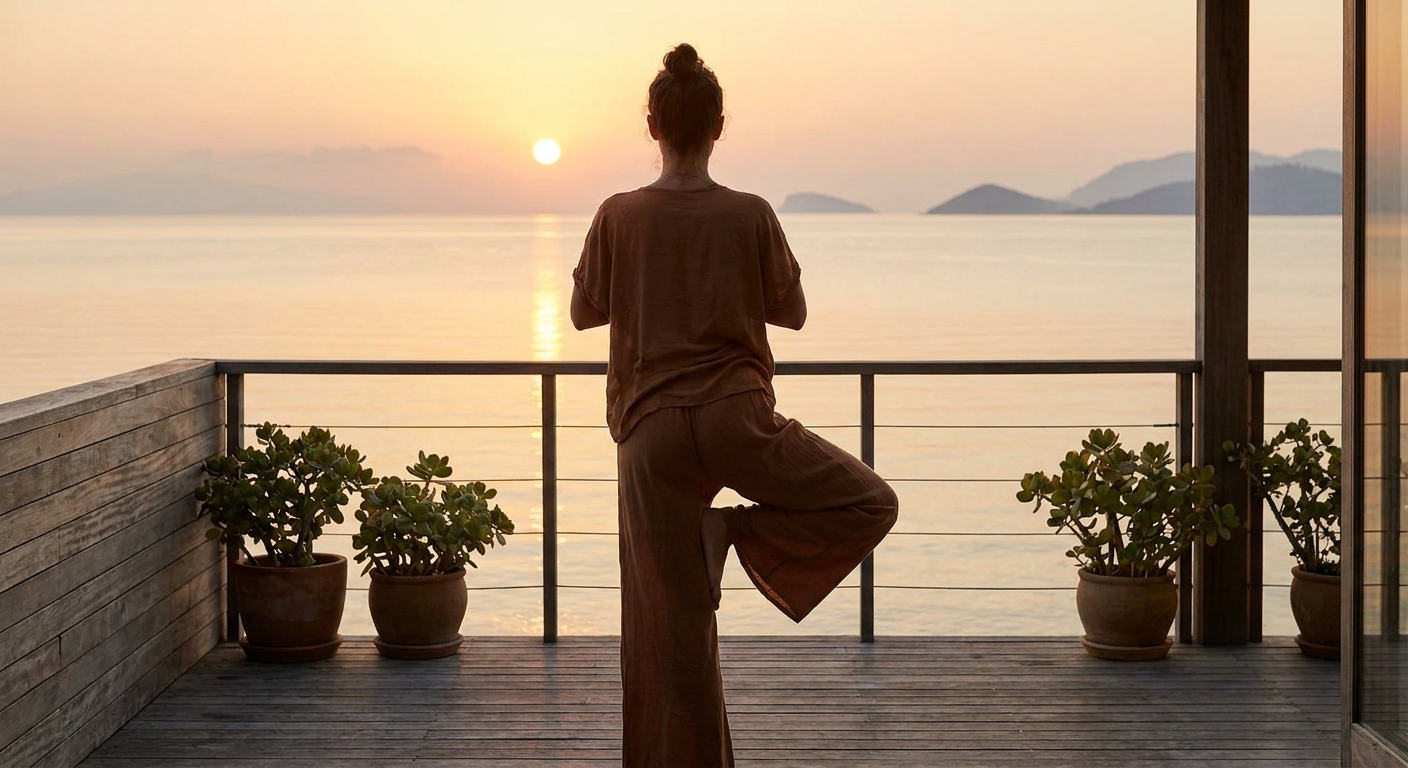
Morning yoga for beginners is a gentle sequence of yoga poses (asanas) practiced in the morning, specifically created for those new to yoga. It combines physical postures with breath control (pranayama) and often ends with daily meditation to set a calm, focused tone for the day. Unlike advanced classes, beginner morning yoga emphasizes accessibility, using simple movements that anyone can do regardless of age or fitness level.
This practice typically lasts between 5 and 20 minutes, making it easy to fit into even the busiest schedule. The goal is not to master complex poses but to wake up the body, center the mind, and cultivate mindfulness before the day’s demands take over. By starting with morning yoga for beginners, you build a foundation of flexibility, strength, and mental clarity that grows over time.
Why Morning Yoga Matters for Your Well‑being
Science backs what ancient practitioners have known for centuries. When you pair yoga and meditation in the morning, you activate your parasympathetic nervous system — the part of your body responsible for rest, digestion, and calm focus. This means lower cortisol levels, better emotional regulation, and improved concentration throughout the day.
According to the National Institutes of Health, regular yoga practice significantly reduces symptoms of anxiety and depression. A 2026 study published in the Journal of Behavioral Medicine found that participants who practiced morning yoga for 8 weeks experienced a 34% reduction in perceived stress and a 28% improvement in sleep quality. Adding mindfulness for beginners meditation multiplies these benefits. It is like giving your brain a warm cup of tea before asking it to solve problems.
“Morning yoga transformed my entire day. I used to wake up groggy and reach for my phone. Now I reach for my mat. My focus at work has improved, and I feel calmer overall.” — Maria G., Vitalizen user since 2025
Getting Started with Morning Yoga: Equipment, Cost & Timing
One of the biggest misconceptions about starting yoga at home is that you need expensive equipment or a dedicated studio. Here is your starter checklist:
- A yoga mat or any non‑slip surface (carpet works too)
- Comfortable clothing that allows movement
- A quiet corner — even 3×3 feet is enough
- 5 to 15 minutes of uninterrupted time
- An open mind (no judgment allowed!)
Cost is minimal. You can start for free with online videos. For structured guidance, apps like Vitalizen.app cost less than one studio class per month. The best time to practice is within 30 minutes of waking, before breakfast, but consistency matters more than the clock. You can practice anywhere — at home, outdoors, or while traveling.
7 Simple Morning Yoga Poses for Beginners
Below is a sequence that flows naturally from one posture to the next. Hold each pose for three to five deep breaths. Remember: there is no “perfect” pose — only the pose that feels right for your body today.
| Pose | Key Benefits | Duration | Beginner Tip |
|---|---|---|---|
| Child’s Pose | Relaxes lower back, calms mind | 5 breaths | Place a cushion under knees if needed |
| Cat‑Cow Stretch | Warms up spine, releases tension | 5‑7 rounds | Sync movement with breath |
| Downward‑Facing Dog | Full body stretch, builds strength | 3‑5 breaths | Bend knees if hamstrings are tight |
| Mountain Pose | Grounding, improves posture | 3‑5 breaths | Set a positive intention for the day |
| Forward Fold | Calms mind, stretches hamstrings | 3‑5 breaths | Bend knees generously |
| Low Lunge | Opens hips, builds leg strength | 3 breaths each side | Keep back knee padded |
| Seated Meditation | Mindfulness, focus, relaxation | 2‑5 minutes | Sit on a cushion for comfort |
- Child’s Pose (Balasana): Kneel on the floor, touch your big toes together, sit on your heels, and fold forward. Extend your arms in front or rest them alongside your body. This pose gently stretches your lower back and signals your nervous system to relax.
- Cat‑Cow Stretch (Marjaryasana‑Bitilasana): Come to all fours with wrists under shoulders and knees under hips. Inhale, drop your belly and lift your chest (Cow). Exhale, round your spine and tuck your chin (Cat). Repeat five to seven times to warm up your spine.
- Downward‑Facing Dog (Adho Mukha Svanasana): From all fours, tuck your toes and lift your hips up and back. Keep knees slightly bent if hamstrings are tight. Pedal your feet gently. This pose builds upper body strength while lengthening the back.
- Mountain Pose (Tadasana): Stand with feet hip‑width apart. Ground through all four corners of your feet. Engage your thighs, lengthen your spine, and relax your shoulders. Bring palms together at your heart to set an intention for the day.
- Forward Fold (Uttanasana): From Mountain Pose, hinge at your hips and fold forward. Bend your knees generously. Let your head hang heavy. This inversion calms the mind and stretches hamstrings and lower back.
- Low Lunge (Anjaneyasana): Step your right foot forward between your hands, lower your left knee to the mat. Lift your arms overhead and sink your hips forward. Hold for three breaths, then switch sides. This opens the hips and builds leg stability.
- Seated Meditation (Sukhasana): Sit cross‑legged on a cushion. Close your eyes, rest hands on knees, and focus on your breath. Stay for two to five minutes. This is where the magic of daily meditation happens.
If you would like guided audio for this entire sequence, start your wellness journey with Vitalizen.app today and access beginner‑friendly sessions.
How to Build a Sustainable Morning Yoga Habit
Consistency beats intensity every time. A five‑minute practice you actually do is more valuable than a 60‑minute class you skip. Here are three strategies:
- Stack your habits: Attach your practice to an existing morning habit, like brushing your teeth or making coffee.
- Start small: Commit to just two minutes of stretching and one minute of meditation for the first week.
- Track progress: Mark each completed day on a calendar. The visual streak motivates you.
Many Vitalizen blog readers report that the app’s reminders and progress tracking helped them build an unbreakable routine. For more tips on mindfulness for beginners, explore our article on starting meditation and the science behind yoga.
Frequently Asked Questions
Common Questions About Morning Yoga for Beginners
Do I need to be flexible to start morning yoga?
Absolutely not. Flexibility is a result of consistent practice, not a requirement. Many beginners start with stiff muscles and improve within weeks.
How long should a beginner meditate in the morning?
Start with just one to three minutes. Quality matters more than duration. The Vitalizen App offers timed beginner meditations.
Can I do morning yoga on an empty stomach?
Yes, morning yoga is best on an empty stomach. If needed, have a piece of fruit 20 minutes before your session.
What is the best app for yoga and meditation beginners?
Look for guided instruction, customizable lengths, and beginner sequences. Vitalizen.app offers all this plus a supportive community.
Start Your Morning Yoga Practice Today
The hardest part of any new habit is the first step. You have already taken it by reading this article. Your body is ready to move, and your mind is ready to quiet down. All that is left is to roll out your mat and begin.
Whether you follow the seven poses above or explore guided sessions, remember that every expert was once a beginner. The journey of morning yoga for beginners is not about perfection — it is about presence.
Ready to build a consistent practice? Download Vitalizen.app and discover how simple it is to bring yoga and meditation into your everyday routine.
Disclaimer: This article is for informational purposes only. Consult your healthcare provider before beginning any new exercise program.
Last updated: June 3, 2026