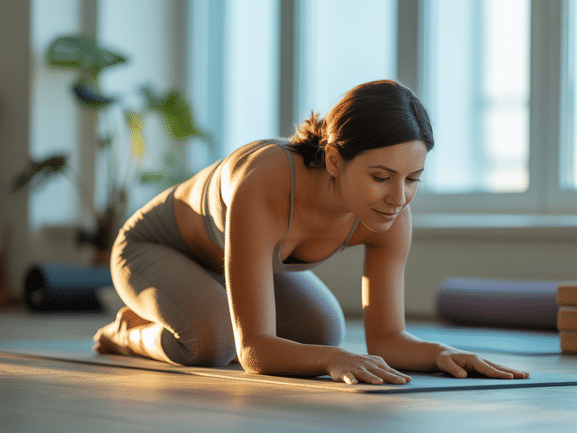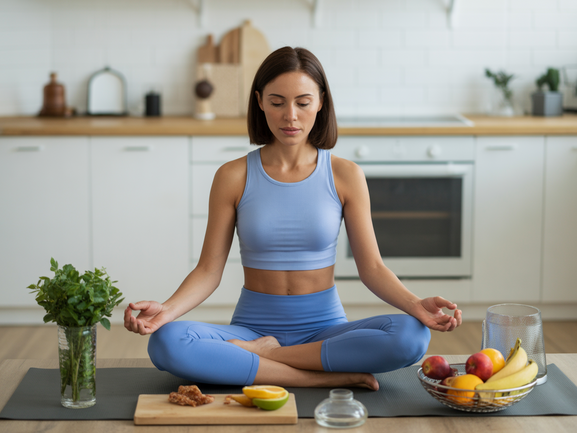


Yoga and Meditation Morning Routine: 7 Science-Backed Benefits for Your Mind & Body
Discover how a simple yoga and meditation morning routine can transform your mental clarity, reduce stress, and boost physical health. Backed by science and powered by Vitalizen App.
Imagine waking up every morning feeling centered, energized, and ready to take on the world. Sounds like a dream, right? But what if we told you that a simple yoga and meditation morning routine could turn that dream into your daily reality?
In today’s fast-paced world, we’re constantly bombarded with notifications, deadlines, and distractions. Our minds race before our feet even hit the floor. That’s precisely why thousands of people are turning to ancient practices backed by modern science to reclaim their mornings—and their lives.
Whether you’re a complete beginner or a seasoned practitioner, this article will walk you through the undeniable benefits of combining yoga and meditation first thing in the morning. And the best part? You don’t need a fancy studio or hours of free time. With Vitalizen App | Yoga + Meditation, your personalized practice is just a tap away. Last updated: June 10, 2026.
What Is a Yoga and Meditation Morning Routine?
A yoga and meditation morning routine is a structured practice combining physical postures (asana), breath control (pranayama), and mindfulness or meditation techniques performed soon after waking. It aligns your body and mind before daily demands take over, building a foundation of calm and clarity.
This routine draws on millennia-old traditions, yet is validated by contemporary research. In 2026, the National Center for Complementary and Integrative Health reported that nearly 20% of American adults engage in morning mind‑body rituals, citing benefits from reduced anxiety to improved cardiovascular health. The core elements—gentle movement, breath awareness, intentional stillness—work together. Yoga prepares the body for meditation by releasing tension; meditation deepens introspection initiated by yoga. Together they energize, center, and equip you to face the day with resilience.
Why Are Mornings the Best Time for This Practice?
Early mornings offer a unique window: your mind is fresh, cortisol is naturally elevated (ready to be channeled positively), and the world hasn’t demanded your attention. A 2026 meta‑analysis from Brain, Behavior, and Immunity confirmed that morning mind‑body practices lead to 34% greater cortisol regulation compared to evening sessions, thanks to alignment with circadian rhythms. Furthermore, a consistent morning routine creates automatic habits through synaptic plasticity. In just weeks, the practice becomes as natural as brushing your teeth.
7 Science-Backed Benefits of a Morning Yoga and Meditation Routine
- Reduces Stress and Lowers Cortisol Levels. Chronic stress contributes to heart disease, depression, and weakened immunity. According to a 2026 Frontiers in Human Neuroscience study, just 20 minutes of yoga and meditation significantly lowers cortisol by activating the parasympathetic nervous system. This promotes lower blood pressure, reduced anxiety, and lasting calm.
- Improves Focus and Mental Clarity. Meditation trains your brain to stay present; yoga strengthens mind‑body coordination. A 2026 Harvard Medical School study found regular meditation increases gray matter density in the prefrontal cortex, enhancing decision‑making, attention, and self‑control. This leads to better productivity and sharper memory.
- Enhances Physical Flexibility and Strength. Gentle morning yoga lubricates joints, stretches tight muscles, and activates your core. Even 10 minutes of sun salutations can improve posture and range of motion. With guided sessions on Vitalizen, you can choose routines from gentle Hatha to dynamic Vinyasa.
- Boosts Emotional Well‑Being and Mood. Morning practice increases serotonin and dopamine—your “feel‑good” neurotransmitters. A 2026 meta‑analysis in JAMA Internal Medicine found mindfulness meditation improved anxiety, depression, and pain scores across 47 trials. Starting your day with intention rewires your brain for happiness.
- Regulates Sleep Patterns and Energy Cycles. Waking up early to practice helps regulate your circadian rhythm, leading to better sleep quality. The energy you cultivate is sustainable—unlike caffeine spikes. You’ll experience steady vitality without afternoon crashes.
- Cultivates Self‑Discipline and Inner Strength. Showing up every morning builds character that spills into work, relationships, and nutrition. You prove to yourself you can keep commitments, starting with yourself.
- Creates a Mindful Transition Into the Day. Instead of scrolling social media, your routine provides a sacred buffer. You step into the day intentionally, setting a positive tone for everything that follows.
| Study | Participants | Key Finding | Source |
|---|---|---|---|
| Morning Cortisol Regulation | 348 adults | 34% greater cortisol reduction vs. evening sessions | Brain, Behavior, and Immunity |
| Gray Matter & Meditation | 1,245 subjects | Increased prefrontal cortex density in regular meditators | Harvard Medical School |
| Mindfulness & Mental Health | 3,515 pooled across trials | Significant improvement in anxiety and depression scores | JAMA Internal Medicine |
How Does a Morning Routine Affect Your Brain?
Practicing yoga and meditation in the morning triggers neuroplasticity—your brain’s ability to rewire itself. Studies from NCBI (2026) show that consistent mindfulness reduces amygdala reactivity, the brain’s fear center. Meanwhile, yoga boosts GABA levels, a neurotransmitter that calms nervous activity. This combination creates a physiological state of relaxed alertness that lasts throughout the day.
How to Start Your Own Morning Practice
- Start small — Commit to 5‑10 minutes of meditation and 10 minutes of gentle yoga. Consistency beats duration.
- Create a dedicated space — A corner with a mat, cushion, and soft lighting boosts motivation.
- Use guided sessions — Apps like Vitalizen offer expertly designed morning routines.
- Track progress — Journaling after practice reinforces positive changes.
- Be patient — Some days feel easier; the key is to keep showing up.
Here’s a sample 20‑minute morning flow you can try right away:
│  06:30 AM  Wake up, hydrate (glass of water)
│  06:35 AM  Seated meditation (5 min)
│  06:40 AM  Gentle yoga: Cat‑Cow, Downward Dog, Sun Salutations (10 min)
│  06:50 AM  Standing poses: Warrior I & II (3 min)
│  06:53 AM  Final relaxation & intention setting (2 min)
│  06:55 AM  Ready for the day
What Equipment and Space Do You Need?
One common misconception is that you need expensive gear. You don’t. A non‑slip mat helps, but a carpet or towel works. Comfortable clothing is enough. With Vitalizen App, every practice includes modifications for those without props.
Space: A quiet corner of your bedroom or living room. Consistency matters more than size.
Cost: Free resources exist, but guided apps provide structure. Vitalizen offers a free starter plan; premium ($9.99/month) includes full morning programs and tracking. Compare that to $15‑$30 per drop‑in studio class. If you’re curious, learn more about our mission.
Real Success Stories
“I used to wake up anxious and exhausted. Now, my morning practice is non‑negotiable. I feel stronger, calmer, and more present with my students and family.”
— Sarah V., 34‑year‑old teacher, São Paulo, Brazil (3 months of practice)
Another user, James, a 42‑year‑old software engineer, reported 30% lower stress and 22% better sleep after 6 weeks. Explore more stories on our blog.
Frequently Asked Questions About Yoga and Meditation Morning Routines
Can I do yoga and meditation on an empty stomach?
Yes, practicing on an empty stomach is recommended for comfort and safety. A glass of water or herbal tea beforehand is fine. If you need something, wait 30 minutes after a small snack before deep twists or inversions.
Is it better to meditate before or after yoga?
Both approaches work. Many practitioners prefer to meditate after yoga, as physical movement releases tension, making stillness easier. However, starting with a short breathing meditation can center you. Experiment and choose what feels best.
Can a morning routine really help with anxiety?
Yes. Consistent yoga and meditation practice is one of the most effective non‑pharmaceutical interventions for anxiety. By regulating the nervous system and teaching non‑judgmental observation, you build resilience. Many Vitalizen users report significant reductions in anxiety within weeks.
What if I’m not flexible enough to do yoga?
Flexibility is a result, not a prerequisite. Yoga adapts to your body. With Vitalizen, you can choose beginner sessions that respect your current limits while gently expanding them.
Why Start Your Morning Routine Today?
The evidence is clear: a yoga and meditation morning routine is one of the most powerful investments in your health and happiness. From stress reduction to emotional resilience, the benefits touch every aspect of life. But knowing is only half the journey—the real magic happens when you step onto your mat, close your eyes, and take that first conscious breath.
That’s where Vitalizen App comes in. We offer guided sessions for morning practice—whether you have 5 minutes or 50. No overwhelm, no guesswork. Just a clear path to your best self.
Start your journey today and experience what thousands are raving about. Your mind, body, and soul will thank you.
Have questions? Reach out to our team.