


Morning Meditation: 7 Science-Backed Benefits That Transform Your Mind and Body
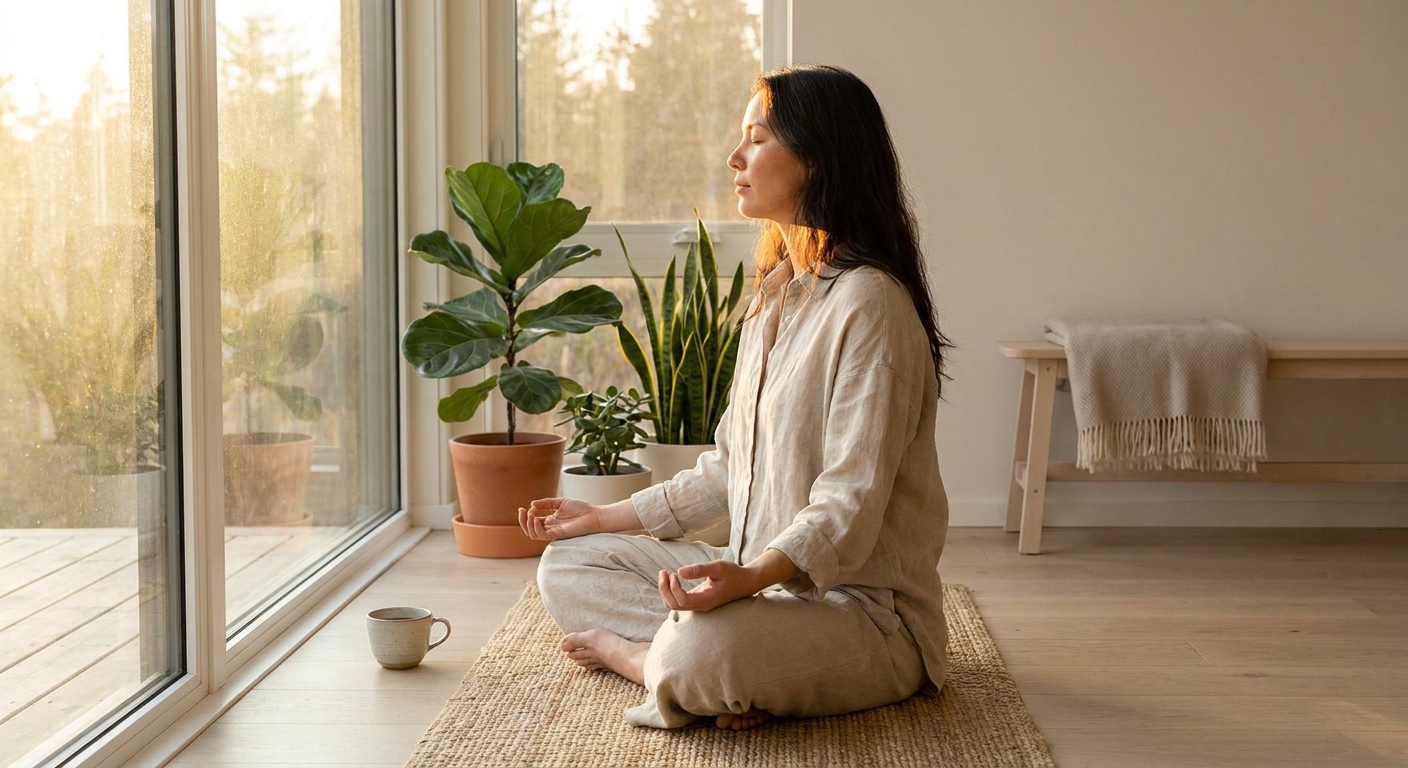
Imagine starting every single day feeling calm, centered, and completely in control — not just emotionally, but mentally and physically too. That’s not a distant dream reserved for monks or spiritual gurus. With Vitalizen.app | Yoga + Meditation, it can be your everyday reality. In this article, we explore seven science-backed benefits of morning meditation and how integrating this simple practice into your routine can literally rewire your brain for success, peace, and resilience.
What Is Morning Meditation and Why Does It Matter?
Morning meditation is the intentional practice of dedicating the first few minutes of your waking day to stillness, breath awareness, or guided mindfulness. This act of focusing inward before engaging with the outer world creates a foundation of calm and clarity that carries through every subsequent hour.
Why does it matter so much? Most people wake up and immediately enter reaction mode: checking emails, scrolling social media, rushing through breakfast. This triggers the sympathetic nervous system — the body’s stress response — before you’ve even had a sip of water. Morning meditation shifts you from reactive to intentional mode, giving you the emotional armor to handle challenges with composure.
“Just 10 minutes of morning mindfulness practice can reduce amygdala reactivity by 15% and strengthen prefrontal cortex connectivity — changes that improve emotion regulation and focus throughout the day.” — Harvard Medical School, Mindfulness Research Update 2026
Beyond the brain, this simple habit costs nothing, requires no special equipment, and can be done anywhere. It is one of the most accessible and powerful wellness tools available today.
How Does Morning Meditation Benefit Your Mind and Body?
Science now confirms that a consistent morning meditation practice triggers a cascade of positive changes. Below is a detailed breakdown of the 7 most impactful benefits, each supported by research and real‑world application.
- Reduces Stress and Cortisol Levels. Morning meditation lowers the stress hormone cortisol, promoting a state of deep relaxation. A study in Health Psychology found that mindfulness practitioners had significantly lower cortisol after just a few weeks. By meditating first thing, you inoculate yourself against the daily stressors that would otherwise hijack your mood and health.
- Enhances Focus and Cognitive Performance. Regular sessions strengthen the prefrontal cortex, the brain’s command center for attention and decision‑making. Research from UC Santa Barbara showed that two weeks of mindfulness training improved GRE reading scores and working memory — priming your brain for peak performance all day.
- Improves Emotional Regulation and Builds Resilience. Morning meditation trains you to observe thoughts without judgment, building neural pathways that let you respond instead of react. A Yale University study found that mindfulness reduces activity in the default mode network (DMN), decreasing rumination and anxiety.
- Boosts Immune System Function. Your mental state directly influences immune health. University of Wisconsin‑Madison researchers discovered that regular meditators mounted a stronger antibody response to the flu vaccine, thanks to lower inflammation and improved immune markers.
- Promotes Better Sleep Quality. By calming the nervous system early in the day, morning meditation helps regulate your circadian rhythm. A JAMA Internal Medicine systematic review confirmed that mindfulness meditation significantly improves sleep quality and reduces insomnia severity — proving that a mindful morning leads to a restful night.
- Increases Self‑Awareness and Personal Growth. Those quiet moments before the world wakes up create a sacred space for self‑reflection. You begin to notice unhealthy patterns, realign with your values, and gently redirect negative thought loops, fueling continuous personal development.
- Cultivates Gratitude and Inner Joy. Many morning meditation practices incorporate gratitude, which boosts dopamine and serotonin — your brain’s “feel‑good” neurotransmitters. Over time, this rewires your default perspective toward optimism, abundance, and genuine contentment.
| Benefit | Key Research Finding | Real‑World Impact |
|---|---|---|
| Stress Reduction | Significant cortisol drop after 8 weeks (Health Psychology) | Calmer reactions to pressure |
| Focus & Concentration | Improved GRE scores and working memory (UC Santa Barbara) | Higher productivity and less brain fog |
| Emotional Resilience | Decreased DMN activity linked to less rumination (Yale) | Better control over emotions |
| Immune Boost | Stronger flu vaccine antibody response (UW‑Madison) | Fewer sick days |
| Sleep Quality | Significant insomnia reduction (JAMA Internal Medicine) | Deeper, more restorative sleep |
| Self‑Awareness | Enhanced introspection & habit recognition | Sustainable personal growth |
| Gratitude & Joy | Increased dopamine and serotonin (Positive Psychology) | Higher baseline happiness |
Frequently Asked Questions About Morning Meditation
What is morning meditation, exactly?
Morning meditation is the practice of setting aside a few quiet minutes at the start of your day to focus inward — often through breath awareness, guided visualization, or mindfulness. It helps you begin the day with intention rather than reactivity.
How does morning meditation reduce stress?
It activates the parasympathetic nervous system, lowering cortisol and heart rate. By training the brain to observe thoughts without judgment, it reduces the habitual stress responses that accumulate throughout the day.
How much does it cost to start meditating in the morning?
Nothing — morning meditation is completely free. You only need a quiet space and your attention. However, many people find guided meditation apps helpful, and excellent free or low‑cost options like Vitalizen.app make it easy to build a consistent routine.
Where should I practice morning meditation?
Any quiet spot will do — a corner of your bedroom, a cushion by the window, even a parked car. The key is to choose a place where you won’t be disturbed for those few minutes, so you can fully relax into the practice.
When is the best time to meditate in the morning?
Within the first 30 minutes after waking, before you check your phone or engage with any digital screen. This “golden window” gives your mind the chance to set its own pace for the day, rather than being immediately pulled into external demands.
How do I start a morning meditation routine?
Begin with just 5 minutes of guided breathing. Use a free app like Vitalizen.app to follow simple instructions. Sit comfortably, close your eyes, and focus on your breath. Gradually increase to 10‑15 minutes as it becomes a habit.
How Can You Start Your Morning Meditation Routine Today?
Ready to experience these benefits for yourself? Here’s a simple action plan:
- Pick a consistent time. Meditate within the first 30 minutes of waking up, every day.
- Find your spot. Choose a quiet corner where you won’t be interrupted. A cushion or chair works perfectly.
- Use a guided tool. Start your free journey with Vitalizen.app and let expert instructors lead you step by step.
- Start small. Commit to just 5 minutes the first week, then gradually increase to 10 or 15 minutes.
- Track your progress. Notice your mood, focus, and energy levels each day — the small shifts will motivate you to continue.
To make the habit stick, keep these tips in mind:
- Wear comfortable clothing so your body can fully relax.
- Put your phone on “Do Not Disturb” during those minutes.
- Don’t worry about thoughts wandering — that’s part of the process. Gently bring your focus back to the breath.
- If you miss a day, simply begin again the next morning. Consistency beats perfection.
Remember: perfection is not the goal. Some mornings will feel easier than others. What matters is showing up, day after day. Your mind — and your entire life — will thank you.
The science is clear and the stories are countless: morning meditation is one of the highest‑leverage habits you can cultivate. It doesn’t require a massive time investment, expensive equipment, or special skills. All it asks is a few minutes of your presence — and in return, it offers clarity, peace, resilience, and vibrant health.
Whether you’re a complete beginner or someone looking to deepen your existing practice, Vitalizen.app | Yoga + Meditation is here to walk alongside you. With guided meditations, yoga flows, breathing exercises, and a supportive community, we make it simple — and genuinely enjoyable — to build a morning ritual that sticks.
👉 Start your transformation today — your morning meditation journey begins with a single breath.
Disclaimer: The information provided in this article is for educational and informational purposes only and is not a substitute for professional medical advice, diagnosis, or treatment. Always consult with a qualified healthcare provider regarding any health concerns or before making any changes to your wellness routine.
This article contains links to external websites. These links are provided for convenience and informational purposes only. Vitalizen.blog is not responsible for the content or accuracy of external sites. Contact us with any questions or feedback.