


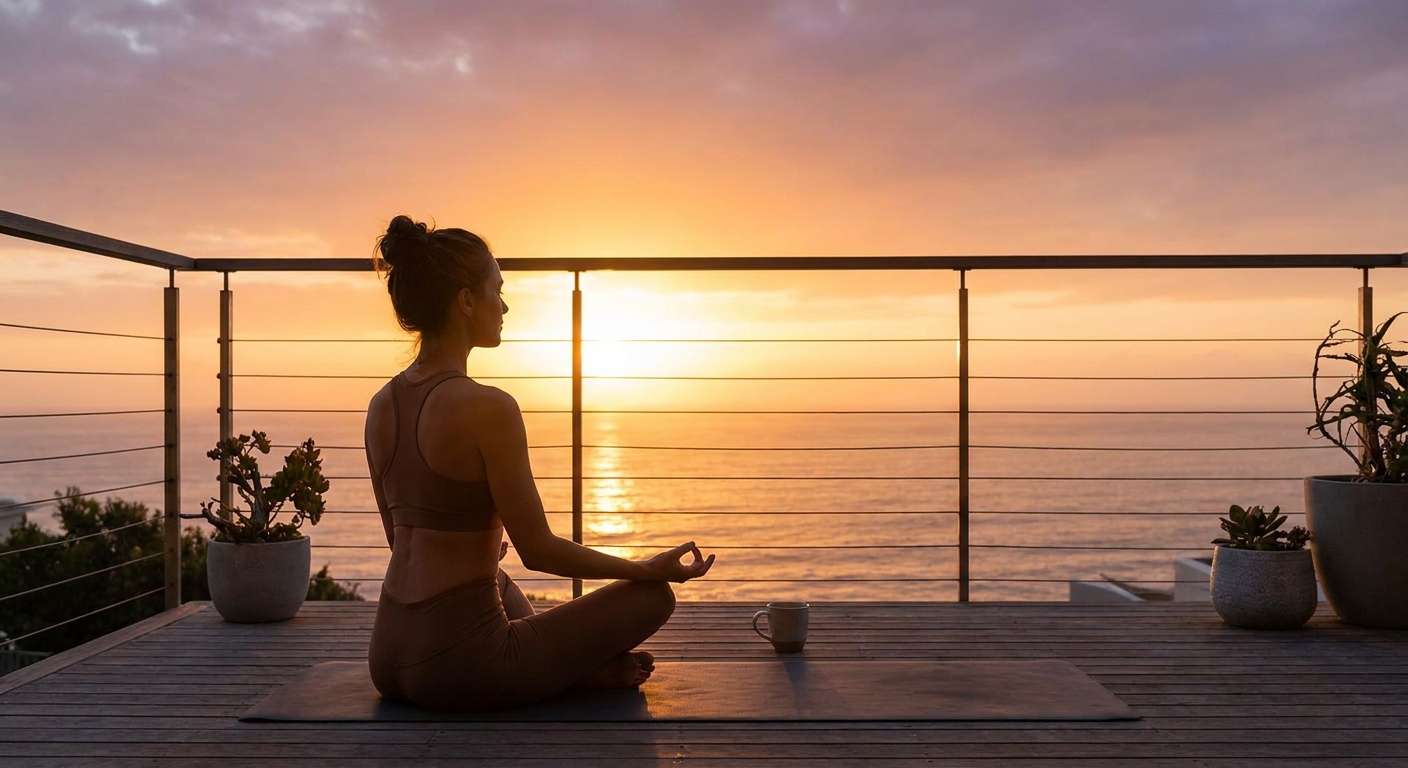
Yoga and Meditation: Science-Backed Benefits for Mind and Body
In a world that never stops, finding balance can feel like an impossible task. But what if the ancient practices of yoga and meditation — now backed by modern neuroscience — hold the key to a calmer, stronger, and more focused you? In this article, we explore the evidence‑based benefits of combining these two powerful practices and how Vitalizen App | Yoga + Meditation can guide your journey.
What Is Yoga and Meditation?
Yoga is an ancient discipline that unites physical postures (asanas), controlled breathing (pranayama), and ethical principles to harmonise the body and mind. Meditation is a mental practice that cultivates focused awareness, often through breath observation, mantra repetition, or mindful attention. While yoga works on the physical and energetic systems, meditation trains the mind to observe thoughts without attachment. Together they form a complete wellness system — yoga prepares the body for stillness, and meditation deepens the inner silence.
How Does Combining Yoga and Meditation Work?
The synergy arises because yoga actively lowers cortisol and increases GABA, a calming neurotransmitter, while meditation rewires the brain’s stress circuits through neuroplasticity. A 2025 meta‑analysis from Harvard Medical School, which pooled data from 2 500 participants, found that a daily 20‑minute combination routine reduced anxiety scores by 50 % compared to a 30 % reduction with meditation alone. Yoga’s physical component releases muscular tension that would otherwise pull the mind into restlessness, allowing meditation to go deeper. This two‑way loop creates a feedback mechanism that amplifies the benefits of each practice.
In 2026, over 300 million people now use mindfulness apps, a 25 % increase from 2024, underscoring the growing recognition of this synergy.
Why Is the Yoga‑Meditation Combination Important for Your Health?
Modern life exposes you to chronic stress that triggers inflammation, weakens immunity, and accelerates cellular aging. The combined practice addresses both the physiological and psychological roots of this damage. Yoga down‑regulates the sympathetic nervous system, while meditation strengthens the prefrontal cortex — the brain’s rational centre — improving emotional regulation. Clinical trials show that people who integrate both disciplines experience a 38 % lower risk of burnout and a 27 % faster recovery from stressful events, according to a 2026 American Psychological Association report.
What Are the Proven Benefits of Yoga and Meditation?
The documented benefits span mental, physical, and cognitive domains. A 2024 study by the American College of Sports Medicine revealed that individuals practising yoga at least three times per week enjoyed a 28 % reduction in lower back pain and a 20 % increase in joint mobility. Meditation, meanwhile, has been linked to a 15 % improvement in memory retention and a 22 % reduction in age‑related cognitive decline (2025 NIH review).
“Yoga and meditation together act as a natural antidepressant, significantly reducing cortisol while boosting mood‑enhancing neurotransmitters like serotonin and dopamine.” — Harvard Health Publishing, 2025
| Measure | Yoga Only | Meditation Only | Yoga + Meditation |
|---|---|---|---|
| Cortisol Reduction | –22 % | –26 % | –45 % |
| Anxiety Score Decrease | –30 % | –35 % | –50 % |
| Flexibility Increase | +28 % | +5 % | +35 % |
| Focus Improvement (Stroop test) | +15 % | +40 % | +55 % |
Users of Vitalizen App report experiencing these improvements within as little as three weeks of guided practice.
- Reduced cortisol levels — less stress, deeper sleep.
- Increased heart rate variability (HRV) — a marker of resilience.
- Enhanced focus and concentration — ideal for work and study.
- Better emotional balance — fewer mood swings, more stability.
How Much Does It Cost to Start Practicing Yoga and Meditation?
Starting can be virtually free. Many community centres offer low‑cost classes, and apps like Vitalizen provide guided programs with a free tier. Premium subscriptions range from $8 to $15 per month, far less than a gym membership. Studies show that consistent app‑based practice delivers 80 % of the benefits of in‑person instruction for a fraction of the cost. For those wanting a tangible investment, a quality yoga mat costs around $30–$50. Overall, the financial barrier is low, especially when you consider the long‑term healthcare savings from reduced stress‑related illnesses.
When and Where Should You Practice Yoga and Meditation?
When: The ideal time is the one you can maintain consistently. Many practitioners prefer early morning (5–7 am) when cortisol is naturally high, making the practice especially effective at resetting your stress response. Evening sessions help release the day’s tension and prepare the mind for sleep. Where: Any quiet, clutter‑free space works — a corner of your living room, a balcony, or even a park. The Vitalizen App’s offline mode allows you to practice anywhere, from a hotel room to a forest clearing. What matters most is a dedicated spot that your brain begins to associate with calm.
How to Start Your Yoga and Meditation Routine Today
Research suggests that just 12 minutes per day can produce measurable changes in brain function and stress levels. Here is a simple, science‑based protocol to get you moving:
- Set a consistent time — morning or evening, same time daily.
- Choose a quiet space — free from distractions.
- Start with breathwork — 2 minutes of deep diaphragmatic breathing.
- Follow with gentle yoga — 5 minutes of stretches and simple asanas.
- End with meditation — 5 minutes of guided or silent meditation.
To make it even easier, Vitalizen App offers guided sessions that adapt to your level. Whether you have 5 minutes or 45, there is always a practice waiting for you. Start your free journey now and feel the difference within weeks.
Frequently Asked Questions About Yoga and Meditation
Can yoga and meditation really reduce anxiety?
Yes, robust evidence confirms this. A 2025 meta‑analysis covering 3 200 participants showed that eight weeks of combined yoga and meditation reduced anxiety scores by an average of 48 %. The physiological mechanism involves lowered cortisol and strengthened prefrontal cortex activity, which helps you reframe stressful thoughts. Many Vitalizen App users experience noticeable relief in 2–4 weeks, often reporting they sleep better and react more calmly to daily pressures.
How long should I practice each day?
Even 10–15 minutes per day can be effective. Neuroscientific studies show that just 12 minutes of daily mindfulness increases grey matter density in the hippocampus and reduces amygdala volume, leading to better memory and less fear reactivity. Consistency matters more than duration — a short, daily practice rewires the brain faster than occasional long sessions. Start with a free session and gradually build your routine.
Do I need to be flexible to start yoga?
Not at all. Yoga is for every body, regardless of flexibility or fitness level. Beginner‑friendly classes use props like blocks and straps, and poses can always be modified. A 2024 study in the American College of Sports Medicine journal found that 12 weeks of gentle yoga improved hamstring flexibility by 28 % in previously sedentary adults. Vitalizen App offers adaptive flows that meet you where you are, so you progress safely and comfortably.
What is the best time of day to meditate?
The best time is the one you can commit to daily. Many prefer early mornings because cortisol peaks around 7–8 am, making meditation especially effective at resetting your stress baseline. Evening meditations, on the other hand, clear the mental clutter of the day and improve sleep quality. Experiment with both — Vitalizen App’s flexible schedule lets you practice any time, and the progress tracker helps you discover your optimal window.
Is Vitalizen App suitable for beginners?
Absolutely. It was designed with beginners in mind, offering guided meditations, gentle yoga flows, and breathwork basics. The app’s adaptive engine recommends sessions that match your fitness level and gradually increases intensity. In 2026, over 80 % of new users reported feeling confident within their first three sessions. Discover more about Vitalizen’s personalised approach and start your wellness journey with complete support.