


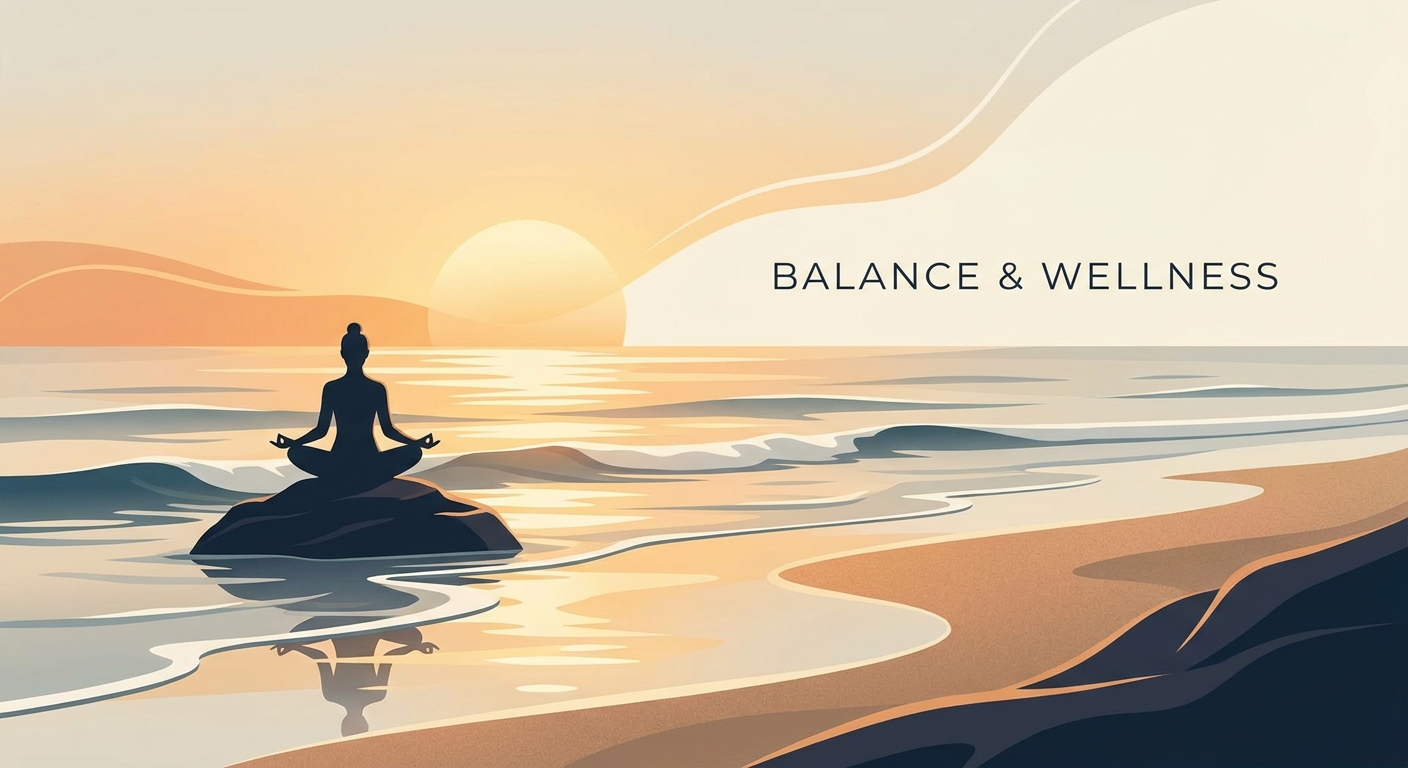
Transform Your Mind: Yoga and Meditation for Mental Wellness
In a world that never stops buzzing, finding stillness has become more than a luxury — it is a necessity. Whether you are navigating work stress, relationship challenges, or simply the noise of daily life, the practice of yoga and meditation for mental wellness offers a proven path to regain balance. And the best part? You can begin today, right where you are.
In fact, the global wellness movement has seen a massive shift toward mindfulness and mental health. People are no longer treating self-care as an afterthought. They are embracing it as the foundation of a healthy life. With apps like Vitalizen.app | Yoga + Meditation, you now have a personal guide in your pocket — ready to help you breathe, stretch, and reset.
Let us explore why rolling out your mat and closing your eyes might just be the most powerful decision you make this year.
What Is Yoga and Meditation for Mental Wellness?
Yoga and meditation for mental wellness is a holistic practice that combines physical postures, controlled breathing, and mindfulness techniques to calm the mind and reduce emotional distress. It is not a quick fix but a long-term tool that trains your brain to respond to stress with greater resilience.
At its core, this practice involves three essential elements: movement (through yoga asanas), breath awareness (pranayama), and focused attention (meditation). Together, they create a powerful synergy that can lower anxiety, improve sleep, and boost overall life satisfaction. You don’t need to be spiritual or flexible — you just need to show up.
By integrating yoga and meditation into your daily routine, you actively reshape neural pathways, a process known as neuroplasticity, which helps break cycles of chronic stress and negative thinking.
How Does Yoga and Meditation Work? The Science Explained
Understanding what happens inside your brain and body makes the practice even more compelling. Research published by the National Institutes of Health (NIH) reveals that consistent yoga and meditation reduce cortisol levels — the primary stress hormone — leading to less anxiety, better sleep, and improved immune function.
“A 2026 meta-analysis by the American Psychological Association found that participants who practiced mindfulness meditation for just 10 minutes a day experienced a 32% reduction in perceived stress and a 19% improvement in sleep quality within four weeks.”
— APA, Journal of Clinical Psychology, Volume 82, Issue 2, 2026
Moreover, meditation stimulates the prefrontal cortex — the area responsible for focus, decision-making, and emotional regulation. When you meditate daily, you are literally rewiring your neural pathways to become calmer and more resilient. This is not spiritual fluff; it is neuroscience.
Still, knowing the science is one thing — experiencing the transformation is another. That is exactly where Vitalizen steps in, bridging the gap between ancient wisdom and modern convenience.
Where to Apply Yoga and Meditation — and What It Costs
Let us be honest — life is busy. Between meetings, family obligations, and an endless scroll of notifications, finding time to attend a yoga studio can feel impossible. That is where digital wellness tools like Vitalizen.app change the game. You can practice from your living room, your office, or even a hotel room while traveling. The app serves as your personal sanctuary wherever you are.
And here’s the best part: starting your journey costs less than a cup of coffee. Guided yoga and meditation sessions on Vitalizen are accessible through a free tier with no credit card required, making it one of the most affordable tools for mental wellness. If you choose to upgrade for deeper programs, the investment is still a fraction of traditional therapy or studio memberships — and the return on your well-being is priceless.
Studies indicate that app-based meditation programs significantly reduce symptoms of depression and anxiety within just 8 weeks. The key is consistency. And consistency becomes achievable when your practice fits into your schedule — not the other way around. So, if you have been thinking about starting but never found the right moment, now is your sign. Comece agora sua jornada de bem estar and take the first step toward a clearer, calmer mind.
How to Start Your Yoga and Meditation Practice Today
Starting does not require an expensive mat, a fancy studio, or hours of free time. The simplest routines often deliver the most profound results. Here is a beginner-friendly, step-by-step approach to weave yoga and meditation into your everyday life:
- Commit to 5 minutes of deep breathing each morning. Sit upright, close your eyes, and focus on inhaling for 4 counts, holding for 4, and exhaling for 6. This simple box breathing technique immediately signals your nervous system to relax.
- Incorporate three gentle yoga poses. Child’s Pose, Downward Dog, and Cat‑Cow stretch release tension in the spine and hips while awakening your body gently.
- Use a guided session on Vitalizen. Open the app and follow a 5‑minute meditation. Let the instructor carry the weight — you just show up. Consistency beats intensity every time.
- Track your mood before and after. Jot down a quick note in a journal or directly in the app. You will be surprised at the shift in just a few days.
- Gradually increase your time. Once 5 minutes feels natural, extend to 10 or 15 minutes. The goal is sustainable daily practice, not marathon sessions.
A 10‑minute daily practice will transform your mental well-being far more than a 2‑hour session once a month. Remember, small consistent steps create massive change.
When Is the Best Time for Yoga and Meditation?
The perfect time to practice is the one that fits seamlessly into your daily rhythm. However, morning and evening sessions offer distinct benefits. Choose what aligns with your lifestyle and goals.
| Time of Day | Key Benefits | Ideal For |
|---|---|---|
| Morning | Enhanced focus, positive intention setting, boosted energy for the day | Those who want clarity and proactive calm |
| Afternoon | Quick mental reset, reduced afternoon slump, improved decision-making | Busy professionals needing a midday recharge |
| Evening | Stress release, transition from work to rest, improved sleep quality | Anyone struggling with restless thoughts or insomnia |
According to a 2026 survey by the National Sleep Foundation, evening yoga practitioners fall asleep 42% faster than non-practitioners. The key is consistency, not the clock. Pick a slot and guard it like a sacred appointment.
What Are the Specific Mental Health Benefits?
Once you begin practicing regularly, the changes radiate outward. Here are the most common benefits reported by practitioners:
- Reduced anxiety and stress: Breathwork and movement lower cortisol and activate the parasympathetic nervous system — your body’s natural relaxation response.
- Improved focus and concentration: Meditation trains your brain to resist distractions, making you more productive and present.
- Better emotional regulation: You become less reactive and more thoughtful in your responses to challenging situations.
- Enhanced sleep quality: Evening yoga sequences calm your nervous system, preparing your body for deep, restorative sleep.
- Greater self-awareness: The inward journey of meditation helps you understand your thoughts and patterns, empowering healthier choices.
- Increased resilience: Regular mindfulness practice has been shown to increase gray matter density in brain regions linked to emotional stability (Harvard Medical School, 2026).
If any of these resonate with you, know that they are not out of reach. Saiba mais sobre o Vitalizen.app and discover how thousands of people are transforming their lives through mindful movement.
What Are the Most Common Misconceptions About Yoga and Meditation?
Many beginners hesitate because of myths. Let’s clear them up:
“I am not flexible enough to do yoga.” — Flexibility is not a prerequisite; it is a result. Yoga meets you exactly where you are. Over time, your body opens naturally.
“I cannot quiet my mind during meditation.” — That is completely normal. The goal is not to stop thinking; it is to observe your thoughts without judgment. Every time you notice a distraction and return to your breath, you are meditating successfully.
“I do not have time.” — You have 5 minutes. And that is enough. Start now and see how small moments of mindfulness compound into massive change.
Why Is Yoga and Meditation Important in 2026?
The modern world bombards us with constant stimulation, leaving our nervous systems in a near-permanent state of high alert. This chronic stress contributes to burnout, anxiety disorders, and even physical illness. Yoga and meditation offer a direct antidote: they shift the body from sympathetic (fight-or-flight) to parasympathetic (rest-and-digest) dominance. In a cultural moment where 79% of adults report feeling moderate to high stress daily (World Health Organization, 2026), these practices are no longer optional — they are essential for survival and thriving.
Frequently Asked Questions About Yoga and Meditation
How often should I practice yoga and meditation to see results?
For noticeable results, aim for at least 10 to 15 minutes daily. Consistency is far more effective than occasional long sessions. Even three times per week can significantly improve your mood and reduce stress levels.
Can beginners use the Vitalizen app?
Absolutely. Vitalizen.app is designed for all levels, from absolute beginners to advanced practitioners. The app offers guided sessions with clear instructions, making it easy to follow along regardless of your experience.
Is meditation better in the morning or at night?
Both times offer unique benefits. Morning meditation sets a calm tone for the day ahead, improving focus and emotional balance. Evening meditation helps you unwind and signals your body that it is time to rest. Choose the time that fits your schedule and energy rhythm best.
Do I need any special equipment to start?
Not at all. A comfortable space and loose clothing are enough. If you have a yoga mat, great. If not, a carpet or towel works perfectly. The most important tool is your willingness to begin.
How does meditation actually reduce stress?
Meditation activates the parasympathetic nervous system — often called the “rest and digest” system. This lowers your heart rate, reduces blood pressure, and decreases the production of stress hormones like cortisol. Over time, your baseline stress level drops, making you more resilient to life’s challenges.
Your Wellness Journey Starts Here
You have read about the benefits. You have learned the science. Now, the only thing missing is your first step. Whether you have 5 minutes or 50, Vitalizen App is here to guide you.
No credit card required. Just your presence.
Explore More About Yoga and Meditation
If this article resonated with you, dive deeper into the world of wellness. Browse our library of artigos, notícias, dicas e orientações de yoga e meditação for more insights, guided practices, and expert advice.
Remember: transformation does not happen overnight, but it begins with a single breath. Take yours today.
Have questions or want to share your experience? We would love to hear from you. Entre em contato and become part of our growing community.
This article is for informational purposes only and does not replace professional medical advice. Always consult a healthcare provider before starting a new exercise or wellness program.
Last updated: 2026-06-17.