


How to Start a Morning Yoga & Meditation Routine for Calm & Focus
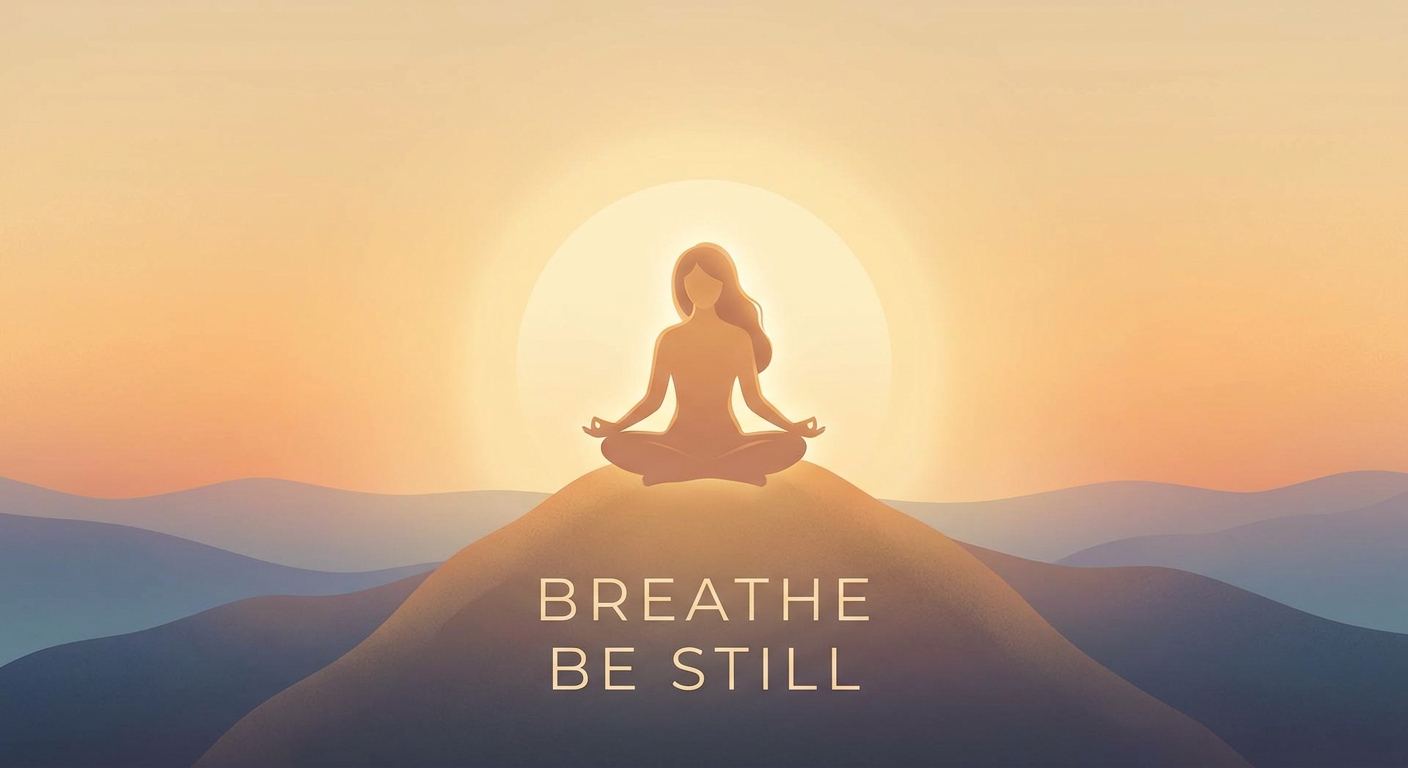
Discover how a simple morning yoga and meditation routine can transform your day. Learn practical poses, breathing techniques, and mindfulness tips to reduce stress and boost energy — all guided by Vitalizen App | Yoga + Meditation.
Do you ever wake up feeling already behind? Your mind races through the to-do list before your feet even hit the floor. You are not alone. In fact, millions of people struggle with morning anxiety. But here is the good news: a consistent yoga and meditation practice can flip that script entirely. Instead of rushing into chaos, you can step into your day grounded, calm, and focused.
At Vitalizen, we believe wellness is not a luxury — it is a daily practice. Whether you are a complete beginner or a seasoned practitioner, integrating mindfulness into your mornings is the single most powerful habit you can build. So, let us dive into a guide that will help you create a routine that actually sticks.
Why is a Morning Yoga & Meditation Routine Important?
Your morning sets the tone for everything that follows. Think about it: when you wake up stressed, you carry that tension into your work, your relationships, and even your meals. On the other hand, when you start with yoga and meditation, you activate your parasympathetic nervous system — the part of your body responsible for rest and relaxation. This shift lowers cortisol levels, improves focus, and enhances emotional stability throughout the day.
Moreover, studies show that practicing mindfulness in the morning can rewire your brain for greater resilience. You become less reactive and more intentional. Sounds good, right? The best part? You only need 10 to 15 minutes to feel the difference.
If you want to explore more about the science behind these benefits, check out this collection of articles and tips on yoga and meditation.
What is a Simple 10-Minute Morning Yoga & Meditation Flow?
Below is a simple sequence designed to wake up your body and quiet your mind. You can do this right in your bedroom — no fancy equipment needed.
How to Start with Conscious Breathing (2 Minutes)
Sit comfortably on your mat or bed. Close your eyes. Inhale deeply through your nose for four counts, hold for four counts, exhale for six counts. This breathing technique, known as extended exhale breathing, instantly calms your nervous system. Repeat this cycle five times.
How to Perform the Cat-Cow Stretch (2 Minutes)
Come onto all fours. Inhale as you drop your belly, lift your chest and tailbone (Cow Pose). Exhale as you round your spine, tuck your chin, and draw your navel in (Cat Pose). Move slowly, syncing each motion with your breath. This warms up your spine and releases overnight stiffness.
How to Do a Standing Forward Fold (2 Minutes)
Stand at the top of your mat. Exhale as you fold forward, letting your head hang heavy. Bend your knees slightly if needed. Hold for 10 slow breaths. This pose releases tension in your hamstrings, lower back, and neck — areas where most of us hold stress.
How to Flow Through a Sun Salutation (2 Minutes)
From your fold, step back into a high plank. Lower down with control into a gentle cobra or upward-facing dog, then push back into downward-facing dog. Hold for five breaths. Then step forward and rise to standing. Repeat this mini flow two to three times. You will feel your blood circulating and your energy rising.
How to Practice Seated Meditation (2 Minutes)
Find a comfortable seated position. Close your eyes. Bring your attention to the natural flow of your breath. If your mind wanders — and it will — gently bring it back without judgment. Set an intention for your day: “I choose calm.” or “I am present.”
That is it. Ten minutes. Done. If you want guided audio for each of these steps, start your wellness journey with Vitalizen App right here.
What Are Common Obstacles to a Morning Routine and How Do You Overcome Them?
Let us be real: building a new habit is not always easy. You might feel too tired, too busy, or simply unmotivated. Here is how to handle the most common roadblocks:
- “I have no time.” Start with just five minutes. Everyone has five minutes. Once you feel the benefits, you will naturally want to extend your practice.
- “I am not flexible enough.” Yoga is not about touching your toes. It is about connecting breath with movement. Learn more about what Vitalizen is all about — we welcome all levels.
- “My mind won’t stop racing.” That is normal. Meditation is not about emptying your mind; it is about noticing your thoughts without getting caught up in them.
- “I forget to do it.” Pair your practice with an existing habit, like brushing your teeth. Place your mat somewhere visible as a visual reminder.
By the way, the Vitalizen App includes built-in reminders and beginner-friendly programs that help you stay consistent. You essentially get a personal yoga and meditation coach in your pocket.
How Can You Deepen Your Yoga & Meditation Practice Over Time?
Once you have mastered the 10-minute routine, you can expand your practice in several meaningful ways. First, try increasing your meditation window from 2 to 10 minutes. Use a timer or a guided session inside the Vitalizen App to keep you on track.
Second, explore different styles of yoga. Hatha yoga is great for beginners because it focuses on holding poses with proper alignment. Vinyasa yoga, on the other hand, links breath with more dynamic movement. And restorative yoga uses props to support deep relaxation — perfect for stress relief.
Third, incorporate journaling into your morning ritual. After your meditation, write down three things you are grateful for. This simple act shifts your brain toward positivity and abundance, reinforcing the mindfulness you cultivated during your practice.
Lastly, consider joining a community. Practicing with others — even virtually — boosts accountability and connection. At Vitalizen, we offer community challenges and live-guided sessions to keep you inspired.
What is the Science Behind Yoga & Meditation for Stress Relief?
If you are the type who needs evidence before committing, here is what the research says. A 2018 study published in Frontiers in Human Neuroscience found that just eight weeks of regular yoga and meditation practice led to measurable reductions in stress markers and increased gray matter density in brain regions associated with emotional regulation and self-awareness.
Another study from JAMA Internal Medicine showed that mindfulness meditation programs significantly improve anxiety, depression, and pain symptoms. The mechanism is clear: these practices reduce activity in the amygdala — the brain’s fear center — while strengthening the prefrontal cortex, which governs rational thought and impulse control.
“Mindfulness meditation programs can improve anxiety, depression, and pain, with moderate evidence of improvement.” – JAMA Internal Medicine
For further reading, you can explore resources from the National Center for Complementary and Integrative Health or the Harvard Health Mind & Mood section.
Frequently Asked Questions About Morning Yoga & Meditation
Can I do yoga and meditation on an empty stomach?
Yes, it is actually recommended. Practicing yoga and meditation on an empty stomach — or at least two to three hours after a heavy meal — allows for deeper twists, forward folds, and breath work without discomfort. A small glass of warm water or herbal tea before practice is perfectly fine.
How long should a morning meditation session last?
For beginners, 2 to 5 minutes is enough. As you build consistency, aim for 10 to 20 minutes. The key is not the duration but the regularity. Five minutes every day beats 30 minutes once a week. The Vitalizen App offers timers and guided sessions for all experience levels.
What if I have back pain — can I still do yoga?
Absolutely. In fact, gentle yoga is one of the best remedies for chronic back pain. Poses like Cat-Cow, Child’s Pose, and Supine Twists can alleviate tension in the spine. However, always listen to your body and avoid any movement that causes sharp pain. Consult your healthcare provider before starting any new exercise program.
Is meditation the same as mindfulness?
Not exactly. Mindfulness is a quality of awareness — being fully present in the moment without judgment. Meditation is a structured practice that helps you cultivate that awareness. Think of it this way: meditation is the training ground, and mindfulness is the skill you carry into everyday life.
Do I need a yoga mat or special equipment?
No equipment is strictly necessary for the morning routine described above. A yoga mat adds comfort, especially on hard floors, but a carpet or towel works just fine. Wear something comfortable that allows you to move freely. Keep it simple — the goal is consistency, not perfection.
When is the Best Time to Start Your Morning Yoga & Meditation Routine?
You have the guide. You have the science. Now comes the most important part: taking action. Commit to trying this 10-minute morning yoga and meditation routine tomorrow. Seriously — set your alarm just ten minutes earlier and give it a shot.
And if you want extra support, download Vitalizen App | Yoga + Meditation. We offer carefully curated programs, guided audio sessions, progress tracking, and a supportive community that celebrates every step of your wellness journey. Whether you are looking to reduce stress, improve flexibility, or simply find a moment of peace in your busy day, we are here for you.
Ready to transform your mornings? Click here to begin your wellness journey now.
Have questions or want to share your experience? We would love to hear from you. Get in touch with our team here.