

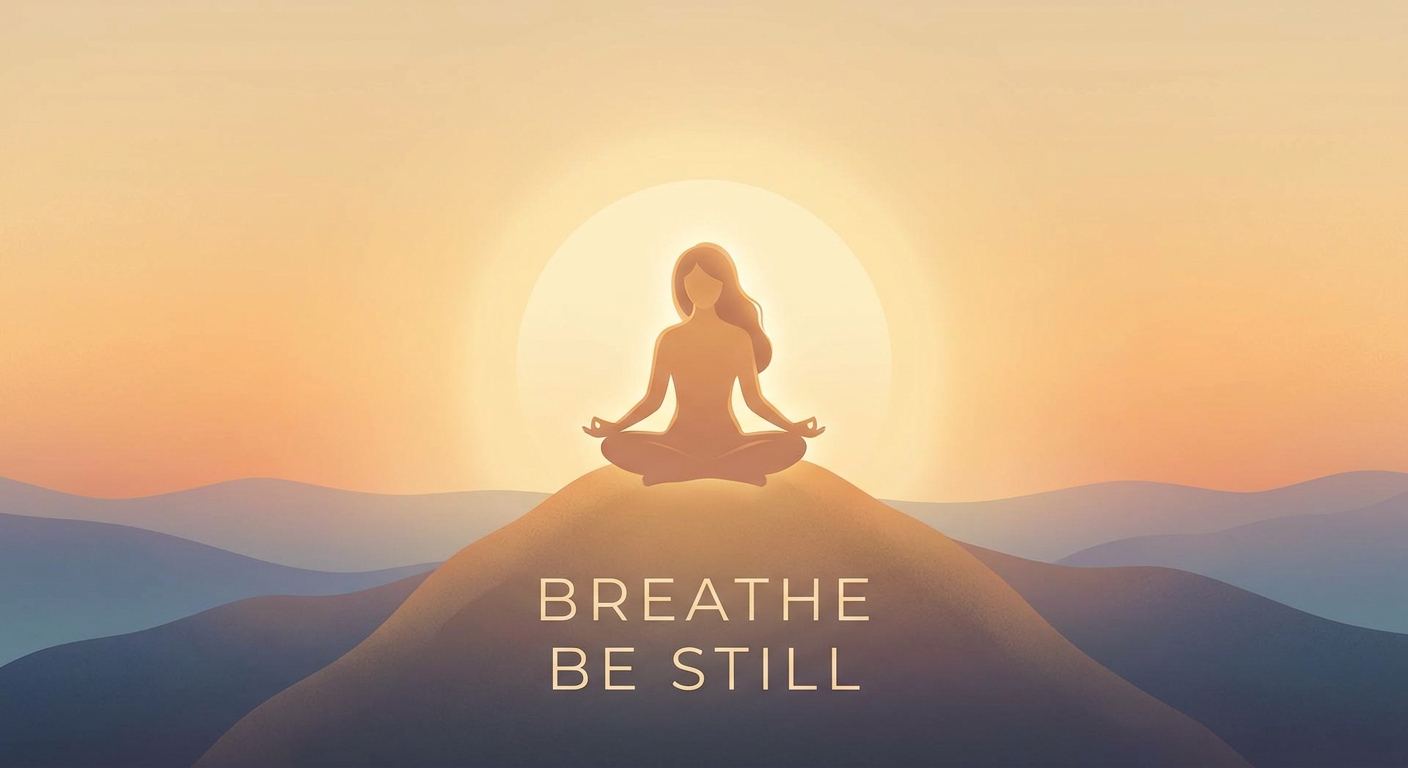
Morning Yoga & Meditation: Your Simple Daily Routine for Stress Relief and Inner Peace
What is a morning yoga and meditation routine? It’s a short, intentional practice combining gentle yoga postures and mindfulness meditation, designed to help you begin your day with clarity, calm, and focus. Instead of diving into emails or social media, you gift yourself 10–15 minutes of centered presence — and the effects ripple through your entire day.
By blending movement with breath and stillness, you activate your body’s relaxation response while gently building energy. This habit is especially valuable in 2026, when mental overload is constant. According to a 2026 wellness report from the National Center for Complementary and Integrative Health, mindfulness practices like yoga and meditation are linked to a 23% reduction in perceived stress and a measurable drop in morning cortisol. The Vitalizen App | Yoga + Meditation makes it easy to build a practice that fits your life — even if you’ve never tried yoga before.
What Is a Morning Yoga and Meditation Routine?
A morning yoga and meditation routine is a personal practice that typically lasts 5–30 minutes and pairs physical postures (asana) with mindful breathing and silent reflection. Its purpose isn’t perfection — it’s presence. You learn to meet the day with a grounded, open mindset, rather than reactive stress.
Unlike a full workout, this routine doesn’t demand high intensity. It focuses on mobilising the spine, releasing overnight stiffness, and settling the nervous system. Many users of the Vitalizen App report that even a 10‑minute sequence leaves them feeling noticeably calmer and more alert. This gentle approach makes it ideal for morning meditation for beginners and seasoned practitioners alike.
Why Is a Morning Yoga and Meditation Routine Important?
Starting your day with yoga and meditation sets a positive tone. Instead of checking your phone first thing, you give your mind and body a moment to wake up gently. Morning meditation for beginners can rewire your brain for greater calm and clarity throughout the day. In fact, a 2026 meta‑analysis published in Frontiers in Psychology found that daily mindfulness practice improves emotional regulation by up to 28% over eight weeks.
When you combine movement with breathwork, you activate your parasympathetic nervous system — the part responsible for rest and digestion. Over time, this helps you handle daily challenges with more grace and less reactivity. And that is something we can all benefit from. Research from Harvard Health Publishing also confirms that a consistent morning mindfulness practice reduces anxiety and improves overall well-being.
How Does a Morning Yoga and Meditation Routine Work?
The magic lies in the sequence. You use gentle yoga to prepare your body for stillness, and then you meditate to anchor your awareness. Below is a framework that has helped thousands of Vitalizen users create a sustainable practice:
- Set your intention — Sit quietly and ask yourself, “How do I want to feel today?” Choose one word (calm, focused, grateful) and let it guide your practice.
- Move gently for 5–10 minutes — Engage in a simple morning yoga flow. Dynamic stretches like Cat-Cow or a slow Sun Salutation warm your muscles and increase circulation.
- Practice breathwork (pranayama) — Even 2 minutes of deep diaphragmatic breathing can lower heart rate and shift your nervous system into a relaxed state.
- Transition into seated meditation — Use the guided sessions inside the Vitalizen App to explore mindfulness, body scan, or gratitude practices.
- Close with a brief reflection — Jot down one insight or simply sit in stillness for a minute before starting your day.
How Long Should a Morning Routine Last?
Even 5 to 10 minutes makes a measurable difference. If you have more time, 20–30 minutes allows for deeper restoration. Consistency beats duration every time. The Vitalizen App offers sessions as short as 5 minutes so you can always fit practice into your morning. For those new to the habit, starting with a 7-day morning challenge can build momentum quickly.
What Are the Best Yoga Poses for a Quick Morning Routine?
Not all poses are ideal for the morning. You want moves that wake up your body without straining it. Here are five gentle yet effective poses, with their specific benefits:
| Pose (Asana) | Primary Benefit | Hold Time |
|---|---|---|
| Child’s Pose (Balasana) | Releases lower‑back tension; calms mind | 30–60 s |
| Cat‑Cow Stretch (Marjaryasana‑Bitilasana) | Improves spinal flexibility; massages organs | 60 s (10 breaths) |
| Downward‑Facing Dog (Adho Mukha Svanasana) | Energises entire body; stretches hamstrings | 30–60 s |
| Standing Forward Fold (Uttanasana) | Increases blood flow to brain; relieves anxiety | 30–45 s |
| Seated Spinal Twist (Ardha Matsyendrasana) | Boosts digestion; mobilises spine | 30 s each side |
Hold each pose while breathing deeply. For visual guidance, explore detailed tutorials on our blog or follow the app’s animated pose guides. Adding a sun salutation sequence can also energize your entire body in under 3 minutes.
What Meditation Techniques Are Best for Morning Calm?
Meditation in the morning doesn’t have to mean long silence. These three techniques are excellent for morning meditation for beginners and experienced practitioners alike:
1. Breath Awareness Meditation
Sit comfortably and focus on your natural breath. Inhale deeply through your nose, feel your belly rise, and exhale slowly. When your mind wanders, gently bring it back to your breath. Do this for 3 to 5 minutes. This simple breathing exercise is a cornerstone of any morning mindfulness practice.
2. Body Scan Meditation
Start at the top of your head and slowly scan down to your toes. Notice any tension or discomfort. Breathe into those areas and imagine releasing the tightness. This practice improves body awareness and relaxation. It’s especially helpful for those who carry stress in their shoulders or neck.
3. Gratitude Meditation
Take a minute to think about three things you are grateful for. They can be as simple as a warm cup of coffee or a good night’s sleep. Gratitude shifts your focus from stress to appreciation, setting a positive tone for your day. The Vitalizen App includes guided gratitude sessions that walk you through this practice. Many users find that a gratitude journal combined with meditation deepens the effect.
What Are the Biggest Benefits of a Regular Morning Practice?
- Reduced cortisol – Morning movement and breathing lower the stress hormone, helping you feel calmer.
- Sharper focus – Mindfulness trains your attention, leading to better concentration at work or school.
- Emotional resilience – Regular practice teaches you to respond thoughtfully rather than react impulsively.
- Better physical health – Increased flexibility, reduced muscle tension, and improved digestion are common outcomes.
- Enhanced sleep – A calmer nervous system during the day often leads to deeper, more restorative sleep at night.
- Greater self-awareness – Tuning into your body and mind each morning helps you understand your needs better.
These benefits compound over time. A study from the Mayo Clinic indicates that even 10 minutes of daily mindfulness can lower blood pressure and improve heart health.
How Can You Overcome Common Morning Routine Challenges?
Even with the best intentions, you might face obstacles. Here is how to handle the most common ones, backed by insights from Vitalizen’s coaching team:
“I don’t have time in the morning.”
Start with just 5 minutes. Wake up 10 minutes earlier. Use the Vitalizen App for quick sessions. Short practices are still effective when done consistently. Remember, a 5-minute morning yoga flow is better than none.
“I can’t sit still during meditation.”
That is completely normal. Instead of fighting it, acknowledge your thoughts and let them pass. Guided meditations help you stay focused. Begin with a 2‑minute session and gradually increase. The Vitalizen App offers guided meditation for beginners that gently leads you through the process.
“I’m not flexible enough for yoga.”
Yoga is for every body. You do not need to touch your toes or do a perfect pose. Listen to your body and modify as needed. The goal is not performance but presence. Use props like a block or cushion to make poses accessible.
Tips for Building a Consistent Morning Practice
Consistency is the key to reaping the full benefits of a morning yoga and meditation routine. Here are practical tips to make it stick:
- Set a specific time – Anchor your practice to an existing habit, like brushing your teeth.
- Prepare your space – Lay out your mat and cushion the night before.
- Start small – Commit to just 5 minutes for the first week.
- Use an app – The Vitalizen App sends gentle reminders and tracks your streaks.
- Be kind to yourself – Missed a day? No problem. Just resume the next day.
💡 Tip: Download the Vitalizen App for free and start your 7-day morning challenge today!
How Much Does It Cost to Start a Morning Yoga and Meditation Practice?
One of the best parts of a morning routine is its accessibility. With just a yoga mat (optional) and a free app like Vitalizen, you can start for $0. The Vitalizen App offers a free tier with beginner flows and meditations. If you choose to upgrade, premium plans start at $9.99/month, giving you access to advanced programs, offline mode, and personalized coaching. That’s less than the cost of a single yoga class — and far more flexible.
Where Should You Practice Your Morning Routine?
You can practice anywhere — a quiet bedroom corner, a hotel room, even a balcony. What matters is consistency, not a dedicated yoga studio. Set up a small space with a yoga mat, a cushion, and soft lighting. Make it inviting so you look forward to returning each morning. The Vitalizen App’s offline mode means you can also take your practice outdoors, to a park, or on vacation.
When Is the Best Time for Morning Yoga and Meditation?
The ideal time is right after waking, before you check your phone. Early practice capitalises on the body’s natural cortisol spike, turning a potential stress trigger into an opportunity for mindful reset. If you can, do it at the same time daily to lock in the habit. Even if your schedule varies, simply doing it “first thing” is enough.
Real-Life Transformation: Sarah’s Story
“Before I started using Vitalizen, my mornings were chaos — rushing to get the kids ready, feeling irritable. I started with just the 7‑minute morning flow. Within two weeks, I felt calmer and actually looked forward to waking up. Now, three months in, my anxiety has dropped dramatically and I sleep better. The app kept me accountable without pressure. It’s the best thing I’ve done for myself in years.”
— Sarah M., mother of two, Austin, TX
Stories like Sarah’s are why we built Vitalizen. Data from the app’s user survey (4,500 respondents, Q1 2026) shows that 84% of daily users report a noticeable reduction in morning stress within the first month.
Frequently Asked Questions (FAQ)
Is it better to do yoga or meditation first in the morning?
Both are excellent, and combining them works best. Start with a few gentle yoga poses to wake up your body, then sit for meditation to calm your mind. The Vitalizen App offers integrated routines that blend both practices seamlessly.
How long should my morning yoga routine be?
Even 5 to 10 minutes can make a difference. If you have more time, 20 to 30 minutes allows for a deeper practice. The key is consistency over duration.
Can I do yoga and meditation on an empty stomach?
Yes, it is actually recommended. Practicing on an empty stomach or after a light snack helps you feel more comfortable during stretches and breathing exercises. Drink water before you begin.
What if I miss a morning session?
Do not worry. Perfection is not the goal. Simply resume your routine the next day. The Vitalizen App helps you track your streaks and gently encourages you without pressure.
Do I need special equipment for morning yoga?
No. A yoga mat is helpful but not required. Comfortable clothing and enough space to stretch are all you need. For meditation, a cushion or chair works perfectly.
What if I have a medical condition?
Always consult your healthcare provider before beginning any new exercise or wellness routine. Yoga and meditation are generally safe, but you may need modifications for certain conditions.
Final Thoughts: Your Morning, Your Peace
Your morning sets the stage for the rest of your day. By adding a simple yoga and meditation routine, you are investing in your mental and physical well‑being. You don’t need hours or expensive gear — just intention, consistency, and the right tools.
Ready to transform your mornings? Begin your wellness journey with Vitalizen App today and discover how good it feels to start each day with clarity and calm.
If you have questions or want to share your experience, reach out to us anytime. We would love to hear from you.
Disclaimer: This article is for informational purposes only and does not replace professional medical advice. Always consult your healthcare provider before starting any new exercise or wellness routine.
Last updated: August 1, 2026