

Morning Yoga & Meditation: 5 Steps to Start Your Day Right
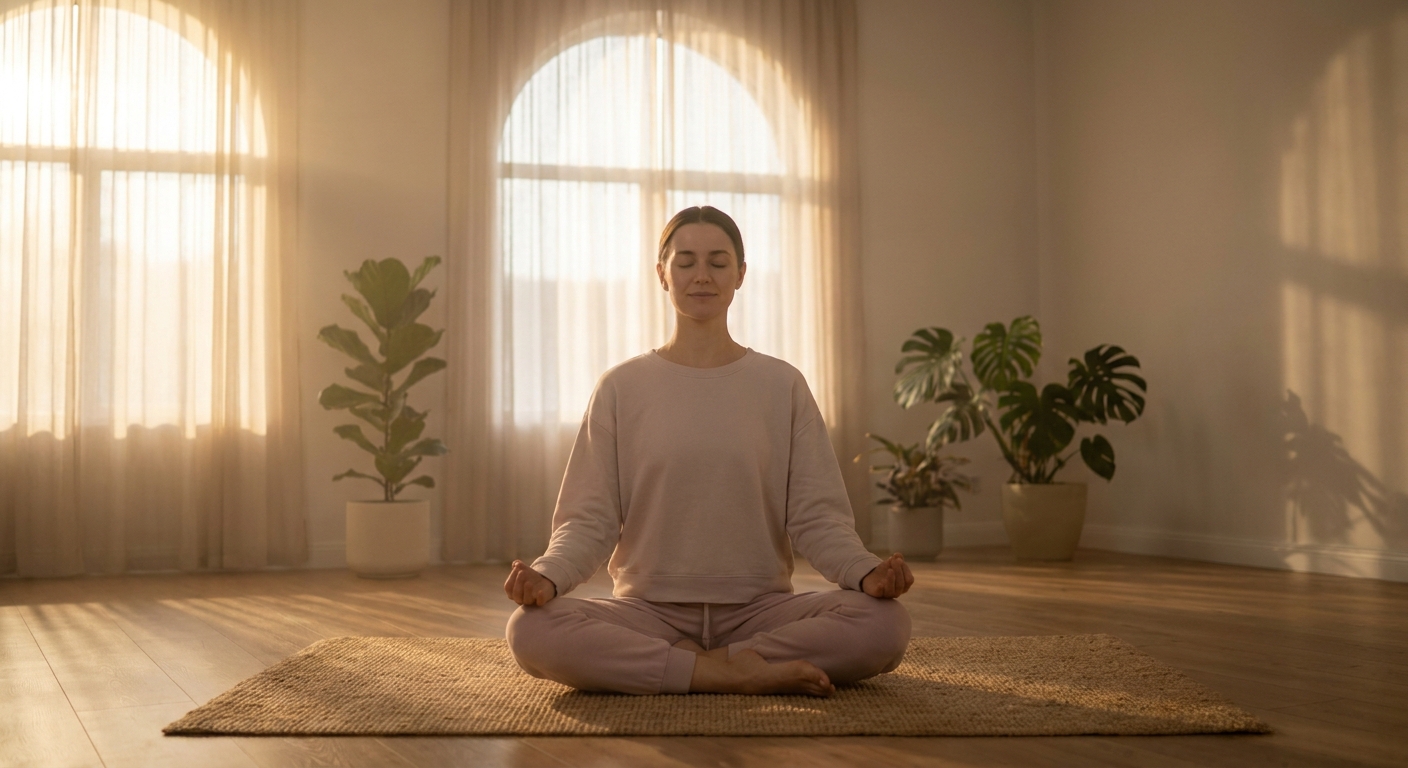
Have you ever woken up feeling already behind before your feet even hit the floor? You are not alone. Millions of people struggle with chaotic mornings that set a stressful tone for the rest of the day. However, there is a powerful antidote: a consistent morning yoga and meditation practice. By combining gentle movement with mindful stillness, you can completely reshape how you experience your mornings — and your life.
At Vitalizen App | Yoga + Meditation, we believe that wellness should be accessible, simple, and deeply personal. Whether you are a complete beginner or a seasoned practitioner, building a morning routine with yoga and meditation is one of the most transformative habits you can cultivate. Let us walk through five practical steps to make it happen.
Why Does a Morning Yoga and Meditation Routine Work So Well?
The science is clear: our brains are most receptive to new habits in the first hour after waking. This is because your cortisol levels naturally peak in the morning, giving you a window of alertness and focus. When you channel that energy into a morning yoga flow and a short meditation session, you are essentially programming your nervous system for calm and clarity.
Moreover, research published in the Journal of Clinical Psychology shows that consistent morning mindfulness practices reduce anxiety by up to 38% over eight weeks. That is not just a statistic — it is a life-changing shift. And the best part? You do not need an hour. Even 10 to 15 minutes of morning yoga and meditation can deliver measurable results.
If you are curious about the deeper benefits, check out our articles, news, tips, and guides on yoga and meditation for more science-backed insights.
Additional studies from the National Institutes of Health confirm that regular meditation alters brain regions associated with stress regulation. Meanwhile, a Harvard Health Publishing article highlights how yoga reduces cortisol and boosts GABA, a neurotransmitter that promotes relaxation. These findings underscore why a morning yoga and meditation routine is so effective.
What Are the 5 Steps to Build a Morning Yoga and Meditation Practice?
Step 1: Set Your Intention the Night Before
Believe it or not, a successful morning routine starts the evening prior. Before you go to sleep, take two minutes to decide what time you will wake up and what your practice will look like. Will you do a 10-minute gentle yoga flow? A 5-minute breathing meditation? Both?
By making this decision ahead of time, you remove the friction of choice in the morning. This is a core principle of habit formation — and it works. You can even set a reminder inside the Vitalizen App to keep yourself accountable.
To make this step even more effective, write down your intention on a sticky note and place it on your nightstand. For example: “Tomorrow I will do 10 minutes of morning yoga and 5 minutes of meditation.” This simple act reinforces your commitment and primes your brain for action.
Step 2: Wake Up with Gentle Movement, Not Your Phone
Here is a hard truth: checking your phone first thing in the morning floods your brain with dopamine and cortisol spikes that hijack your focus. Instead, keep your phone on airplane mode and start with gentle morning yoga stretches right in bed or on a mat beside it.
Try these three simple poses:
- Child’s Pose (Balasana): Kneel on the mat, sit back on your heels, and stretch your arms forward. Breathe deeply for 5 breaths.
- Cat-Cow Stretch (Marjaryasana-Bitilasana): On all fours, alternate between arching and rounding your spine. Repeat 8 times.
- Forward Fold (Uttanasana): Stand, fold forward from the hips, and let your head hang heavy. Hold for 6 breaths.
These poses wake up your spine, improve circulation, and signal to your body that it is safe to transition into the day. For guided sequences, the Vitalizen App offers beginner-friendly morning flows that you can follow along with.
If you have limited space, try a seated version of these stretches. The key is to move mindfully and connect with your breath. Even 5 minutes of morning yoga can make a difference.
Step 3: Sit in Stillness — Even for Just 3 Minutes
After movement comes stillness. Meditation does not have to be complicated. In fact, the simpler it is, the more likely you are to stick with it. Sit comfortably, close your eyes, and bring your attention to the natural rhythm of your breath.
When your mind wanders — and it will — gently guide it back to your inhale and exhale. That is it. That is the practice. Over time, this builds what neuroscientists call attentional control, which helps you stay focused and calm throughout the day.
If sitting in silence feels intimidating, try a guided meditation. The Vitalizen App includes dozens of guided sessions designed for every experience level.
For beginners, start with just 3 minutes. As you become more comfortable, gradually increase to 5, 10, or even 15 minutes. Consistency matters more than duration. A short daily morning meditation is far more beneficial than a long session you only do once a week.
Step 4: Breathe with Purpose
Your breath is your most powerful tool for regulating your nervous system. A simple technique like Box Breathing (inhale for 4 counts, hold for 4, exhale for 4, hold for 4) can shift you from fight-or-flight mode to rest-and-digest mode in under two minutes.
Incorporate 2 to 3 minutes of conscious breathing right after your yoga flow or meditation. This bridges the physical and mental aspects of your practice, creating a seamless transition into your day.
Other effective breathing techniques include:
- 4-7-8 Breathing: Inhale for 4 counts, hold for 7, exhale for 8. This promotes deep relaxation.
- Nadi Shodhana (Alternate Nostril Breathing): Balances the left and right hemispheres of the brain, enhancing calm and focus.
Experiment with different techniques to find what works best for you. The Vitalizen App includes a dedicated breathing section with timers and guided exercises.
Step 5: Carry the Calm Into Your Morning
The final step is integration. After your practice, do not rush immediately into emails or social media. Instead, take a moment to drink a glass of water, write down one intention for the day, or simply sit with the calm you have cultivated.
This is where the real transformation happens. A morning yoga and meditation routine is not just about the 15 minutes on the mat — it is about how that practice ripples outward into every decision, interaction, and moment that follows.
To deepen integration, try these post-practice rituals:
- Journal for 2 minutes about how you feel.
- Set a daily intention (e.g., “Today I will respond with patience”).
- Enjoy a mindful cup of tea or coffee without screens.
Ready to build your own routine? Start your wellness journey with Vitalizen today and discover how simple and rewarding a daily practice can be.
What Are the Common Mistakes Beginners Make with Morning Yoga?
Starting a new habit is exciting, but it is easy to fall into a few common traps. Here is what to watch out for:
- Overcomplicating the routine: You do not need fancy equipment or hour-long sessions. Start small and build consistency first.
- Skipping rest days: Rest is part of the practice. Listen to your body and take breaks when needed.
- Comparing yourself to others: Your practice is yours alone. Avoid the comparison trap — especially on social media.
- Giving up after one missed day: Perfection is not the goal. Consistency over time matters far more than never missing a session.
- Ignoring your body’s signals: Pain is not gain in yoga. Modify poses as needed and never force a stretch.
For more guidance, feel free to contact our team at Vitalizen. We are here to help you succeed.
Additional Tips for a Successful Morning Yoga and Meditation Routine
Beyond the five steps, here are some extra strategies to make your practice stick:
- Create a dedicated space: Even a corner of your bedroom with a mat and a candle can signal to your brain that it is time for practice.
- Use the same playlist: A calming morning playlist can become a powerful auditory cue for relaxation.
- Track your progress: Use the Vitalizen App to log your sessions and see your streak. Visual progress motivates consistency.
- Involve a friend: Share your morning yoga and meditation routine with a friend or join a community for accountability.
- Be flexible with timing: If you miss your usual morning window, do a shorter practice later. Something is always better than nothing.
Remember, the goal is not perfection but progress. Every morning yoga and meditation session, no matter how short, is a victory.
Frequently Asked Questions About Morning Yoga and Meditation
How long should a morning yoga and meditation routine be?
For beginners, 10 to 15 minutes is ideal. As you build consistency, you can extend to 20 or 30 minutes. The key is not the duration but the regularity of your practice. Even 5 minutes of morning yoga and meditation is better than skipping entirely.
Do I need a yoga mat or special equipment?
Not at all. While a yoga mat can provide comfort, you can practice on any flat, non-slip surface. Wear comfortable clothing and use a cushion or folded blanket for seated meditation if needed. The Vitalizen App offers routines that require zero equipment.
Can I do morning yoga and meditation if I am not flexible?
Absolutely. Yoga is not about being flexible — it is about becoming more aware of your body and breath. Many poses can be modified, and meditation requires no physical flexibility at all. The Vitalizen App includes beginner-friendly modifications for every pose.
What is the best time to practice morning yoga?
Ideally, practice within the first hour after waking up. This aligns with your body’s natural cortisol peak and helps set a calm tone for the day. However, the best time is whatever time you can consistently commit to.
How is Vitalizen App different from other yoga and meditation apps?
Vitalizen App combines yoga and meditation into one seamless experience. Our sessions are designed by certified instructors, tailored for all levels, and focused on real-world results. Plus, our morning routines are specifically crafted to help you start your day with intention and calm. Try it free and see the difference for yourself.
Can I combine morning yoga with other exercises?
Yes, many people enjoy adding a short walk or light stretching after their morning yoga and meditation. The key is to keep the overall routine gentle and mindful. Avoid high-intensity workouts immediately after your practice, as they may disrupt the calm you have cultivated.
Your Morning, Transformed
Building a morning yoga and meditation routine is one of the most rewarding investments you can make in your health and happiness. It does not require perfection, expensive gear, or hours of your time. All it takes is a willingness to show up for yourself — one breath, one pose, one morning at a time.
And you do not have to do it alone. The Vitalizen App is your companion on this journey, offering guided yoga flows, meditation sessions, breathing exercises, and personalized recommendations that grow with you.
Ready to transform your mornings? Start your free trial today and experience what a truly intentional morning feels like.
💡 Tip: Download our free morning routine checklist to keep your practice on track. Get it here.