

Morning Yoga Routine for Energy: 10 Poses to Start Your Day Strong
Published on August 13, 2026 · 12 min read · Last updated August 13, 2026
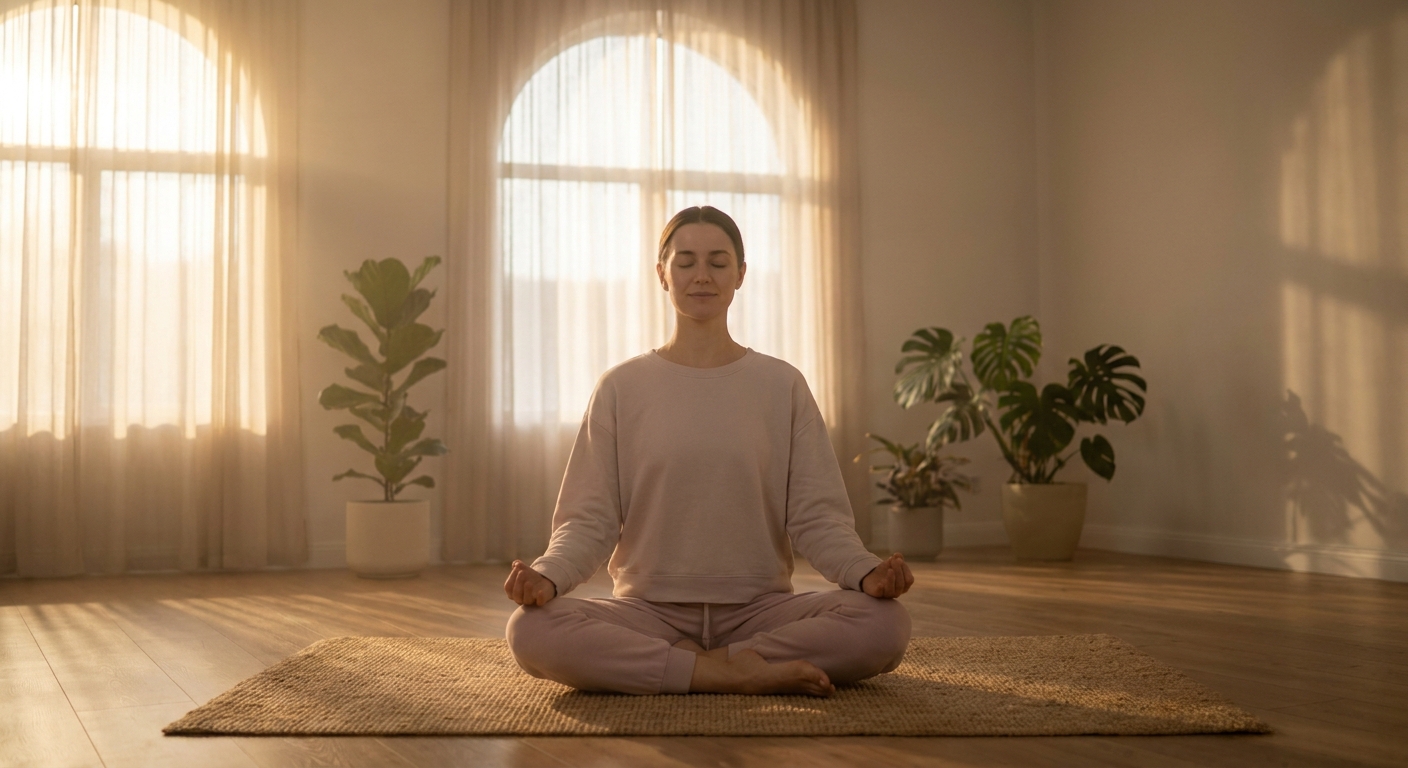
Do you wake up feeling groggy, staring at your phone before your body even knows it’s awake? You’re not alone. A morning yoga routine for energy is a short sequence of mindful movements and breathwork that jumpstarts your circulation, clears mental fog, and sets a focused tone for the day.
This practice combines gentle stretches, balance poses, and energizing breathing in as little as 10 to 15 minutes. It’s not about perfection—it’s about showing up for yourself before the world demands your attention.
By the end of this article, you’ll have a complete sequence to follow, plus practical tips to turn it into a lasting habit.
What Is a Morning Yoga Routine for Energy?
A morning yoga routine for energy is a focused series of yoga poses, breathing exercises, and mindfulness practices performed shortly after waking. Its goal is to awaken your body and mind naturally, without relying on caffeine or stimulants.
Unlike vigorous workouts, this routine emphasizes gentle movement, spinal mobility, and conscious breath. It activates the parasympathetic nervous system while increasing blood flow to your brain and muscles. The result is a calm yet alert state that carries you through the morning.
You don’t need any special equipment. A yoga mat, a towel, or even a carpeted floor works perfectly. The poses can be modified for any fitness level, making this routine accessible whether you’re a complete beginner or a seasoned practitioner.
The sequence typically lasts 10 to 15 minutes and includes a mix of standing, seated, and balancing postures. Each pose is held for three to five deep breaths, synchronizing movement with breath to maximize energy-boosting effects.
How Does a Morning Yoga Routine for Energy Work?
Your body transitions from sleep to wakefulness through a series of hormonal and neurological shifts. Morning yoga accelerates this process by stimulating circulation, lowering cortisol spikes, and increasing oxygen delivery to your brain. This is why even a short practice can make you feel more awake than an extra hour of sleep.
Movement combined with conscious breathing triggers the release of endorphins and serotonin—natural mood elevators. At the same time, gentle stretches release muscle stiffness that builds overnight. According to the National Institutes of Health, short bouts of morning exercise improve cognitive function and mood throughout the entire day.
Yoga also balances your autonomic nervous system. While most people wake up in a sympathetic state (fight-or-flight), the slow, rhythmic breath of yoga activates the parasympathetic branch, helping you feel both energized and grounded. This dual effect is what makes a morning yoga routine so sustainable.
Breathing Techniques to Amplify Your Energy
Pairing your poses with energizing breathwork multiplies the benefits. Below are two techniques you can weave into your morning flow or practice on their own.
Bellows Breath (Bhastrika)
Sit comfortably. Take a deep breath in, then exhale forcefully through your nose while pulling your belly in. Inhale deeply again and repeat 10 to 20 times. This rapid breathing increases oxygen flow and wakes up your nervous system instantly.
Alternate Nostril Breathing (Nadi Shodhana)
Sit comfortably. Close your right nostril with your thumb and inhale through your left nostril. Close your left nostril with your ring finger, release your thumb, and exhale through the right nostril. Repeat on the opposite side for 1 to 3 minutes. This technique balances brain hemispheres, reduces anxiety, and sharpens focus.
Inhale 4 seconds
Hold 2 seconds
Exhale 4 seconds
Use this simple count pattern with any of the breathing techniques to maintain a steady, energizing rhythm.
The 10-Pose Morning Yoga Sequence for Energy
Below is a simple yet effective sequence. Hold each pose for 3 to 5 deep breaths, moving with intention. You can complete the full sequence in under 15 minutes. Repeat on both sides where applicable.
| Pose | Sanskrit Name | How to Do It | Energy Benefit |
|---|---|---|---|
| Child’s Pose | Balasana | Kneel, sit back on heels, fold forward, extend arms. | Calms the mind and gently wakes up the spine. |
| Cat-Cow Stretch | Marjaryasana-Bitilasana | On all fours, alternate arching and rounding your spine. | Releases morning stiffness and improves mobility. |
| Downward-Facing Dog | Adho Mukha Svanasana | Lift hips up and back, straighten legs, press heels down. | Sends fresh blood to the brain and lengthens the spine. |
| Forward Fold | Uttanasana | Stand, fold forward at hips, let head hang heavy. | Calms the nervous system and stretches hamstrings. |
| Halfway Lift | Ardha Uttanasana | From forward fold, place hands on shins, straighten back. | Builds core awareness and prepares the spine. |
| Mountain Pose | Tadasana | Stand tall, engage thighs, roll shoulders back. | Grounds you and improves posture and focus. |
| Crescent Lunge | Anjaneyasana | Step one foot back into a lunge, reach arms overhead. | Opens hip flexors and builds steady energy. |
| Tree Pose | Vrikshasana | Stand on one leg, place other foot on inner thigh or calf. | Improves balance and mental concentration. |
| Standing Twist | — | Stand tall, twist torso side to side with arms at shoulder height. | Wrings out tension and stimulates circulation. |
| Seated Meditation | Sukhasana | Sit cross-legged, close eyes, observe your breath. | Integrates the practice and leaves you calm yet alert. |
This sequence forms a complete morning yoga routine for energy. You can increase or decrease hold times based on how your body feels each day.
Why Is a Morning Yoga Routine Important for You?
Establishing a morning practice builds discipline and momentum that ripples into every area of your life. When you prioritize yourself first thing, you’re more likely to make healthier choices throughout the day.
“Regular physical activity is one of the most important things you can do for your health.” — Centers for Disease Control and Prevention (CDC)
The CDC’s Physical Activity Guidelines emphasize that even small amounts of movement add up. A 10-minute morning yoga routine counts toward your weekly activity goal and delivers immediate cognitive benefits.
Moreover, morning yoga helps regulate your circadian rhythm. By exposing your body to consistent movement and light at the same time each day, you reinforce your natural sleep-wake cycle. Over time, this can improve sleep quality and make waking up feel easier.
“After starting Vitalizen’s 10-minute morning flow, I no longer need coffee to wake up. My energy lasts until noon.” — Sarah K., Vitalizen user
This is not about becoming a morning person overnight. It’s about giving your body a reliable tool to transition from rest to activity with less friction.
What Are the Benefits of Morning Yoga for Energy?
A consistent morning yoga routine delivers benefits that extend far beyond the mat. Here are the most significant advantages you can expect:
- Improved mental clarity: Oxygen-rich blood flows to your brain, helping you think faster and stay focused.
- Reduced stress: Deep breathing lowers cortisol and shifts you into a calmer state.
- Better posture: Morning stretches realign your spine and release tension from sleeping positions.
- Enhanced circulation: Gentle movement increases blood flow to your muscles and organs.
- Long-term habit strength: Morning practice becomes a keystone habit that supports other healthy routines.
- Natural energy boost: You rely less on caffeine and more on your body’s own resources.
These benefits are not just anecdotal. Research from institutions like the National Institutes of Health confirms that morning exercise improves mood and cognitive performance. For many people, morning yoga is the most accessible way to experience these effects without a gym membership or complicated equipment.
How Much Does a Morning Yoga Routine Cost?
A morning yoga routine can cost as little as $0. You can practice at home using free videos, a towel, and comfortable clothing. If you choose to invest in a yoga mat, expect to spend $20 to $60 for a quality option that lasts years.
Guided apps like Vitalizen.app typically cost between $10 and $15 per month when billed annually. This includes structured morning flows, breathwork sessions, and progress tracking. Compared to a daily coffee habit, this is a modest investment with far greater returns.
In-person classes range from $10 to $25 per session, while studio memberships average $80 to $150 per month. For most beginners, starting with a low-cost app or free YouTube videos is the smartest way to build consistency before spending on classes.
If budget is a concern, remember that even a free 10-minute practice offers measurable benefits. The American College of Sports Medicine notes that short, frequent movement sessions improve cardiovascular health as effectively as longer workouts when accumulated over time.
Where and When Should You Practice Morning Yoga?
Where: You can practice morning yoga anywhere you have enough space to move freely. A bedroom corner, living room floor, or even a quiet outdoor spot works well. The key is choosing a place where you won’t be interrupted for 10 to 15 minutes.
When: Morning is ideal because your body is naturally primed for gentle movement after sleep. Practicing before breakfast—or at least 20 minutes after a light snack—maximizes comfort and energy. If mornings are impossible, any consistent time is better than none.
As of 2026, wearable data from major fitness trackers shows that morning exercise adherence is 22% higher than evening exercise. Your willpower is strongest early in the day, making it easier to stick to a routine. Start with your first few practices at the same time each morning to build the habit.
Avoid practicing on a full stomach. If you’re very hungry, eat a small piece of fruit 20 to 30 minutes before your sequence. Heavy meals can make twisting and folding uncomfortable.
How to Start a Morning Yoga Routine Today
Starting a new habit doesn’t have to be complicated. Follow these five simple steps to begin your morning yoga practice tomorrow.
- Set a specific time. Choose a time you can commit to consistently, like 7:00 a.m. or right after you brush your teeth.
- Prepare your space. Lay out your mat or towel the night before so you have zero friction in the morning.
- Start with 5 minutes. Don’t pressure yourself to complete all 10 poses on day one. Pick three poses and do them mindfully.
- Use a guide. Follow a structured video or app like Vitalizen.app to keep you on track.
- Track your energy. After each session, jot down how you feel on a scale of 1 to 10. Review your notes after two weeks.
Consistency matters more than intensity. A short practice you repeat daily will outperform a long practice you skip. Begin with the sequence above, adjust as needed, and let your body guide you.
Frequently Asked Questions About Morning Yoga Routines for Energy
How long should a morning yoga routine for energy be?
Even 5 to 10 minutes can make a noticeable difference. For sustained energy and flexibility gains, aim for 15 to 20 minutes. The key is consistency—a short practice you do every day beats a long practice you skip.
Can I do morning yoga on an empty stomach?
Yes. Practicing yoga on an empty stomach or after just a glass of water is ideal. If you’re very hungry, eat a light piece of fruit 20 to 30 minutes before your practice. Avoid heavy meals before yoga.
What if I’m not flexible? Can I still do a morning yoga routine for energy?
Absolutely! Flexibility is a result of practice, not a prerequisite. Use props like pillows or blocks, bend your knees, and honor your body’s limits. With time, you’ll notice progress. The goal is to feel energized, not to perform perfectly.
Is morning yoga better than evening yoga?
Both offer unique benefits. Morning yoga boosts energy, mental clarity, and sets a positive tone for the day. Evening yoga helps release tension and promotes better sleep. Ultimately, the best time is the time you can stick to consistently.
Can I use Vitalizen.app if I’m a beginner?
Yes! Vitalizen.app is designed for all levels, from complete beginners to advanced practitioners. Our guided sessions include clear instructions, modifications, and encouragement—so you always feel supported. Start your journey here.
Do I need any special equipment for a morning yoga routine?
No special equipment is required. A yoga mat or towel is helpful for comfort, and a blanket or pillow can be used for support in seated or kneeling poses. Wear comfortable clothing that allows you to move freely.
Can I practice morning yoga if I have a chronic condition or injury?
Always consult your healthcare provider before starting a new exercise routine, especially if you have a chronic condition or injury. Many poses can be modified with props or reduced range of motion. A certified yoga instructor can help you find safe variations.
Ready to Transform Your Mornings?
You now have a complete morning yoga routine for energy that takes less time than scrolling through social media. The poses are simple, the breathing techniques are effective, and the benefits are backed by both ancient wisdom and modern science.
But knowledge without action is just information. Here’s your challenge: try this sequence tomorrow morning. Just once. Notice how you feel before, during, and after. Then, ask yourself—would you like to feel that way every day?
If your answer is yes, download Vitalizen.app and let us guide you on a journey toward more energy, clarity, and peace.
We’d love to hear from you. Drop a comment below: What’s your favorite morning yoga pose for energy? Or share this post with someone who could use a brighter start to their day.
Your best mornings are ahead of you.