

Morning Yoga and Meditation: Build a Mindful Start Routine
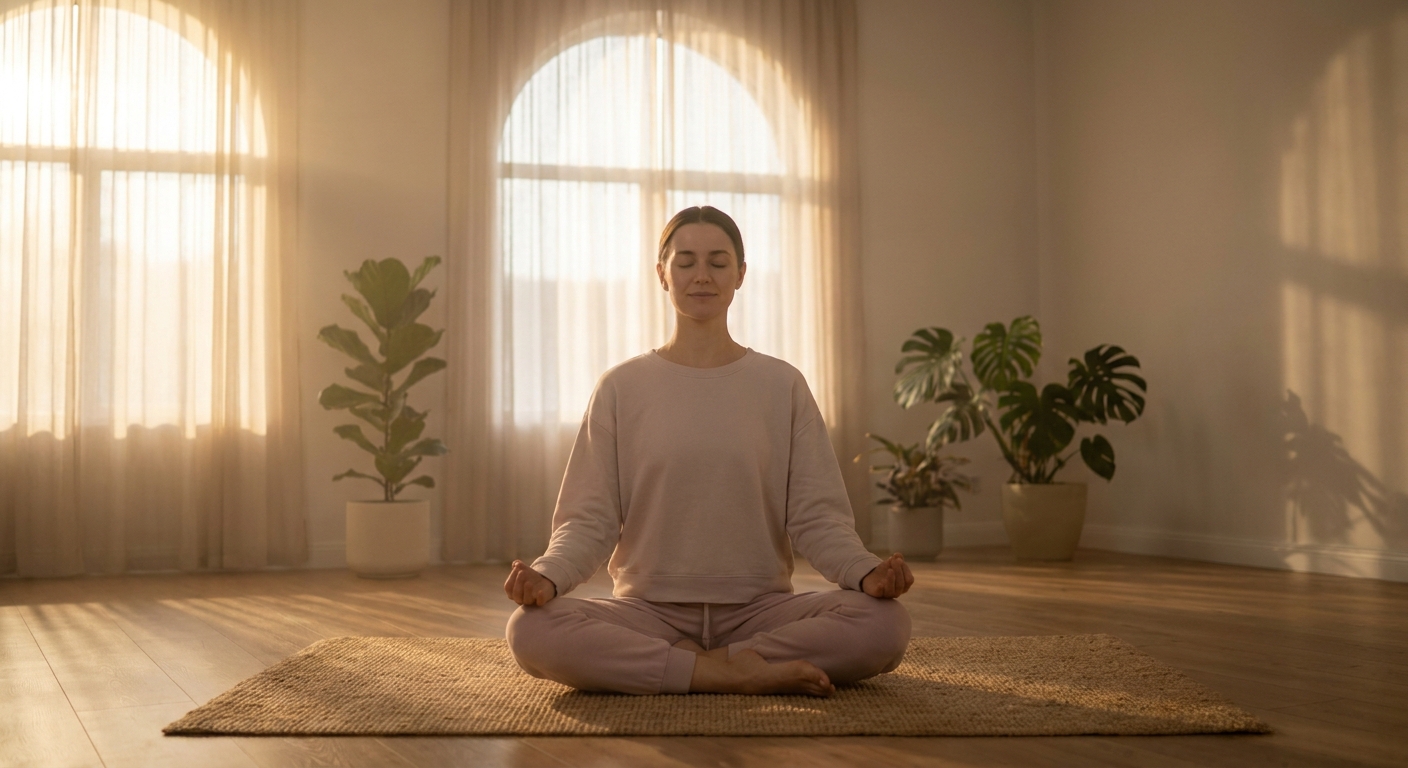
Morning yoga and meditation is a combined practice that pairs gentle physical postures with focused breathing and mental stillness. It helps you transition from sleep to wakefulness with clarity instead of stress. Unlike a full workout or lengthy meditation retreat, a morning routine can take just 10 to 15 minutes and still deliver meaningful benefits.
You do not need perfect flexibility or years of experience. You just need a quiet space and the willingness to show up for yourself before the world makes its demands. This guide explains how to build a sustainable morning ritual, why it works, and how the Vitalizen App | Yoga + Meditation can support you every step of the way.
What Is Morning Yoga and Meditation?
Morning yoga and meditation is a short, intentional practice performed shortly after waking. It typically includes three core elements: gentle yoga poses to release stiffness, breathwork to activate calm, and seated meditation to center your attention. Together, they reset your nervous system before the demands of the day begin.
This practice differs from an evening wind-down because its purpose is to prepare you for action, not promote sleep. It builds energy, focus, and emotional balance without caffeine or screen time. The key is consistency: a 10-minute routine done daily often outperforms a 60-minute session done sporadically.
Core Characteristics of a Morning Practice
- Physical activation: Gentle movement increases blood flow and reduces morning stiffness.
- Mental clarity: Focused breathing lowers mental chatter and improves attention.
- Emotional regulation: Setting an intention and practicing gratitude shifts your mood.
- Habit formation: A repeatable sequence builds discipline without relying on motivation.
How Does a Morning Practice Work?
- Warm up the body: Slow, controlled movements signal to your nervous system that it is safe to relax.
- Deepen the breath: Diaphragmatic breathing stimulates the vagus nerve, reducing cortisol and heart rate.
- Train attention: A short meditation strengthens the prefrontal cortex, improving focus and emotional balance.
- Set a positive tone: Gratitude and intention direct your brain toward constructive thoughts for the rest of the day.
Why Is a Morning Yoga and Meditation Routine Important?
Your morning sets the tone for the entire day. When you start with mindfulness and movement, you are programming your nervous system for calm and focus. Studies show that combining yoga with meditation in the morning can reduce cortisol levels, improve emotional regulation, and boost cognitive performance throughout the day.
“A consistent morning mindfulness practice changes how the brain responds to stress, making you less reactive and more resilient.” — Harvard Health Publishing, 2025 update on meditation and the brain
This is not just spiritual talk. Deep breathing activates the parasympathetic nervous system, lowering heart rate and blood pressure. Meanwhile, gentle movement releases endorphins and serotonin, the “feel-good” neurotransmitters. The result is a quieter mind and a more stable mood before you reach for your phone.
If you want to understand more about how mindfulness rewires the brain, explore our articles, news, tips, and guidance on yoga and meditation.
How Can You Build a Morning Yoga and Meditation Routine?
You do not need an hour. A 10- to 15-minute sequence is enough to create a meaningful shift. The key is consistency, not duration. Follow these four steps every morning:
- Wake up with intention (1 minute): Before you get out of bed, take one deep breath. Place your hand on your heart and set an intention for the day. It could be as simple as “I choose calm” or “I am open to today.” This anchors your mind.
- Gentle stretching and yoga poses (5–7 minutes): Move your body slowly. Hold each pose for three to five deep breaths. You do not need to be a contortionist—beginner-friendly poses work best.
- Seated meditation (3–5 minutes): Find a comfortable seated position. Close your eyes and bring your attention to your breath. Inhale deeply through your nose, exhale slowly through your mouth. If your mind wanders, gently bring it back. No judgment. Just practice.
- Gratitude and closing (1 minute): End your practice by naming three things you are grateful for. They can be small: the warmth of your blanket, the silence of the morning, the fact that you showed up for yourself. Gratitude shifts your focus from lack to abundance.
For guided instruction, open the Vitalizen App and start your wellness journey right now. Every session includes voice guidance, visual demonstrations, and calming background music. If you are especially new to meditation, the Vitalizen App offers guided sessions that walk you through breathing techniques, body scans, and visualization exercises.
Beginner-Friendly Yoga Poses to Include
- Cat-Cow Pose (Marjaryasana-Bitilasana): Warms up the spine and releases tension in the back.
- Downward-Facing Dog (Adho Mukha Svanasana): Stretches the hamstrings, shoulders, and calves while calming the mind.
- Tree Pose (Vrksasana): Improves balance and focus, grounding your energy for the day ahead.
A Simple Breathing Technique to Calm Your Mind
Use this box breathing pattern during your meditation or whenever you feel rushed:
Inhale through your nose for 4 counts.
Hold your breath for 4 counts.
Exhale through your mouth for 4 counts.
Hold empty for 4 counts.
Repeat for 5 cycles.
What Are the Main Benefits of Morning Yoga and Meditation?
Research and user experience consistently highlight several key benefits. Here is how different routine lengths can serve you:
| Routine Length | What It Includes | Main Benefit |
|---|---|---|
| 5 minutes | 3 poses + 2-minute breathing | Quick reset and energy boost |
| 10 minutes | 5 poses + 5-minute meditation | Reduced stress and better focus |
| 15 minutes | Full sequence + guided meditation | Emotional balance and clarity |
| 30 minutes | Extended yoga + deep meditation | Deep relaxation and resilience |
Other documented benefits include lower cortisol, improved sleep quality, better emotional regulation, and increased mindfulness throughout the day. A morning practice also builds self-discipline that carries into other areas of your life. Beyond these immediate effects, a consistent morning yoga and meditation routine can lower your risk of chronic stress, improve your relationships by making you more patient, and even enhance your creativity by clearing mental clutter.
Where, When, and How Much Does It Cost to Start?
You can practice morning yoga and meditation almost anywhere—a bedroom, living room, hotel room, or even a quiet corner of a park. The only requirement is a place where you can move your arms freely and sit comfortably for a few minutes without interruptions.
- At home: Roll out a mat next to your bed and begin before checking your phone.
- While traveling: Use a compact routine and the Vitalizen App for offline guidance.
- Outdoors: Morning sunlight plus gentle movement can improve mood and set your circadian rhythm.
As for cost, you can start for free using basic poses and self-guided breathing. If you want structured guidance, apps like Vitalizen offer affordable subscription plans that typically cost less than a single studio class per month. Many include free trials, so you can explore before committing.
The best time is within 30 to 60 minutes of waking, before breakfast or after a glass of water. Consistency matters more than the exact minute—choose a time you can protect, and your body will begin to expect the ritual.
What Are Common Challenges and How Do You Overcome Them?
Building a new habit is not always easy. You might face resistance, lack of motivation, or simply not knowing where to start. Here is how to deal with the most common obstacles.
“I Don’t Have Time in the Morning”
You do not need an hour. Start with five minutes. Five minutes of yoga and meditation is infinitely better than zero. Once the habit is established, you can gradually increase the time. Remember, consistency beats intensity.
“I Don’t Know the Right Poses or Techniques”
This is where technology becomes your ally. Instead of guessing, let a professional guide you. The Vitalizen App offers curated morning routines with clear instructions, so you never feel lost. Every pose is demonstrated, and every meditation is narrated with care.
“I Get Distracted Easily”
Distraction is normal. The goal is not to eliminate distractions but to gently return to your practice. Using a dedicated app helps because it creates a container for your attention. No scrolling, no notifications. Just you and your breath.
“I Feel Too Stiff in the Morning”
Morning stiffness is natural after hours of inactivity. Instead of forcing deep stretches, start with gentle movements like neck rolls, shoulder shrugs, and cat-cow poses. These warm up the joints and increase blood flow gradually. Over time, your flexibility will improve, and the stiffness will diminish. The Vitalizen App includes a “Morning Wake-Up” sequence specifically designed for stiff bodies.
How to Stay Consistent with Your Morning Practice
Consistency is the secret ingredient of any successful morning yoga and meditation routine. Here are practical tips to help you maintain the habit:
- Set a specific time: Anchor your practice to an existing habit, like brushing your teeth or making your bed.
- Prepare the night before: Lay out your mat, clothes, and phone with the Vitalizen App ready to go.
- Start small: Commit to just 5 minutes. Once that feels easy, add more time.
- Track your progress: Use the app’s streak feature to celebrate small wins.
- Forgive yourself: If you miss a day, simply return the next morning without guilt.
How Does Vitalizen App Transform Your Morning Practice?
There are many wellness apps out there, but Vitalizen App | Yoga + Meditation stands out for three important reasons. First, it combines both yoga and meditation in one seamless experience. You do not need to switch between apps or platforms. Everything you need is in one place.
Second, the content is designed by certified instructors and mindfulness experts. Each session is crafted to be accessible, safe, and effective. Whether you are a beginner or an advanced practitioner, you will find routines that match your level.
Third, the app is built with your real life in mind. Sessions range from 5 to 30 minutes, so you can fit them into any schedule. There are also themed programs for stress relief, better sleep, focus, and emotional balance. With personalized recommendations, progress tracking, and a supportive community, Vitalizen makes it easy to stay motivated. You can also set reminders to ensure you never miss a session.
If you have questions or want to learn more, feel free to contact the Vitalizen team. We are here to support your journey.
Frequently Asked Questions About Morning Yoga and Meditation
Is it better to do yoga or meditation first in the morning?
Generally, it is recommended to do yoga first and then meditate. Yoga helps release physical tension and prepares your body to sit still. After moving and stretching, your mind becomes calmer, making meditation deeper and more focused. However, feel free to experiment and see what works best for you.
How long should a morning yoga and meditation routine be?
For beginners, 10 to 15 minutes is ideal. As you build consistency, you can extend to 20 or 30 minutes. The most important factor is not the length but the regularity of your practice. A short daily routine is far more effective than a long weekly one.
Can I practice yoga and meditation without any equipment?
Absolutely. All you need is a quiet space and comfortable clothing. A yoga mat can be helpful for grip and cushioning, but it is not essential. The Vitalizen App provides guidance that adapts to your environment, whether you are at home, in a park, or traveling.
What if I miss a morning session?
Do not be hard on yourself. Missing one day does not erase your progress. Simply return to your practice the next day. The Vitalizen App helps you track your streaks and gently reminds you without pressure. Consistency is built over time, not perfection.
Is Vitalizen App suitable for beginners?
Yes, absolutely. The app is designed for all levels, from complete beginners to experienced practitioners. Every session includes clear instructions, modifications, and encouragement. Start your journey today and see how accessible wellness can be.
What are the main benefits of morning yoga and meditation?
Morning yoga and meditation can lower stress, improve focus, increase flexibility, and boost emotional balance. Regular practice also supports better sleep and helps you start the day with a clearer mind. Many people report feeling less reactive and more patient within two weeks of consistent practice.
How much does it cost to start a morning yoga and meditation practice?
You can start for free using basic poses and self-guided breathing. If you want structured guidance, wellness apps like Vitalizen typically offer subscription plans comparable to one or two specialty coffees per month. Many include a free trial, so you can explore without financial risk.
How Will You Reclaim Your Morning?
Your morning is sacred. It is the one part of the day that belongs entirely to you before responsibilities call. By weaving yoga and meditation into those first moments, you are not just exercising or relaxing. You are reclaiming your peace.
And you do not have to do it alone. With the Vitalizen App | Yoga + Meditation, you have a supportive guide that fits in your pocket. It is built for real people with real schedules. No judgment, no pressure. Just a gentle invitation to show up for yourself.
So tomorrow morning, before you check your phone or rush to your coffee, take five minutes. Breathe. Stretch. Sit in stillness. Your mind and body will thank you. And if you need a little help getting started, you know where to find us.
Last updated: August 14, 2026
External references for further reading: