

How to Create a Morning Yoga and Meditation Routine That Sticks
Learn how to create a 15-minute morning yoga and meditation routine that boosts energy, reduces stress, and improves focus—with simple poses, habit tips, and science-backed benefits.
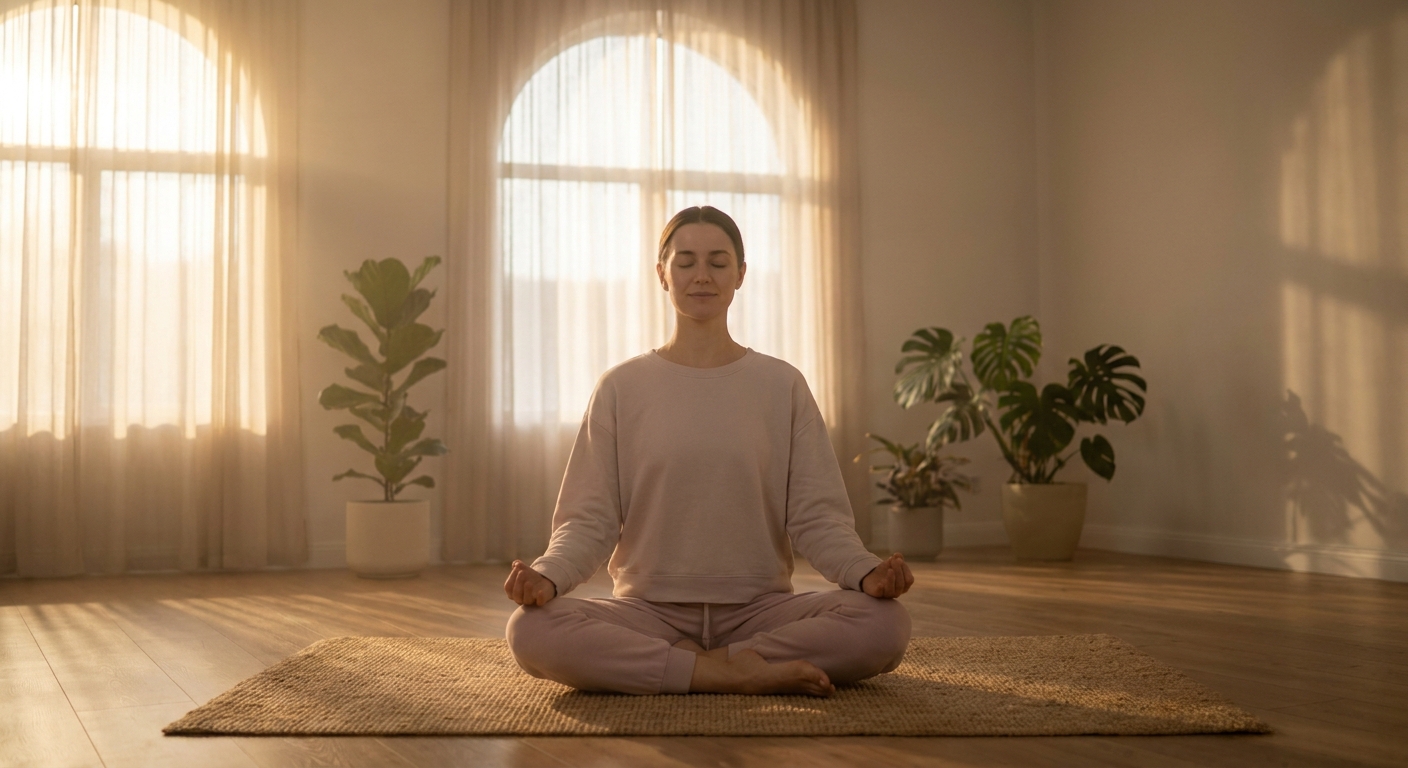
Waking up and immediately checking your phone sets a reactive tone for the whole day. A morning yoga and meditation routine can change that. It combines gentle movement with mindfulness to help you feel calm, focused, and in control before the world gets loud. Best of all, it only takes 15 minutes.
Maybe you have tried meditation before and given up. Or maybe you feel too busy to add one more thing. This routine is designed for real life: short, flexible, and easy to start. The point is not perfection; it is showing up for yourself before you show up for everyone else.
Research from the National Institutes of Health confirms that a combined yoga and meditation practice can significantly reduce cortisol, improve emotional regulation, and support mental clarity.
What Is a Morning Yoga and Meditation Routine?
At its simplest, a morning yoga and meditation routine is a short sequence of physical postures, breathing exercises, and mindfulness practices performed soon after waking. It uses the quiet morning hours to signal safety to your nervous system, move your joints, and train your attention. Instead of starting the day in reaction mode, you begin with intention.
You do not need a studio, a fancy mat, or an hour of free time. This practice can happen anywhere—in your bedroom, at a kitchen corner, or in a hotel room. The goal is not perfect poses. The goal is consistency and presence.
Think of it as a daily reset button. Small physical movements release muscle tension built up overnight. Steady breathing tells your brain that you are safe. A few minutes of meditation gives you the chance to choose how you want to feel before external demands take over. Over time, this reset becomes a powerful coping tool.
- Lower stress: Regular practice can reduce the stress hormones that spike in the morning.
- Sharper focus: Mindfulness training improves attention and decision-making.
- Better mobility: Gentle stretching releases overnight stiffness in the back, neck, and hips.
- Calmer mornings: You replace phone-induced anxiety with a few minutes of quiet.
Why Does a Morning Yoga and Meditation Routine Work?
The science behind this practice is increasingly clear. Yoga postures release endorphins and serotonin, the body’s natural mood elevators. Conscious breathing activates the parasympathetic nervous system, which lowers heart rate and blood pressure. Combined, these effects create a powerful shift from stress to calm.
Consistent practice also physically strengthens the prefrontal cortex, the brain region responsible for focus, emotional control, and decision-making. That means the benefits do not stop after your mat time. They follow you into meetings, difficult conversations, and creative work. According to the American Psychological Association, regular mindfulness-based practice is one of the most reliable ways to build emotional resilience.
In a 2026 roundup of wellness trends, researchers continue to highlight morning routines as an evidence-based way to manage stress before it accumulates. This is not about becoming a different person. It is about giving your brain a more supportive starting point every day.
Many people assume they need to be flexible or calm before they can try yoga and meditation. The opposite is true. The practice itself builds those qualities. Each session is practice for staying steady when life feels wobbly. That is why a morning routine matters so much.
How to Build Your Own 15-Minute Morning Yoga and Meditation Routine
If you are new to this, fifteen minutes is enough. Here is a simple sequence you can adapt, even on busy mornings. Follow the steps in order, or mix them to match your energy level.
- Start with 3 minutes of breath awareness (Pranayama): Sit tall, close your eyes, and breathe in for four counts. Hold for four counts, then exhale slowly for six counts. The extended exhale calms your nervous system and tells your body you are safe. Repeat this cycle 8–10 times.
- Move through gentle yoga poses for 5 minutes: Choose two or three accessible stretches and hold each for five slow breaths. Good options include Cat-Cow, Downward-Facing Dog, and Standing Forward Fold. These movements warm the spine, open the shoulders, and release tension in the lower back.
- Practice 2 slow Sun Salutations for 4 minutes: Sun Salutation A is a classic flow that links breath with movement. It wakes up the entire body and improves circulation. If you prefer to keep it simple, repeat the same three poses from step two with a little more flow.
- Sit quietly for 3 minutes of meditation: Return to a comfortable seat and set a timer. Focus on the natural rhythm of your breath. When your mind wanders, gently label it “thinking” and return to the breath. This mental repetition is where the real transformation happens.
If you are short on time, shorten each step. Two minutes of breathing, three minutes of movement, and two minutes of meditation still add up to a meaningful practice. The key is to remain consistent.
For guided instructions and audio cues, the Vitalizen App includes a dedicated “Morning Flow” session designed for exactly this sequence. It removes the guesswork and keeps you on track.
How to Turn Your Morning Practice into a Lasting Habit
A perfect routine means nothing if you cannot repeat it. The real secret is habit design. These three strategies will help your morning yoga and meditation routine stick long after the first week.
- Use habit stacking. Attach your practice to an existing automatic habit, such as brushing your teeth or making coffee. This creates a clear trigger and removes the need to decide.
- Prepare the night before. Lay out your mat, clothes, and device. Open the Vitalizen App on the session you plan to use. Reducing friction makes it far easier to follow through.
- Start ridiculously small. On hard mornings, commit to two minutes instead of fifteen. The goal is to build the identity of someone who practices every day, not to achieve a perfect session every time.
Once the habit is stable, you can gradually extend the time. A five-minute practice done daily is more transformative than a 60-minute session done once a week. Consistent action rewires your brain and makes the routine feel automatic.
According to the Mayo Clinic, regular meditation can help reduce symptoms of stress and improve focus. Pairing it with movement makes the effect even stronger. The best time to practice is the time you will actually keep. For many people, the morning is that window.
Common Obstacles and How to Overcome Them
You are not the only one struggling with motivation. Here is how to navigate the most common roadblocks.
- “I am not a morning person.” Most practitioners are not naturally early risers either. Your body can adapt to a new rhythm within a few weeks. Start with something tiny and gentle, and give yourself time to adjust. You do not need to wake up at 5 a.m.; 15 minutes after your usual alarm works perfectly.
- “I do not have enough time.” You probably have fifteen minutes. A quick look at your screen time report often reveals where the time goes. Replacing five minutes of doomscrolling with a short session is a fair trade. You can also practice right after brushing your teeth or before your morning shower.
- “I am not flexible enough.” Flexibility is the result, not the requirement. Yoga is not about touching your toes; it is about what you learn on the way down. Use modifications and props to meet your body where it is today. Every expert was once a beginner.
If you want extra support, the Vitalizen App makes this easier with expert-led audio sessions, adaptive difficulty, and offline access. You can practice anywhere, even without an internet connection. The app also tracks streaks and milestones so you can see your progress over time.
Frequently Asked Questions About Morning Yoga and Meditation
How long should a morning yoga and meditation routine be?
For most people, 15 minutes is the ideal starting point. It is long enough to create meaningful changes, yet short enough to remain consistent. Once the habit is established, you can extend to 30 or 45 minutes if you feel called to do so. You can also split the time into two short sessions if that works better for your schedule.
Can I do yoga and meditation on an empty stomach?
Yes, morning practice is traditionally done on an empty stomach. This allows for deeper breathing and easier movement. If you feel lightheaded, drink a glass of water before starting. Avoid a full meal for at least one hour before practice. A small piece of fruit is fine if you need something.
What if I miss a morning session?
Missing one day does not erase your progress. Avoid the all-or-nothing trap by doing a five-minute practice at lunch or before bed. A shorter session is far better than skipping completely. Consistency over perfection is the goal.
Do I need special equipment for morning yoga?
No. A yoga mat is helpful but not essential. A carpet or towel works perfectly. Wear comfortable clothing and use the audio guidance from your favorite app so you do not need to watch a screen. You only need a quiet space where you feel at ease.
How soon will I see results from a morning yoga and meditation routine?
Many people feel calmer and more focused after the first session. Physical changes like improved flexibility typically appear within two to four weeks. Deeper benefits, including emotional resilience and better sleep, unfold gradually with consistent practice. Trust the process and celebrate small wins.
Ready to transform your mornings? Your morning yoga and meditation routine is just one tap away. Join thousands of practitioners who have found calm, focus, and energy with the Vitalizen App.
No commitment required. Cancel anytime.
This article was brought to you by the Vitalizen App team. For more tips, guided sessions, and a supportive community, download the app and begin your journey today. Have questions? Reach out to us — we would love to hear from you.