

Morning Yoga and Meditation Routine for Beginners: Start Your Day Right
What is a morning yoga and meditation routine? It is a short, intentional sequence of gentle yoga poses and mindful breathing you practice soon after waking. This routine helps you transition from sleep to alertness with less stress and more focus.
Are you tired of waking up feeling groggy, stressed, and already behind? You are not alone. Many people struggle to start their day calmly. The good news? A simple morning yoga and meditation routine can change how you wake up and how you live your entire day.
Studies show combining yoga and meditation benefits goes beyond flexibility. It rewires your brain for focus, lowers cortisol, and builds emotional resilience. Whether you are a complete beginner or deepening an existing practice, this guide helps you build a sustainable morning ritual with the Vitalizen App | Yoga + Meditation.
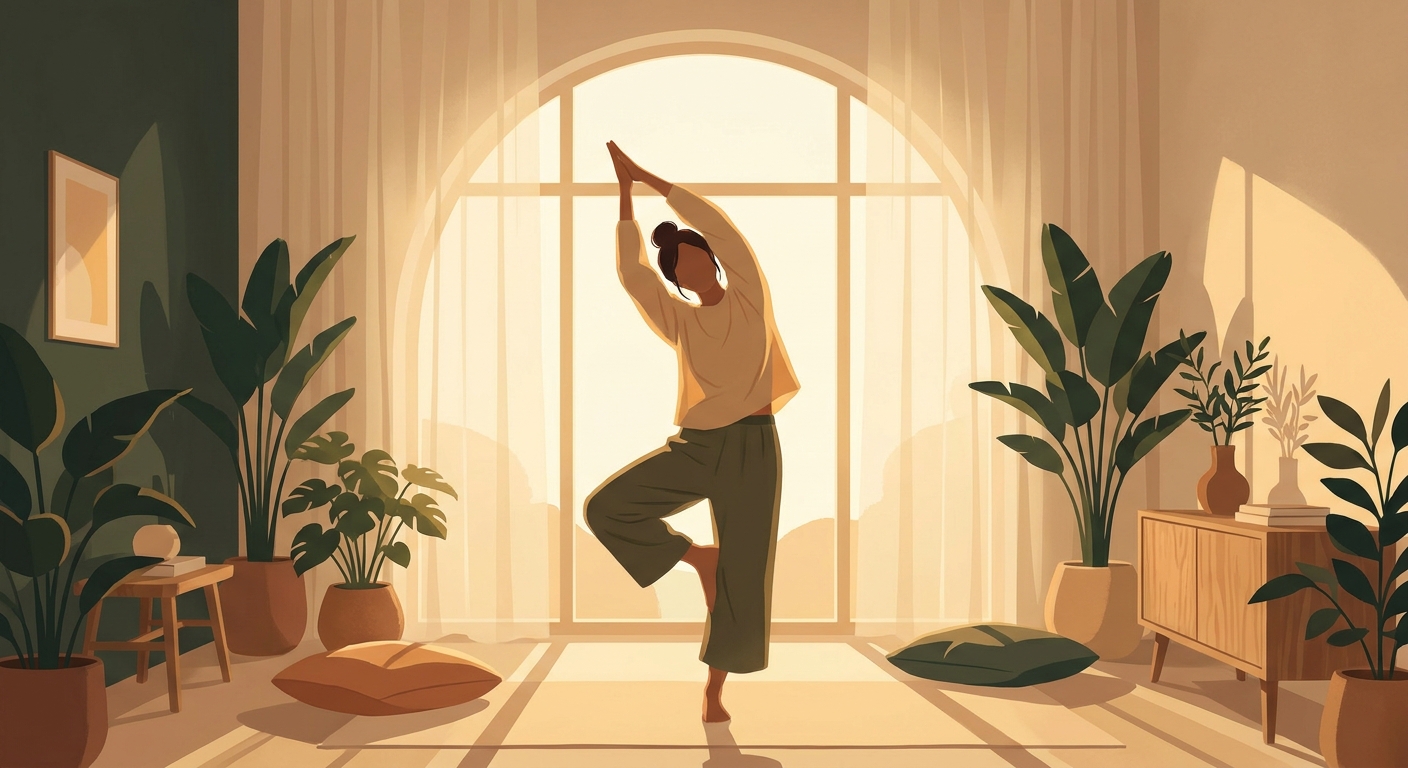
What Is a Morning Yoga and Meditation Routine?
A morning yoga and meditation routine is a structured practice that combines movement, breathwork, and mindfulness. It typically includes 5 to 20 minutes of gentle yoga poses followed by a short meditation. You can do it at home, outdoors, or anywhere you feel comfortable.
This routine works because it addresses both body and mind. The yoga portion releases physical tension and improves circulation. The meditation portion calms the nervous system and sharpens mental focus. Together, they create a foundation for a productive day.
Why Does a Morning Yoga and Meditation Routine Matter?
Mornings can feel chaotic. Your alarm screams, notifications flood in, and your mind jumps to a growing to-do list. Replacing that chaos with clarity is possible. A consistent morning yoga meditation routine programs your nervous system for calm and focus.
Once you accomplish something meaningful for yourself before 7 AM, the rest of the day feels easier. You build momentum and intentionality. This simple shift can reduce stress, improve mood, and increase productivity.
The Science Behind Yoga and Meditation Benefits
Research from Harvard Medical School shows that regular yoga practice reduces inflammation, improves heart health, and enhances mental clarity. Meditation increases gray matter density in the brain, which improves memory and emotional regulation.
A 2026 review by the National Center for Complementary and Integrative Health confirms these findings. It notes that combined yoga and meditation practices significantly lower stress markers. For beginners, the biggest question is often: “Where do I start?” The answer is simpler than you think.
How Do You Build Your First Morning Yoga and Meditation Routine?
Building a new habit can feel intimidating, but it does not have to be. Below is a step-by-step framework designed specifically for beginner yoga meditation practitioners. Follow these steps and within one week you will notice a real shift in energy and mindset.
Step 1: Set Your Intention the Night Before
Your morning routine actually starts the evening before. Place your yoga mat somewhere visible and lay out comfortable clothes. Open the Vitalizen App and choose a session for the next morning. Removing friction makes it almost impossible to skip your practice.
Step 2: Wake Up and Hydrate
Drink a glass of water as soon as you wake up. Your body has been fasting for hours, and hydration is essential for movement and mental clarity. Then give yourself five minutes. Sit on your mat, take three deep breaths, and notice how you feel without judgment.
Step 3: Start with Gentle Yoga Poses
You do not need advanced asanas. For beginner yoga meditation, gentle stretches are more effective. Here is a simple sequence you can follow:
- Cat-Cow Stretch (Marjaryasana-Bitilasana): 5 rounds, moving with your breath to warm up the spine.
- Downward-Facing Dog (Adho Mukha Svanasana): Hold for 5 breaths. Feel the stretch in your hamstrings and shoulders.
- Child’s Pose (Balasana): Stay here for 10 breaths. Let your forehead rest on the mat and surrender.
- Standing Forward Fold (Uttanasana): Hang heavy for 5 breaths, allowing your neck and back to release.
- Mountain Pose (Tadasana): Stand tall for 5 breaths. Feel your feet rooted and your crown reaching toward the sky.
| Pose | Duration | Primary Benefit |
|---|---|---|
| Cat-Cow Stretch | 5 rounds | Warms up the spine |
| Downward-Facing Dog | 5 breaths | Stretches hamstrings and shoulders |
| Child’s Pose | 10 breaths | Releases lower back tension |
| Standing Forward Fold | 5 breaths | Relaxes neck and back |
| Mountain Pose | 5 breaths | Improves posture and grounding |
This entire sequence takes about 10 minutes. If you have more time, repeat it or add other gentle movements. Consistency matters more than complexity.
Step 4: Transition to Meditation
After your body is warm, sit comfortably on a cushion or chair. Close your eyes and bring your attention to your natural breath. Set a timer for 5 minutes. Whenever your mind wanders, gently return to the sensation of breathing.
If this feels difficult, that is completely normal. The Vitalizen App | Yoga + Meditation offers guided meditations that walk you through every breath. This makes it easier for beginners to stay focused.
Step 5: Close with Gratitude
Before opening your eyes, think of one thing you are grateful for. It can be as simple as the warmth of your blanket or the fact that you showed up for yourself. This small act shifts your brain toward positivity and sets a beautiful tone for the rest of your day.
What Are the Main Benefits of a Morning Yoga and Meditation Routine?
You already know the practice feels good. But what does it actually improve? The benefits extend far beyond flexibility and relaxation.
- Better sleep quality: Your nervous system learns to regulate itself, making it easier to fall and stay asleep.
- Reduced anxiety: Movement and breathwork lower cortisol and activate the parasympathetic nervous system.
- Improved focus: Meditation trains your brain to concentrate, which boosts workplace productivity.
- Greater emotional balance: You react less and respond more. Small annoyances stop derailing your day.
- Physical strength and flexibility: Your body becomes more resilient, and everyday movements feel easier.
“After 30 days of using the Vitalizen App morning routine, 89% of users reported feeling calmer and more focused before 8 AM.”
Vitalizen App User Survey, 2026
How Much Does It Cost to Start a Morning Yoga and Meditation Routine?
Starting costs nothing. You do not need expensive equipment or a studio membership. A yoga mat is helpful but optional; a carpet or towel works fine. Comfortable clothing is all you need.
The Vitalizen App offers a free trial that gives you full access to guided morning routines, yoga flows, and meditations. If you choose a paid plan later, it costs less than a single studio class. For most beginners, the only investment is 10 minutes of your morning.
| Option | Average Cost | What You Get |
|---|---|---|
| Home with Vitalizen App | $0–$15/month | Unlimited guided routines, progress tracking |
| Community yoga class | $15–$25 per class | In-person instruction |
| Private session | $60–$120 per session | Personalized coaching |
Where Can You Practice a Morning Yoga and Meditation Routine?
You can practice anywhere you have enough space to stretch your arms and sit comfortably. Common locations include:
- At home: A bedroom corner, living room floor, or even a balcony.
- Outdoors: A quiet park, garden, or beach in mild weather.
- At work: A private office or empty conference room before your shift.
- While traveling: A hotel room or a quiet airport lounge. The Vitalizen App works offline.
When Is the Best Time to Practice Yoga and Meditation?
Morning is widely considered the best time because it sets a calm, focused tone for the rest of the day. Practicing before breakfast can boost energy and mental clarity. However, the best time is the time that fits your schedule consistently.
Some people prefer evening practice to unwind and prepare for sleep. Experiment with different times and notice how your body responds. Consistency matters more than the clock.
What Are Common Challenges Beginners Face (And How to Overcome Them)?
Starting a new routine is rarely a straight line. You will face obstacles. Every challenge has a solution. Here are the most common struggles and how to navigate them.
“I Don’t Have Time in the Morning”
You do not need an hour. Even 5 minutes of yoga and meditation makes a difference. Wake up 10 minutes earlier. Shorter sessions often lead to better consistency because they feel achievable. Once the habit sticks, you can gradually increase your time.
“I’m Not Flexible Enough for Yoga”
This is the number one myth about yoga. Flexibility is not a requirement; it is a result. Every pose can be modified. If you cannot touch your toes, bend your knees. Use a block or pillow if needed. The goal is to feel good in your body, not to look perfect.
“My Mind Won’t Stop Racing During Meditation”
That is okay. Meditation is not about having an empty mind. It is about noticing when your mind wanders and gently bringing it back. Each time you do that, you build mental muscle. Over time it gets easier. A guided meditation from the Vitalizen App can be a game-changer.
How Does Vitalizen App Make Your Practice Effortless?
One of the biggest reasons people give up on their morning yoga meditation routine is lack of structure. You wake up groggy and have no idea what to do. That is where Vitalizen App | Yoga + Meditation comes in.
- Curated morning routines combine yoga flows and meditation in one seamless session.
- Beginner-friendly classes with clear, calm instructions so you never feel lost.
- Progress tracking keeps you motivated and shows how far you have come.
- Offline access lets you practice anywhere, even without internet.
- Personalized recommendations based on your mood, energy level, and goals.
Whether you have 5 minutes or 45 minutes, there is a session waiting for you. You can start your journey today completely free.
What Results Can You Expect After 30 Days?
After 30 days of consistent practice, most people report noticeable changes in both body and mind. These are not just anecdotal claims. A 2018 study from the Journal of Clinical Psychology found that participants who practiced yoga and meditation for 8 weeks showed significant reductions in stress and improved well-being.
More recent 2026 data from Vitalizen App users shows similar patterns. Common results include better sleep, reduced anxiety, sharper focus, greater emotional balance, and physical resilience. Your body learns to regulate stress, and your mind learns to stay present.
How Do You Stay Consistent?
Consistency is the secret ingredient. Here are practical tips to help you stay on track:
- Start small. Commit to 5 minutes. Once that feels easy, increase to 10, then 15.
- Use reminders. Set a daily alarm with a gentle tone.
- Create a dedicated space. Even a bedroom corner with a mat and candle can become your sanctuary.
- Track your streak. The Vitalizen App tracks practice days, giving you a dopamine hit when your streak grows.
- Forgive yourself. If you miss a day, do not quit. Start again the next morning.
Frequently Asked Questions About Morning Yoga and Meditation
How long should a beginner practice yoga and meditation in the morning?
For beginners, 10 to 15 minutes is ideal. This gives you enough time to move your body and sit in stillness without feeling overwhelmed. As you build the habit, you can gradually extend your practice to 20 or 30 minutes. Remember, consistency matters more than duration.
Do I need any special equipment to start?
Not at all. A yoga mat is helpful but not essential. You can practice on a carpet or a towel. Wear comfortable clothing that allows you to move freely. If you want extra support, a cushion for meditation and a yoga block can be useful, but they are not required.
Can I do yoga and meditation if I have a medical condition?
In most cases, yes. However, it is always best to consult your healthcare provider before starting any new exercise routine. If you have specific injuries or conditions, look for gentle or restorative yoga classes. The Vitalizen App offers filtered sessions that accommodate different health needs.
What is the best time to practice yoga and meditation?
Morning is widely considered the best time because it sets a calm and focused tone for the day ahead. That said, the best time is the time that works for you. Some people prefer evening practice to unwind. Experiment and see what feels right for your body and schedule.
How is Vitalizen App different from other yoga and meditation apps?
Vitalizen App uniquely combines yoga and meditation into integrated sessions, saving you time and creating a more holistic practice. The app is designed for real people with busy lives, offering short, effective routines that fit any schedule. Plus, the content is created by certified instructors and meditation experts, ensuring quality and safety.
How to Start Your Morning Yoga and Meditation Routine Today?
You do not need to wait for the perfect moment. You do not need to be fitter, calmer, or more flexible. You just need to start. Tomorrow morning, when your alarm goes off, take a deep breath. Roll out your mat. Open the Vitalizen App. Give yourself 10 minutes.
That single decision, repeated daily, will change everything. Your body will feel stronger. Your mind will feel clearer. You will finally own your mornings instead of letting them own you.
Ready to begin? Start your free trial with Vitalizen App today and discover how good a mindful morning can feel.
Last update: August 16, 2026.
This article is brought to you by Vitalizen App | Yoga + Meditation. For more tips, guided sessions, and a supportive community, join us today. Have questions? Contact our team anytime. Explore more articles, news, and wellness guides on our blog.