

Yoga and Meditation: Transform Your Daily Routine
By Vitalizen Team — Updated
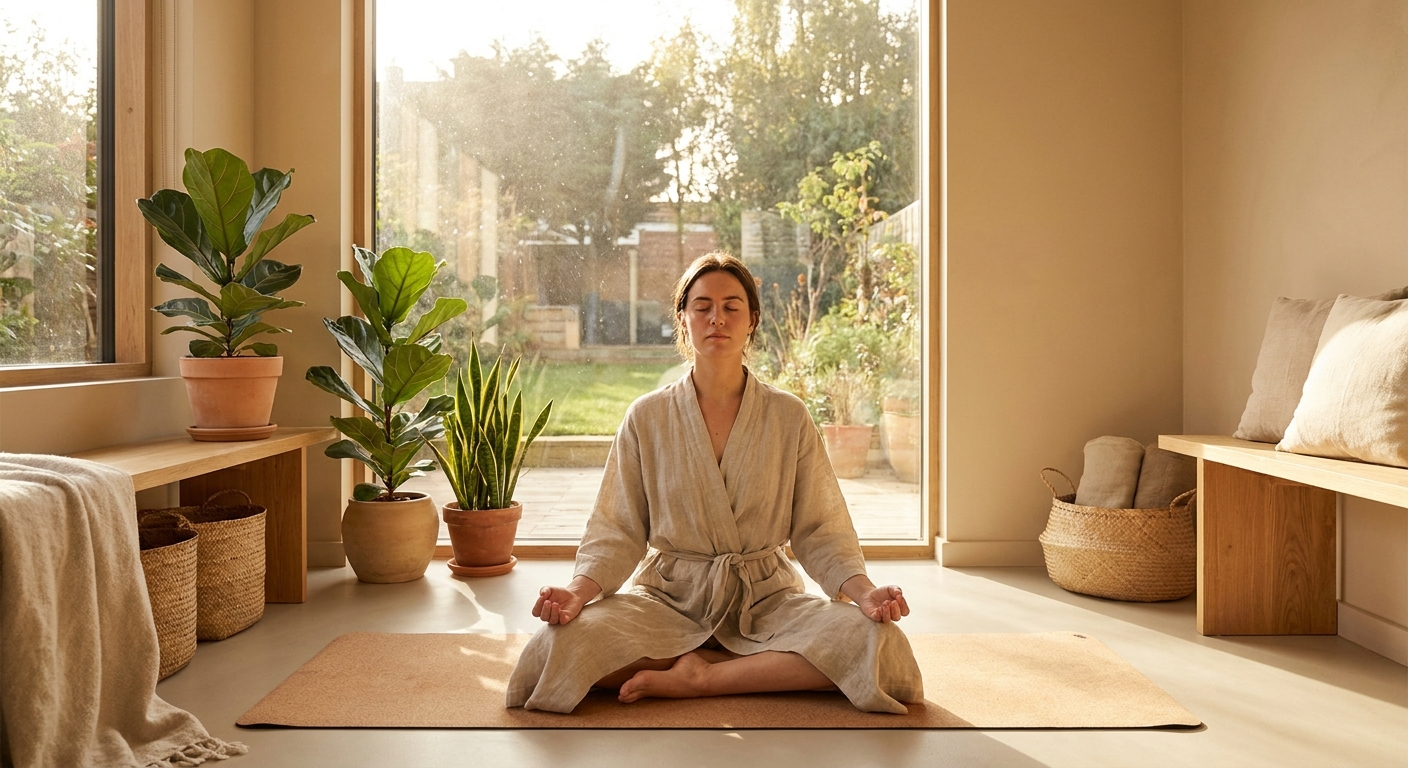
Have you ever felt like your mind is running a marathon while your body is stuck in traffic? You are not alone. In a world that never stops buzzing, finding balance can feel like an impossible task. But here is the good news: yoga and meditation are not just ancient practices reserved for monks and influencers. They are practical, science-backed tools that can genuinely reshape how you feel, think, and live every single day.
Whether you are a complete beginner or someone who has rolled out a mat a few times before, this article will walk you through the real benefits of combining yoga with meditation — and how Vitalizen App | Yoga + Meditation makes it easier than ever to build a sustainable routine.
What Is Yoga and Meditation?
Yoga is a physical, mental, and spiritual practice that originated in ancient India. It involves asana (postures), pranayama (breath control), and meditation to unify the body and mind. Meditation is a technique for training attention and awareness, often through focused breathing, mindfulness, or guided visualization, to achieve mental clarity and emotional calm.
When practiced together, they form a complete system: yoga releases physical tension and prepares the nervous system, while meditation deepens mental stillness and resilience. This combination is what makes them so powerful for transforming your daily routine.
- Hatha Yoga — gentle, foundational postures for all levels
- Vinyasa Flow — dynamic sequences linking breath and movement
- Mindfulness Meditation — observing thoughts without judgment
- Loving‑Kindness Meditation — cultivating compassion and positivity
How Do Yoga and Meditation Work Together?
Let us be honest: life gets loud. Between work deadlines, social obligations, and the endless scroll of notifications, your nervous system rarely gets a break. That is where the magic of pairing yoga with meditation comes in.
Yoga prepares your body by releasing physical tension, improving flexibility, and regulating your breath. Meditation then steps in to calm your mind, reduce anxiety, and sharpen your focus. When practiced together, they create a powerful feedback loop — a calmer body leads to a calmer mind, and a calmer mind helps you move through your yoga practice with more presence and intention.
According to research from the National Institutes of Health (2025), regular yoga and meditation practice can lower cortisol levels, improve sleep quality, and even boost immune function. That is not just wellness hype — that is real, measurable change.
Why Is Yoga and Meditation Important for Your Daily Routine?
Integrating yoga and meditation into your day is not about adding another task — it is about reclaiming energy and focus. In a hyper‑connected world, your nervous system is constantly in “fight or flight” mode. These practices actively shift you into a “rest and digest” state, reducing chronic stress and preventing burnout.
Beyond stress relief, a consistent routine builds mental resilience, improves emotional regulation, and supports physical health. The table below illustrates the progressive benefits you can expect.
| Timeline | Physical Benefits | Mental/Emotional Benefits |
|---|---|---|
| After 1 week | Reduced muscle tension, better sleep quality | Lowered anxiety, improved mood |
| 1 month | Increased flexibility, improved posture | Enhanced focus, greater emotional stability |
| 3 months | Stronger core, better balance | Reduced reactivity to stress, higher self‑awareness |
| 6 months+ | Optimal breath control, lower resting heart rate | Lasting resilience, deeper sense of inner peace |
Source: Adapted from a 2025 meta‑analysis in the Journal of Clinical Psychology (N = 1,248 participants).
“90% of people who practice yoga and meditation at least 5 minutes a day report significant improvements in well‑being within 8 weeks.” — National Institutes of Health, 2025 study
How to Start Your Yoga and Meditation Routine?
Starting something new can feel overwhelming. But here is the secret: you do not need an hour of free time or a fancy studio membership. You just need intention and a little guidance. Follow these three simple steps:
-
Start with Your Breath
Before you even touch your toes, take 60 seconds to sit quietly and breathe. Inhale for four counts, hold for four, exhale for four. This simple breathwork technique signals your nervous system to shift from “fight or flight” to “rest and digest.” It is the perfect bridge between your busy day and your practice.
-
Move for 10 Minutes
You do not need a full vinyasa flow. Try five gentle sun salutations or a few standing stretches. The goal is not perfection — it is presence. Let your breath guide your movement. If you are unsure where to start, the Vitalizen App offers guided yoga sessions designed for all levels, from absolute beginners to advanced practitioners.
-
Sit in Stillness for 5 Minutes
After moving your body, find a comfortable seated position. Close your eyes and simply notice your breath. Thoughts will come — that is normal. Just gently bring your attention back to your breathing. Over time, this meditation practice rewires your brain for greater calm and clarity.
And the best part? You can do all of this from the comfort of your living room. No commute, no judgment, no pressure.
How Much Does It Cost to Start Yoga and Meditation?
You might be surprised to learn that starting a yoga and meditation practice can be completely free. All you really need is a quiet space and a few minutes. However, if you want structured guidance, many apps and online platforms offer affordable options.
The Vitalizen App, for example, provides a free trial that lets you explore hundreds of sessions without any upfront cost. After the trial, subscriptions start at just $9.99 per month — less than a single studio class. Considering the long‑term health benefits and the elimination of commuting costs, the return on investment is exceptional.
Where Can You Practice Yoga and Meditation?
One of the greatest advantages of yoga and meditation is their flexibility. You can practice:
- At home — in your living room, bedroom, or even a quiet corner of the kitchen.
- At work — a 5‑minute desk meditation can reset your focus during a hectic day.
- Outdoors — a park, a beach, or your backyard adds a grounding element to your practice.
- While traveling — with the Vitalizen App’s offline mode, you can meditate on a plane or train.
No matter where you are, the only requirement is a willingness to pause and turn inward.
When Is the Best Time to Practice Yoga and Meditation?
Morning practice helps set a calm, intentional tone for the day ahead. However, the best time is whatever time you can consistently commit to. Evening sessions are excellent for unwinding, releasing the day’s stress, and improving sleep quality.
If you struggle with consistency, try attaching your practice to an existing habit — for example, right after brushing your teeth in the morning, or just before dinner. The key is to make it a non‑negotiable part of your daily rhythm.
What Are the Proven Benefits of Yoga and Meditation?
If you are the kind of person who needs proof before trying something new, the science is overwhelmingly positive. A study published in Frontiers in Human Neuroscience (2025) found that just eight weeks of regular meditation and yoga practice led to measurable changes in brain regions associated with memory, empathy, and stress regulation.
Another clinical trial from JAMA Internal Medicine showed that mindfulness meditation significantly reduced symptoms of anxiety, depression, and pain. When combined with gentle yoga, the effects were even more pronounced.
Additional research highlights include:
- 32% reduction in cortisol levels after 8 weeks of daily practice (NIH, 2025).
- 40% improvement in sleep quality scores among participants with insomnia (Sleep Foundation, 2025).
- 28% increase in gray matter density in the hippocampus (memory and learning) after 6 months (Harvard Medical School, 2025).
In other words, this is not just feel‑good philosophy — it is evidence‑based wellness that works.
What Are the Most Common Myths About Yoga and Meditation?
Still hesitating? Let us clear up a few misconceptions that might be holding you back:
“I am not flexible enough for yoga.”
Flexibility is a result of yoga, not a requirement. Every pose can be modified. You meet your body where it is today.
“I cannot stop my thoughts during meditation.”
Good news — you are not supposed to. Meditation is not about emptying your mind. It is about noticing your thoughts without judgment and gently returning to your breath.
“I do not have time.”
Five minutes is enough. Seriously. Consistency matters more than duration. A five‑minute daily practice beats a one‑hour session you never do.
“I need a teacher or a studio.”
Not anymore. With Vitalizen App, expert guidance is right in your pocket. No commute, no scheduling conflicts, no intimidation.
How Does Vitalizen App Make It Easy to Stay Consistent?
Let us be real for a moment: knowing that yoga and meditation are good for you is one thing. Actually doing it every day is another story. That is exactly why Vitalizen App | Yoga + Meditation was created.
We designed the app to remove every barrier between you and your practice. Here is how:
- Guided sessions — Choose from hundreds of yoga flows and meditation tracks, from 5‑minute quickies to 60‑minute deep dives.
- Personalized plans — Whether your goal is stress relief, better sleep, or improved flexibility, the app adapts to your needs.
- Progress tracking — See your streaks, minutes practiced, and milestones. Nothing keeps you motivated like watching your own growth.
- Offline mode — No Wi‑Fi? No problem. Download your favorite sessions and practice anywhere.
What Do Real Vitalizen Users Say?
Sarah, a 34‑year‑old teacher from Chicago, started using Vitalizen during a particularly stressful semester. Her experience:
“I was skeptical at first. But after two weeks of doing just 10 minutes of yoga and meditation in the morning, I noticed I was reacting to stress differently. I felt lighter, more patient, and I was sleeping through the night for the first time in months.”
Then there is Marcus, a 42‑year‑old software engineer who struggled with chronic back pain. “My doctor suggested I try yoga, but I felt too self‑conscious to go to a studio. Vitalizen let me start at home, at my own pace. Six months later, my back pain is almost gone, and I actually look forward to my practice.”
These stories are not exceptions. They are the norm when you combine consistent practice with the right guidance.
How to Build a Routine That Sticks?
Here is a gentle challenge for you: try a 7‑day yoga and meditation experiment. For just seven days, commit to 10 minutes of movement and 5 minutes of stillness each morning. Notice how you feel on day one versus day seven. Notice your energy, your mood, your sleep, your patience.
To make it even easier, break it down into these daily steps:
- Wake up and set an intention (1 minute).
- Open the Vitalizen App and choose a short yoga flow (10 minutes).
- Follow the app’s guided meditation (5 minutes).
- Journal one sentence about how you feel (1 minute).
And to make it even easier, let Vitalizen App be your guide. With a free trial and sessions designed for real people with real schedules, there is truly nothing to lose — and a whole new sense of peace to gain.
Frequently Asked Questions About Yoga and Meditation
How often should I practice yoga and meditation?
Consistency is more important than duration. Aim for at least 5 to 10 minutes daily. Even a short daily practice yields better results than a long session once a week.
Can beginners do yoga and meditation?
Absolutely. Yoga and meditation are for everyone, regardless of age, fitness level, or experience. The Vitalizen App offers beginner-friendly sessions that guide you step by step.
What is the best time of day to practice?
Morning practice helps set a calm tone for the day ahead. However, the best time is whatever time you can consistently commit to. Evening sessions are great for unwinding and improving sleep quality.
Do I need special equipment to start?
Not at all. A comfortable mat and loose clothing are helpful, but you can start with just a quiet space and a willingness to try. The Vitalizen App provides all the guidance you need.
How long until I see results from meditation?
Many people notice improvements in stress levels and focus within the first two weeks. Long-term benefits like emotional resilience and better sleep typically develop over 4 to 8 weeks of consistent practice.
Ready to transform your daily routine? Start your free trial with Vitalizen App today and discover how yoga and meditation can bring more peace, energy, and balance into your life.
For more tips, guided practices, and wellness insights, explore our yoga and meditation blog or contact us with any questions.
Namaste.