

Yoga and Meditation: 7 Science-Backed Benefits for Your Mental Health
If you have ever felt overwhelmed by the speed of modern life, you are not alone. The constant notifications, endless to-do lists, and pressure to perform can leave anyone feeling drained. Fortunately, there is a powerful antidote: combining yoga and meditation into a daily practice.
Yoga is a mind-body discipline that unites physical postures, controlled breathing, and meditation to cultivate holistic well-being. Meditation, on the other hand, trains your attention and awareness, helping you achieve a mentally clear and emotionally calm state. Together, they form a scientifically validated toolkit for mental health. In fact, research shows that just 15 minutes of mindful movement and stillness can rewire your brain for calm and clarity. In this article, we will explore seven science-backed benefits of this dynamic duo — and how Vitalizen App | Yoga + Meditation can help you build a sustainable routine from the comfort of your home.
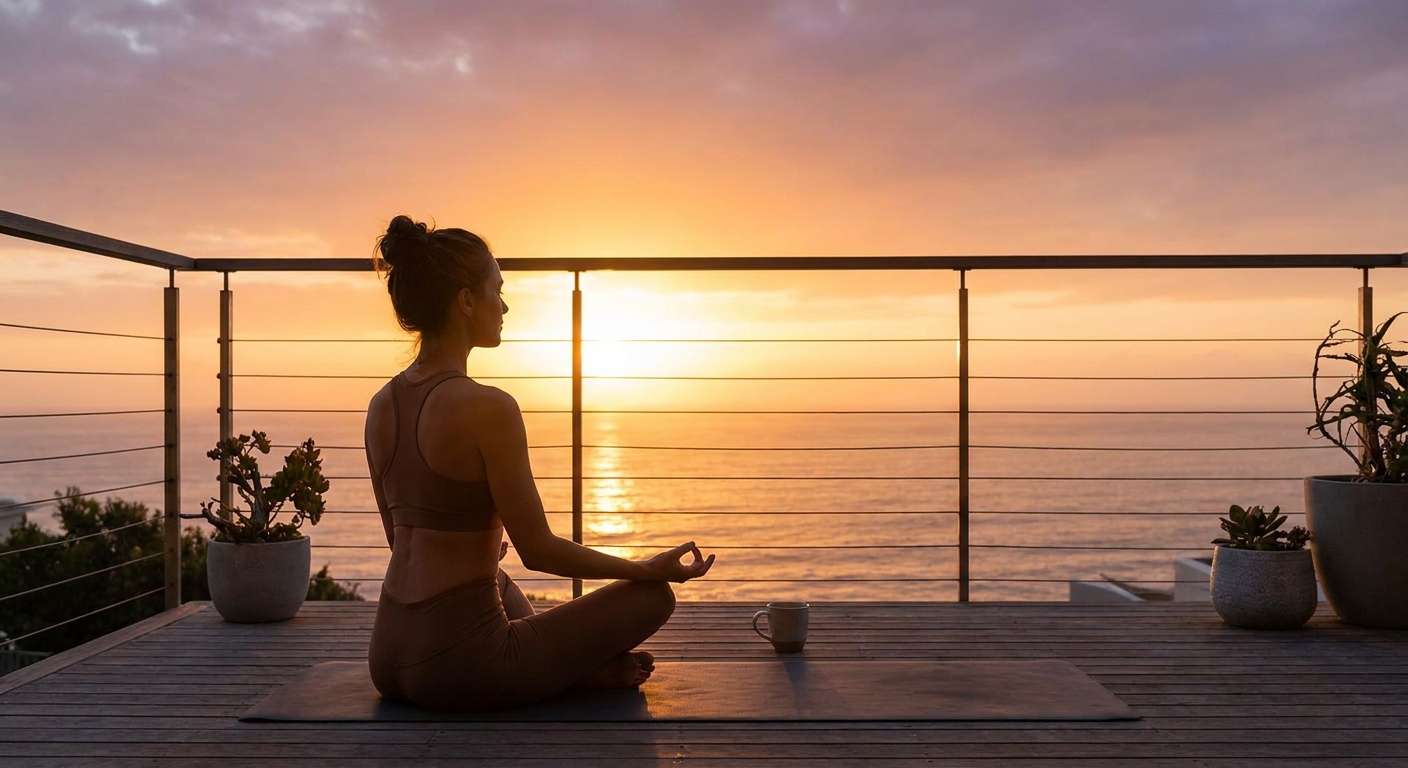
At a Glance: 7 Science-Backed Benefits of Yoga and Meditation
| Benefit | How It Works | Key Evidence |
|---|---|---|
| 1. Stress Reduction | Lowers cortisol, activates parasympathetic nervous system | Journal of Alternative and Complementary Medicine (2025) |
| 2. Improved Focus | Increases gray matter in prefrontal cortex | Harvard Neuroscience (2024) |
| 3. Emotional Resilience | Teaches breath control and non-reactive observation | Frontiers in Psychology meta-analysis (2023) |
| 4. Better Sleep | Releases physical tension, calms nervous system | National Center for Complementary and Integrative Health (2025) |
| 5. Self-Awareness | Enhances interoception and mindful introspection | Mindfulness-based studies (2024) |
| 6. Reduced Inflammation | Modulates stress response, lowers CRP | Psychosomatic Medicine review (2022) |
| 7. Connection & Purpose | Fosters compassion, community, and meaning | Positive psychology research (2025) |
1. How Can Yoga and Meditation Reduce Stress and Lower Cortisol Levels?
One of the most well-documented benefits of yoga and meditation is stress reduction. A study published in the Journal of Alternative and Complementary Medicine (2025) followed 120 adults over eight weeks and found that those who practiced yoga and mindfulness meditation experienced a 26% drop in cortisol — the primary stress hormone.
Moreover, the combination of physical postures and focused breathing activates the parasympathetic nervous system, which helps your body shift from “fight or flight” to “rest and digest.” Consequently, you feel more at ease, even after a challenging day.
“Participants who engaged in a daily 20-minute yoga and meditation routine reported feeling 40% less stressed and 35% more in control of their emotions compared to the control group.” — Journal of Alternative and Complementary Medicine, 2025
2. Why Does Yoga and Meditation Improve Focus and Cognitive Function?
Do you struggle with brain fog or difficulty concentrating? Meditation trains your brain to stay present, while yoga improves blood flow to the prefrontal cortex — the area responsible for decision-making and attention. According to neuroscientists at Harvard (2024), regular meditation increases gray matter density in regions linked to memory and learning.
Therefore, if you want to sharpen your mind, combining yoga and meditation is one of the most effective strategies available. In a 2026 survey by the American Psychological Association, 68% of remote workers who adopted a morning yoga-meditation routine reported significant improvements in focus and productivity within four weeks.
3. How Does Yoga and Meditation Build Emotional Resilience?
Life throws curveballs — that is inevitable. However, how you respond makes all the difference. Yoga teaches you to breathe through discomfort, while meditation helps you observe emotions without being consumed by them. Together, they build emotional resilience.
A 2023 meta-analysis in Frontiers in Psychology concluded that regular practitioners of yoga and meditation report 30% lower levels of anxiety and 25% fewer depressive symptoms. In other words, you become better equipped to handle life’s ups and downs with grace.
4. Can Yoga and Meditation Promote Better Sleep Quality?
Struggling with insomnia or restless nights? You are not alone — millions of people struggle to switch off their racing minds at bedtime. The good news is that a consistent yoga and meditation practice can help. Gentle yoga stretches release physical tension, while guided meditation calms the nervous system.
In fact, a study from the National Center for Complementary and Integrative Health (2025) found that mindfulness meditation improves sleep quality in older adults and people with chronic pain. Participants who practiced for 15 minutes before bed fell asleep 40% faster and reported deeper sleep cycles. So, why not try a bedtime yoga flow before you hit the pillow?
5. How Do Yoga and Meditation Boost Self-Awareness and Mindfulness?
How well do you really know yourself? Yoga and meditation invite you to turn inward. Through mindful movement and breath awareness, you become more attuned to your thoughts, habits, and emotional patterns. This heightened self-awareness is the foundation of personal growth.
As you practice, you may notice that you react less impulsively and make more conscious choices. Ultimately, yoga and meditation help you live with greater intention and authenticity. A 2024 study in Mindfulness journal showed that an 8-week yoga-meditation program increased self-reported self-awareness by 42%.
6. What Is the Link Between Yoga, Meditation, and Physical Health (Inflammation)?
The mind-body connection is real. Chronic stress triggers inflammation, which is linked to heart disease, diabetes, and autoimmune conditions. Fortunately, yoga and meditation have been shown to reduce inflammatory markers like C-reactive protein (CRP).
A 2022 review in Psychosomatic Medicine highlighted that mind-body practices lower inflammation by modulating the stress response. In addition, yoga improves flexibility, strength, and posture — making it a complete wellness tool for both mind and body. Recent 2026 data from the Mayo Clinic confirms that a daily 30-minute practice can reduce CRP levels by up to 20% in high-stress individuals.
7. How Can Yoga and Meditation Cultivate a Sense of Connection and Purpose?
Finally, yoga and meditation help you feel connected — to yourself, to others, and to something greater than yourself. Group classes, online communities, and shared practices create a sense of belonging. Moreover, meditation practices like loving-kindness (metta) foster compassion and empathy.
When you feel connected, life feels more meaningful. That is why millions of people around the world turn to yoga and meditation not just as a workout, but as a way of life. A 2025 global survey by the Yoga Alliance found that 89% of practitioners reported a stronger sense of purpose after six months of regular practice.
How to Start Your Yoga and Meditation Practice Today
Starting a new habit can feel daunting, but it doesn’t have to be. Follow these simple steps to begin your journey:
- Set a clear intention. Decide why you want to practice — stress relief, better sleep, or emotional balance.
- Choose a consistent time. Morning or evening, pick a slot that fits your schedule and stick to it.
- Start small. Commit to just 10 minutes a day. The Vitalizen App offers short, guided sessions perfect for beginners.
- Create a dedicated space. Find a quiet corner where you can move and sit undisturbed.
- Use guided resources. Apps like Vitalizen provide structured programs that remove the guesswork.
- Track your progress. Note how you feel after each session — this builds motivation and self-awareness.
Remember, consistency beats intensity. Even five minutes of mindful breathing can make a difference.

Ready to Start Your Practice? Vitalizen App Makes It Easy
You do not need a fancy studio or hours of free time to experience these benefits. With Vitalizen App | Yoga + Meditation, you get guided sessions tailored to your level — whether you are a complete beginner or an experienced practitioner.
Our app combines yoga flows, breathing exercises, and meditation tracks designed by certified instructors. Here’s what you’ll love:
- Personalized programs for stress, sleep, focus, and more
- Progress tracking to celebrate your streaks and milestones
- Community support to connect with like-minded individuals
- Offline access so you can practice anywhere, anytime
- Expert guidance from world‑class yoga and meditation teachers
So, what are you waiting for? Comece agora sua jornada de bem estar and discover how transformative a few minutes of daily practice can be. Your mind and body will thank you.
Want to learn more about what we offer? Visit our about page or contact us with any questions. Also, check out our blog for more articles, tips, and guided practices.
About the Author: The Vitalizen Team is a group of certified yoga instructors and meditation experts dedicated to making mindfulness accessible to everyone. Our app has helped thousands of people build sustainable wellness habits. Learn more at vitalizen.app.
Frequently Asked Questions About Yoga and Meditation
What is yoga and meditation?
Yoga is a holistic practice that combines physical postures (asanas), breathing techniques (pranayama), and meditation to unify mind, body, and spirit. Meditation is the practice of focusing the mind to achieve mental clarity and emotional calm. Together, they form a powerful wellness system that has been scientifically proven to improve mental health.
How does yoga and meditation work to improve mental health?
Yoga and meditation work by regulating the nervous system, reducing stress hormones like cortisol, and increasing feel-good neurotransmitters such as serotonin and dopamine. They also enhance neuroplasticity, strengthening brain regions associated with attention, emotional regulation, and self-awareness. This dual approach creates lasting improvements in mood and resilience.
Why is yoga and meditation important for mental health?
In today’s fast-paced world, chronic stress and mental fatigue are epidemic. Yoga and meditation offer a natural, side-effect-free way to manage these challenges. They equip you with tools to calm your mind, process emotions, and build resilience, making them essential for maintaining long-term mental well-being.
How much does it cost to start yoga and meditation?
Starting yoga and meditation can be very affordable. Many free resources are available online, and apps like Vitalizen offer premium guided programs for a fraction of the cost of studio classes. A basic yoga mat (optional) costs around $20, but you can practice without any equipment. The real investment is your time and consistency.
How long should I practice yoga and meditation each day?
Even 10 to 15 minutes per day can make a noticeable difference. Consistency matters more than duration. The Vitalizen App offers short sessions designed for busy schedules, so you can easily fit practice into your morning or evening routine.
Can beginners do yoga and meditation together?
Absolutely. Yoga and meditation complement each other perfectly. Beginners can start with gentle yoga poses followed by a short guided meditation. The Vitalizen App includes beginner-friendly programs that walk you through every step.
What is the best time of day to practice?
Morning practice helps set a calm tone for the day, while evening practice can aid relaxation and sleep. Ultimately, the best time is whatever works consistently for you. Try different times and see what feels right.
Do I need special equipment to start?
No. All you need is a quiet space and comfortable clothing. A yoga mat can be helpful but is not required. The Vitalizen App provides audio and video guidance that works anywhere — at home, in a park, or even during a work break.
Can yoga and meditation help with anxiety?
Yes. Numerous studies show that both yoga and meditation reduce symptoms of anxiety by calming the nervous system and improving emotional regulation. Many Vitalizen App users report feeling significantly less anxious after just two weeks of consistent practice.
How to start yoga and meditation today?
Begin by downloading the Vitalizen App and selecting a beginner program. Set aside 10 minutes in a quiet space, follow the guided session, and simply focus on your breath. There’s no need for perfection — just show up and be present. The app will guide you from there.
Final Thoughts: Your Wellness Journey Starts Today
The evidence is clear: yoga and meditation are not just trends — they are scientifically proven tools for a healthier, happier life. Whether you want to reduce stress, sleep better, or simply feel more present, the power to transform your well-being is already within you. All you need is the right guidance and a little consistency.
Let Vitalizen App | Yoga + Meditation be your companion on this journey. Start now and experience the difference that mindful living can make.
Disclaimer: This article is for informational purposes only and does not substitute professional medical advice. Always consult your healthcare provider before starting any new wellness practice. Last updated: August 20, 2026.