

Morning Yoga & Meditation: 5 Tips to Transform Your Day
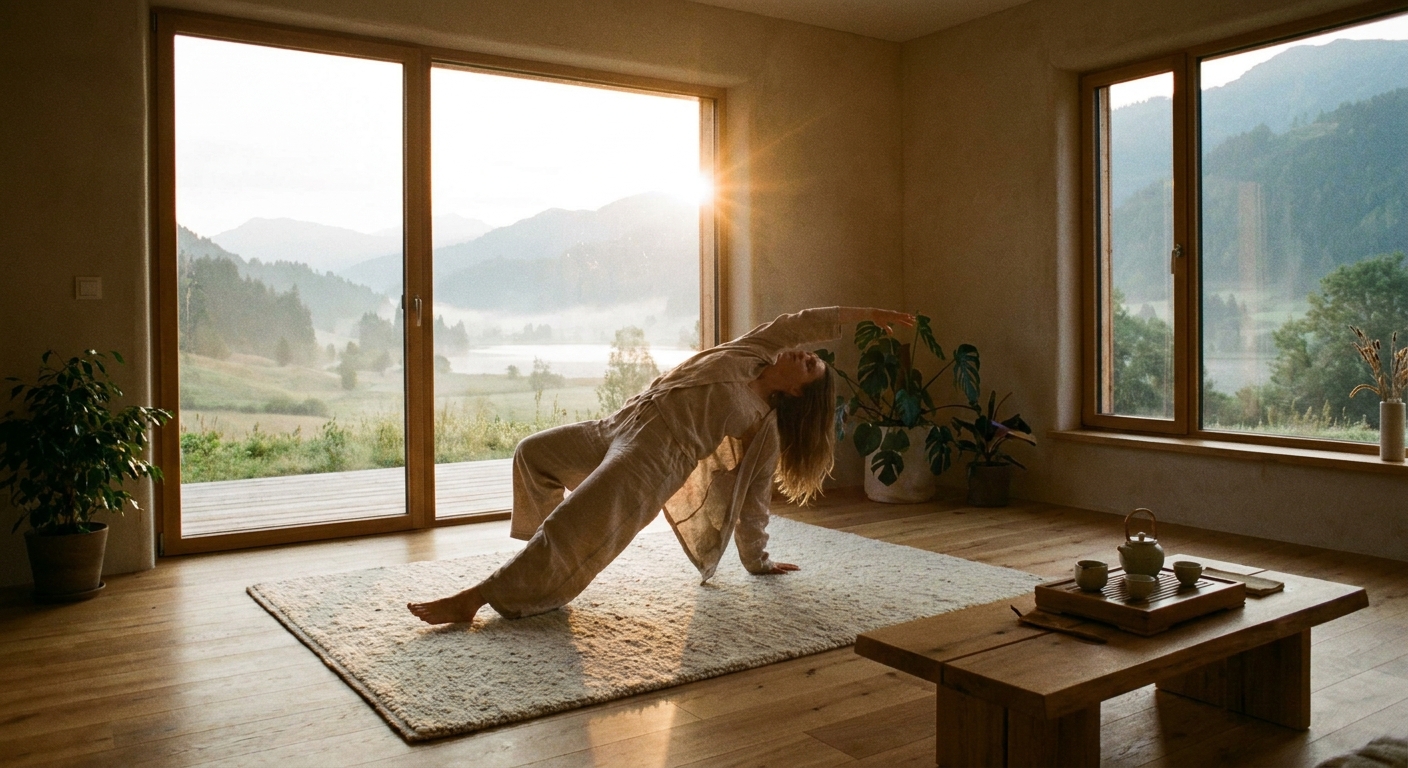
Have you ever woken up feeling already behind? You hit snooze twice, rush through a shower, grab coffee, and before you know it, the day is controlling you instead of the other way around. Now imagine waking up, taking five deep breaths, stretching your body gently, and setting a clear intention for the hours ahead. That is the power of a morning yoga and meditation routine — and it is more accessible than you think.
What exactly is a morning yoga and meditation routine? It is a short, structured practice that combines gentle yoga movements (asanas) with mindfulness or meditation techniques, performed soon after waking. This combination helps stretch your body, regulate your breath, and set a calm, focused intention for the day. Unlike a full workout, it is designed to be accessible — typically lasting 5 to 20 minutes — and can be done in your bedroom with minimal or no equipment.
Main characteristics of an effective morning routine include:
- Accessible: No prior experience or flexibility required.
- Short: Most sessions last between 5 and 20 minutes.
- Holistic: Works on body, breath, and mind simultaneously.
- Adaptable: Can be practiced anywhere, anytime in the morning.
Studies show that just 10 minutes of morning mindfulness can reduce cortisol levels by up to 30% and improve focus throughout the day. Whether you are a complete beginner or a seasoned practitioner, building a sustainable morning practice is one of the best investments you can make in your mental and physical health. With tools like the Vitalizen App | Yoga + Meditation, you can start right from your bedroom.
In this article, we will explore five actionable tips to build a morning yoga and meditation routine that sticks. Plus, we will answer the most common questions beginners have about starting their mindfulness journey. Ready to transform your mornings? Let us dive in.
Why Is a Morning Yoga and Meditation Routine Important?
Your morning hours are a blank canvas. Your mind is fresh, your body is rested, and the world has not yet flooded you with notifications, emails, and demands. This is the perfect window to set the tone for your entire day.
Research published in the Journal of Clinical Psychology found that people who practiced morning meditation reported 40% less anxiety and significantly higher emotional regulation compared to those who meditated later in the day. Similarly, morning yoga helps wake up your spine, improve circulation, and release tension accumulated during sleep.
“People who practiced morning meditation reported 40% less anxiety and significantly higher emotional regulation compared to those who meditated later in the day.” — Journal of Clinical Psychology
How does this work? When you combine slow movement with deep breathing, your body shifts from the sympathetic “fight-or-flight” state to the parasympathetic “rest-and-digest” state. This lowers cortisol, reduces heart rate, and increases alpha brain waves associated with relaxation and focus.
When you combine both — yoga and meditation — you create a powerful mind-body synergy that prepares you not just to work, but to thrive. And the best part? You do not need a studio, expensive equipment, or even a full hour. You just need intention and a little guidance.
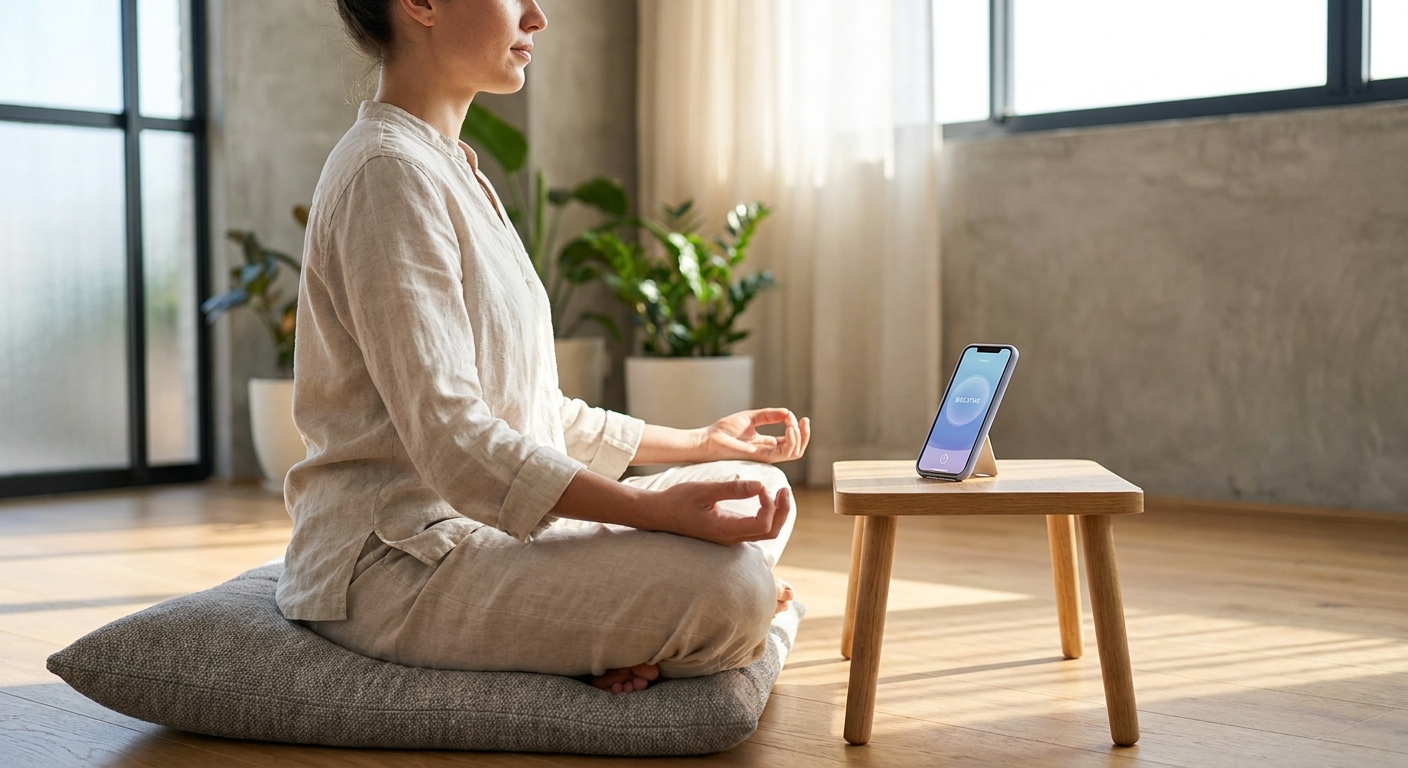
A meta-analysis published in JAMA Internal Medicine reviewed over 40 clinical trials and found that mindfulness practices — including yoga and meditation — significantly reduce symptoms of anxiety, depression, and chronic pain. Moreover, morning practice helps regulate your circadian rhythm. Exposure to gentle movement and mindful breathing early in the day signals to your body that it is time to wake up, improving sleep quality at night.
Even short practices yield measurable results. Research from Harvard Medical School shows that 5 to 10 minutes of daily meditation can change brain regions associated with memory, empathy, and stress regulation. The National Center for Complementary and Integrative Health (NCCIH) continues to recommend mindfulness as a low-cost, accessible way to reduce stress.
Beyond these benefits, a consistent morning practice can improve your digestion, boost your immune system, and increase your overall resilience. It is not just about feeling good in the moment — it is about rewiring your brain and body for long-term wellbeing.
How Can You Build a Morning Yoga and Meditation Routine? 5 Practical Tips
These five tips are designed to meet you exactly where you are. Whether you have five minutes or thirty, whether you are flexible or stiff, whether you have meditated once or never — these strategies will help you build a routine that actually lasts.
Here is a quick overview of the five tips:
- Start small — begin with just 5 minutes.
- Create a sacred space — prime your environment.
- Use a guided app — get expert support.
- Combine breathwork with movement — unite body and mind.
- Track your progress — measure what matters.
1. Start Small with Just 5 Minutes
The number one mistake beginners make is trying to do too much too soon. A 45-minute yoga flow followed by a 20-minute meditation might sound inspiring, but it is not sustainable — especially on a Tuesday morning when you have a meeting at 8 AM.
Instead, start with just five minutes. Spend two minutes stretching your neck and shoulders, one minute in a seated forward fold, and two minutes simply breathing. Once this feels easy, add one more minute each week. This gradual approach builds consistency without overwhelm.
Pro tip: The Vitalizen App offers 5-minute morning sessions specifically designed for beginners. You can literally roll out of bed, press play, and follow along.
2. Create a Sacred Space
You do not need a dedicated yoga room, but having a consistent spot for your practice makes a world of difference. It could be a corner of your bedroom, a spot on your living room rug, or even your balcony. The key is to make it feel special.
Add a cushion, a candle, or a plant. Keep your mat rolled out if possible. When your brain associates that physical space with calm and movement, it becomes easier to transition into practice mode. This is called environmental priming, and it is one of the most effective behavioral hacks for building habits.
3. Use a Guided App Like Vitalizen
Let us be honest: meditating in silence can be intimidating for beginners. Your mind wanders, you wonder if you are doing it right, and five minutes can feel like an hour. That is where guided sessions come in.
A quality yoga and meditation app like Vitalizen provides expert-led audio and video guidance so you never feel lost. Each session includes verbal cues for breath, movement, and mindfulness — making it feel like a personal teacher is right there with you. Plus, the app adapts to your level, so whether you are a beginner or advanced, you always get the right challenge.
And here is the best part: you can start your wellness journey today completely free. No commitments, no pressure — just pure guidance.
4. Combine Breathwork with Movement
Yoga and meditation are not separate practices — they are two sides of the same coin. Breath is the bridge between your body and your mind. When you synchronize movement with breath, you activate your parasympathetic nervous system, which lowers heart rate and reduces stress.
A simple way to start: try three rounds of Sun Salutation A at a slow pace, matching each movement with an inhale or exhale. Then sit for two minutes and simply observe your breath. This combination warms up the body physically while calming the mind mentally — the perfect start to any morning.
For a deeper practice, incorporate pranayama techniques like Nadi Shodhana (alternate nostril breathing) or Kapalabhati (skull-shining breath). These breathing exercises can energize or relax you, depending on your need.
5. Track Your Progress
What gets measured gets improved. Keeping a simple journal or using in-app tracking features helps you see how far you have come. Did you feel more focused today? Less anxious? More energized? Write it down.
The Vitalizen App includes built-in progress tracking so you can monitor your streaks, see your total practice time, and even log how you feel before and after each session. This feedback loop is incredibly motivating and turns your practice into a rewarding habit.
To help you start, here is a sample 7-day beginner routine:
| Day | Activity | Duration |
|---|---|---|
| Monday | 5-min guided meditation + 3 Sun Salutations | 8 min |
| Tuesday | 10-min gentle yoga flow | 10 min |
| Wednesday | 5-min breathing exercise + body scan | 7 min |
| Thursday | 15-min mixed yoga & meditation | 15 min |
| Friday | 5-min energizing yoga + affirmation | 6 min |
| Saturday | 20-min full practice (choose from app) | 20 min |
| Sunday | 10-min mindful stretching + journal | 12 min |
Feel free to adjust based on your energy and schedule. Consistence beats duration.
How Much Does It Cost, and Where/When Should You Practice?
Cost is often the first question. The good news is that a morning yoga and meditation routine can cost nothing at all. All you really need is your body and a quiet floor. If you choose to use an app for guidance, many offer free introductory sessions.
Here is a breakdown of typical costs:
| Option | Cost | Best For |
|---|---|---|
| Free app sessions (e.g., Vitalizen free) | $0 | Beginners testing the waters |
| Premium app subscription | $5–$15/month | Guided sessions, tracking, full library |
| Yoga mat and props | $20–$50 one-time | Comfort, stability, and alignment |
| In-person class | $10–$25 per class | Community and hands-on adjustments |
As for where, any quiet corner works. Your bedroom, living room, balcony, or even a hotel room when traveling. The key is minimal distractions and enough space to stretch your arms wide.
When is just as simple: within the first hour after waking is ideal. Your body is naturally waking up, cortisol is already rising, and a gentle practice helps smooth that transition. Avoid doing intense yoga on a full stomach; if you need to eat first, keep it light and wait 20–30 minutes.
Remember, the best routine is one you actually do. Adapt to your lifestyle, not the other way around.
What Are Common Questions About Morning Yoga & Meditation?
Do I need to be flexible to do morning yoga?
Absolutely not. Yoga is not about touching your toes — it is about what you learn on the way down. Flexibility comes with practice, not before it. Beginners are welcome exactly as they are. In fact, starting your morning with gentle stretches is one of the safest ways to improve flexibility over time. Many of the most profound benefits come from learning to move within your own range of motion with patience and curiosity.
Can I meditate lying down in the morning?
Yes, but with a caveat. Lying down can make you feel sleepy — especially first thing in the morning. If you are prone to falling back asleep, try sitting up with your back supported against a wall or in a comfortable chair. However, if lying down keeps you alert and present, that is perfectly fine. The goal is consistency, not perfection. Experiment with both positions and choose the one that helps you stay awake and aware.
How long should my morning routine be?
Start with 5 to 10 minutes. Seriously. Research shows that short, consistent practices are far more effective than long, sporadic ones. Once you have built the habit for 30 days, gradually increase to 15 or 20 minutes if you feel called to do so. The Vitalizen App offers sessions ranging from 5 to 45 minutes, so you can choose what fits your morning schedule and energy level.
What if I miss a morning — should I skip the day entirely?
No! This is the most important mindset shift you can make. Missing one morning does not mean your practice is ruined. Simply pick up where you left off the next day. Do not try to “make up” for it by doing double the time — that leads to burnout. Consistency over perfection is the golden rule of habit building. Even three mornings a week can produce meaningful benefits over time.
Is the Vitalizen App suitable for complete beginners?
Yes, 100%. The Vitalizen App was designed with beginners in mind. Every session includes clear verbal instructions, visual demonstrations, and modifications for different fitness levels. You will never feel lost or judged. Plus, you can begin your journey for free and explore at your own pace without any pressure to subscribe.
What Does Your Morning Transformation Look Like?
Here is the truth: you already have everything you need to start. You have a body that moves, a breath that flows, and a mind that can learn to be still. The only missing piece is the decision to begin.
And you do not have to do it alone. The Vitalizen App | Yoga + Meditation was built to guide you every step of the way — from your very first Sun Salutation to your first silent meditation. With expert-led sessions, progress tracking, and a supportive community, it is like having a wellness coach in your pocket.
So here is your invitation: tomorrow morning, give yourself five minutes. Roll out your mat — or just sit on the floor — open the Vitalizen App, and breathe. See how it feels. Notice the difference in your energy, your mood, your focus.
🎯 Ready to transform your mornings? Download the Vitalizen App free today and start your first session in under 5 minutes.
Then come back and tell us about it. We would love to hear your story.
And if you want more tips, guides, and inspiration, explore our library of articles on yoga, meditation, and mindful living. Your journey starts now.
Disclaimer: This article is for informational purposes only and does not constitute medical advice. Always consult with a healthcare professional before starting any new exercise or wellness routine.