

Yoga and Meditation for Beginners: Start Your Journey to Inner Peace
Have you ever felt like your mind is running a marathon while your body is stuck in traffic? You are not alone. Millions of people around the world struggle with stress, anxiety, and the feeling of being constantly overwhelmed. The good news? Yoga and meditation for beginners offer a proven path to reclaim your calm. And the best part is that you do not need to be a monk or a contortionist to get started. Let us walk through everything you need to know — from the very first breath to building a sustainable practice that actually fits your lifestyle.
What Is Yoga and Meditation?
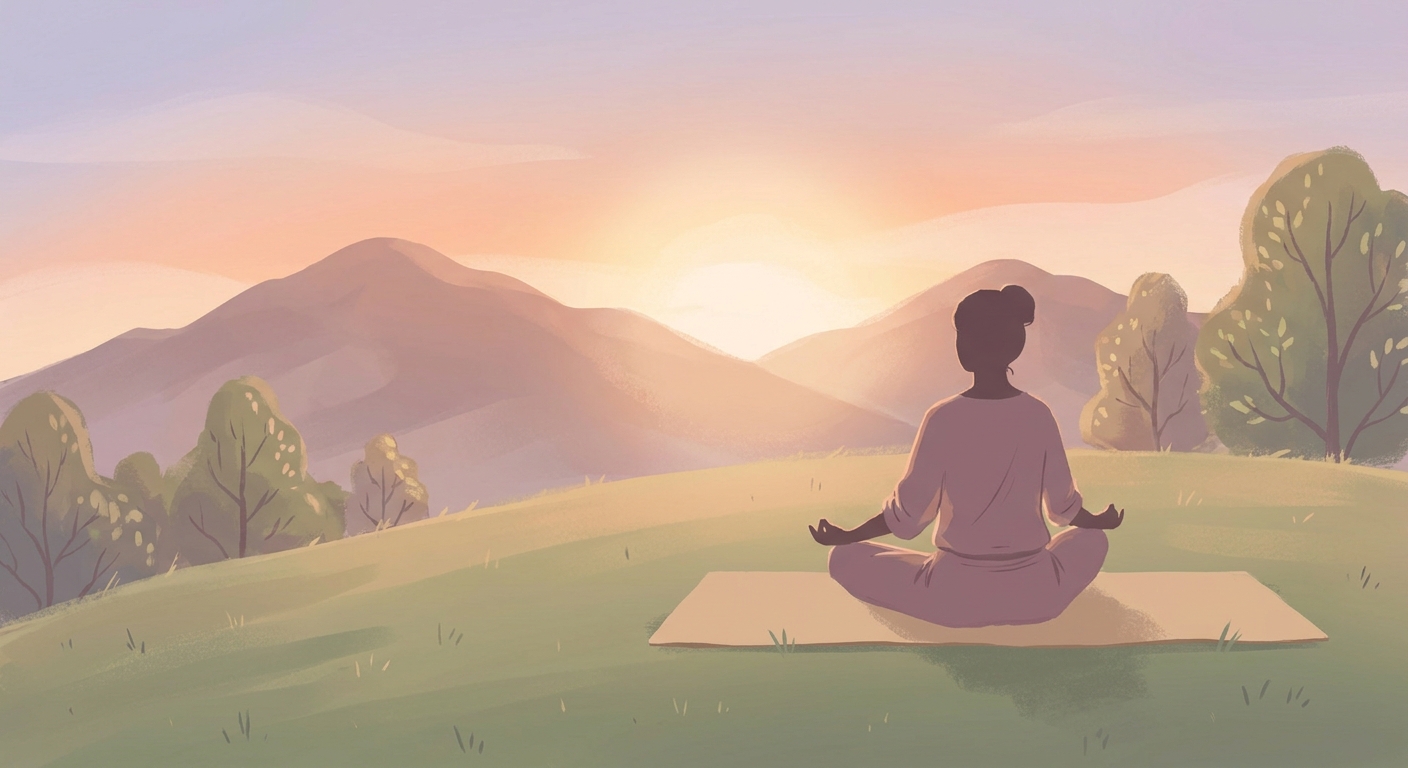
Before diving into poses and breathing techniques, it is important to understand what we are really talking about. Yoga is an ancient practice that combines physical postures, breath control, and mindfulness. Meditation, on the other hand, is a mental practice focused on training attention and awareness. When combined, they create a powerful toolkit for both body and mind.
The benefits are backed by science. Studies show that regular practice can reduce cortisol levels (the stress hormone), improve flexibility, enhance sleep quality, and even boost your immune system. But beyond the science, there is something deeper — a sense of coming home to yourself. If you are curious about how technology can support this ancient wisdom, explore Vitalizen.app | Yoga and Meditation — a modern companion for your mindful journey.
“Yoga is not about touching your toes. It is about what you learn on the way down.” — Jigar Gor
How Can Beginners Start Yoga and Meditation?
Starting something new can feel intimidating, especially when social media shows advanced practitioners bending like pretzels. But here is the truth: every single expert started exactly where you are right now. Follow these five actionable steps to begin your yoga and meditation journey today.
- Find a Comfortable Space. You do not need a fancy studio or expensive equipment. A quiet corner of your room, a yoga mat (or even a towel), and five minutes of uninterrupted time are more than enough. The key is consistency, not perfection.
- Start With Your Breath. Before any pose or mantra, simply observe your breath. Inhale deeply through your nose for four counts. Hold for four counts. Exhale slowly for six counts. Repeat this cycle five times. Congratulations — you just meditated.
- Try Simple Beginner-Friendly Yoga Poses. Mountain Pose (Tadasana), Child’s Pose (Balasana), and Downward-Facing Dog (Adho Mukha Svanasana) are excellent starting points. Hold each pose for 30 seconds and focus on your breathing rather than how your body looks.
- Use Guided Sessions. One of the biggest mistakes beginners make is trying to figure everything out alone. Guided sessions remove the guesswork. The Vitalizen App offers curated sequences designed specifically for beginners, so you never have to wonder what comes next.
- Be Kind to Yourself. Your practice will look different every day — and that is perfectly okay. Some days you will feel strong and flexible. Other days you will feel stiff and distracted. Both are valid. Both are progress.
For a quick breathing exercise you can do right now, try this simple technique:
Inhale for 4 seconds
Hold for 4 seconds
Exhale for 6 seconds
Repeat 5 times
What Are the Most Common Questions About Yoga and Meditation for Beginners?
Let us address the most frequent doubts head-on, so you can move forward with confidence and clarity.
Do I need to be flexible to start yoga?
Absolutely not. Flexibility is a result of yoga, not a requirement. You start where you are, and your range of motion naturally improves over time. The only requirement is showing up.
How long should I meditate as a beginner?
Start with just 3 to 5 minutes per day. Consistency matters far more than duration. Once you feel comfortable, gradually increase to 10 or 15 minutes. The Vitalizen beginner program helps you build this habit step by step.
Can yoga and meditation help with anxiety?
Yes, research shows that both practices activate the parasympathetic nervous system — your body’s natural relaxation response. Many users report significant reductions in anxiety after just two weeks of regular practice. If you want to learn more about how this works, read about the Vitalizen approach here.
Do I need an app or can I practice on my own?
You can absolutely practice on your own, but having guidance — especially at the beginning — makes a massive difference. Apps like Vitalizen App | Yoga + Meditation provide structured programs, reminders, and expert-led sessions that keep you motivated and accountable. It is like having a teacher in your pocket.
What is the best time of day to practice?
The best time is the time that you can consistently stick to. Morning practices can energize your day, while evening sessions help you unwind. Experiment and see what feels natural for you. The key, as always, is consistency over intensity.
How much does it cost to start yoga and meditation?
Starting can be completely free. All you need is a quiet space and comfortable clothing. Many free resources exist online. Paid apps like Vitalizen offer premium guidance for a small monthly fee, but the core practice requires no financial investment.
Where can I practice yoga and meditation?
Anywhere you feel safe and comfortable. A corner of your bedroom, a park, or even your office during a break. The practice is portable — all you need is your body and breath.
When will I see results from yoga and meditation?
Many people notice immediate calming effects after a single session. Measurable changes like improved flexibility, lower stress, and better sleep often appear within 2–4 weeks of consistent practice.
Why Does Yoga and Meditation Work? The Science and Myths
Let us get a little geeky for a moment — because understanding the why behind the practice can be incredibly motivating. When you practice yoga and meditation, several measurable changes happen inside your body and brain.
- Reduced cortisol levels: Your body produces less of the stress hormone, which means you feel calmer throughout the day.
- Increased gray matter: Studies using MRI scans show that long-term meditators have more gray matter in brain regions associated with memory, empathy, and emotional regulation.
- Improved heart rate variability (HRV): A higher HRV is linked to better stress resilience and overall cardiovascular health.
- Better sleep architecture: Regular practitioners fall asleep faster, sleep deeper, and wake up feeling more refreshed.
These are not vague promises — these are measurable, reproducible outcomes. And the best part? You do not need to practice for hours every day to see results. Even 10 minutes daily can create meaningful change over time. In fact, a study from Harvard Medical School found that just 12 minutes of daily yoga can improve bone health and reduce stress (source).
Now, let us clear up some common myths that stop many people from even trying.
Myth #1: “Yoga is only for flexible people.”
Truth: Yoga is for every body. There are modifications for every pose, and flexibility is built over time, not required beforehand.
Myth #2: “Meditation means emptying your mind.”
Truth: Meditation is not about having zero thoughts. It is about noticing your thoughts without judgment and gently returning your focus to your breath or chosen anchor. Your mind will wander — that is normal. The practice is in the return.
Myth #3: “You need at least 30 minutes for it to count.”
Truth: Even 2 minutes of mindful breathing makes a difference. Do not let perfectionism rob you of progress.
Myth #4: “It is a religious practice.”
Truth: While yoga and meditation have roots in ancient spiritual traditions, the modern practice is secular and accessible to people of all beliefs. It is about mental and physical well-being — nothing more, nothing less.
| Benefit | How It Helps | Typical Timeframe |
|---|---|---|
| Stress Reduction | Lowers cortisol, activates relaxation response | Immediate – 2 weeks |
| Improved Flexibility | Gradual lengthening of muscles and connective tissue | 4–8 weeks |
| Better Sleep | Calms the nervous system, reduces nighttime rumination | 1–2 weeks |
| Enhanced Focus | Trains attention and reduces mind-wandering | 2–4 weeks |
For more evidence, check the National Center for Complementary and Integrative Health’s overview of meditation benefits (NCCIH).
How Can You Build a Sustainable Yoga and Meditation Routine?
Let us be honest: motivation fades. What works long term is not willpower — it is systems and habits. Here is how to design a yoga and meditation routine that you will actually enjoy (and therefore actually keep doing).
- Anchor Your Practice to an Existing Habit. Psychologists call this “habit stacking.” After you brush your teeth in the morning, roll out your mat for five minutes. After you pour your morning coffee, take three deep breaths before drinking. Attaching a new habit to an existing one makes it almost effortless to remember.
- Start Smaller Than You Think You Need. Most beginners overestimate how much they can do and underestimate how hard it is to maintain. Start with three minutes of meditation and three gentle yoga poses. Once that feels easy, add one more minute or one more pose. Slow and steady wins the race — every single time.
- Use Technology as Your Ally. You carry a powerful tool in your pocket every single day. Why not use it to support your well-being? The Vitalizen App sends gentle reminders, tracks your streaks, and offers fresh content daily so you never get bored. It is accountability without the pressure.
And if you ever feel stuck or have questions, the team behind Vitalizen is always available to help. Whether you are dealing with an injury, a busy schedule, or simply not knowing where to start — support is just a message away.
What Is Your Next Step? Start Practicing Today
Reading about yoga and meditation is wonderful, but the real transformation happens when you practice. Knowledge without action is just entertainment. So here is your simple, no-excuses next step:
Right now, take three deep breaths. Feel the air entering your lungs. Feel your shoulders relax. Notice the pause between each inhale and exhale. That is it. You just meditated. You just started.
If you want to go deeper — and we sincerely hope you do — begin your wellness journey with Vitalizen today. The app was built by people who believe that inner peace should not be complicated, expensive, or time-consuming. It should be accessible, enjoyable, and, above all, transformative.
Your future self is waiting. All you have to do is start.
Looking for more guidance and inspiration? Browse our articles, tips, and orientations on yoga and meditation — updated regularly with fresh content to support your practice.
Disclosure: This article contains links to external resources marked with rel="nofollow noopener". We believe in transparency and providing valuable, trustworthy information to our readers.