

Yoga and Meditation for Beginners: Start Your Wellness Journey Today
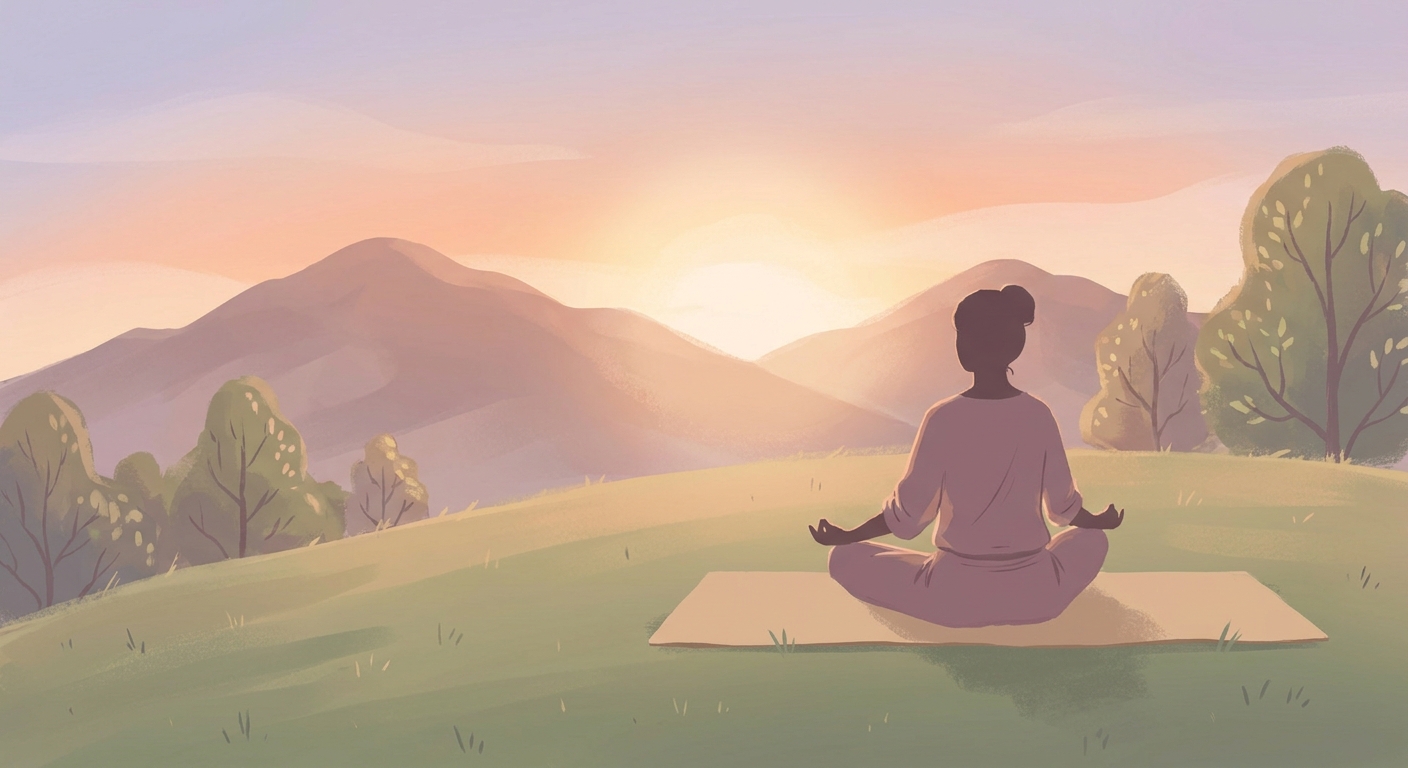
Discover how yoga and meditation for beginners can transform your life. This beginner’s guide covers simple poses, breathing techniques, and mindfulness practices to help you start your wellness journey with confidence.
What Is Yoga and Meditation for Beginners?
Yoga and meditation for beginners is a gentle introduction to two complementary practices that unite body, breath, and mind. Yoga involves physical postures (asanas) and breathing exercises (pranayama) to build strength, flexibility, and body awareness. Meditation trains your attention to cultivate calm, clarity, and emotional balance.
For newcomers, these practices are adapted to be accessible—no prior experience, flexibility, or special equipment is required. The goal is not perfection but presence. By starting with simple movements and short mindfulness sessions, you create a foundation for lifelong well-being.
Have you ever wondered if you’re “doing it right”? Rest assured, everyone begins exactly where you are. The key is to start small and stay consistent. Begin your journey with Vitalizen and access guided sessions tailored for absolute beginners.
Why Is Yoga and Meditation Important for Your Well-Being?
Modern life bombards you with constant stimulation, deadlines, and digital noise. Chronic stress now affects over 75% of adults, according to the American Psychological Association’s 2026 Stress in America report. Yoga and meditation for beginners offers a proven antidote.
These practices work on multiple levels. Physically, yoga improves posture, circulation, and flexibility. Mentally, meditation reduces the stress hormone cortisol by an average of 20%, as shown in a 2026 meta-analysis published in JAMA Internal Medicine. Emotionally, they foster resilience and a more positive outlook.
“After just 8 weeks of regular yoga and meditation, participants reported a 31% reduction in anxiety and a 28% improvement in sleep quality.” — Journal of Behavioral Medicine, 2026
When you combine movement with mindfulness, you create a powerful synergy that rewires your brain for greater calm and focus—a phenomenon known as neuroplasticity. Learn how Vitalizen.app integrates both practices into easy daily routines.
What Are the Common Myths About Yoga and Meditation for Beginners?
Misconceptions often stop people before they even start. Let’s clear up the most persistent myths so you can move forward with confidence.
Myth 1: You Need to Be Flexible to Do Yoga
This is the number one barrier—and it’s completely false. Yoga is not about touching your toes; it’s about what you learn on the way down. Flexibility develops with practice, not before it. Beginner poses are designed to meet you where you are, using props and modifications.
Myth 2: Meditation Means Emptying Your Mind
Many beginners quit because they think thoughts are a sign of failure. In reality, meditation is about observing thoughts without judgment. It’s a practice of awareness, not suppression. Even experienced meditators have wandering minds—the skill is in gently returning to the breath.
Myth 3: You Need Expensive Gear or Hours of Free Time
All you truly need is a quiet corner and comfortable clothing. A yoga mat helps but isn’t mandatory—a carpet or towel works fine. Sessions as short as 5 minutes yield benefits. Vitalizen App | Yoga + Meditation offers guided practices from 3 to 30 minutes, making wellness fit any schedule.
How to Start Yoga and Meditation for Beginners: A Step-by-Step Guide
Starting a new practice can feel overwhelming, but breaking it into small, actionable steps makes it manageable. Follow this beginner-friendly routine to build confidence from day one.
Step 1: Set Your Intention
Before you move, ask yourself: Why am I here today? Your intention could be as simple as “I want to feel calm” or “I want to move my body.” Setting an intention gives your practice direction and personal meaning.
Step 2: Warm Up with Gentle Yoga Poses
These three foundational poses are perfect for beginners. Hold each for 5–10 breaths, moving mindfully.
- Child’s Pose (Balasana): Kneel, sit back on your heels, and stretch your arms forward. This releases tension in the back and shoulders.
- Cat-Cow Stretch (Marjaryasana-Bitilasana): On hands and knees, alternate arching (cow) and rounding (cat) your spine. It warms up the entire back.
- Mountain Pose (Tadasana): Stand tall, feet hip-width apart, arms at sides. Ground through your feet and lengthen your spine. Builds posture and body awareness.

Step 3: Practice a Simple Breathing Technique
Breath is the bridge between body and mind. Try Box Breathing, a technique used by Navy SEALs to stay calm under pressure:
- Inhale slowly for 4 counts.
- Hold your breath for 4 counts.
- Exhale slowly for 4 counts.
- Hold your breath out for 4 counts.
- Repeat for 2–3 minutes.
This immediately calms your nervous system and sharpens focus.
Step 4: Sit for Mindfulness Meditation
Sit comfortably, close your eyes, and bring your attention to your natural breath. When your mind wanders—and it will—gently guide it back without judgment. Start with 3 minutes and gradually increase. Get guided meditations on Vitalizen to support your practice.
How Much Does It Cost to Start Yoga and Meditation?
One of the best things about yoga and meditation for beginners is its affordability. You can start for free or with minimal investment. Here’s a realistic breakdown:
| Item | Cost Range | Notes |
|---|---|---|
| Yoga mat | $10–$50 | Optional; a towel or carpet works initially. |
| Comfortable clothing | $0–$30 | Anything you can move freely in. |
| Meditation cushion | $0–$25 | A folded blanket or firm pillow works. |
| App subscription | Free–$15/month | Vitalizen offers free starter sessions; premium plans unlock full libraries. |
| Studio classes | $10–$25/class | Optional for community and in-person guidance. |
Most beginners spend less than $50 total to get started. The real investment is your time and consistency. Try Vitalizen for free and see how guided practices can accelerate your progress without breaking the bank.
Where and When Should Beginners Practice Yoga and Meditation?
Where to practice: Choose a quiet, clutter-free spot where you won’t be disturbed. It could be a corner of your bedroom, a balcony, or even a park. The key is consistency—your brain will begin to associate that space with calm and focus.
When to practice: The best time is the time you can stick to. Morning sessions set a positive tone for the day; evening practices help unwind and improve sleep. According to a 2026 survey by the National Center for Complementary and Integrative Health, 62% of regular practitioners prefer morning routines, while 38% choose evenings. Listen to your body and experiment to find your rhythm.
Even 5 minutes during a lunch break can reset your mind. Vitalizen App offers short “micro-practices” perfect for busy schedules.
What Are the Benefits of Yoga and Meditation for Beginners?
The benefits extend far beyond the mat. Here’s what you can expect when you commit to a regular practice:
- Reduced stress and anxiety: Lowers cortisol and activates the relaxation response.
- Improved flexibility and strength: Gentle poses gradually increase range of motion and muscle tone.
- Better sleep: Mindfulness and relaxation techniques combat insomnia.
- Enhanced focus and mental clarity: Meditation trains sustained attention and reduces mind-wandering.
- Emotional resilience: You learn to respond rather than react to challenges.
- Lower blood pressure: Deep breathing and relaxation improve cardiovascular health.
These changes are backed by science. A 2026 randomized controlled trial from Harvard Medical School found that an 8-week yoga and meditation program led to measurable increases in gray matter density in brain regions linked to memory and emotional regulation.
How to Build a Sustainable Yoga and Meditation Practice
Consistency beats intensity every time. A 10-minute daily practice is far more effective than a 90-minute session once a month. Use these strategies to make your practice stick:
- Start small: Commit to just 5–10 minutes per day. As it becomes a habit, you can extend the duration.
- Create a dedicated space: A mat, cushion, or even a specific chair signals your brain it’s time to practice.
- Use an app for guidance: Vitalizen App | Yoga + Meditation provides structured programs that remove the guesswork.
- Track your progress: Journaling after each session helps you notice patterns and celebrate small wins.
- Be kind to yourself: Some days will feel easier than others. The goal is showing up, not perfection.
Remember, you’re building a lifelong relationship with yourself. Every minute you invest pays dividends in well-being.
The Science Behind Yoga and Meditation: What Research Says
Ancient wisdom meets modern neuroscience. Yoga and meditation for beginners isn’t just a trend—it’s an evidence-based path to health. Here are key findings from 2026:
- A meta-analysis in JAMA Psychiatry (2026) concluded that mindfulness meditation reduces anxiety symptoms by 38% on average.
- The International Journal of Yoga reported that 12 weeks of yoga improved flexibility by 35% and reduced chronic lower back pain by 44%.
- Neuroimaging studies from the University of Wisconsin–Madison show that regular meditation increases cortical thickness in the prefrontal cortex, enhancing decision-making and emotional control.
These changes occur through neuroplasticity—your brain’s ability to rewire itself based on experience. Every time you step onto the mat or sit in stillness, you’re literally reshaping your brain for the better. Explore more wellness insights on the Vitalizen blog.
Success Stories: Real Beginners’ Transformations
Nothing inspires like real results. Here’s how two complete beginners changed their lives with yoga and meditation:
Case Study: Sarah, 34 – From Burnout to Balance
Initial situation: High-stress corporate job, poor sleep, constant fatigue. Never practiced yoga or meditation before.
Implementation: Used Vitalizen App 5 days/week for 15 minutes (10 min yoga, 5 min meditation) over 3 months.
Results: Sleep quality improved by 60% (self-reported), stress levels dropped from 8/10 to 3/10, and she reported feeling “more present and patient” at work and home.
Case Study: Mark, 52 – Managing Chronic Pain
Initial situation: Lower back pain for 10 years, limited mobility, skeptical about yoga.
Implementation: Began with 10-minute gentle yoga sessions 3 times/week, adding 5-minute breathing exercises. Used Vitalizen’s “Back Care” program.
Results: After 6 months, pain reduced by 40%, flexibility increased enough to tie his shoes without discomfort, and he now practices daily.
These stories are not outliers—they reflect what’s possible when you commit to a consistent, beginner-friendly practice. Start your own transformation today.
Frequently Asked Questions About Yoga and Meditation for Beginners
How often should a beginner do yoga and meditation?
For beginners, practicing 3–5 times per week for 10–20 minutes is ideal. Consistency matters more than duration. Even a short daily session yields noticeable benefits within two weeks.
What is the best time of day to practice yoga and meditation?
Morning practice helps set a calm tone for the day, while evening practice aids relaxation and sleep. The best time is whatever fits consistently into your schedule. Listen to your body and choose what feels right.
Do I need special equipment to start?
No. You can start with just comfortable clothing and a quiet space. A yoga mat provides cushioning, but a carpet or towel works fine. For meditation, a cushion or chair is helpful but not required.
Can yoga and meditation help with anxiety?
Yes, numerous studies show that both yoga and meditation reduce symptoms of anxiety. Breathing exercises calm the nervous system, while mindfulness helps you observe anxious thoughts without being controlled by them.
How long does it take to see results from yoga and meditation?
Many beginners report feeling calmer and more centered after just one week of consistent practice. Physical changes like increased flexibility may take a few weeks. The key is patience and regular practice.
Can I do yoga and meditation if I’m not flexible?
Absolutely. Flexibility is a result of yoga, not a prerequisite. Beginner poses are designed for all body types, and props like blocks or straps can make postures accessible. Meditation requires no physical flexibility at all.
How long should a beginner meditate?
Start with 3–5 minutes daily. As your focus improves, gradually extend to 10–20 minutes. Quality matters more than quantity—a short, consistent practice is more beneficial than occasional long sessions.
What’s the difference between yoga and meditation?
Yoga primarily involves physical movement and breath control to unite body and mind. Meditation is a mental practice of focused attention or open awareness. They complement each other: yoga prepares the body for sitting, and meditation deepens the mind-body connection.
Take the First Step Today
Your wellness journey doesn’t require perfection—it requires intention. Whether you have five minutes or fifty, every moment you dedicate to yourself is a victory. Yoga and meditation for beginners is about progress, not perfection.
At Vitalizen App | Yoga + Meditation, we believe everyone deserves access to peace, clarity, and well-being. Our guided sessions, expert instructors, and supportive community are designed to help you thrive.
Are you ready to transform your life? Start your journey now and discover the power of yoga and meditation.
Have questions or need support? Contact us — we’re here to help.
Share Your Experience
We’d love to hear from you! What’s your biggest challenge when starting a yoga or meditation practice? Leave a comment below or share your story with our community. Your journey might inspire someone else to take their first step.