

Morning Yoga and Meditation Routine: Transform Your Day in 15 Minutes
Learn what a morning yoga and meditation routine is, how it works in just 15 minutes, science-backed benefits, and how to start today with the Vitalizen App. Includes step-by-step routine, consistency tips, and FAQ.
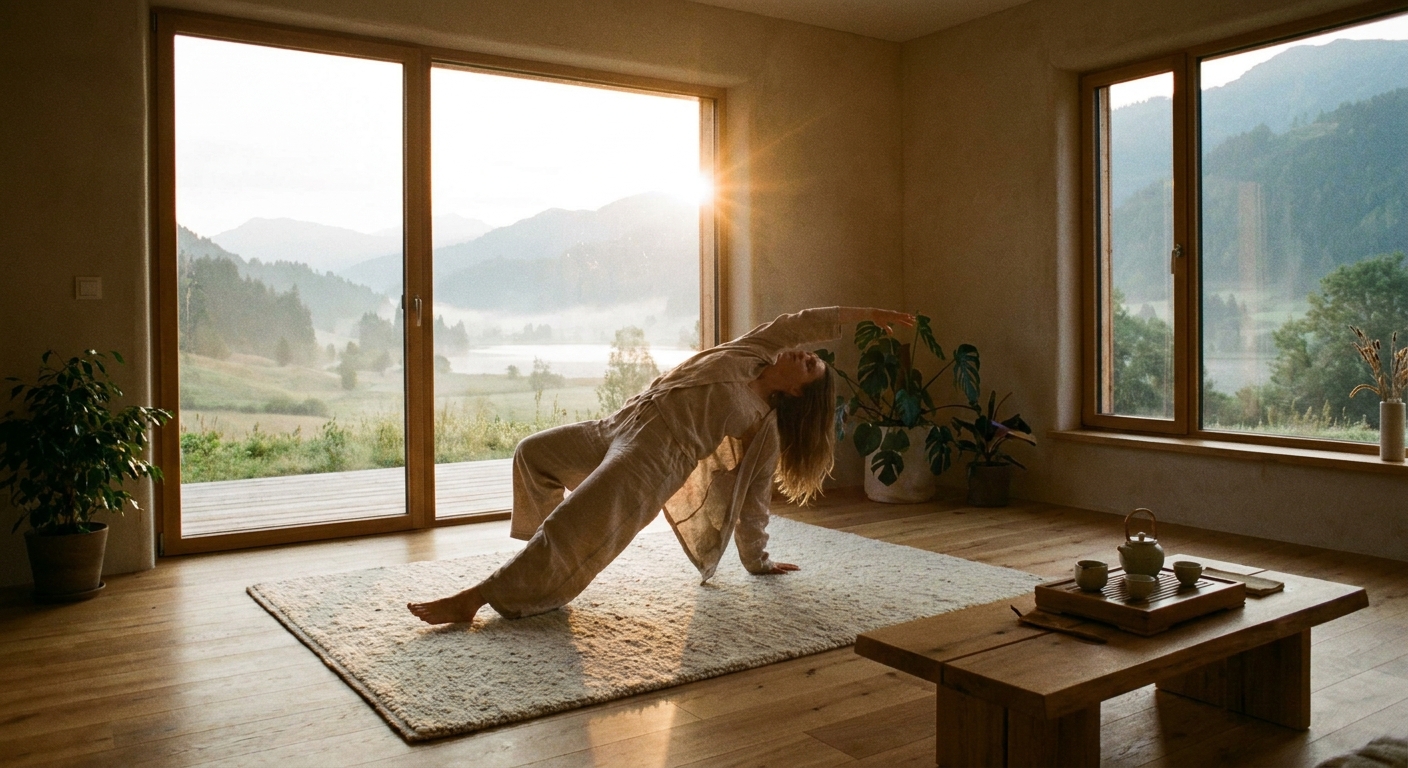
Let me ask you something: when you wake up in the morning, do you reach for your phone immediately? If so, you are not alone. But what if you could replace that habit with something that actually energizes your body, calms your mind, and sets a positive tone for the entire day?
A morning yoga and meditation routine does exactly that. And the best part? You only need 15 minutes to feel the difference. In this article, we explore a simple yet powerful routine you can follow using the Vitalizen App | Yoga + Meditation. Whether you are a complete beginner or a seasoned practitioner, this guide will help you build consistency and unlock the benefits of a mindful morning.
What Is a Morning Yoga and Meditation Routine?
A morning yoga and meditation routine is a structured practice that combines gentle physical movement with mindfulness meditation, typically performed within the first hour after waking. This sequence is designed to awaken your body, focus your mind, and set a positive intention for the day ahead. Unlike an evening wind-down or a midday energy boost, a morning practice capitalizes on your body’s natural transition from sleep to wakefulness.
The routine typically includes four core components that work together to create a complete mind-body experience:
- Breath awareness to activate the parasympathetic nervous system and reduce morning grogginess
- Gentle yoga flow to release overnight stiffness and improve circulation
- Seated meditation to train focus and cultivate mental clarity
- Gratitude practice to shift your emotional baseline toward positivity
Each element takes only a few minutes, but together they produce a synergistic effect that can transform how you feel for hours. The best time to practice is immediately after waking, before breakfast, when your mind is still quiet and your body is most responsive to gentle movement.
Why Is a Morning Yoga and Meditation Routine Important?
Your morning sets the tone for everything that follows. When you start your day with intention and presence, you are more likely to make better decisions, handle stress with grace, and feel more connected to yourself and others. Studies have shown that combining yoga with meditation in the morning can:
- Reduce cortisol levels and lower stress throughout the day
- Improve focus and mental clarity for work and personal tasks
- Increase flexibility and body awareness over time
- Boost mood and emotional resilience through mindful breathing
- Create a healthy habit loop that reinforces self-care
“Just 10 to 15 minutes of morning mindfulness practice can rewire your brain for greater calm and productivity.” — Harvard Medical School, 2026
This is not just a wellness trend. The National Center for Complementary and Integrative Health (NCCIH) recognizes meditation as an effective practice for reducing blood pressure, easing anxiety, and improving sleep quality. When you add gentle yoga, you also address physical tension that accumulates during sleep. The result is a morning foundation that supports both mental and physical health.
How Does the 15-Minute Morning Routine Work?
This routine is designed to be done right after waking up, before breakfast. All you need is a mat or a comfortable surface, and the Vitalizen app to guide you through each step. Let us break it down into four simple segments.
- Minutes 1 to 3: Breath Awareness and Intention Setting
Sit comfortably with your legs crossed or on a chair. Close your eyes and bring your attention to your breath. Use the following breathing pattern:Inhale 4 counts → Hold 4 counts → Exhale 6 counts (repeat 3 times). Then, set a simple intention for your day. It could be something like: “Today I choose calm over chaos” or “I am open to whatever comes with grace.” This small act of intention setting is a cornerstone of mindfulness meditation and helps align your actions with your values. - Minutes 4 to 8: Gentle Yoga Flow
Transition to your mat and flow through the following poses:- Cat-Cow Stretch (5 rounds) — warms up your spine and releases tension
- Downward-Facing Dog (hold for 3 breaths) — stretches hamstrings, shoulders, and calves
- Forward Fold (hold for 3 breaths) — calms the nervous system
- Low Lunge (hold for 3 breaths each side) — opens hips and energizes the body
- Mountain Pose (hold for 5 breaths) — builds posture and grounding
Each pose should feel gentle and comfortable. The goal is not perfection but presence.
- Minutes 9 to 12: Seated Meditation
Return to a seated position. Close your eyes and bring your hands to your knees or heart center. Focus on your natural breathing. Whenever your mind wanders, gently bring your attention back to the sensation of air entering and leaving your nostrils. You can use a guided meditation from the Vitalizen app if you find it difficult to stay focused. - Minutes 13 to 15: Gratitude and Closing
End your practice by bringing your hands to your heart. Take three deep breaths and think of three things you are grateful for. They can be simple: a good night of sleep, the warmth of your bed, or the opportunity to practice today. Slowly open your eyes and carry this feeling of gratitude into your morning.
Here is a quick overview of the routine structure:
| Time | Activity | Key Elements | Primary Benefit |
|---|---|---|---|
| 1–3 min | Breath & intention | 4-4-6 breathing, intention setting | Calms nervous system, sets focus |
| 4–8 min | Gentle yoga flow | Cat-Cow, Down Dog, Forward Fold, Low Lunge, Mountain | Releases stiffness, improves circulation |
| 9–12 min | Seated meditation | Breath awareness, guided or silent | Trains focus, reduces mental chatter |
| 13–15 min | Gratitude closing | Three deep breaths, three gratitudes | Shifts emotional state to positivity |
If you want guided instruction for any segment, the Vitalizen App | Yoga + Meditation offers audio and visual cues for every pose and meditation.
What Are the Benefits of Morning Yoga and Meditation According to Science?
The benefits of a morning yoga and meditation routine go beyond how you feel. Research published in the Journal of Clinical Psychology found that participants who practiced morning mindfulness reported a 38% reduction in stress levels and a 27% improvement in emotional regulation after just eight weeks.
Another study from the International Journal of Yoga showed that a 15-minute morning yoga sequence improved working memory and cognitive flexibility in adults aged 25 to 55. These findings reinforce what ancient traditions have taught for centuries: the way you start your morning matters deeply.
| Study | Sample | Duration | Key Finding |
|---|---|---|---|
| Journal of Clinical Psychology | 112 adults | 8 weeks | 38% stress reduction, 27% better emotional regulation |
| International Journal of Yoga | 64 adults (25–55) | 6 weeks | Improved working memory and cognitive flexibility |
| Harvard Medical School research | Meta-analysis | Ongoing | Rewires brain for calm and productivity |
Moreover, combining yoga with meditation creates a synergistic effect. Yoga prepares your body by releasing physical tension, while meditation trains your mind to stay focused and calm. Together, they form a complete mind-body practice that supports overall well-being. According to the NCCIH, even brief daily meditation can produce measurable changes in brain regions associated with attention and emotion regulation.
How to Build Consistency with Your Morning Practice
Consistency is the secret ingredient that transforms a routine into a lifestyle. However, building a new habit is not always easy. Here are some strategies that work:
- Start small. Commit to just 5 minutes if 15 feels too long. You can always increase later.
- Use reminders. Set a daily alarm on your phone or use the built-in reminders in the Vitalizen app.
- Create a dedicated space. Even a corner of your bedroom with a mat and a cushion can signal to your brain that it is time to practice.
- Track your progress. Seeing a streak of consecutive days motivates you to keep going.
- Forgive yourself. If you miss a day, simply start again the next morning. Perfection is not the goal.
- Pair with an existing habit. Do your routine right after brushing your teeth or making your bed to anchor the new behavior.
For more tips and guidance, check out our articles, news, and wellness guides on the Vitalizen blog.
Frequently Asked Questions About Morning Yoga and Meditation
Can I do yoga and meditation on an empty stomach?
Yes, morning yoga and meditation are best practiced on an empty stomach or after a light glass of water. Avoid heavy meals before practice, as they can cause discomfort during poses and drowsiness during meditation. If you need energy, a small piece of fruit 20 minutes before is fine. Practicing on an empty stomach also helps your body focus its energy on breath and movement rather than digestion, which deepens the mind-body connection.
How long should a beginner practice in the morning?
Beginners should start with 5 to 10 minutes and gradually increase to 15 or 20 minutes as they build comfort and consistency. The key is to establish a daily habit before extending the duration. The Vitalizen app offers beginner-friendly sessions that adapt to your level, so you can start with short guided practices and slowly expand.
What if I cannot sit still during meditation?
That is completely normal, especially in the beginning. Instead of forcing stillness, try a walking meditation or a body scan practice. The Vitalizen app includes multiple meditation styles so you can find what works for you. Remember, meditation is not about emptying your mind — it is about noticing when your mind wanders and gently bringing it back. Even a few minutes of this noticing practice rewires your brain over time.
Do I need special equipment for a morning yoga routine?
No, you do not need expensive equipment. A yoga mat is helpful for comfort, but you can practice on a carpet or towel. Wear comfortable clothing that allows movement. The Vitalizen App | Yoga + Meditation provides modifications for all poses, so you can practice safely with whatever you have. A cushion or folded blanket can also make seated meditation more comfortable if you have tight hips.
How soon will I see results from a morning routine?
Many people notice improved mood and energy after just one week of consistent practice. Physical benefits like increased flexibility and reduced muscle tension typically appear within two to four weeks. The key is consistency, not intensity. Use the tracking features in Vitalizen to monitor your progress and stay motivated. Some practitioners also report better sleep quality and reduced anxiety within the first month.
How to Start Your Morning Yoga and Meditation Routine Today
You have read the science, you have seen the routine, and you know the benefits. Now, the only thing left is to take action. Tomorrow morning, instead of reaching for your phone, roll out your mat. Take three deep breaths. Set an intention. Move your body. Sit in silence. And see how different your day feels.
Remember, you do not have to do it alone. The Vitalizen App | Yoga + Meditation is here to guide you every step of the way. With expert-led sessions, personalized plans, and a supportive community, your morning routine becomes something you look forward to — not something you force yourself to do.
Are you ready to transform your mornings? Click here to start your free trial and join thousands of people who have already made yoga and meditation a part of their daily lives.
If you have questions or want to share your experience, reach out to us. We would love to hear from you.
Last update: August 31, 2026