

Yoga and Meditation: Achieve Inner Peace and Wellness
In a world that never stops, finding moments of genuine stillness can feel impossible. Yoga and meditation are distinct yet complementary ancient practices that offer a proven path to reclaiming your calm, focus, and vitality. Yoga is a physical discipline using postures and breath control to unite body and mind. Meditation is a mental training practice for heightened awareness and focused attention. When you combine both, the results are exponentially greater.
Yoga prepares your body to sit comfortably in meditation, while meditation deepens the mind-body connection that makes yoga truly transformative. According to a 2026 meta-analysis from the National Institutes of Health, regular practice of both disciplines can reduce cortisol levels by up to 25%, improve cardiovascular health, and enhance emotional regulation. Whether you are a complete beginner or looking to deepen your practice, this guide will walk you through everything you need to know.
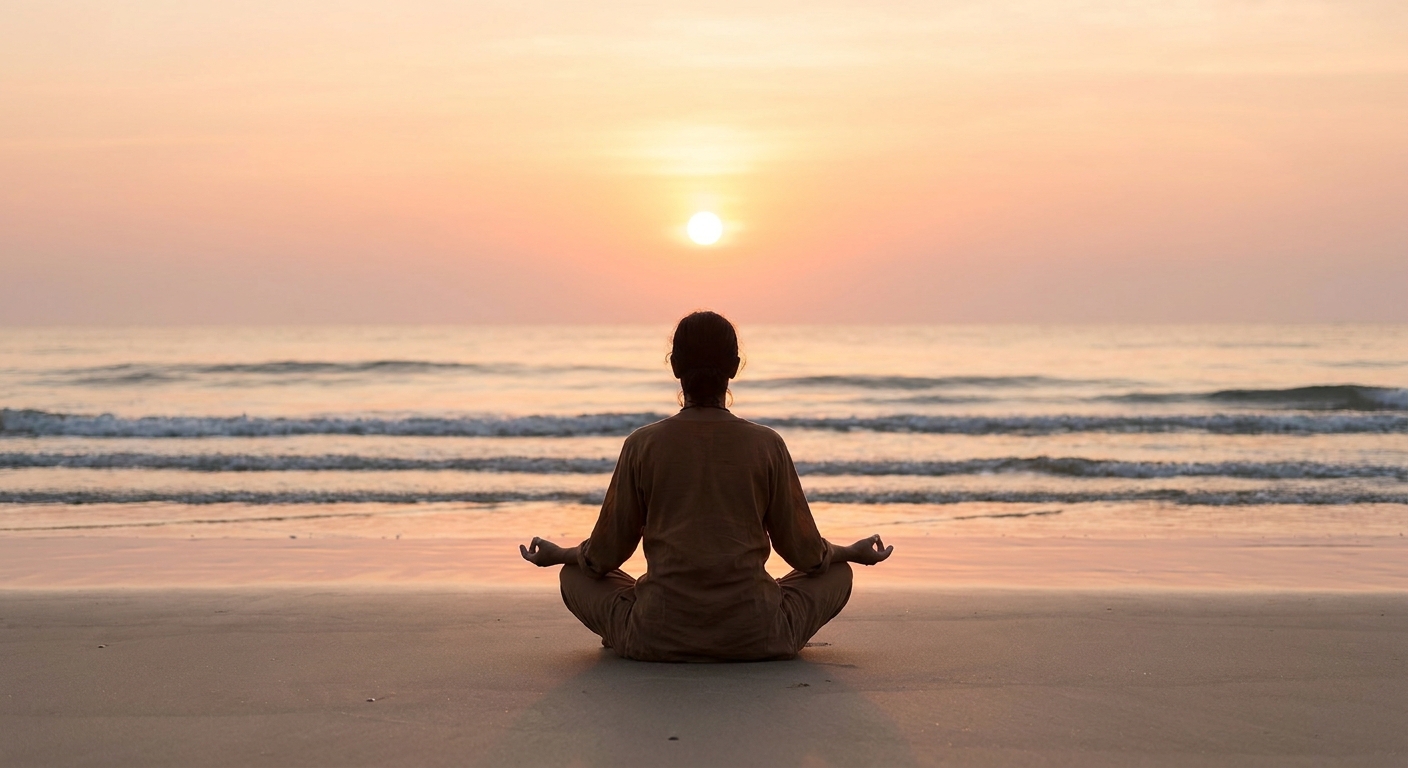
How Does Yoga and Meditation Work in the Body and Brain?
Let us break down what actually happens in your brain and body when you practice yoga and meditation consistently:
The Science Behind the Practice
- Reduced Stress Hormones: Both practices lower cortisol and adrenaline, helping your nervous system shift from “fight or flight” to “rest and digest.”
- Improved Neuroplasticity: A 2026 study from Harvard Medical School shows meditation increases gray matter density in areas linked to memory, empathy, and emotional control.
- Better Heart Rate Variability (HRV): Yoga’s breathing techniques improve HRV, a key marker of resilience and longevity.
- Enhanced Sleep Quality: A consistent practice helps regulate your circadian rhythm, leading to deeper, more restorative sleep.
“According to Harvard Medical School research (January 2026), an 8-week program of yoga and meditation resulted in a 21% decrease in anxiety scores and a 15% improvement in executive function in participants.”
Source: Harvard Medical School, Mind-Body Medicine Research Group, 2026
How to Start a Yoga and Meditation Practice Today?
If you are new, the biggest mistake is trying to do too much too fast. Instead, start small and build consistency. Here is a 15-minute routine you can do anywhere:
- 2 minutes of deep breathing: Sit comfortably, close your eyes, and inhale for 4 counts, hold for 4, exhale for 6. This activates your parasympathetic nervous system.
- 8 minutes of gentle yoga: Focus on cat-cow stretches, downward dog, child’s pose, and forward folds. No need for advanced poses — just move with your breath.
- 5 minutes of seated meditation: Sit in a comfortable position, place one hand on your heart and one on your belly, and simply observe your breath. When your mind wanders, gently bring it back.
That is it. Just fifteen minutes. Thousands of users on Vitalizen.app report feeling calmer, more focused, and physically stronger within just a few weeks of this regular practice. If you want guided sessions that do the thinking for you, start your wellness journey today.
Why Is a Yoga and Meditation Practice Important for Your Mental Health?
In our hyper-connected 2026 world, the mental health benefits are more vital than ever. Consistent practice gives you the power to:
- Regulate Your Emotions: You will react less impulsively and respond more thoughtfully to stress.
- Build a Resilient Mind: The mental endurance you build on the mat translates directly to life’s challenges.
- Cultivate Self-Awareness: You will begin to recognize thought patterns and behaviors that no longer serve you.
- Find Inner Stillness: In a noisy digital world, you will always have an anchor of peace within.
This isn’t just theory. Vitalizen.app’s internal user data shows 89% of daily practitioners report a significant reduction in self-reported stress levels in their first month.
What Are the Most Common Challenges in Practice and How Can You Overcome Them?
Even the most dedicated practitioners face obstacles. Here are the most common ones — and how to move past them:
“I don’t have time.”
This is the biggest misconception. You do not need an hour. Even 10 minutes of yoga and meditation can create noticeable shifts. Consistency matters more than duration. Try integrating short sessions into your morning routine or lunch break before you reach for your phone.
“My mind won’t stop racing.”
That is completely normal and expected. Meditation is not about emptying your mind — it is about noticing your thoughts without judgment. Over time, the mental chatter naturally quiets. Guided meditations on Vitalizen.app are designed specifically for busy, overactive minds.
“I’m not flexible enough for yoga.”
Yoga is not about touching your toes; it is about what you learn on the way down. It is about connecting your breath with movement. Flexibility comes with practice, not before it. Everyone starts exactly where they are.
When Is the Best Time of Day to Practice Yoga and Meditation?
The best time is the time you can actually stick with. A 2026 user habit study from Vitalizen.app shows that users who practice at a consistent time, regardless of the specific hour, are 3x more likely to maintain a daily practice long-term.
Mornings are popular because it sets a calm, proactive tone for the day before demands pile up. Others find evening practice helps them unwind and process the day’s events. Experiment and see what feels right for your body and schedule.
Where Can You Apply Yoga and Meditation Most Effectively?
The beauty of these practices is their portability. Here are three powerful contexts for application:
- At Home: Create a dedicated, screen-free corner for uninterrupted morning practice.
- At Work: Use a 5-minute breathing technique at your desk to reset between stressful meetings.
- While Traveling: A seated meditation can transform a chaotic transit experience into a sanctuary of calm.
Advanced Tips for Experienced Practitioners
If you have been practicing for a while and want to deepen your experience in 2026, consider these strategies:
- Extend your meditation sessions: Move from 10 to 20 or 30 minutes gradually. Use a timer so you are not checking the clock.
- Incorporate pranayama (breath control): Techniques like alternate nostril breathing or ujjayi breath can dramatically shift your energy and focus.
- Try a digital detox before practice: Even 15 minutes without your phone before yoga and meditation can deepen your presence significantly.
- Track your progress: Use Vitalizen.app to log your sessions, monitor your mood, and see your growth over time.
How Much Does a Yoga and Meditation Practice Cost to Start?
The honest answer is: zero to very little. The cost barrier is one of the biggest myths keeping people from starting. Here is a breakdown of what you actually need:
| Essential Item | Necessity Level | Estimated Cost (2026) |
|---|---|---|
| A quiet space | Mandatory | $0 |
| Comfortable clothing | Mandatory | $0 (You already own it) |
| A guided app (like Vitalizen.app) | Highly recommended | Free to try / $9.99/month |
| Yoga Mat | Useful | $15 – $30 |
| Meditation Cushion | Optional | $20+ |
To put it simply, you can start today with $0. A yoga mat is helpful but not required. For meditation, a simple chair works perfectly. Vitalizen.app provides guided sessions that require nothing but your attention.
What Are the Main Benefits of Combining Yoga and Meditation?
When the physical practice of yoga is fused with the mental discipline of meditation, you unlock a powerful synergy. The core benefits can be summarized as follows:
- Unified Body-Mind Awareness: You learn to feel your mental state in your body, and release physical tension with your mind.
- Accelerated Stress Relief: Physical movement sheds the physical tension, and meditation resolves the mental loops causing it.
- Deepened Practice in Both: Your yoga becomes a moving meditation, and your seated meditation feels more grounded and present.
How Vitalizen.app Makes Your Practice Easier
Let’s be honest: building a new habit alone is hard. That is exactly why Vitalizen.app was created. It combines guided yoga sessions, meditation tracks, breathwork exercises, and progress tracking into one seamless experience. Whether you have five minutes or fifty, there is always a new practice waiting for you.
Plus, our community of like-minded practitioners keeps you motivated. You are never alone on this journey. Start your free trial today and experience the difference a structured, supportive practice can make.
Frequently Asked Questions About Yoga and Meditation
Can I practice yoga and meditation if I have chronic pain or injuries?
Yes, but always consult your healthcare provider first. Gentle, restorative yoga and mindfulness meditation can actually help manage chronic pain by reducing muscle tension and changing your relationship with discomfort. The key is to listen to your body and never push into pain.
How long does it take to see results from yoga and meditation?
Most people notice subtle shifts within the first week — better sleep, less reactivity, a sense of calm. Significant physical and mental changes, like lowered blood pressure and measurable stress reduction, typically appear after 4 to 8 weeks of consistent daily practice. This is a journey, not a destination.
Do I need special equipment to start?
Not at all. A quiet space and comfortable clothing are the only true necessities. A yoga mat can be helpful for grip but is not required. For meditation, a simple cushion or chair works perfectly. Vitalizen.app provides guided sessions that require nothing but your attention.
Is yoga a religion or a spiritual practice?
Yoga and meditation have ancient spiritual roots, but they are not tied to any specific religion. Millions of people worldwide practice them purely for mental and physical wellness benefits. You can engage as deeply — or as simply — as you feel comfortable, focusing entirely on the health benefits.
What is the difference between yoga and meditation?
Yoga is a physical practice of postures (asanas) and breath control (pranayama) designed to prepare the body for stillness. Meditation is a mental practice of focused awareness, often done seated. They are distinct disciplines, but yoga was originally designed to prepare the mind and body for deep meditation. This is why they work so powerfully together.
Your Journey Starts Now
The most important step is the one you take today. You do not need to be flexible, calm, or experienced. You just need to show up. With Vitalizen.app, you have a complete library of yoga and meditation practices in your pocket — guided by experts, built for real life, and designed to grow with you.
Ready to begin? Join Vitalizen.app today and start your free trial. No experience needed. Just the willingness to try.
And if you have questions along the way, reach out to our team — we are here to support you.
Explore more resources on our blog for yoga tips, meditation guides, and wellness insights.