

Morning Yoga Routine: 5 Key Benefits to Transform Your Day
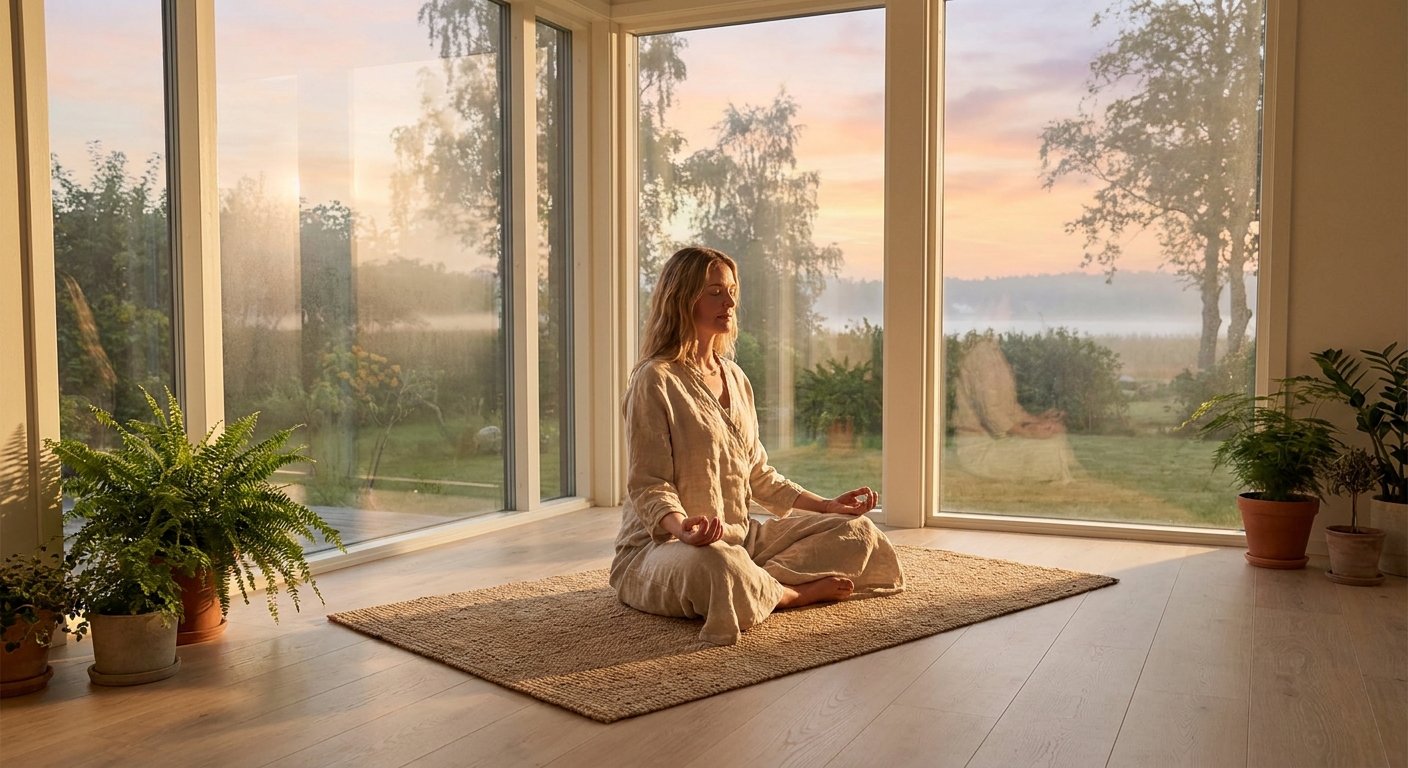
Have you ever woken up feeling groggy, stressed, or simply unprepared for the day ahead? You are not alone. Millions of people struggle with morning fatigue and low energy. But what if a simple morning yoga routine could change everything? Research shows that just 10 to 15 minutes of mindful movement after waking can significantly boost your mood, sharpen your focus, and lower your stress levels throughout the day. In this article, we explore five powerful benefits of starting your morning with yoga and meditation — and how Vitalizen App | Yoga + Meditation makes it easier than ever to build this life-changing habit.
What Is a Morning Yoga Routine and How Does It Work?
A morning yoga routine is a short series of yoga poses, breathing exercises, and often a brief meditation, performed after waking up and before breakfast. This practice typically lasts between 5 and 30 minutes and is designed to gently awaken the body, calm the mind, and set a positive tone for the day. Unlike intense workouts, morning yoga emphasizes mindful, low-impact movement that increases circulation and flexibility without overexerting your body.
How does it work? When you move through poses like Cat-Cow, Downward Dog, or Sun Salutations, you activate your parasympathetic nervous system — the body’s natural relaxation response. At the same time, deep breathing floods your brain and muscles with oxygen, reducing the effects of morning cortisol spikes. According to a 2026 American Psychological Association report, adults who practiced mind-body routines in the first hour after waking reported 27% lower perceived stress levels throughout the day. This is why a morning yoga routine is quickly becoming a non-negotiable habit for high performers, parents, and anyone seeking better mental health.
What does a complete morning yoga routine include? Here are the core elements you can combine to match your needs:
- Gentle movement: Poses that stretch tight muscles and lubricate joints, such as Child’s Pose, Cat-Cow, or a sun salutation flow.
- Breathwork (pranayama): Techniques like deep belly breathing or alternate nostril breathing to oxygenate the body and steady the mind.
- Meditation or intention-setting: A short pause to set an intention for the day, often just 1–2 minutes.
- Mobility and balance: Light dynamic stretches that prepare your nervous system for daily tasks.
Because a morning yoga routine is modular, you can start with as little as five minutes and slowly add elements as you build the habit. The key is consistency, not perfection — a principle the Vitalizen App reinforces through guided daily practices and reminders.
What Are the Main Benefits of a Morning Yoga Routine?
If you are wondering whether a morning yoga routine is truly worth the time, the answer is yes. The benefits go far beyond simple stretching — they impact your energy, nervous system, cognitive function, physical comfort, and long-term resilience. Here is a quick overview of the five transformative benefits covered in this article, along with the research that supports them.
| Benefit | How It Works | Key Evidence |
|---|---|---|
| Natural energy boost | Deep breathing and movement increase blood flow and stimulate the nervous system without caffeine. | Journal of Alternative and Complementary Medicine |
| Reduced stress and anxiety | Mindful movement regulates cortisol and activates the relaxation response. | Harvard Medical School |
| Improved focus and mental clarity | Breath control and physical activity enhance blood flow to the brain and support cognitive performance. | University of Illinois, 2019 |
| Enhanced flexibility and pain relief | Gentle stretching loosens muscles, mobilizes joints, and reduces stiffness associated with sedentary life. | Annals of Internal Medicine |
| Consistency and self-discipline | Starting the day with intentional movement reinforces a system-based approach to long-term health. | James Clear, Atomic Habits |
How Does Yoga Boost Energy Without Caffeine?
Many people reach for coffee first thing in the morning, but a morning yoga routine offers a natural, sustainable energy boost. A study published in the Journal of Alternative and Complementary Medicine found that participants who practiced yoga for 20 minutes in the morning reported significantly higher energy levels compared to those who did not. The combination of deep breathing, gentle stretching, and mindful movement activates your parasympathetic nervous system, helping you wake up feeling refreshed rather than jittery.
In fact, the invigorating effect of morning yoga can last for hours. Unlike caffeine, which provides a temporary spike followed by a crash, yoga increases your baseline energy by improving circulation and oxygenating your cells. This makes you feel more alert and stable throughout the day. With Vitalizen App, you can access guided morning sequences designed to energize your body and mind — no caffeine required. Start your journey today and feel the difference within a few mornings.
How Does Yoga Reduce Morning Stress and Anxiety?
Waking up with a racing mind is more common than you think. Cortisol levels naturally peak in the morning, which can trigger feelings of anxiety. However, a consistent yoga and meditation practice helps regulate this response. According to Harvard Medical School, yoga reduces the production of cortisol and activates the relaxation response, lowering blood pressure and heart rate.
By incorporating just five minutes of meditation into your morning routine, you set a calm tone for the rest of the day. The Vitalizen App offers guided meditations specifically crafted for morning practice, helping you release tension before it builds up. Additionally, you can use simple breathing techniques like 4-7-8 breathing to quickly calm your nervous system. Over time, this practice rewires your brain to handle stress more effectively.
How Does Yoga Improve Focus and Mental Clarity?
Do you often feel foggy or distracted in the first hours of the day? A morning yoga routine sharpens your cognitive function. A 2019 study from the University of Illinois found that just 20 minutes of Hatha yoga improved participants’ reaction time and accuracy on cognitive tasks. The combination of breath control and movement increases blood flow to the brain, enhancing memory, concentration, and decision-making.
Whether you are preparing for a busy workday or a creative project, starting with yoga gives your brain the clarity it needs. To maximize this benefit, try including balancing poses like Tree Pose or Warrior III, which require focus and coordination. Explore the articles, tips, and guided practices on our blog to learn more about optimizing your mental performance.
How Does Yoga Enhance Flexibility and Reduce Pain?
Sitting for long hours, poor posture, and aging can lead to chronic stiffness and pain. A morning yoga routine gently stretches tight muscles, lubricates the joints, and improves overall flexibility. The Annals of Internal Medicine reported that yoga is as effective as physical therapy for reducing lower back pain — one of the most common complaints worldwide.
By dedicating a few minutes each morning to poses like Cat-Cow, Downward Dog, and Child’s Pose, you prevent injury and move through your day with greater ease. Vitalizen App includes beginner-friendly routines that target common pain areas, making wellness accessible to everyone. Consistency is key: even five minutes daily can significantly improve your range of motion and reduce discomfort over time.
How Does Yoga Build Consistency and Self-Discipline?
Perhaps the most transformative benefit of a morning yoga routine is the ripple effect it creates. When you show up for yourself first thing in the morning, you reinforce a mindset of self-care and discipline. This positive momentum often carries over into other areas of life — healthier eating, better sleep, and improved relationships.
“You do not rise to the level of your goals. You fall to the level of your systems.” — James Clear, Atomic Habits
Building a morning yoga habit is one of the most powerful systems you can create. And with Vitalizen App, you get reminders, progress tracking, and a supportive community to keep you accountable. Start with just two minutes if needed, and gradually increase. The act of showing up consistently teaches your brain that you are reliable, which boosts self-confidence.
How to Start Your Morning Yoga Routine Today?
Starting a new habit does not have to be overwhelming. In fact, the simpler your first step, the more likely you are to stick with it. Here is a simple three-step plan to begin your morning yoga routine today — no prior experience or expensive equipment required.
- Set your intention: Decide on a realistic time and duration. Even 5 minutes counts. Choose a place where you can move freely — your bedroom, living room, balcony, or even a quiet office corner.
- Choose your practice: Open Vitalizen App and select a morning yoga or meditation session that matches your mood and energy level. The app offers guided sessions from 5 to 45 minutes, so you can always find something that fits.
- Create a trigger: Pair your practice with an existing habit, such as brushing your teeth or making your bed. This makes consistency effortless. You can also set a reminder in the app to reinforce the loop.
How much does it cost to start? The practice itself is free — all you need is a non-slip surface and comfortable clothing. If you want extra guidance, Vitalizen App offers a free trial, and many practices are available at no cost. A yoga mat is optional but helpful if you practice on hard floors.
When is the best time to practice? Ideally, practice within 30 minutes of waking, before breakfast. This is when your body and mind are most receptive to setting the tone for the day. But if mornings feel rushed, you can start with just five minutes or integrate a short practice during your coffee break. The important thing is to begin.
- You can practice anywhere — at home, in a park, at the office, or while traveling.
- No equipment is strictly required; a mat and water bottle are enough.
- Beginners and experienced yogis alike benefit from short, consistent morning sessions.
Common Mistakes to Avoid in Your Morning Yoga Routine
Even with good intentions, beginners often make mistakes that can hinder progress or cause discomfort. Here are the most common pitfalls and how to avoid them:
- Pushing too hard: Morning bodies are stiff. Respect your limits and avoid forcing deep stretches. Use props like blocks or pillows if needed.
- Skipping warm-up: Jumping straight into intense poses can strain muscles. Start with gentle neck rolls, wrist circles, and cat-cow.
- Inconsistent timing: Practicing at different times each morning makes it harder to form a habit. Set a fixed time and stick to it.
- Comparing yourself: Yoga is not a competition. Focus on your own breath and movement, not on how others look.
- Neglecting breath: Without conscious breathing, yoga becomes mere stretching. Always coordinate movement with inhalations and exhalations.
By avoiding these common mistakes, you will get more out of your morning yoga routine and stay motivated long-term. The Vitalizen App provides clear cues to help you maintain proper form and breathing throughout your practice.
Frequently Asked Questions About Morning Yoga Routines
How long should a morning yoga routine be?
Even 5 to 10 minutes of yoga in the morning can make a significant difference. The key is consistency. As you build the habit, you can gradually increase to 15, 20, or 30 minutes. Vitalizen App offers sessions ranging from 5 to 45 minutes, so you can choose what fits your schedule.
Can I do yoga in the morning on an empty stomach?
Yes, practicing yoga on an empty stomach is actually recommended. A light stomach allows for deeper stretches and better comfort during twists and forward folds. If you feel hungry, try a small piece of fruit or a few nuts 15 minutes before your practice.
What are the best yoga poses for a morning routine?
Some of the most effective morning poses include Cat-Cow for spinal mobility, Downward Dog for full-body stretch, Sun Salutations for energy flow, and Child’s Pose for grounding. Start your practice with Vitalizen App to access guided sequences tailored for morning energy.
Is yoga in the morning better than evening?
Both have benefits, but morning yoga is particularly effective for waking up the body, setting a positive intention, and boosting energy for the day ahead. Evening yoga, on the other hand, is better for winding down and improving sleep quality. The best time is the one you can stick with consistently.
Do I need equipment for a morning yoga routine?
No special equipment is required. A yoga mat can provide comfort, but you can practice on any non-slip surface. Wear comfortable clothing and have water nearby. Vitalizen App guides you through every pose with clear instructions, so you can practice safely anywhere.
Can beginners do a morning yoga routine?
Absolutely. Morning yoga is perfect for beginners because the body is naturally stiffer in the morning, which encourages gentle, mindful movement. Vitalizen App offers beginner-friendly sessions with step-by-step guidance, so you never feel lost or overwhelmed.
Final Thoughts: Your Morning, Your Transformation
A morning yoga routine is more than just exercise — it is a ritual of self-respect and intentional living. From boosting your energy naturally to reducing stress and sharpening your focus, the benefits are backed by science and experienced by millions worldwide. Whether you have five minutes or thirty, the simple act of moving and breathing with intention every morning can create a profound ripple effect across your entire day.
The hardest part is often the first step. But you do not have to take it alone. Vitalizen App | Yoga + Meditation is your companion on this journey, offering guided practices, personalized recommendations, and a community that cheers for you every step of the way.
Ready to transform your mornings? Begin your wellness journey now and experience the power of a mindful morning.
Disclaimer: This article is for informational purposes only and does not replace professional medical advice. Consult your healthcare provider before starting any new exercise routine. Some links in this article are external and provided for reference. Visit our blog for more articles, tips, and guidance on yoga and meditation.
External references: Harvard Medical School — Yoga for Anxiety and Depression | Annals of Internal Medicine — Yoga for Chronic Low Back Pain | American Psychological Association — Stress in America 2026