

How to Start Yoga and Meditation: A Beginner’s Guide (2025)
Discover how to start yoga and meditation as a beginner. Learn practical tips, essential poses, simple techniques, and how the Vitalizen App can support your wellness journey.
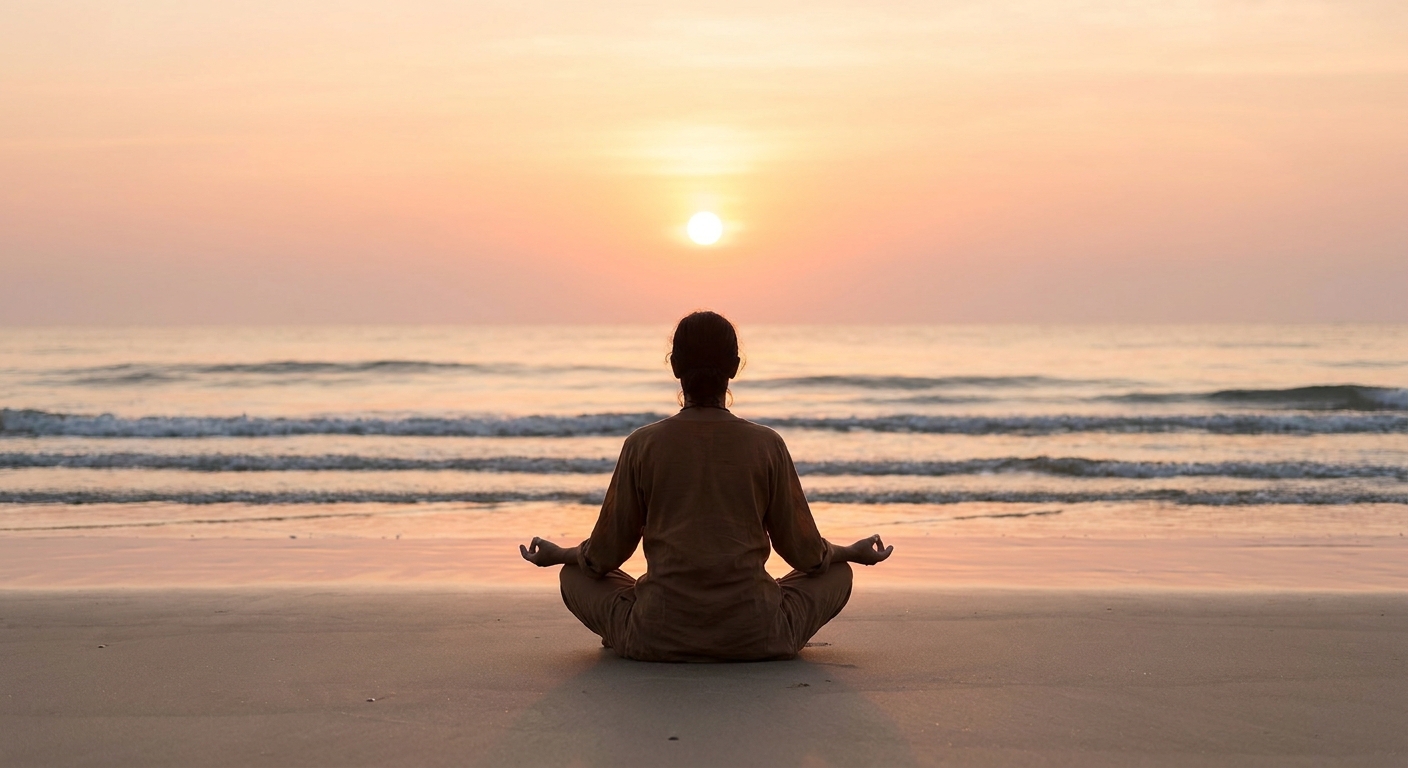
Have you ever felt that overwhelming need to slow down, breathe, and just be present? You are not alone. In a world that never stops spinning, more and more people are turning to yoga and meditation as anchors of peace and clarity. And honestly, there has never been a better time to start.
Whether you are looking to reduce stress, improve flexibility, or simply find a moment of calm in your daily routine, this guide will walk you through everything you need to know. From understanding the basics to building a sustainable practice, we have got you covered. Plus, we will show you how Vitalizen App | Yoga + Meditation can be your perfect companion on this journey.
What Are Yoga and Meditation?
Yoga is an ancient physical, mental, and spiritual practice originating in India. It involves physical postures (asanas), breathing techniques (pranayama), and meditation to promote overall health and well-being. Meditation is a practice where an individual uses a technique—such as mindfulness or focusing the mind on a particular object, thought, or activity—to achieve a mentally clear and emotionally calm state.
Together, they form a powerful combination. Yoga prepares the body for stillness, while meditation trains the mind to remain calm. This synergy creates a complete system for holistic well-being, addressing both physical tension and mental clutter.
Why Are Yoga and Meditation Important for Your Health?
Let us be real for a second. Life can be intense. Between work deadlines, social obligations, and the constant ping of notifications, our minds rarely get a break. That is exactly where yoga and meditation step in as powerful antidotes.
Scientific research has shown that regular practice can lower cortisol levels, improve heart health, enhance focus, and even rewire the brain for greater emotional resilience. According to a study from Harvard Health Publishing, yoga can reduce stress, improve mental clarity, and boost overall well-being. Similarly, the National Center for Complementary and Integrative Health (NCCIH) reports that meditation helps manage anxiety, depression, and pain.
“Meditation is not about stopping thoughts, but recognizing that we are more than our thoughts and our feelings.” — Arianna Huffington
If you are curious about what makes these practices so transformative, check out what Vitalizen.app is all about and how we are redefining wellness for modern lives.
How to Start Yoga as a Complete Beginner?
One of the biggest myths about yoga is that you need to be flexible to start. Nothing could be further from the truth. Yoga is not about touching your toes; it is about what you learn on the way down.
Essential Yoga Poses for Beginners
Here are three foundational poses that will help you build confidence and body awareness:
- Mountain Pose (Tadasana): Stand tall with feet hip-width apart, arms at your sides. Ground through your feet, engage your thighs, and reach through the crown of your head. This pose teaches proper alignment and presence.
- Downward-Facing Dog (Adho Mukha Svanasana): Start on all fours, tuck your toes, and lift your hips toward the ceiling. Press your chest toward your thighs and let your head hang. This pose stretches the entire body and builds upper body strength.
- Child’s Pose (Balasana): Kneel on the floor, touch your big toes together, sit on your heels, and fold forward. Extend your arms in front or alongside your body. This is your go-to resting pose whenever you need a moment.
Remember, every pose can be modified. Use blocks, cushions, or simply adjust as needed. The goal is not perfection; it is presence.
How to Structure Your First Yoga Session
- Start with a warm-up (2-3 minutes): Gentle neck rolls and shoulder shrugs to release initial tension.
- Practice foundational poses (10-15 minutes): Flow slowly between Mountain, Downward-Facing Dog, and Child’s Pose.
- End with relaxation (5 minutes): Lie down in Savasana (Corpse Pose) and allow your body to absorb the benefits of your practice.
How to Start Meditating When You Can’t Sit Still?
If the idea of sitting still for 30 minutes feels impossible, you are in good company. Most beginners struggle with a wandering mind. The good news? That is completely normal, and it is actually part of the practice.
A Simple Meditation Technique to Try Today
Find a comfortable seat, close your eyes, and bring your attention to your natural breath. Notice the sensation of air entering and leaving your nostrils. When your mind wanders — and it will — gently bring it back to the breath without judgment. Start with just five minutes. That is it.
Consistency matters more than duration. A five-minute daily practice will transform your life far more than an hour once a month.
Where Can You Find Guided Yoga and Meditation Sessions?
This is where things get exciting. Vitalizen App | Yoga + Meditation was designed with real people in mind. Whether you have five minutes or fifty, whether you are a complete beginner or an experienced practitioner, the app meets you exactly where you are.
With guided sessions, customizable routines, and a community of like-minded individuals, Vitalizen takes the guesswork out of your practice. No more wondering which pose to do next or how long to meditate. Just open the app and let the journey unfold.
Ready to take the first step? Start your wellness journey today and experience the difference a guided practice can make.
When Is the Best Time to Practice Yoga and Meditation?
While the best time is the time that fits consistently into your schedule, traditional practices often recommend early morning. Practicing at sunrise, when the world is quiet, can set a calm and focused tone for your entire day. However, a gentle evening session is perfect for unwinding and releasing the stress accumulated throughout the day. The key is to choose a time you can stick to and make it a non-negotiable part of your routine.
How to Build a Sustainable Yoga and Meditation Practice?
Let us be honest: starting something new is exciting, but sticking with it is where the real challenge lies. Here are practical strategies to keep your yoga and meditation practice alive:
- Start small: Commit to just five minutes of meditation or 10 minutes of yoga daily. Small wins build momentum.
- Create a ritual: Practice at the same time and place each day. Your brain will begin to associate that space with calm and focus.
- Use technology wisely: Apps like Vitalizen provide structure, guidance, and accountability without overwhelming you.
- Be kind to yourself: Missed a day? No problem. Just come back tomorrow. This is not about perfection; it is about showing up.
What Does the Science Say About Yoga and Meditation?
If you are someone who needs evidence before committing, here is what the research says. Studies published in journals like JAMA Internal Medicine and Frontiers in Human Neuroscience have demonstrated that regular meditation reduces symptoms of anxiety and depression, while yoga improves physical function and quality of life.
Moreover, combining both practices creates a synergistic effect. Yoga prepares the body for stillness, while meditation trains the mind to remain calm even in challenging situations. Together, they form a complete system for holistic well-being.
| Benefit | Practice | Key Finding | Source |
|---|---|---|---|
| Stress Reduction | Meditation | Significant decrease in cortisol levels after 8 weeks | Health Psychology Review |
| Anxiety Relief | Yoga | Comparable to cognitive behavioral therapy for generalized anxiety disorder | JAMA Psychiatry |
| Improved Flexibility | Yoga | Up to 35% increase in flexibility in adults over 50 after 12 weeks | International Journal of Yoga |
| Enhanced Focus | Meditation | Improved attention span and reduced mind-wandering after just 2 weeks | Frontiers in Human Neuroscience |
For more articles, tips, and insights, explore our blog with yoga and meditation articles.
Common Mistakes Beginners Make and How to Avoid Them
Starting a new practice can be intimidating, and it is easy to fall into common traps. Here are a few mistakes to watch out for:
- Comparing yourself to others: Yoga and meditation are personal journeys. Focus on your own progress, not what the person next to you is doing.
- Pushing too hard: Listen to your body. If a pose hurts, back off. Meditation is not about forcing your mind to be blank; it is about observing.
- Being inconsistent: A sporadic practice yields sporadic results. Aim for consistency over intensity.
- Neglecting breath: Breath is the bridge between body and mind. Always coordinate movement with breath in yoga, and use the breath as an anchor in meditation.
How to Choose the Right Style of Yoga for You
Not all yoga is the same. Different styles emphasize different aspects. For beginners, we recommend starting with Hatha Yoga or Vinyasa Flow. Hatha is slower and focuses on holding poses, while Vinyasa links movement with breath in a flowing sequence. Both are widely available and beginner-friendly. As you progress, you can explore more dynamic styles like Ashtanga or restorative styles like Yin Yoga.
Tips for Deepening Your Meditation Practice
Once you have established a basic meditation habit, you can deepen your practice with these techniques:
- Body scan meditation: Slowly move your attention through different parts of your body, noticing sensations without judgment.
- Loving-kindness meditation: Cultivate compassion by silently repeating phrases like “May I be happy, may I be healthy, may I be safe” and then extending them to others.
- Walking meditation: Focus on the sensation of your feet touching the ground as you walk slowly. This is great for those who find sitting difficult.
Remember, the goal is not to have a perfectly quiet mind, but to become more aware of your thoughts and feelings without being controlled by them.
Common Questions About Yoga and Meditation
How long does it take to see results from yoga and meditation?
Most people report feeling calmer and more centered after just one week of consistent practice. Physical changes like improved flexibility typically become noticeable within three to four weeks. The key is consistency rather than intensity.
Can I do yoga and meditation if I have a busy schedule?
Absolutely. Even five minutes of meditation or a short yoga flow can make a significant difference. Vitalizen App offers sessions as short as five minutes, making it easy to fit wellness into even the busiest day.
Do I need special equipment to start?
Not at all. A comfortable mat and loose clothing are enough to begin. As you progress, you might want to add blocks, straps, or a meditation cushion, but none of these are required to start your practice.
Is Vitalizen App suitable for complete beginners?
Yes. Vitalizen was built with beginners in mind. The app offers step-by-step guidance, beginner-friendly sessions, and a supportive community. You do not need any prior experience to start. Begin your journey here.
How often should I practice yoga and meditation?
Daily practice, even if short, is ideal. However, three to four times per week is enough to experience meaningful benefits. Listen to your body and adjust as needed. The goal is sustainability, not burnout.
Your Journey Starts Now
There is no perfect moment to begin. The best time to start your yoga and meditation practice was yesterday; the second best time is right now. Every expert was once a beginner, and every journey starts with a single breath.
Whether you choose to practice alone, with a community, or with the guidance of Vitalizen App | Yoga + Meditation, remember that this is your journey. Move at your own pace, honor your body, and celebrate every small victory along the way.
If you have questions or want to share your experience, we would love to hear from you. Get in touch with us and become part of a growing community of people who have chosen wellness as their way of life.
Now, take a deep breath. You have already started.