
Stress Relief with Yoga and Meditation
Let’s be honest for a moment. Stress has become an unwanted roommate in most of our lives. It shows up uninvited, eats our mental energy, and leaves a mess of anxiety, poor sleep, and brain fog behind. But here’s the good news: you don’t need a prescription or a therapist on speed dial to find relief. Yoga and meditation are two of the most powerful, science-backed tools available to help you reclaim your calm. And with the Vitalizen App | Yoga + Meditation, consistent practice has never been easier.
In this article, we will walk through how stress actually works in your body, why movement and mindfulness are such effective antidotes, and — most importantly — how you can start building a sustainable practice today.
How Yoga and Meditation Reduce Stress
Before we dive into solutions, it helps to understand the problem. Stress triggers your sympathetic nervous system — the “fight or flight” response. This was incredibly useful when our ancestors faced predators, but today it fires off because of emails, traffic, and deadlines. Cortisol and adrenaline spike, your heart rate increases, and your body stays in a state of high alert.
When this state becomes chronic, it leads to:
- Persistent fatigue and low energy
- Difficulty concentrating or making decisions
- Muscle tension and headaches
- Emotional irritability and mood swings
- Disrupted sleep patterns
The real question is: how do you switch off this response? The answer lies in activating the parasympathetic nervous system, your body’s natural “rest and digest” mode. And both yoga and meditation are remarkably effective at doing exactly that.
Yoga Techniques for Stress Relief
Yoga is far more than stretching. When practiced intentionally, it becomes a moving meditation that connects breath with movement, grounding your mind in the present moment. Research published in Frontiers in Psychiatry shows that regular yoga practice can significantly reduce cortisol levels and improve overall emotional regulation.
Here are specific ways yoga combats stress:
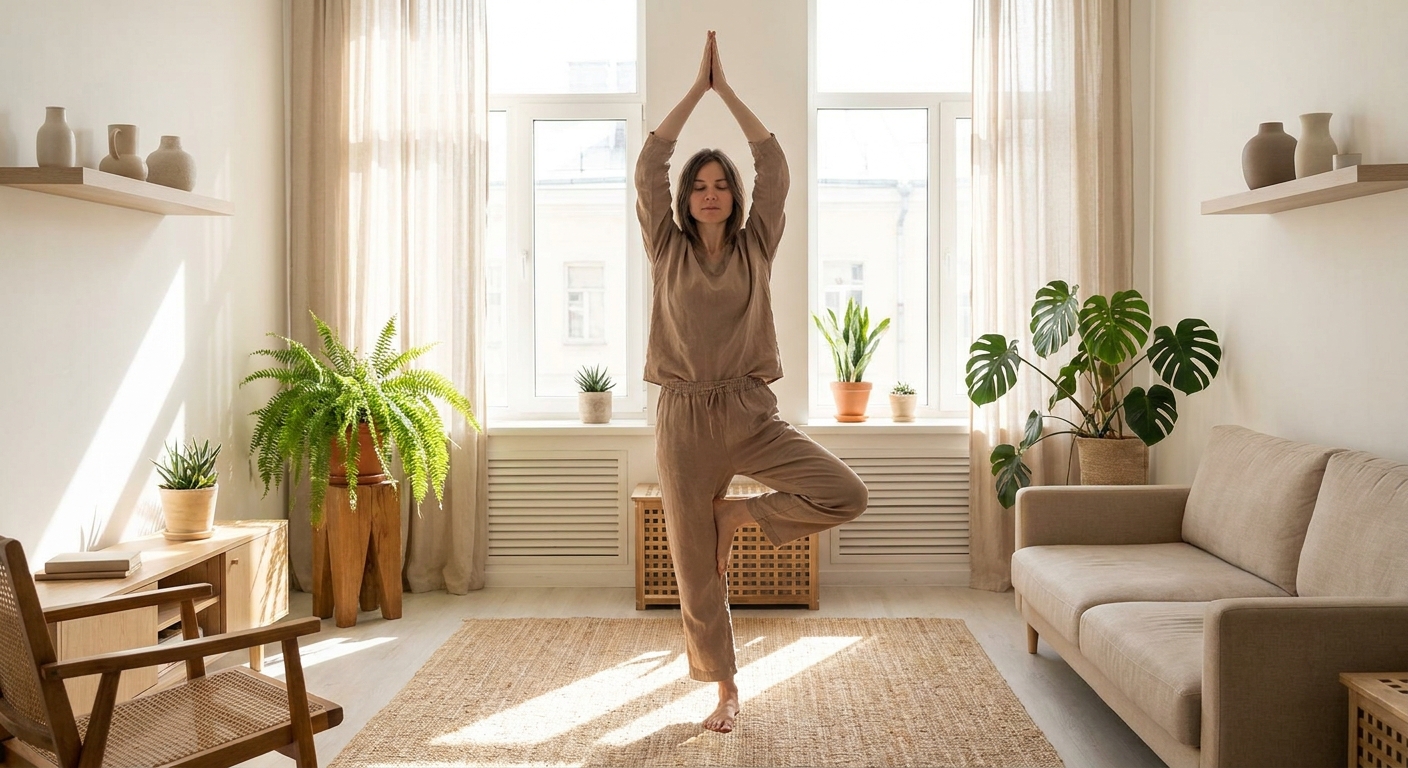
- Breath-Led Movement Calms the Nervous System: In yoga, each pose is linked with an inhale or exhale. This conscious breathing sends signals to your brain that it is safe to relax. Slow, diaphragmatic breathing — often used in poses like Balasana (Child’s Pose) — lowers heart rate and blood pressure almost immediately.
- Physical Release of Stored Tension: Stress lives in the body. Tight shoulders, a clenched jaw, and a stiff lower back are physical manifestations of mental strain. Yoga poses like Downward Dog, Cat-Cow, and Hip Openers help release fascia and muscle tension, creating a literal “unwinding” effect.
- Mindfulness in Motion: When you focus on aligning your body and following your breath, there is simply no mental space left for worrying about tomorrow’s meeting or rehashing yesterday’s argument. Yoga trains your brain to anchor in the now — a skill that carries over into daily life.
Meditation Techniques for Calm
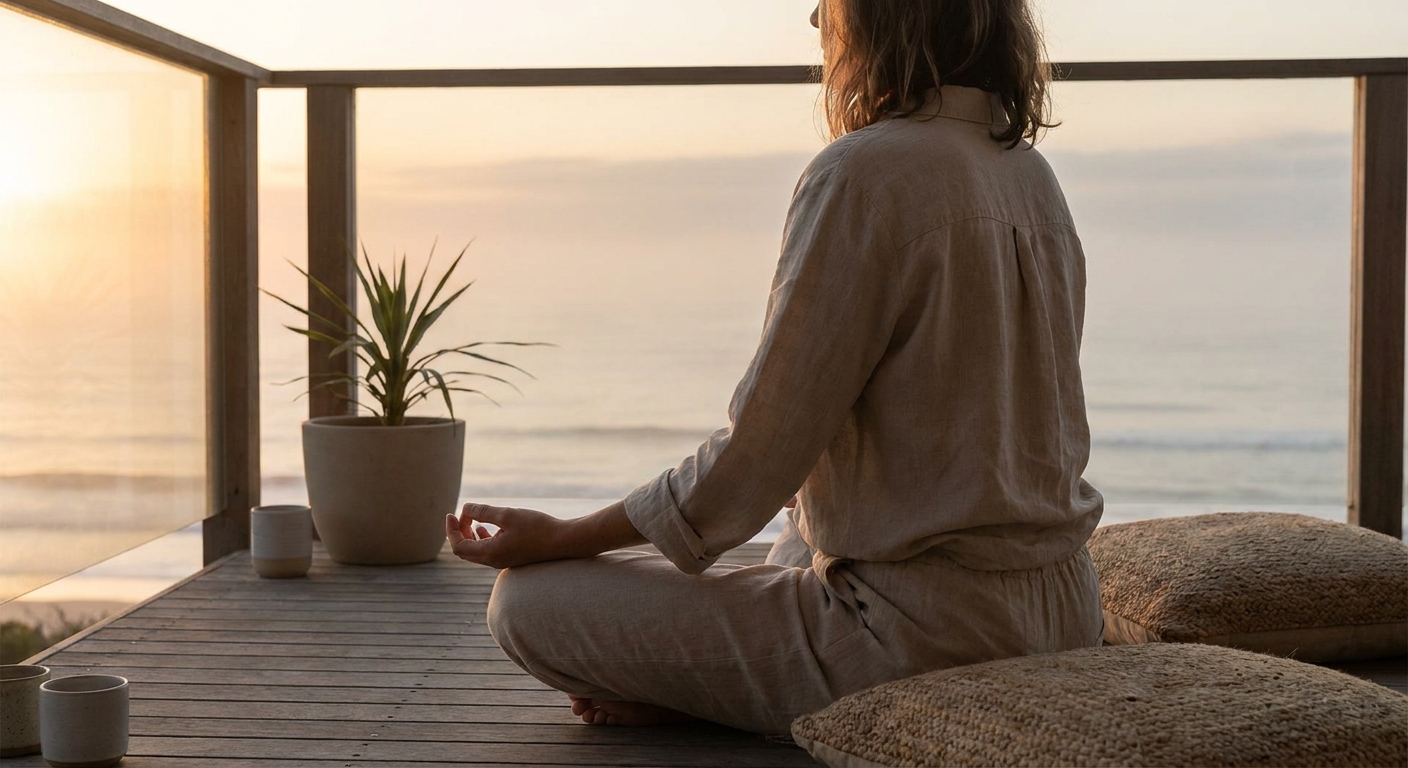
If yoga is the active practice, meditation is the deep rest. Meditation for anxiety works by changing the structure of your brain over time. Neuroscientific studies using MRI scans have shown that regular meditation reduces the size of the amygdala — the brain’s fear center — while strengthening the prefrontal cortex, which governs rational thought and emotional control.
But you do not need to sit cross-legged for an hour to see benefits. Even five minutes daily can create measurable change.
- Breath Awareness: The simplest form of meditation is watching your breath. Sit comfortably, close your eyes, and pay attention to the sensation of air entering and leaving your nostrils. When your mind wanders — and it will — gently bring it back. This act of returning to the breath is the actual exercise. Every time you do it, you strengthen your ability to focus and let go of stress.
- Body Scan Meditation: Lie down and mentally scan your body from the top of your head to the tips of your toes. Notice areas of tightness without judgment. Simply observing tension often allows it to dissolve naturally. This technique is particularly effective before sleep.
- Loving-Kindness Meditation: Stress often makes us irritable with ourselves and others. Loving-kindness meditation involves silently repeating phrases like “May I be happy. May I be safe. May I be at ease.” You then extend these wishes to others. This practice has been shown to increase positive emotions and reduce symptoms of anxiety.
“The greatest weapon against stress is our ability to choose one thought over another.” — William James
The Science Behind Mindfulness and Yoga
Let’s look at what the numbers say. A meta-analysis published in JAMA Internal Medicine reviewed over 47 clinical trials and found that mindfulness meditation programs showed moderate to strong evidence in reducing anxiety, depression, and pain. Another study from Harvard University demonstrated that eight weeks of mindfulness-based stress reduction (MBSR) led to measurable increases in gray matter density in the hippocampus — the region associated with memory and emotional regulation.
Similarly, yoga research from the National Center for Complementary and Integrative Health found that yoga can be as effective as cognitive behavioral therapy for managing generalized anxiety disorder in some patients.
These findings reinforce what practitioners have known for thousands of years: the mind-body connection is real, and harnessing it through intentional practice transforms your mental health.
Building a Sustainable Practice
Knowing the benefits is one thing. Actually showing up on your mat or cushion every day is another. The key is start small and be consistent. Here is a simple framework:
- Morning (5-10 minutes): Sun Salutations followed by 3 minutes of seated breath awareness. Sets a calm tone for the day.
- Midday (3-5 minutes): Desk stretches and a quick body scan to reset focus.
- Evening (10-15 minutes): Gentle Yin yoga or restorative poses like Legs-Up-The-Wall, followed by a guided meditation.
And here is where a guided tool makes all the difference. The Vitalizen App was designed specifically to remove the friction from building a wellness routine. With curated yoga flows, guided meditations, and breathwork exercises, you have a personal instructor and mindfulness coach in your pocket — available whenever you need it.
If you are ready to take the first step, start your wellness journey here and experience the difference a consistent practice can make.
Overcoming Common Obstacles
You might be thinking: “I’m too busy.” or “I’m not flexible enough.” or “I can’t quiet my mind.” These are the most common roadblocks, and they all have simple solutions.
- “I don’t have time”: You do not need an hour. A 5-minute breathing exercise during your coffee break counts. Consistency matters far more than duration. The Vitalizen App offers sessions from 3 to 60 minutes, so you can always find time that fits your schedule.
- “I’m not flexible”: Yoga is not about touching your toes. It is about what you learn on the way down. Flexibility comes with practice, not before it. Start with gentle, beginner-friendly sequences and progress at your own pace.
- “My mind won’t stop racing”: That is normal. The goal of meditation is not an empty mind, but the ability to notice when your mind has wandered and gently guide it back. Every time you do that, you are building mental strength. Guided meditations in the Vitalizen App are designed specifically for beginners who struggle with racing thoughts.
Quick Stress Relief Techniques
Here are three techniques you can use the moment stress spikes, no mat or app required:
- The 4-7-8 Breath: Inhale for 4 counts, hold for 7, exhale for 8. Repeat 4 times. This activates your parasympathetic nervous system within seconds.
- Progressive Muscle Relaxation: Tense each muscle group for 5 seconds, then release. Start from your feet and work up to your face. This breaks the cycle of physical tension.
- 5-4-3-2-1 Grounding: Look around and name 5 things you see, 4 you can touch, 3 you hear, 2 you smell, and 1 you taste. This forces your brain back to the present moment.
For deeper guided practices, explore the full library of exercises on the Vitalizen App or check out our blog for more tips, news, and wellness insights.
Frequently Asked Questions About Stress, Yoga, and Meditation
How long does it take for yoga to reduce stress?
Many people report feeling calmer immediately after a single session. For lasting and measurable changes in stress levels, studies suggest practicing consistently for 4 to 8 weeks at least 2-3 times per week produces significant reductions in cortisol and anxiety.
Can meditation replace therapy for anxiety?
Meditation is a powerful complementary tool, but it is not a replacement for professional medical or psychological treatment. If you are dealing with severe anxiety, depression, or trauma, we strongly recommend working with a licensed therapist. Meditation can be an excellent addition to your treatment plan, as supported by multiple clinical studies.
What type of yoga is best for stress relief?
Gentle styles like Hatha, Yin, and Restorative yoga are generally best for stress relief. These styles emphasize slow movement, longer holds, and deep breathing. However, even a more active Vinyasa flow can reduce stress if practiced with mindful awareness. The Vitalizen App offers classes in all styles so you can find what resonates with you.
Your Journey to Calm Starts Today
Stress does not have to control your life. With the right tools and consistent practice, you can transform how your mind and body respond to pressure. Yoga and meditation are not quick fixes — they are skills you build over time, and every minute you invest pays dividends in peace, clarity, and resilience.
The hardest part is taking the first step. And you do not have to take it alone. Whether you are a complete beginner or returning to practice after a long break, Vitalizen App | Yoga + Meditation is here to guide you every step of the way.
Ready to experience real stress relief? Begin your wellness journey now and discover how good it feels to breathe, move, and be present.
If you have questions or want to share your experience, contact our team. We would love to hear from you.