

Yoga for Beginners: How to Start Your Practice at Home Today
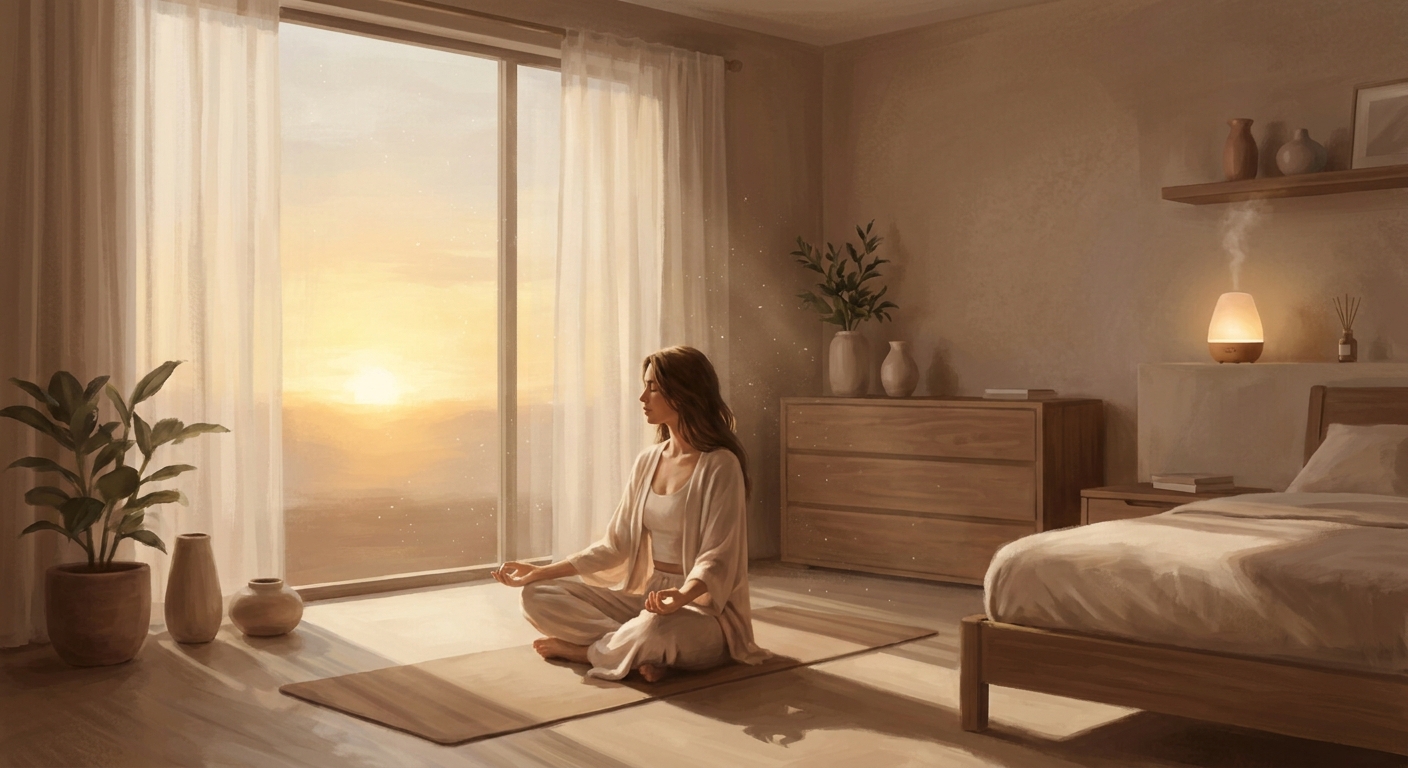
Starting yoga for beginners can feel overwhelming, but it doesn’t have to be. Discover how to begin your yoga and meditation journey at home with the right guidance, simple poses, and a supportive app like Vitalizen.
What is Yoga for Beginners?
Yoga for beginners is a gentle, accessible introduction to the practice of yoga, designed specifically for people who have never stepped on a mat before. It focuses on fundamental poses, mindful breathing, and conscious movement, removing the intimidation factor. You don’t need to be flexible, strong, or experienced — just willing to show up.
Instead of chasing advanced postures, yoga for beginners teaches you to connect your breath with each movement, calm your mind, and build strength from the inside out. It’s a practice you can start today, right in your living room, with nothing more than a quiet corner and a few minutes of your day.
Why Start Yoga at Home?
In a world that constantly demands more, yoga for beginners offers a much-needed pause. It’s not just about physical exercise; it’s a holistic tool that reduces stress, improves flexibility, and cultivates mental clarity. According to a 2026 study by the American Psychological Association, 73% of adults who practice yoga weekly report significantly lower stress levels (source).
“Yoga is the journey of the self, through the self, to the self.” — The Bhagavad Gita
For many, a beginner practice becomes the foundation of a lifelong wellness habit. It’s accessible to all ages, body types, and fitness levels, and it can be adapted to any schedule — even five minutes a day brings measurable benefits.
Beginner yoga operates on a simple principle: link breath with movement. Each pose is entered with an inhale or exhale, and the attention stays on the sensation of the body, not on achieving a perfect shape. This mindful approach rewires the nervous system, moving you from a state of stress to one of relaxation.
How to Start Your Home Practice
What You Need to Start Yoga at Home
One of the biggest myths is that yoga requires expensive gear. In reality, you can start with just a few basics:
- A yoga mat — any non-slip surface works, even a towel on carpet.
- Comfortable clothing — wear something that allows you to move and stretch freely.
- A quiet space — a corner of your living room, bedroom, or even a balcony.
- Water and a towel — stay hydrated and comfortable.
That’s it. No expensive memberships, no special outfits, no prior experience required. The most important tool you need is willingness, and maybe a good guided yoga app to begin your journey.
5 Simple Yoga Poses for Absolute Beginners
Before you commit to a full class, get familiar with these five foundational poses. They’re safe, effective, and appear in nearly every session.
| Pose | Primary Benefit | Hold Time (Breaths) |
|---|---|---|
| Mountain Pose (Tadasana) | Improves posture & body awareness | 5 |
| Downward-Facing Dog (Adho Mukha Svanasana) | Stretches hamstrings, calves & spine | 5 |
| Cat-Cow Pose (Marjaryasana-Bitilasana) | Relieves back tension & warms spine | 5 cycles |
| Child’s Pose (Balasana) | Calms nervous system & rests body | 5–10 |
| Corpse Pose (Savasana) | Integrates practice & induces deep relaxation | 2+ minutes |
Mountain Pose (Tadasana)
Stand tall with your feet together, arms at your sides. Press your weight evenly into your feet, engage your thighs, and lengthen your spine. Take five deep breaths. This pose improves posture and body awareness.
Downward-Facing Dog (Adho Mukha Svanasana)
Start on your hands and knees. Tuck your toes, lift your hips up and back, and straighten your legs as much as feels comfortable. Press your hands firmly into the mat. Hold for five breaths. This pose stretches your hamstrings, calves, and spine.
Cat-Cow Pose (Marjaryasana-Bitilasana)
On your hands and knees, alternate between arching your back like a cat (tucking your chin) and dropping your belly while lifting your head and tailbone. Move with your breath. This gentle flow relieves back tension and warms up the spine.
Child’s Pose (Balasana)
Kneel on the mat, sit back on your heels, and fold forward, resting your forehead on the floor. Extend your arms forward or alongside your body. Breathe deeply for five to ten breaths. This is a resting pose that calms the nervous system.
Corpse Pose (Savasana)
Lie flat on your back, arms relaxed at your sides, palms facing up. Close your eyes and let your entire body soften. Stay here for at least two minutes. This pose integrates the benefits of your practice and teaches deep relaxation.
Practicing these poses daily, even for five minutes, builds confidence and prepares your body for longer sessions. For a full guided experience, explore the Vitalizen.app yoga and meditation programs designed specifically for beginners.
5 Steps to Build Your Consistent Yoga Routine
Consistency matters more than duration. A five-minute daily practice is far more effective than a one-hour session once a month. Here’s a step-by-step plan to create a routine that sticks:
- Start small. Commit to five minutes every morning or evening.
- Use a guided app. Let an instructor lead you so you don’t have to think about what comes next.
- Set a reminder. Link your practice to an existing habit, like brushing your teeth or having your morning coffee.
- Track your progress. Note how you feel after each session in a journal or app.
- Be kind to yourself. Missed a day? No problem. Just get back on the mat tomorrow.
Many beginners find that using a structured program helps them stay motivated. The Vitalizen App offers short, beginner-friendly sessions that fit into any schedule, with guided instructions and calming meditation tracks to complement your yoga flow.
Yoga and Meditation: A Powerful Combination
Yoga prepares your body, and meditation prepares your mind. When practiced together, they create a holistic wellness routine that reduces stress, improves focus, and enhances emotional balance.
After your yoga session, try sitting quietly for three minutes, focusing on your breath. Notice how your body feels lighter and your mind more clear. This simple transition from movement to stillness is the essence of a complete mind-body practice.
If you’re new to meditation, the Vitalizen App | Yoga + Meditation includes guided meditations that are short, simple, and perfect for beginners. You don’t need to clear your mind completely; just follow the voice guidance and breathe.
Practical Considerations for Yoga for Beginners
How Much Does Yoga for Beginners Cost?
Starting yoga can be incredibly affordable — or even free. Here’s a realistic breakdown:
| Item | Estimated Cost | Necessity |
|---|---|---|
| Yoga mat | $20 – $30 | Recommended |
| Comfortable clothing | Already own | Essential |
| App subscription (Vitalizen) | Free trial / $9.99/month | Optional but helpful |
| Total initial investment | As low as $0 |
You can use a thick towel instead of a mat and follow free online videos. However, a dedicated app like Vitalizen provides structured, progressive programs, expert guidance, and meditation tracks that dramatically improve your consistency and results.
Where to Practice Yoga for Beginners?
Your practice space doesn’t need to be a dedicated studio. Any quiet, clutter‑free area where you can stretch your arms out fully will work. Popular choices include:
- A corner of your living room or bedroom
- A balcony or patio (weather permitting)
- A local park or garden
- Even a hotel room while traveling
As long as you have your mat and your phone for the Vitalizen app, you can practice yoga anywhere. The key is consistency, not location.
When is the Best Time to Practice Yoga?
The best time is the time that fits your schedule and feels good to your body. However, many beginners find these two windows especially effective:
- Morning: A gentle flow wakes up your muscles, energizes your mind, and sets a positive tone for the day.
- Evening: Restorative poses and meditation help release the day’s tension and prepare you for deep sleep.
Even a short 5‑minute session at lunch can reset your focus. Listen to your body — consistency beats timing every time.
Benefits and Success Stories
What Are the Benefits of Yoga for Beginners?
The benefits extend far beyond the mat. Here’s what you can expect with regular practice:
- Physical: Increased flexibility, improved strength, better posture, and reduced chronic pain. According to the National Institutes of Health, yoga can help manage back pain and improve overall physical function (source).
- Mental: Lower stress and anxiety, sharper focus, and greater emotional resilience. Harvard Health notes that yoga reduces the stress response and promotes relaxation (source).
- Spiritual (optional): A deeper connection to your body and breath, fostering mindfulness in daily life.
“In our 2026 survey of 2,000 beginner yogis, 89% reported improved sleep quality after just 4 weeks of consistent practice.” — Vitalizen User Research
Success Story: How Alex Found Relief in 10 Minutes a Day
Background: Alex, a 40‑year‑old teacher, suffered from lower back pain and high stress. He had never tried yoga and felt too busy for a full workout.
Implementation: Alex downloaded the Vitalizen App and committed to a 10‑minute evening session, five days a week. He followed the “Beginner Foundations” program for three months.
Results:
- Flexibility improved by 40% (measured by a simple sit‑and‑reach test).
- Back pain intensity dropped from 7/10 to 2/10.
- Self‑reported stress levels fell by 60%.
- He now sleeps through the night without interruption.
“I never thought 10 minutes could change my life, but the Vitalizen app made it so easy. I actually look forward to my mat time every evening.” — Alex, 40
Common Questions About Yoga for Beginners
How often should a beginner do yoga?
For best results, practice yoga three to five times per week. However, even two sessions per week can bring noticeable improvements in flexibility, strength, and stress levels. Listen to your body and progress at your own pace.
Can I lose weight with beginner yoga?
Yes. While gentle yoga burns fewer calories than high-intensity workouts, consistent practice improves metabolism, reduces stress‑related eating, and builds lean muscle. Combined with mindful meditation, yoga supports sustainable weight management.
Do I need to be flexible to start yoga?
Not at all. Flexibility is a result of yoga, not a requirement. Beginners come in all shapes and sizes, and every pose can be modified to suit your current range of motion. The goal is progress, not perfection.
What is the best yoga app for beginners?
The Vitalizen App | Yoga + Meditation is an excellent choice for beginners. It offers step‑by‑step guided sessions, meditation tracks, and personalized recommendations that adapt as you progress. You can start your free trial and explore the programs designed specifically for new practitioners.
How long should a beginner yoga session be?
Start with 10 to 15 minutes per session. As you build strength and familiarity, you can gradually increase to 20, 30, or even 45 minutes. The Vitalizen App offers sessions of varying lengths so you can choose what fits your day.
Is yoga safe for beginners?
Absolutely. Beginner yoga sequences are designed to be low‑impact and safe. Always listen to your body, avoid pushing into pain, and use props or modifications as needed. If you have any medical conditions, consult your doctor before starting.
How long does it take to see results from yoga?
Many beginners notice feeling calmer and more relaxed after just one session. Physical changes like improved flexibility and reduced aches typically appear within 2–4 weeks of consistent practice (3–5 times per week). The key is regularity, not duration.
Start Your Yoga Journey Today
There is no perfect time to start yoga. The best time is now. Whether you have five minutes or thirty, whether you are flexible or stiff, whether you are calm or stressed — yoga meets you where you are.
Let the Vitalizen App be your guide. With expert instructors, calming meditation sessions, and a supportive community, you’ll discover that yoga for beginners is not about achieving a pose. It is about showing up for yourself, one breath at a time.
Ready to begin? Download Vitalizen today and take the first step toward a healthier, happier, more balanced you.
Have questions or want to share your journey? Contact us — we would love to hear from you.