

How to Start a Morning Yoga and Meditation Routine That Actually Sticks
Have you ever tried to wake up early for yoga, only to hit snooze after a few days? You’re not alone. Thousands of people start a morning yoga and meditation routine with the best intentions, but life gets in the way. However, building a sustainable daily wellness practice is simpler than you think—especially when you have the right tools and mindset.
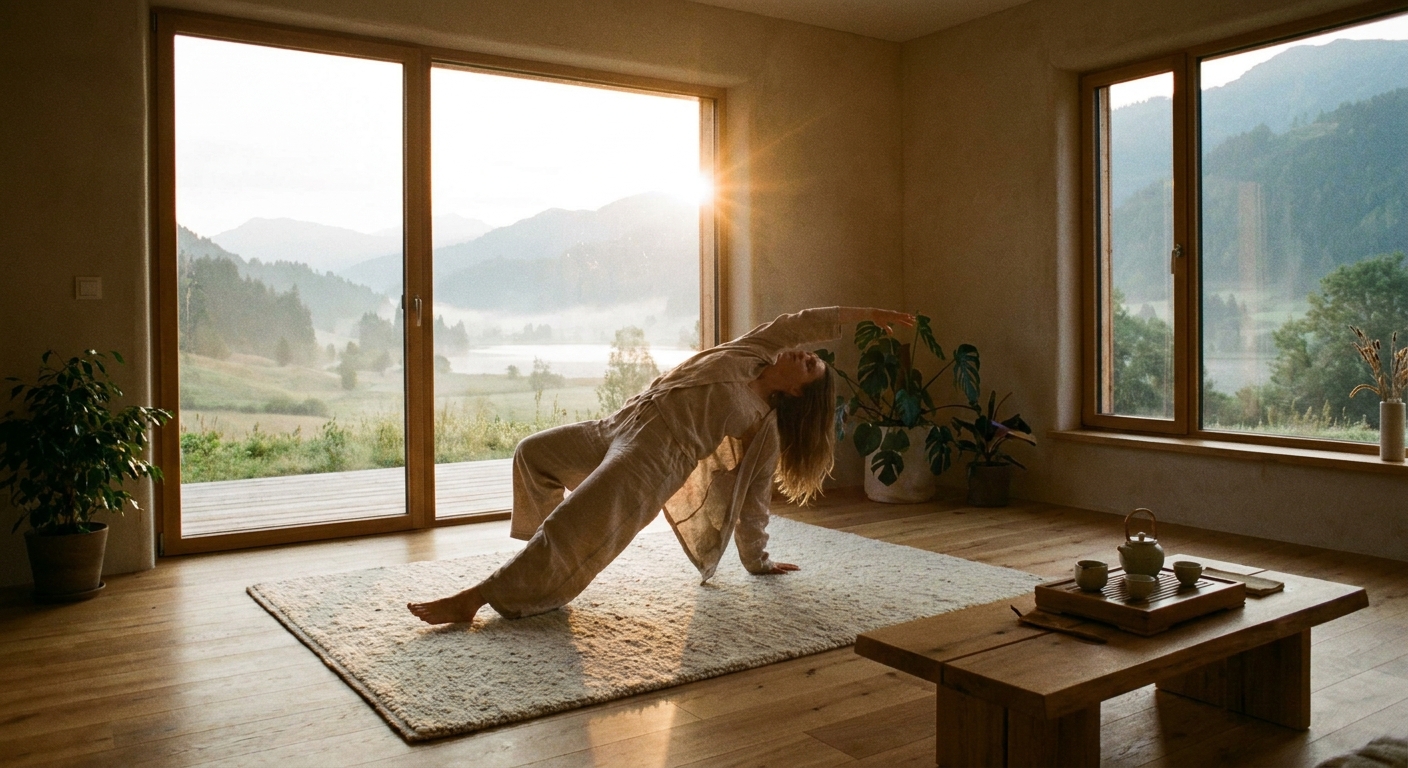
Whether you’re a complete beginner or an experienced practitioner, this guide will walk you through exactly how to create a morning yoga routine for beginners (and pros alike) that you’ll actually look forward to. No guilt trips. No complicated sequences. Just real, practical steps backed by science and designed for real people with real schedules.
Why a Morning Yoga and Meditation Routine Works
Research shows that practicing yoga and meditation in the morning can significantly lower cortisol levels, improve focus throughout the day, and boost your overall sense of well-being. A study from the Journal of Clinical Psychology found that just 10 minutes of morning mindfulness reduces anxiety by up to 39%. Additionally, the National Institutes of Health (NIH) reports that regular yoga practice decreases chronic pain and inflammation.
But beyond the science, there’s something magical about starting your day with intention. Instead of waking up and immediately reaching for your phone, you give yourself the gift of presence. You set the tone for the entire day. That changes everything.
5 Steps to Build Your Morning Yoga and Meditation Routine
-
Start Smaller Than You Think
This is where most people go wrong. They decide to wake up at 5 AM, do 60 minutes of vinyasa, meditate for 20 minutes, and journal for another 20. It works for three days—then burnout hits. Instead, start with 5 minutes of yoga and 3 minutes of meditation. Eight minutes total. Anyone can find eight minutes. Once that feels easy, gradually increase. Build the habit first, not the duration. -
Create a Simple Sequence
A great morning yoga routine for beginners doesn’t need to be complicated. Here’s a 5-minute sequence you can do right in your bedroom:- Cat-Cow Stretch (1 minute): Warm up your spine and release overnight tension.
- Downward-Facing Dog (1 minute): Stretch hamstrings, calves, and shoulders.
- Standing Forward Fold (1 minute): Let your head hang heavy and release neck tension.
- Mountain Pose (1 minute): Stand tall, ground your feet, and take three deep breaths.
- Gentle Side Stretch (1 minute): Reach overhead and bend side to side to open the ribcage.
No mat required. No special equipment. If you want guided sessions, the Vitalizen App offers dozens of short morning flows.
-
Pair Yoga With Meditation
After your 5-minute yoga flow, sit comfortably—on a cushion, a chair, or your bed—and set a timer for 3 minutes. Close your eyes. Breathe naturally. Simply notice the sensations in your body. This mindfulness meditation for beginners trains your brain to be more focused and less reactive. Over time, those 3 minutes become the most valuable part of your morning. Need guidance? The Vitalizen App offers guided meditations with soothing voice cues. -
Use Technology to Your Advantage
Using a meditation and yoga app strategically helps build consistency. Choose an app that respects your time and doesn’t overwhelm you. Vitalizen.app was created to offer a streamlined, beautiful platform for yoga and meditation. You get curated daily practices, progress tracking, and a supportive community. Start your journey right now. -
Anchor Your Routine to an Existing Habit
Use habit stacking: take something you already do every morning—like brushing your teeth—and stack your new habit right after it. For example: “After I brush my teeth, I will do 5 minutes of yoga.” This creates a natural trigger that makes it almost impossible to forget. Your daily wellness practice becomes as automatic as tying your shoes.
What to Do When You Miss a Day
You will miss a day. Maybe you’re traveling, sick, or didn’t sleep well. That’s okay. The goal is consistency over time, not perfection. Research from University College London suggests it takes an average of 66 days to form a new habit, but missing one day doesn’t reset the clock. Missing two days in a row is where it gets dangerous. So if you miss a day, just get back on track the next morning. No shame. No guilt. Your yoga and meditation practice is a lifelong journey, not a 30-day challenge.
Real Results From a Consistent Morning Practice
“I used to wake up feeling anxious before I even got out of bed. Now, my morning yoga and meditation routine has completely changed my relationship with stress. I feel calmer, more focused, and honestly? Happier.”
— Sarah, a 34-year-old marketing manager from Austin, after using Vitalizen App for three months.
Thousands of users report better sleep, reduced anxiety, and improved focus after incorporating just 10 minutes of morning practice. The science supports it—and so does the global yoga community. For more insights, check out our article on the science behind meditation and our guide to essential yoga poses.
How to Start Your Routine Tomorrow Morning
Tonight, set your yoga clothes out. Place your phone on the other side of the room so you have to get up to turn off the alarm. Tomorrow morning, do just 8 minutes—5 of yoga, 3 of meditation. That’s it. No pressure. No expectations.
If you want a guided experience that makes it even easier, start your free trial with Vitalizen.app today. You’ll get expert-led yoga flows, guided meditations, breathing exercises, and a supportive community.
Remember: the best time to start was yesterday. The second best time is right now. Your morning yoga and meditation routine is waiting for you. All you have to do is show up.
Frequently Asked Questions About Morning Yoga and Meditation
How long should a morning yoga and meditation routine be?
For beginners, 8 to 10 minutes total is ideal—5 minutes of gentle yoga and 3 to 5 minutes of meditation. As you build consistency, you can gradually increase to 15, 20, or even 30 minutes. The key is to prioritize consistency over duration.
Do I need a yoga mat or special equipment?
Not at all. While a yoga mat can provide comfort, you can absolutely do these exercises on a carpet or even on your bed. The most important thing is to start—no equipment required. The Vitalizen App offers routines that adapt to whatever space you have available.
Can I do yoga and meditation if I’m not flexible?
Absolutely. Flexibility is not a prerequisite for yoga—it’s a result of yoga. Meditation doesn’t require flexibility at all. Everyone starts somewhere, and the only person you’re competing with is the person you were yesterday. Our beginner-friendly programs are designed for all levels.
What’s the best time to practice yoga and meditation?
While morning practice offers unique benefits—like setting a calm tone for the day—the best time is whatever time you can consistently stick to. Some people prefer evening yoga to unwind. Experiment and find what works for your schedule and energy levels.
How is Vitalizen App different from other yoga and meditation apps?
Vitalizen.app focuses on quality over quantity. Instead of overwhelming you with thousands of choices, we offer curated daily practices designed by experienced instructors. Our platform combines yoga, meditation, and breathwork into seamless routines that fit your lifestyle. Plus, our community features keep you motivated and accountable.
About the Author
Vitalizen App — Wellness platform dedicated to helping millions build sustainable mind-body practices through yoga, meditation, and breathwork.
Disclaimer: This article is for informational purposes only and does not constitute medical advice. Always consult with a healthcare professional before starting any new exercise or wellness program.
Explore more articles on yoga and meditation.
External references:
Effects of yoga on stress and anxiety — NIH |
Mindfulness meditation benefits — American Psychological Association