


How to Cultivate Deeper Mindfulness with Yoga and Meditation
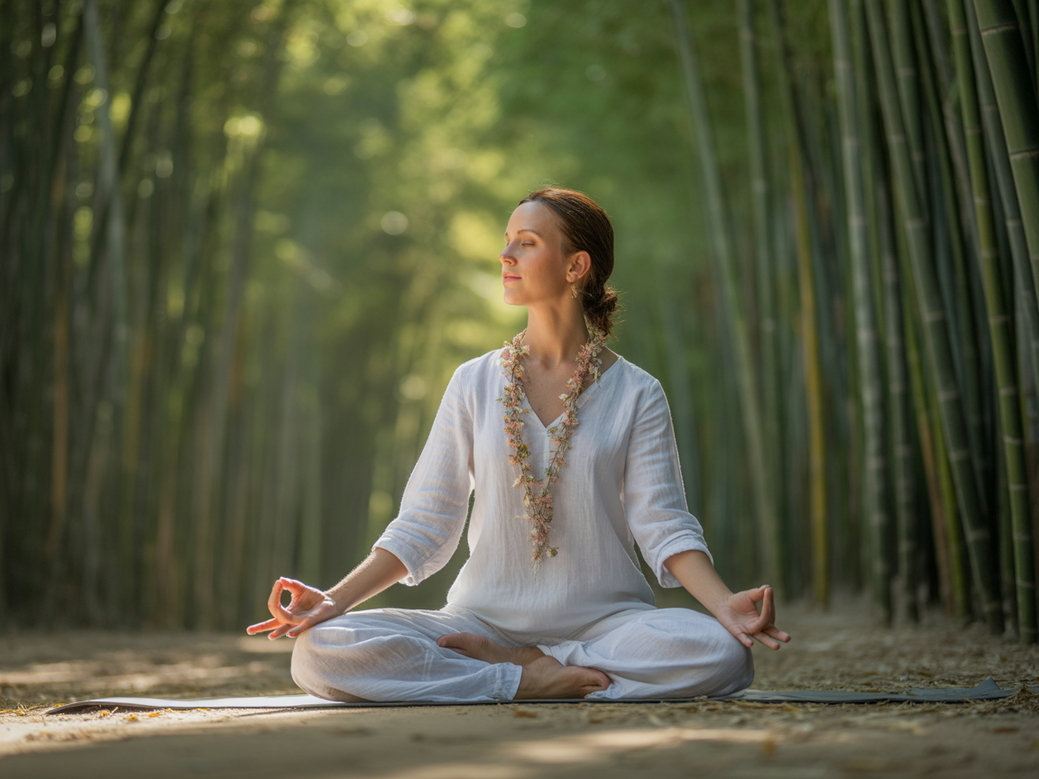
In today’s hyper-connected, fast-paced world, does finding a moment of genuine peace feel like an impossible quest? Our minds are constantly bombarded with notifications, deadlines, and a never-ending stream of information. What if you could build a resilient state of calm and clarity right in the middle of the chaos? This is where the ancient, time-tested practices of yoga and meditation offer a powerful and accessible path to cultivating profound mindfulness.
This guide explores the deep connection between these two disciplines, the science-backed benefits, and practical steps to begin your journey. With tools like the Vitalizen App | Yoga + Meditation, you can seamlessly integrate these transformative practices into your daily life, starting today.
The Symbiotic Relationship: How Yoga and Meditation Enhance Mindfulness
While you can practice them separately, yoga and meditation are two sides of the same coin, deeply intertwined in their goal to foster mindfulness. Historically, the physical postures of yoga, known as asanas, were developed primarily to prepare the body for long periods of stillness required for deep meditation. These postures work to release physical tension, increase circulation, and build stability, making it significantly easier for you to sit comfortably and focus your mind without distraction.
This synergy creates a much deeper and more profound meditative experience. By calming the body first through yoga, you create a clear, unobstructed pathway for the mind to follow. This enhances your ability to achieve and sustain a state of non-judgmental awareness of the present moment, which is the very essence of mindfulness.
The Science-Backed Benefits of a Consistent Practice
A consistent yoga and meditation practice offers vast, well-documented benefits that extend far beyond simple relaxation. Scientific studies, including research from institutions like the National Center for Complementary and Integrative Health (NCCIH), and user-reported data highlight significant improvements in overall well-being. By integrating these mindfulness practices into your routine, you can unlock a healthier, more centered version of yourself.
“In a recent survey, 86% of yoga practitioners reported a significant reduction in stress, and 69% noted a positive increase in their overall mood and temperament.” – 2024 Wellness Study
Key Advantages for Your Mind and Body:
- Reduced Stress and Anxiety: Both practices are proven to calm the sympathetic nervous system (our “fight-or-flight” response) and lower cortisol levels, the primary stress hormone.
- Improved Focus and Concentration: Mindfulness is like a workout for your brain. It trains your prefrontal cortex, enhancing your ability to stay present, attentive, and focused on a single task.
- Enhanced Self-Awareness: Regular practice helps you observe your thoughts and emotions without judgment, creating a space between stimulus and response. This leads to more conscious choices and less reactivity.
- Promotes Deeper, More Restful Sleep: By relaxing the body and calming a racing mind, yoga and meditation can significantly improve sleep quality and combat insomnia.
- Increased Flexibility, Strength, and Balance: Yoga builds physical resilience, improves posture, and enhances stability, which reduces the risk of injury and physical discomfort.
The Vitalizen App offers a wide range of guided sessions for all levels, making it easy for you to get started and experience these incredible benefits firsthand.
How to Start Your Mindfulness Journey Today: A Beginner’s Guide
Are you ready to experience the transformative power of yoga and meditation? Starting is far simpler than you might think. You don’t need to be an expert, be incredibly flexible, or dedicate hours of your day. Just a few minutes of consistent practice can make a world of difference in your pursuit of mindfulness.
A Simple 3-Step Guide to Begin:
- Set a Clear Intention: Before you begin, ask yourself what you want to achieve. Is it to reduce stress, improve focus, or simply connect with yourself? Having a clear goal will keep you motivated and centered during your practice.
- Start Small and Be Consistent: Begin with a short, 5-minute guided session. The Vitalizen App has sessions of varying lengths, perfect for even the busiest schedule. Remember, consistency is more important than duration. A short daily practice is more effective than a long one once a week.
- Create a Calm, Dedicated Space: Find a quiet corner in your home where you won’t be disturbed. This doesn’t have to be a large area. Over time, your brain will associate this space with peace and relaxation, making your practice more effective.
🎯 Ready to start? The Vitalizen app has a “Beginner’s Path” series designed to guide you through your first 10 sessions. Download it today and take the first step!
Exploring Different Styles: Which Practice is Right for You?
Choosing between the myriad styles of yoga and meditation can feel overwhelming for a newcomer. The best approach is to experiment and discover what resonates most with your body, personality, and goals. Here’s a simple breakdown to guide you:
| Practice Style | Primary Focus | Best For |
|---|---|---|
| Hatha Yoga | Gentle, foundational postures held for several breaths | Beginners seeking physical and mental balance and an introduction to mindfulness |
| Vinyasa Yoga | Flowing, dynamic movements synchronized with breath | Those who enjoy a more active, cardio-like practice that builds heat and focus |
| Yin Yoga | Slow, deep stretches held for long periods (3-5 minutes) | Increasing flexibility, releasing deep connective tissues, and practicing stillness |
| Mindfulness Meditation | Non-judgmental awareness of the present moment (thoughts, sounds, sensations) | Anyone looking to reduce stress, manage anxiety, and improve overall focus |
| Guided Meditation | Following voice-led instructions to visualize or focus | Beginners who need structure, direction, and a clear path to follow |
A Simple Breathing Exercise to Anchor Your Mind
You can try this simple but powerful breathing technique, known as Pranayama in yoga, right now to calm your mind and anchor your awareness. This is often used to prepare for a deeper meditation session.
# Box Breathing Technique for Instant Calm
1. Find a comfortable seated position.
2. Inhale slowly through your nose for a count of 4.
3. Gently hold your breath at the top for a count of 4.
4. Exhale slowly and completely through your mouth for a count of 4.
5. Hold the exhale at the bottom for a count of 4.
6. Repeat this cycle for 2-5 minutes, focusing on the sensation of the breath.
Integrating Mindfulness into Your Everyday Life
The ultimate goal of these practices is not just to be mindful on the mat, but to carry that awareness into every aspect of your life. Here are some ways to practice informal mindfulness throughout your day:
- Mindful Eating: Pay full attention to one meal a day. Notice the colors, smells, textures, and tastes of your food. Eat slowly and without distractions like your phone or TV.
- Mindful Walking: On your next walk, focus on the sensation of your feet hitting the ground. Notice the rhythm of your steps and the feeling of the air on your skin.
- Single-Tasking: Instead of multitasking, dedicate your full attention to one task at a time. Whether it’s washing dishes or writing an email, immerse yourself completely in the activity.
💡 Tip: For more tips and guidance on integrating mindfulness into your life, be sure to check out our articles, news, and tips on the Vitalizen blog.
Frequently Asked Questions About Mindfulness
What exactly is mindfulness?
Mindfulness is the fundamental human ability to be fully present and engaged in the current moment, without judgment or distraction. It involves paying gentle, non-reactive attention to your thoughts, feelings, bodily sensations, and surrounding environment. The goal is to observe what is happening, both internally and externally, from a place of calm awareness rather than getting carried away by it. This practice helps you create a crucial space between your thoughts and your reactions, allowing for more conscious living.
How can the Vitalizen App help me cultivate mindfulness?
The Vitalizen App provides a comprehensive library of guided yoga and meditation sessions designed for all experience levels. Whether you are a complete beginner or an experienced practitioner, you will find sessions tailored to your specific needs for fostering mindfulness. The app helps you build a consistent practice, track your progress, and learn techniques to reduce stress, improve focus, and enhance your overall well-being directly from your phone.
How much time do I really need to practice each day?
Even just 5-10 minutes of dedicated practice each day can make a significant difference in your mental and physical health. The Vitalizen App offers sessions ranging from 5 to 60 minutes, so you can easily fit them into your busy schedule. Remember, consistency is far more important than duration. Aim for a regular practice, even if it’s short, to build momentum and experience the lasting benefits of mindfulness.
Why is yoga considered so important for meditation?
Yoga is important for meditation because it systematically prepares your body for the stillness required for a deep meditative state. The physical postures (asanas) release tension, improve circulation, and create a stable foundation, which minimizes physical distractions like discomfort, fidgeting, or restlessness. By calming the body first, yoga allows your mind to settle more easily, leading to a more focused, effective, and profound meditation session. It creates a harmonious and essential link between body and mind for achieving true mindfulness.
How much does it cost to start with yoga and meditation?
The initial cost can be virtually zero. You can start practicing at home with minimal equipment—often just a comfortable space is enough. Apps like Vitalizen offer free introductory sessions or trials, allowing you to begin with no financial commitment. While you can eventually invest in high-quality mats, props, or studio classes, there are countless free resources available online (like this article from Mindful.org) to help you start your journey affordably. The most important investment is your time and commitment to your well-being.
For more information or questions about your journey, feel free to contact us. We are here to support your path to greater mindfulness and well-being.