


How Do Yoga and Meditation Create a Balanced Life?
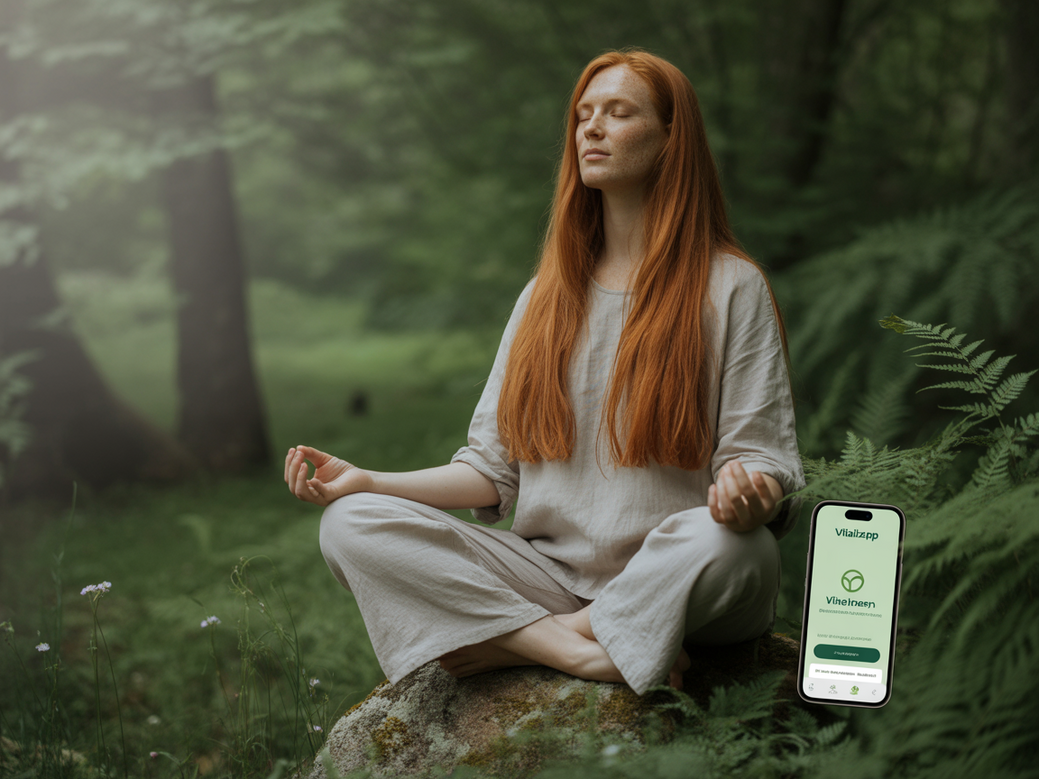
In the relentless pace of modern life, do you ever feel like you’re constantly juggling demands, leaving little room for yourself? Finding a moment of genuine peace can feel like a distant dream. However, the power to cultivate a state of calm, focus, and balance resides within you. This is where the ancient, time-tested practices of yoga and meditation offer a path forward, providing a powerful toolkit to enhance your physical and mental well-being and unlock a more centered, fulfilling life.
These disciplines are not about escaping reality; they are about engaging with it more deeply and skillfully. By integrating yoga and meditation into your routine, you build resilience against stress, sharpen your focus, and foster a profound connection between your mind and body. Let’s explore how these synergistic practices can guide you toward a truly balanced existence.
Deconstructing the Practices: What Are Yoga and Meditation?
At their core, yoga and meditation are sophisticated systems for self-awareness and personal development. While often grouped together, they are distinct disciplines with unique approaches that ultimately lead to the same goal: a harmonious state of being.
The Eight Limbs of Yoga: A Blueprint for Holistic Living
Yoga, originating in ancient India, is far more than the physical postures (asanas) popularized in the West. These poses are just one part of a comprehensive eight-limbed path designed to purify the body and mind. Understanding this framework reveals the true depth of the practice.
- Yamas (Ethical Standards): Principles for how we interact with the world, such as non-violence and truthfulness.
- Niyamas (Self-Disciplines): Personal observances like contentment and self-study.
- Asana (Postures): The physical practice that releases tension and prepares the body for stillness.
- Pranayama (Breath Control): Techniques to regulate the breath, which directly influences our energy and state of mind.
- Pratyahara (Sensory Withdrawal): Drawing one’s awareness inward, away from external distractions.
- Dharana (Concentration): Focusing the mind on a single point.
- Dhyana (Meditation): A state of uninterrupted concentration.
- Samadhi (Enlightenment): A state of bliss or union with the divine.
This holistic structure shows how yoga and meditation are intrinsically linked, with the physical practice creating the ideal conditions for deep mental work.
The Spectrum of Meditation: Finding Your Anchor
Meditation is the art of training your attention to achieve a state of calm and mental clarity. It’s not about emptying your mind, but rather observing your thoughts without judgment. There are numerous techniques, each offering a different anchor for your focus.
- Mindfulness Meditation: Involves paying attention to your thoughts as they pass without judging them. You often focus on your breath or bodily sensations.
- Transcendental Meditation (TM): A mantra-based practice where you silently repeat a specific sound to settle the mind into a state of deep rest.
- Vipassanā Meditation: An ancient Indian practice of self-observation to see things as they truly are, leading to profound insights.
- Walking Meditation: Focusing on the physical sensation of walking to cultivate a mindful presence in movement.
The variety of techniques means you can find a style that resonates with you, making the practice accessible to everyone.
The Science of Synergy: How Yoga and Meditation Amplify Each Other
While powerful on their own, yoga and meditation create a potent synergy when combined. Yoga is often described as a “moving meditation” because it demands a deep focus that synchronizes breath with movement. This process quiets the mental noise, making it the perfect preparation for a seated meditation practice.
From Physical Calm to Mental Stillness
The physical exertion of yoga releases endorphins and reduces levels of the stress hormone cortisol. It unwinds tension stored in the muscles, particularly in the neck, shoulders, and hips. By first calming the body with yoga, you create a more stable and comfortable foundation to calm the mind with meditation. A restless body often leads to a restless mind; addressing the physical first makes mental stillness far more attainable.
According to a 2025 industry report, individuals who combine yoga and meditation are 40% more likely to report “significant stress reduction” compared to those who practice only one.
Neurological Harmony: The Brain on Yoga and Meditation
Neuroscience reveals how this combination reshapes the brain. Regular practice strengthens the prefrontal cortex, the area responsible for focus, decision-making, and emotional regulation. Simultaneously, it can shrink the amygdala, the brain’s fear center, making you less reactive to stress. This dynamic duo effectively rewires your brain for calmness, clarity, and resilience.
Research from institutions like UC Berkeley’s Greater Good Science Center highlights how these practices foster compassion and pro-social behaviors, further contributing to a balanced life.
🎯 **Ready to experience this synergy?** Start your wellness journey now with the Vitalizen App.
The Transformative Benefits of a Consistent Practice
The advantages of a consistent yoga and meditation routine are vast and supported by extensive research. They work together to create holistic well-being that touches every aspect of your life.
Profound Stress and Anxiety Reduction
This is often the most immediate and profound benefit. By activating the parasympathetic nervous system (the “rest and digest” system), these practices lower heart rate, reduce blood pressure, and decrease cortisol production, leading to a lasting sense of calm.
Enhanced Physical Health and Vitality
A regular yoga practice builds strength, improves flexibility, and enhances balance. This reduces the risk of injury, alleviates chronic pain (like lower back pain), and improves posture. The combined practice also boosts the immune system and promotes more restorative sleep.
Sharpened Cognitive Function and Mental Clarity
Meditation is like a workout for your brain. It enhances your ability to focus, improves memory, and boosts creative thinking. This mental clarity allows you to approach challenges with a more composed and resourceful mindset.
Deeper Emotional Regulation and Self-Awareness
By observing your thoughts and emotions without reacting to them, you create a space between stimulus and response. This gap gives you the power to choose how you react to situations, leading to greater emotional stability and improved relationships.
To learn more about the science behind these benefits, you can explore this insightful article on the health benefits of yoga from the National Center for Biotechnology Information.
How to Start Your Yoga and Meditation Journey Today
Starting your journey is simpler than you might imagine. With the Vitalizen App | Yoga + Meditation, you have a complete studio in your pocket, offering guided sessions for every level. Whether you’re a complete beginner or an experienced practitioner, our app provides the tools you need to build a consistent and rewarding practice.
A Simple 3-Step Guide for Absolute Beginners
- Set a Clear Intention: Ask yourself what you hope to achieve. Is it stress relief, better focus, or physical fitness? Your “why” will be your motivation.
- Start Small and Be Realistic: You don’t need an hour every day. Begin with a 10-minute yoga session or a 5-minute guided meditation. The Vitalizen App has short sessions designed for busy schedules.
- Create a Consistent Routine: Choose a time of day that works for you and stick with it. Consistency is more important than duration, especially when forming a new habit.
What to Expect in Your First Few Weeks
In the beginning, your mind may wander, and certain poses might feel challenging. This is completely normal. The goal isn’t perfection but persistence. You’ll likely feel an immediate sense of calm after each session. Within a few weeks of consistent practice (3-4 times per week), you’ll start to notice tangible improvements in flexibility, focus, and your overall mood.
Integrating Your Practice into a Busy Modern Lifestyle
One of the biggest hurdles to a consistent practice is the feeling of not having enough time. The key is to weave yoga and meditation into the fabric of your day through small, manageable actions.
Micro-Habits for Maximum Impact
- Morning Minutes: Start your day with 5 minutes of gentle stretching or a guided meditation before you even check your phone.
- Mindful Commute: Instead of listening to distracting radio, focus on your breath during your commute (if using public transport).
- Lunch Break Reset: Use 10 minutes of your lunch break for a quick yoga flow or meditation session with the Vitalizen App.
- Evening Wind-Down: End your day with a few restorative yoga poses to release tension and prepare for a restful sleep.
Creating a Small Sanctuary at Home
You don’t need a large, dedicated room. Designate a small corner of a room as your practice space. Keep your yoga mat rolled out, perhaps with a cushion or a candle. Having a visually dedicated space makes it much easier to step into your practice, even for just a few minutes.
Understanding the Investment in Your Well-Being
The investment in your well-being can vary. While dedicated studios offer community and in-person guidance, they often come with a higher price tag. Digital solutions provide a flexible and affordable alternative. Here’s a comparison:
| Method | Average Initial Cost | Ongoing Cost | Best For |
|---|---|---|---|
| Vitalizen App | Low (Free Trial) | Low (Subscription) | Convenience, variety, and affordability |
| Yoga Studio | Medium (Intro offers) | High (Monthly membership) | In-person correction and community |
| Free Online Resources | $0 | $0 | Budget-conscious self-starters |
Curious about our mission? Learn more about What is Vitalizen.app?
Frequently Asked Questions
Do I need to be flexible to practice yoga?
Not at all! A common misconception is that you need to be flexible to start yoga. In reality, you practice yoga to become more flexible. Our beginner classes on the Vitalizen App are designed to help you build flexibility and strength safely at your own pace.
How long should I meditate each day?
Even just 5 minutes of meditation a day can have a profound impact on your mental clarity and stress levels. The Vitalizen App offers guided meditations ranging from 3 minutes to 30 minutes, allowing you to choose what works best for your schedule and experience level.
What equipment do I need to start?
To begin, you need very little. A comfortable space and a yoga mat are sufficient for yoga. For meditation, a quiet place to sit is all that’s required. The Vitalizen App is your main tool, providing the guidance you need right on your phone.
How soon will I see results from practicing?
Many people report feeling calmer and more centered after their very first session. Physical benefits like increased flexibility and strength typically become noticeable within a few weeks of consistent practice (3-4 times per week). The key is consistency over intensity.
Can I practice both yoga and meditation with the Vitalizen App?
Absolutely! The Vitalizen App is your all-in-one solution for both yoga and meditation. We offer a seamless experience to help you integrate these powerful practices into your daily life for a more balanced and harmonious you.
Take the First Step Towards a Balanced Life
The journey to a balanced life is not a destination but a continuous practice of returning to your center. Yoga and meditation are not quick fixes, but sustainable tools that empower you to navigate life’s challenges with grace and composure. By investing just a few minutes each day, you are planting the seeds for long-term physical vitality, mental clarity, and emotional peace.
Your journey can inspire others. Share your thoughts or questions in the comments below! For more tips, be sure to check out our blog or contact us directly.
💡 Ready to transform your well-being? Download the Vitalizen App today and start your free trial. Discover guided yoga and meditation sessions tailored for you.