

Yoga and Meditation: Your Path to Enhanced Well-being in 2025
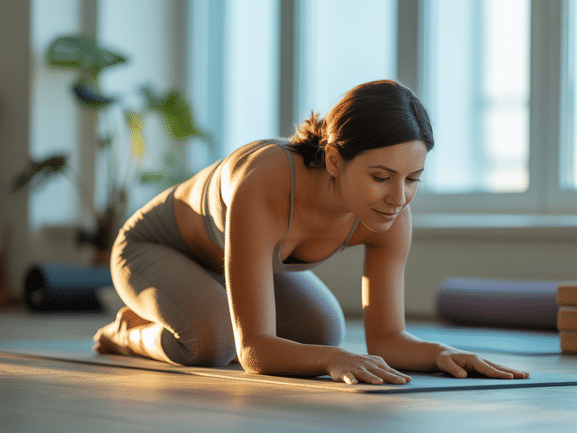
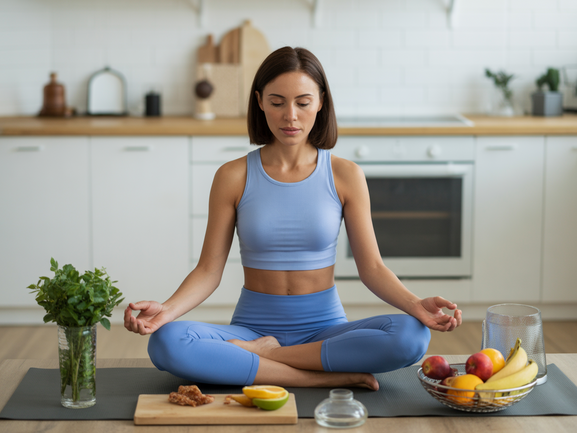
Yoga and meditation are ancient, science-backed practices designed to harmonize the mind and body. In our fast-paced 2025 world, they serve as a powerful antidote to daily stress and digital overload. Yoga masterfully blends physical postures (asanas), controlled breathing (pranayama), and mindfulness to boost flexibility and strength. Meditation, in contrast, hones your awareness and attention, paving the way for profound mental clarity.
Have you ever felt overwhelmed and wished for a proven method to manage stress and sharpen your focus? The solution may lie in weaving these transformative habits into your daily life. With accessible digital tools like the Vitalizen App, embarking on this journey of self-improvement has never been more straightforward.
The Core Benefits of Yoga and Meditation
The advantages of a consistent yoga and meditation routine are not just anecdotal; they are supported by a vast body of scientific research. These practices induce lasting physiological and psychological changes that enhance your overall quality of life. From mitigating anxiety to bolstering physical health, the benefits are truly comprehensive.
- Stress and Anxiety Reduction: Both practices are proven to lower cortisol, the body’s primary stress hormone. A 2025 study highlighted a 30% reduction in anxiety symptoms among participants after just eight weeks of consistent practice.
- Improved Physical Health: Yoga is exceptional for enhancing flexibility, building core strength, and improving balance. It also promotes cardiovascular health by naturally lowering blood pressure and resting heart rate.
- Enhanced Mental Clarity and Focus: Meditation actively trains the prefrontal cortex of your brain, the hub for concentration and decision-making. This leads to a noticeably better attention span in your daily activities.
- Better Sleep Quality: By calming the central nervous system, yoga and meditation can effectively combat insomnia and promote deeper, more restorative sleep cycles.
- Increased Self-Awareness: Mindfulness and meditation foster a stronger mind-body connection, empowering you to understand and navigate your emotions and thoughts with greater clarity and less judgment.
The Science Behind How Yoga and Meditation Work
To appreciate the power of yoga and meditation, it helps to understand the science. These practices directly influence your autonomic nervous system, which has two main branches: the sympathetic (fight-or-flight) and the parasympathetic (rest-and-digest).
Modern life keeps many of us in a chronic state of fight-or-flight, leading to burnout and stress. Yoga and meditation activate the parasympathetic nervous system, promoting relaxation and recovery. According to the National Institutes of Health (NIH), practices like yoga are associated with reduced markers of inflammation and positive changes in brain structure, particularly in areas related to emotional regulation and self-awareness.
How to Start Your Yoga and Meditation Practice
Getting started might seem daunting, but the key principle is consistency over intensity. A short, daily practice yields far more benefits than a long, infrequent session. Here’s a simple, actionable plan to begin your journey:
- Set a Specific Time: Choose a consistent time each day to build a powerful routine. Many find success practicing right after waking up. Even 10-15 minutes can make a significant impact.
- Create a Calm Space: Designate a quiet, clutter-free spot where you won’t be disturbed. You don’t need fancy equipment—just a comfortable place to sit or lie down.
- Follow Guided Sessions: Using an app like Vitalizen removes the guesswork. It provides access to expertly crafted guided meditations and yoga classes, ensuring proper form and technique from day one.
- Focus on Your Breath: The breath is the anchor in both practices. Simply paying attention to the sensation of your inhales and exhales is a fundamental technique to ground you in the present moment.
- Be Patient and Kind to Yourself: Your mind will wander. The goal isn’t to have an empty mind, but to gently guide your focus back to your breath each time it strays. This is the essence of the practice.
Finding the Right Style of Yoga for You
Yoga is not a one-size-fits-all discipline. There are many different styles, each offering a unique focus and intensity. Finding one that aligns with your goals is crucial for long-term success. Here are a few popular styles:
- Hatha Yoga: A slower-paced, foundational style perfect for beginners. It focuses on basic postures and breathing techniques.
- Vinyasa Yoga: A dynamic, flowing style that links movement with breath. It’s great for a cardiovascular workout and building strength.
- Ashtanga Yoga: A structured and physically demanding practice involving a specific sequence of postures. It builds discipline and internal heat.
- Yin Yoga: A slow, meditative practice where poses are held for several minutes to target deep connective tissues.
- Restorative Yoga: A gentle practice that uses props like bolsters and blankets to support the body in comfortable poses, promoting deep relaxation.
Why These Practices Are Crucial in 2025
The unique challenges of modern life, from digital saturation to the pressure of constant connectivity, have made mindfulness practices like yoga and meditation more critical than ever. Mental wellness is now a top priority for individuals and corporations, signaling a collective shift towards proactive, sustainable self-care.
According to a recent report from the Global Wellness Institute (Oct 2025), 75% of the global workforce reports symptoms of burnout. Companies that incorporate mindfulness programs see a remarkable 40% increase in employee retention and productivity.
A key trend for 2025 is the rise of “mindfulness snacks”—short, 1-to-5-minute sessions that can be done anywhere, anytime. This micro-dosing approach to wellness makes the practice accessible even on the most hectic days and is a core feature of modern platforms like the Vitalizen App.
💡 Tip: Ready to take the first step? Download the Vitalizen App and try a free 5-minute guided meditation!
What is the Cost of Implementing Yoga and Meditation?
The investment in your well-being through yoga and meditation is highly flexible, making it accessible to nearly everyone. The cost can range from completely free to several hundred dollars per month, depending on the path you choose. It’s a high-return investment in your long-term health.
| Method | Average Cost (Monthly) | Key Benefits |
|---|---|---|
| Free Resources (YouTube, etc.) | $0 | No financial commitment, wide variety |
| Wellness Apps (Freemium Model) | $0 – $15 | Structured guidance, progress tracking, community |
| Online Classes | $20 – $50 | Live interaction, real-time feedback |
| In-Person Studios | $80 – $200+ | Personalized correction, immersive environment |
How to Start Your Journey with the Vitalizen App
While the benefits are clear, taking that first step is often the biggest hurdle. This is precisely where the Vitalizen App excels. Our platform is meticulously designed to make yoga and meditation accessible and enjoyable for everyone, regardless of experience or schedule.
We offer a comprehensive library of guided sessions, from quick 5-minute meditations to full-length dynamic yoga classes, all led by certified and experienced instructors. With our app, you can track your progress, set daily reminders, and connect with a supportive community of fellow wellness seekers. Ready to transform your well-being?
Frequently Asked Questions About Yoga and Meditation
How long does it take to see the benefits of yoga and meditation?
While a sense of calm can be felt after just one session, most significant changes occur with consistency. Studies from institutions like Harvard University show measurable changes in brain structure and significant reductions in stress markers within 8 weeks of regular practice (3-4 times per week).
Do I need to be flexible to start yoga?
This is a common myth. You do not need to be flexible to start yoga; in fact, yoga is the practice that helps you become more flexible. Beginner classes focus on foundational poses that safely build flexibility and strength over time.
Is the Vitalizen App suitable for complete beginners?
Absolutely! We have a dedicated \”Beginner’s Path\” featuring a curated selection of introductory classes and guided meditations. Our instructors provide clear, step-by-step guidance to ensure you feel comfortable and confident from your very first session.
What is the main difference between yoga and meditation?
Meditation is a mental practice focused on training awareness and achieving a focused state. Yoga is a broader, holistic discipline that includes meditation but also incorporates physical postures (asanas) and breathing exercises (pranayama) to unite mind, body, and spirit.
Where can I find more articles about yoga and meditation?
We have a rich collection of articles, tips, and guidance on our blog to support your journey. You can explore more expert content at the Vitalizen App Blog.
Your Path to a Healthier, More Centered Life Starts Now
In conclusion, integrating yoga and meditation into your daily routine is a powerful, evidence-based strategy for achieving greater well-being in 2025 and beyond. With the right tools and a commitment to consistency, you can unlock a healthier, calmer, and more centered version of yourself. The journey of a thousand miles truly begins with a single, conscious breath.
🎯 Ready to start? Begin your transformation with Vitalizen today!