Yoga and Meditation: A Deep Dive into Improving Your Life

In our fast-paced world, achieving mental clarity and physical vitality can feel like a constant struggle. The combined practice of yoga and meditation offers a powerful, time-tested solution. Yoga is a holistic discipline uniting physical postures and breathing, while meditation is a practice to train attention and awareness for a calm, stable state. These practices are essential tools for managing stress and radically improving your overall well-being.
Have you ever wondered how some people maintain a serene focus amidst daily chaos? The secret often lies in a consistent yoga and meditation routine. This guide explores their profound benefits, the science behind them, and how you can begin a transformative journey toward a healthier, more balanced life with support from the Vitalizen App.
The Science of Stress and Calm: How Yoga and Meditation Help
To appreciate the benefits of yoga and meditation, it’s crucial to understand the body’s stress response. When faced with pressure, our body enters a “fight-or-flight” mode, releasing hormones like cortisol and adrenaline. While useful in short bursts, chronic activation of this system leads to anxiety, high blood pressure, and a weakened immune system.
Yoga and meditation act as a direct antidote. They activate the parasympathetic nervous system, also known as the “rest-and-digest” system. This shift lowers heart rate, reduces blood pressure, and promotes a state of deep relaxation. A study from Harvard University confirms that mind-body practices can induce the “relaxation response,” leading to positive changes in gene expression related to inflammation and metabolism. For more in-depth articles, you can always check our blog.
Exploring the World of Yoga: More Than Just Poses
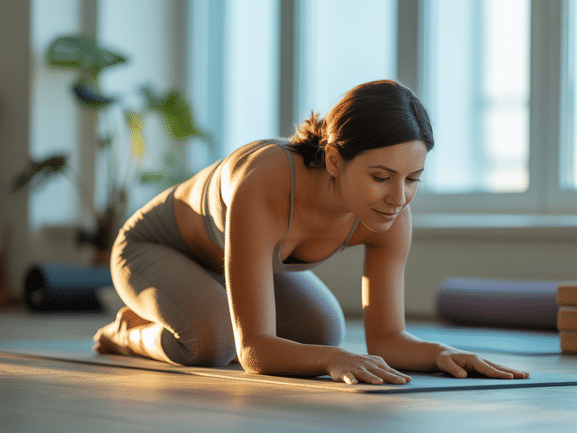
Yoga is a multifaceted discipline that harmonizes body, mind, and spirit. While the physical postures, or asanas, are its most visible component, they are just one piece of the puzzle. The true power of yoga is unlocked when you synchronize these movements with conscious breathing (pranayama), creating a form of moving meditation that builds strength, flexibility, and mental resilience.
Key Components of a Yoga Practice
- Asanas (Postures): Physical poses designed to align the body, build strength, and increase flexibility.
- Pranayama (Breath Control): Breathing techniques that calm the nervous system and enhance life force energy (prana).
- Dhyana (Meditation): The practice of focused attention, which is often the culmination of a yoga session.
How to Start Your Yoga Journey
- Choose a Beginner-Friendly Style: Start with a gentle style like Hatha, Restorative, or Yin yoga. The Vitalizen App has guided sessions perfect for newcomers.
- Master Foundational Poses: Familiarize yourself with key poses such as Mountain Pose (Tadasana), Cat-Cow (Marjaryasana-Bitilasana), and Downward-Facing Dog (Adho Mukha Svanasana).
- Prioritize Your Breath: Your breath is your anchor. Focus on maintaining a slow, deep, and consistent rhythm throughout your practice.
- Listen to Your Body: Never force a pose to the point of pain. Yoga is a journey of self-discovery and progress, not perfection.
The Art of Meditation: Training Your Mind for Peace
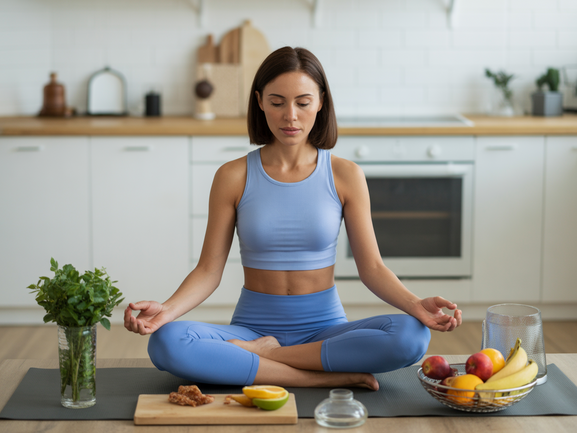
While yoga prepares the body, meditation hones the mind. It is the practice of cultivating a state of deep, non-judgmental awareness to achieve mental clarity and emotional stability. By regularly sitting in stillness, you learn to observe your thoughts without getting entangled in them, which significantly reduces their control over your emotional state. The practice of yoga and meditation together creates a powerful synergy.
Primary Benefits of a Consistent Meditation Practice
- Enhanced Self-Awareness: Gain a deeper understanding of your thought patterns and emotional triggers.
- Improved Concentration: Strengthen your ability to focus, boosting productivity and presence in daily activities.
- Reduced Stress and Anxiety: Studies show meditation can lower cortisol levels and reduce symptoms of anxiety disorders.
- Cultivated Inner Peace: Develop a lasting sense of calm and well-being that permeates all aspects of your life.
The Vitalizen App offers a rich library of guided meditations, from mindfulness and body scans to loving-kindness and visualizations, helping you find a technique that resonates with you.
💡 Tip: Ready to experience the calm? The Vitalizen App is your all-in-one guide to yoga and meditation. Download it today and start your free trial!
Synergy in Practice: Combining Yoga and Meditation
Yoga and meditation are not separate entities; they are two sides of the same coin. Yoga uses movement to release physical tension and quiet the nervous system, creating the ideal state for the stillness of meditation. A short meditation session after yoga can be profoundly effective, as your mind is already receptive and tranquil.
This integrated approach to yoga and meditation ensures that both body and mind are cared for, leading to holistic well-being. By incorporating both into your routine, you are proactively investing in your long-term health.
Yoga vs. Meditation: A Comparative Look
| Practice | Primary Focus | Main Tools | Key Outcome |
|---|---|---|---|
| Yoga | Body, Breath, and Movement | Postures (Asanas), Breathing (Pranayama) | Physical Flexibility & Mental Calm |
| Meditation | Mind and Awareness | Focused Attention, Mindfulness | Mental Clarity & Emotional Stability |
Overcoming Common Obstacles in Your Practice
Starting a new habit can be challenging. Here’s how to navigate common hurdles on your yoga and meditation journey:
- “I don’t have time.” Start small. Even 10 minutes of combined yoga and meditation a day is beneficial. Use an app like Vitalizen to access short, effective sessions anytime.
- “I can’t clear my mind.” That’s the point! Meditation isn’t about having an empty mind; it’s about noticing when it wanders and gently guiding it back. This is the practice.
- “I’m not flexible enough for yoga.” This is a common myth. Yoga is not about achieving perfect poses but about connecting with your body as it is. Flexibility is a result of practice, not a prerequisite.
Begin Your Wellness Journey Today
Embarking on a yoga and meditation practice is a profound act of self-care. It is a commitment to your long-term health that will ripple positively into every area of your life. You don’t need to wait for a perfect moment; the journey begins with a single breath and a single step.
🎯 Ready to transform your life? The Vitalizen App is here to guide you. With guided classes, diverse meditations, and progress tracking, we make your wellness journey seamless and rewarding. Start your free trial today!
Frequently Asked Questions About Yoga and Meditation
How long does it take to see the benefits of yoga and meditation?
While some benefits, like a sense of calm, can be felt after a single session, the most profound changes come with consistency. Most people report significant improvements in stress levels, focus, and flexibility within 2-4 weeks of regular practice (3-5 times per week).
How much should I meditate daily to see results?
Starting with just 5-10 minutes of daily meditation can make a substantial difference. Consistency is far more important than duration, especially when building the habit. As you become more comfortable, you can gradually increase the time.
Can I practice yoga and meditation to lose weight?
Yes, yoga and meditation can support weight loss. More active yoga styles like Vinyasa burn calories, while the mindfulness cultivated through both practices helps reduce stress-related eating and promotes healthier food choices. It’s a holistic approach to achieving a healthy weight.
Is the Vitalizen App suitable for both yoga and meditation?
Absolutely! The Vitalizen App is an all-in-one wellness platform. We offer a wide range of guided yoga classes for all levels and a diverse library of meditation sessions to suit your goals. Download the app and explore our free trial today!
For more information, contact our team. To learn more about the science, visit the National Center for Complementary and Integrative Health (NIH) or this resource from Harvard Medical School.
Last update: Dec 11 2025