

How to Practice Mindfulness: A Comprehensive Guide for 2025
In our hyper-connected, fast-paced world, finding a moment of genuine peace can feel like a monumental task. Mindfulness offers a powerful, accessible solution, providing a way to cultivate calm, clarity, and awareness anytime, anywhere. This practice is scientifically proven to reduce stress, sharpen focus, and dramatically enhance overall well-being. If you’re ready to embark on a transformative journey of self-discovery and inner peace, this guide is your starting point. We’ll explore the fundamentals of mindfulness and show you how to seamlessly incorporate it into your daily life, with support from the Vitalizen App | Yoga + Meditation.
What Exactly Is Mindfulness?
At its core, mindfulness is the practice of intentionally bringing your attention to the present moment without judgment. It involves observing your thoughts, feelings, and bodily sensations as they arise, rather than getting entangled in them. Think of it as an anchor for your mind in the ever-present now. While its roots trace back to ancient contemplative traditions, mindfulness has evolved into a secular, evidence-based practice accessible to everyone, regardless of background or beliefs.
The essence of the practice is *awareness*. It’s not about silencing your thoughts or emptying your mind—a common misconception. Instead, it’s about fundamentally changing your relationship with your thoughts. You learn to recognize them as fleeting mental events, like clouds passing in the sky. This perspective shift grants you the freedom and power to choose how you respond, rather than reacting automatically.
Why Mindfulness Is Essential in 2025
The benefits of mindfulness are more critical today than ever before. In an age defined by digital saturation and information overload, our collective attention span is shrinking, and stress levels are soaring. Mindfulness provides a potent antidote to the pressures of modern life.
According to a 2025 report from the Global Wellness Institute, 75% of adults report that work-related stress negatively impacts their daily lives, a significant 15% increase since 2022. Mindfulness is a key, expert-recommended strategy to combat this pervasive trend.
By practicing mindfulness, you cultivate a deeper appreciation for life’s simple moments, fostering a more joyful, resilient, and fulfilling existence. Are you ready to experience these profound benefits? 🎯 **Start your wellness journey now with Vitalizen!**
The Science Behind Mindfulness: How It Changes Your Brain
The transformative effects of mindfulness are not just subjective feelings; they are backed by robust scientific research. Neuroscientists have discovered that a consistent mindfulness practice can lead to measurable changes in the brain’s structure and function.
- Stress Reduction at the Source: Mindfulness practice has been shown to reduce the density of gray matter in the amygdala, the brain’s fear and stress center. This leads to lower reactivity to stressors and a greater sense of emotional balance.
- Improved Focus and Concentration: It strengthens the prefrontal cortex, the area of the brain responsible for executive functions like attention, decision-making, and self-awareness. This is why practitioners often report enhanced focus and mental clarity.
- Hormonal Balance: Regular practice helps lower levels of cortisol, the primary stress hormone, promoting a state of calm in the body and mind.
Research from government bodies like the National Center for Complementary and Integrative Health (NIH) continues to validate these findings, solidifying mindfulness as a legitimate tool for mental and physical health. For more on this, explore our article on the science of meditation.
Core Mindfulness Exercises for Beginners
Getting started with mindfulness is simple. The goal is consistency, not perfection. Here are a few foundational exercises to begin your practice. Start with just 5-10 minutes a day.
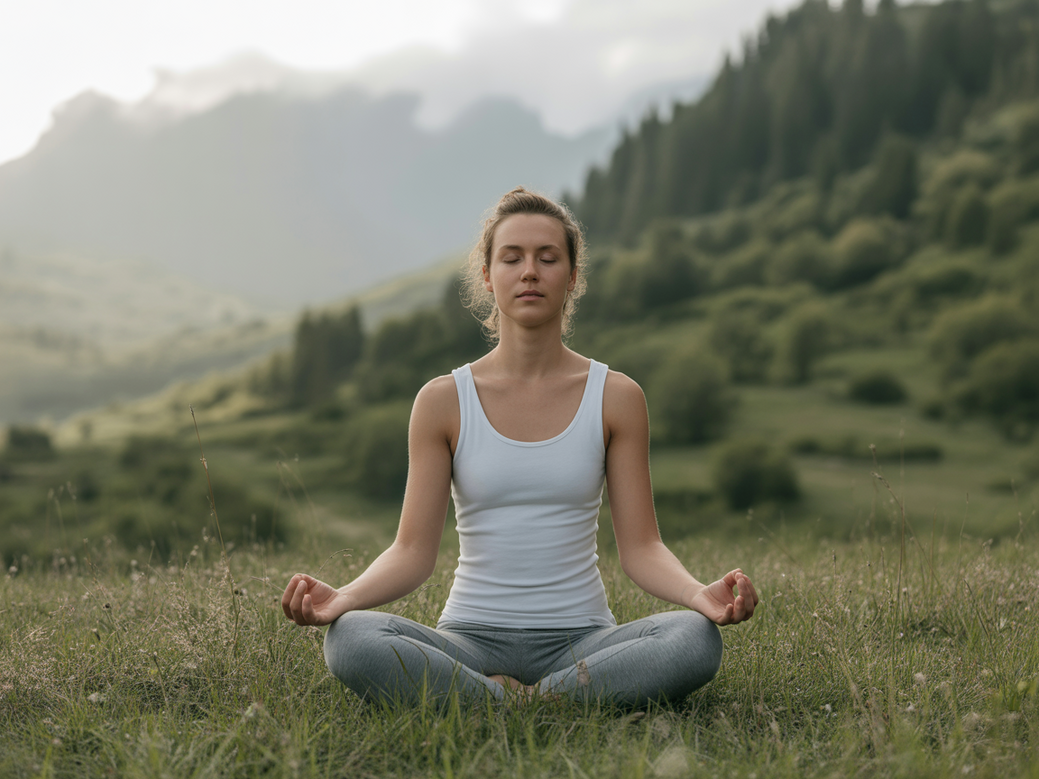
- Mindful Breathing: Find a quiet place to sit comfortably. Close your eyes and bring your full attention to your breath. Notice the sensation of the air entering your nostrils, filling your lungs, and then being released. When your mind inevitably wanders, gently and without judgment, guide your focus back to your breath. This is the cornerstone of mindfulness practice.
- Body Scan Meditation: Lie on your back with your arms resting by your sides. Bring your attention to your toes on one foot. Notice any sensations—warmth, tingling, pressure—without needing to change them. Slowly move your awareness up through your body: feet, legs, torso, arms, hands, and finally, your head. This practice enhances body awareness and is excellent for releasing stored physical tension.
- Mindful Walking: You can practice mindfulness anywhere. As you walk, pay attention to the physical sensation of your feet touching the ground. Notice the rhythm of your steps, the movement of your body, the feeling of the air on your skin, and the sounds around you. This is a wonderful way to integrate mindfulness into your daily routine.
- Mindful Eating: Choose a piece of food, like a raisin or a slice of fruit. Engage all your senses. Look at its texture and color. Smell its aroma. Feel its weight in your hand. When you eat it, do so slowly, savoring the taste and texture. This helps cultivate a healthier, more present relationship with food.
What Are the Main Benefits of a Consistent Practice?
The positive effects of mindfulness are well-documented and far-reaching. Regular practice can lead to significant, lasting improvements in both mental and physical health. The table below summarizes key benefits confirmed by scientific research.
| Benefit | Scientific Evidence | Impact on Daily Life |
|---|---|---|
| Stress Reduction | Lowers cortisol levels and reduces amygdala reactivity. | You feel calmer, more centered, and less overwhelmed by daily challenges. |
| Improved Focus | Increases grey matter density in the prefrontal cortex. | Enhanced concentration at work, better memory, and less susceptibility to distractions. |
| Emotional Regulation | Strengthens the connection between the prefrontal cortex and the amygdala. | You are less likely to react impulsively and can manage your emotions more effectively. |
| Enhanced Well-being | Boosts activity in brain regions associated with positive emotions. | A greater sense of happiness, gratitude, and contentment in everyday life. |
| Physical Health | Can lower blood pressure and improve sleep quality. | Better sleep, increased energy, and a stronger immune system. |
Overcoming Common Challenges in Your Practice
As you begin your mindfulness journey, you may encounter some common obstacles. This is completely normal. Here’s how to navigate them:
- “My mind is too busy!”: This is the most common challenge and a sign that you’re human. The goal isn’t to stop thoughts, but to notice them. Each time you guide your attention back to your breath, you are strengthening your mindfulness ‘muscle’.
- Feeling Restless or Bored: Acknowledge this feeling without judgment. Get curious about it. Where do you feel restlessness in your body? Simply observing it can often cause it to dissipate.
- Falling Asleep: If you’re tired, this can happen. Try practicing in a seated, upright posture rather than lying down. If it persists, it might be a sign you need more rest.
- Inconsistency: Don’t let one missed day derail you. The key is to return to the practice. Using an app like Vitalizen can help with reminders and motivation.
Mindfulness and Technology: A Perfect Match for 2025
In a world dominated by technology, using an app for mindfulness might seem counterintuitive. However, a well-designed app like Vitalizen serves as an invaluable guide. It offers structured guided meditations, breathing exercises, and personalized programs that make it easy to integrate mindfulness into a busy schedule. Furthermore, you can track your progress and connect with a supportive community to stay motivated. For more tips, check out our blog.
Frequently Asked Questions about Mindfulness
What is the difference between mindfulness and meditation?
Mindfulness is the quality of being present and fully engaged with the current moment. Meditation is a formal practice used to cultivate that quality. In short, mindfulness is the state of awareness, while meditation is the exercise you do to strengthen your ability to achieve that state.
How long does it take to see the benefits of mindfulness?
While some people report feeling more relaxed after just one session, significant, long-term benefits come with consistent practice. Most studies, such as those published by the UMass Memorial Center for Mindfulness, suggest that practicing for 10-20 minutes daily for several weeks can lead to measurable improvements in well-being.
Can I practice mindfulness with a busy schedule?
Absolutely. Even a few minutes of mindful breathing can make a significant difference. The Vitalizen app offers guided meditations as short as three minutes, perfect for a busy lifestyle.
Is mindfulness a religious practice?
No, mindfulness is not inherently religious. Although it has roots in Buddhist traditions, the practice as it is taught today is secular. It is a form of mental training that focuses on universal human qualities of awareness and compassion, and it can be practiced by anyone, regardless of their beliefs.
What if I can’t stop my thoughts during meditation?
This is a common misconception. The goal of mindfulness is not to stop your thoughts or empty your mind. It is to become aware of your thoughts without judging them. When you notice your mind has wandered, simply and gently guide your attention back to your anchor (like your breath). This act of returning is the core of the practice.
Your Journey to a More Mindful Life Starts Now
Mindfulness is a journey of self-discovery, not a destination. Be patient and compassionate with yourself as you begin. Remember, the goal is not to silence your mind but to become a curious and kind observer of it. Are you ready to take the first step toward a more focused, calm, and resilient life?
💡 Ready to begin? Download the Vitalizen App | Yoga + Meditation today and discover the transformative power of mindfulness.
If you have any questions, please feel free to contact us. For further reading on the science of mindfulness, you can explore this article from the American Psychological Association.