


How to Start Yoga and Meditation: A Beginner’s Guide for 2025
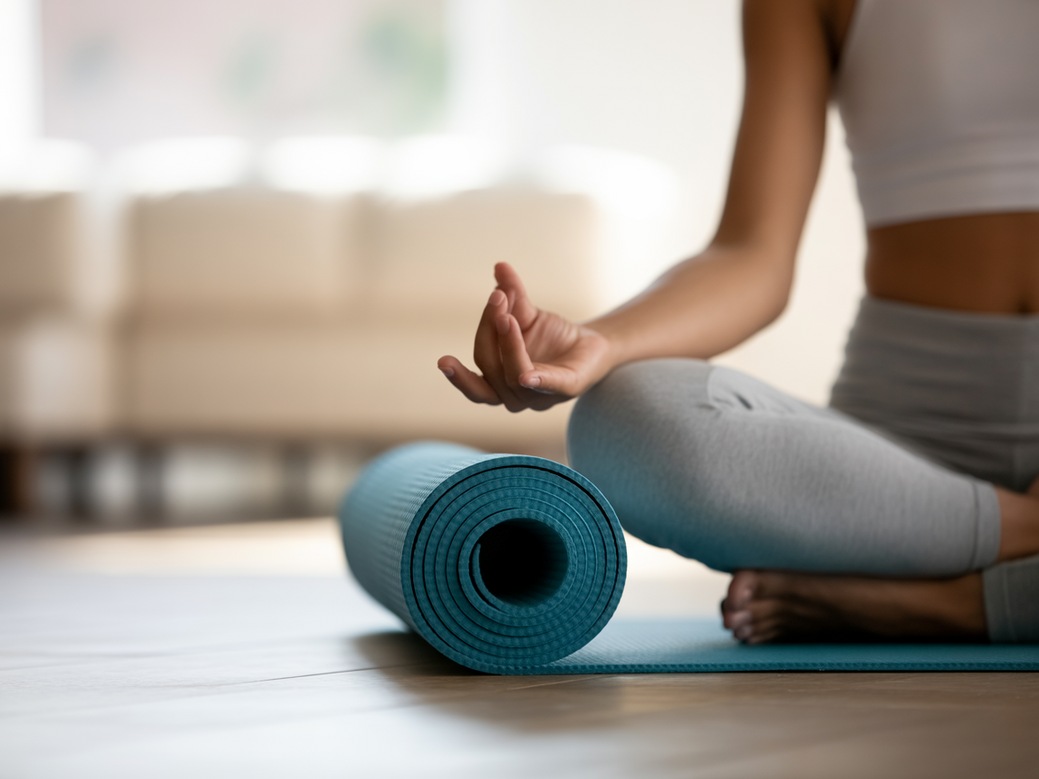
Are you searching for a way to enhance your physical and mental well-being without leaving your home? Starting a journey with yoga and meditation is a transformative choice, but the first step can feel overwhelming. This guide is crafted for you—the beginner—providing a clear, simple path to these ancient disciplines. With a powerful tool like the Vitalizen App, you can seamlessly integrate yoga and meditation into your daily routine for a healthier life.
What is Yoga and Why Does it Matter for Beginners?
Yoga is a holistic practice that originated in India thousands of years ago, designed to unite the mind, body, and spirit. It combines physical postures (asanas), controlled breathing (pranayama), and meditation. A common myth is that you must be flexible to practice yoga. In reality, yoga is the very tool that builds flexibility and strength, making it accessible to everyone, regardless of their current fitness level.
More than just physical exercise, yoga is a meditative process that fosters self-awareness and inner peace. As you flow through poses, you connect with your breath, which helps quiet the mind’s constant chatter. This focus makes yoga and meditation a potent combination for stress relief and mental clarity.
Types of Yoga Ideal for Beginners
Not all yoga is the same. For beginners, it’s best to start with styles that focus on foundational poses and mindful movement. Here are a few excellent choices available on the Vitalizen App:
- Hatha Yoga: A slower-paced class that focuses on holding basic poses to learn proper alignment and breathing techniques.
- Restorative Yoga: Uses props like blankets and bolsters to support your body in gentle, relaxing poses held for longer periods. It’s perfect for deep relaxation.
- Beginner Vinyasa: A more dynamic style where you flow from one pose to the next, synchronized with your breath. Beginner classes break down the flow step-by-step.
The Power of Meditation: Calming the Beginner’s Mind
Meditation is the practice of training your mind to achieve a state of deep awareness and focused attention. The goal isn’t to empty your mind but to observe your thoughts without judgment, letting them pass like clouds. This simple act of observation detaches you from negative thought patterns and cultivates a sense of calm.
Even a few minutes of daily meditation can have a profound impact. For beginners, guided meditation is an invaluable tool. Sessions on the Vitalizen App provide clear instructions to help you learn the fundamentals of mindfulness.
Simple Meditation Techniques to Try Today
- Mindful Breathing: Sit comfortably, close your eyes, and bring your full attention to the sensation of your breath. Notice the air entering your nostrils, filling your lungs, and then leaving your body. When your mind wanders, gently guide it back to your breath.
- Body Scan Meditation: Lie down and close your eyes. Bring your awareness to your toes, noticing any sensations without judgment. Slowly move your attention up through your feet, legs, torso, arms, and head. This practice enhances mind-body connection.
The Science-Backed Benefits of a Consistent Practice
When you combine yoga and meditation, you unlock a powerful synergy for your overall health. Yoga prepares the body for the stillness of meditation by releasing physical tension, while meditation sharpens the mental focus needed for yoga. This integrated practice nurtures both physical and mental health, leading to a more balanced life.
The benefits are not just anecdotal. Scientific research confirms the positive impact of these practices. According to the National Center for Complementary and Integrative Health (NCCIH), mindfulness meditation can help alleviate stress, anxiety, and pain.
“A 2025 report from the Global Wellness Institute found that 85% of individuals who practiced yoga and meditation for at least 30 days reported a significant decrease in stress and a 50% improvement in sleep quality.”
Your Step-by-Step Guide to Starting Yoga and Meditation at Home
Starting your practice is simpler than you think. You don’t need a fancy studio or expensive gear. Follow these steps to begin your journey from the comfort of your home.
- Define Your “Why”: What do you hope to achieve? Whether it’s reducing stress, increasing flexibility, or finding peace, a clear goal will keep you motivated.
- Create a Dedicated Space: Designate a quiet, clutter-free corner in your home for your practice. A calm environment promotes a calm mind.
- Start Small and Be Consistent: Begin with just 5-10 minutes of meditation and 15-20 minutes of basic yoga. Practicing for a short time every day is more effective than one long session per week.
- Use Guided Sessions: As a beginner, guidance is crucial. The Vitalizen App offers sessions tailored for beginners to ensure you learn with proper form and technique.
- Listen to Your Body: Never push yourself into pain. Yoga is a practice of self-compassion. Modify poses as needed and rest when you feel tired.
Essential Gear and Setting Up Your Practice Space
The cost of starting yoga and meditation can range from zero to a few hundred dollars. While you can begin with just comfortable clothing, a small investment can enhance your experience significantly.
- Essential: A Yoga Mat. A quality mat provides cushioning, grip, and a dedicated space for your practice. Prices typically range from $20 to $50.
- Optional but Helpful: Props like yoga blocks (to assist with alignment), a strap (to deepen stretches), and a blanket (for comfort in restorative poses) can be very beneficial.
- Guided Instruction: An affordable app subscription like Vitalizen offers immense value, providing a vast library of classes for less than the cost of a single in-person class.
Common Mistakes for Beginners to Avoid
As you start your yoga and meditation journey, being aware of common pitfalls can help you build a sustainable and enjoyable practice.
- Pushing Too Hard: Avoid the temptation to force yourself into complex poses. This can lead to injury. Focus on what your body can do today.
- Inconsistent Practice: Consistency is more important than duration. A 15-minute daily practice is far more beneficial than a 2-hour session once a month.
- Comparing Your Journey: Your practice is unique to you. Avoid comparing your flexibility or progress to others, especially what you see on social media.
- Ignoring Your Breath: The breath is the anchor of the practice. Forgetting to breathe deeply and consciously is a common mistake that reduces the meditative benefits.
Comparing the Benefits: Yoga vs. Meditation vs. Both
The practices of yoga and meditation offer distinct and overlapping benefits. Here’s a summary of how they contribute to your holistic health.
| Benefit | Yoga | Meditation | Combined Practice |
|---|---|---|---|
| Physical Health | Improves flexibility, strength, balance | Can lower blood pressure | Holistic physical conditioning |
| Mental Health | Reduces physical tension from stress | Improves focus and reduces anxiety | Powerful stress and anxiety relief |
| Emotional Well-being | Promotes self-awareness through movement | Fosters emotional regulation | Enhances self-compassion and patience |
Explore more tips on our blog. We regularly post articles to support your wellness journey. Last updated: 2025-12-25.
Frequently Asked Questions About Yoga and Meditation
Do I need to be flexible to start yoga?
Not at all! This is a common myth. Yoga is the practice that helps you *become* more flexible. Our beginner classes on the Vitalizen App are designed to help you build flexibility and strength safely at your own pace.
How long should I meditate each day?
For beginners, 5-10 minutes of daily meditation is incredibly beneficial. Consistency is the key. The Vitalizen App offers sessions of varying lengths to fit your schedule.
What equipment do I need to start?
You only need comfortable clothing and a quiet space. A yoga mat is highly recommended for comfort and stability. For more tips, check out this beginner’s guide from Yoga Journal.
Can I lose weight with yoga and meditation?
Yes. While not as intense as high-impact cardio, dynamic yoga styles (like Vinyasa) burn calories. More importantly, yoga and meditation promote mindfulness, which can lead to healthier eating habits and reduce stress-related weight gain.
What is the difference between yoga and stretching?
Stretching focuses purely on muscle flexibility. Yoga is a holistic practice incorporating controlled breathing (pranayama), strength, and a meditative focus to unite the mind and body.
Your Next Step: Start Your Journey with Vitalizen
🎯 Ready to start? Don’t let uncertainty hold you back. Embark on your journey to a healthier, happier you.
Download the Vitalizen App today and discover the transformative power of guided yoga and meditation designed for beginners. If you have questions, contact us. We are here to support you.
💡 Tip: Curious to learn more about our mission? Find out what Vitalizen.app is all about and join our community!