


Meditation for Anxiety: Your Guide to a Calmer Mind in 2026
In our fast-paced 2026 world, anxiety has become a pervasive challenge, affecting millions. The search for effective, accessible relief has led many to an ancient practice with modern backing: meditation for anxiety. This science-supported method of focused attention helps calm the mind, regulate the nervous system, and significantly reduce the symptoms of anxiety. It involves techniques that train your awareness to achieve a state of mental clarity and emotional stability. It’s not about emptying your mind, but rather observing your thoughts without getting entangled in them.
This guide explores how you can use meditation to manage anxiety, build mental resilience, and cultivate a lasting sense of peace. We will delve into the science, practical steps, and different techniques to help you get started on your journey toward a calmer, more centered life.
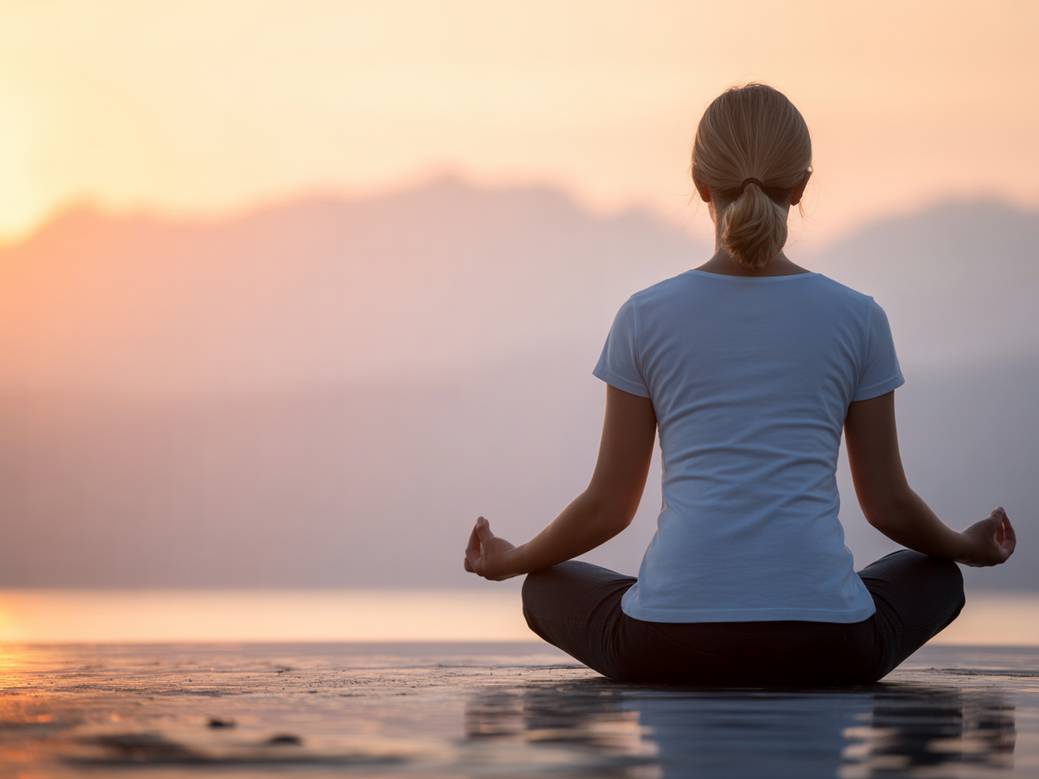
What Is Meditation for Anxiety and How Does It Work?
Meditation for anxiety is a specific application of mindfulness and concentration practices aimed at alleviating the mental and physical symptoms of anxiety. It teaches you to anchor your attention, typically on your breath, which interrupts the relentless cycle of worried thoughts. Instead of fighting or suppressing anxious feelings, you learn to acknowledge them from a detached perspective, which diminishes their power over you.
This practice is not a quick fix but a skill that builds mental resilience over time. By consistently engaging in meditation, you are essentially remodeling your brain’s response to stress. This process creates new neural pathways that promote calmness and emotional balance. Think of it as an active training of the mind for greater peace and control.
The Science Behind It: How Meditation Rewires Your Brain for Calm
How does this ancient practice work on a biological level? When you meditate, you directly influence your brain and nervous system. The practice helps reduce activity in the amygdala, the brain’s “threat detector” that triggers the ‘fight or flight’ response. A less reactive amygdala means you are less likely to be thrown into a state of high alert by stressful thoughts or situations.
Furthermore, extensive research from institutions like Johns Hopkins University confirms that mindfulness meditation is effective in reducing anxiety symptoms. It strengthens the prefrontal cortex, the part of the brain responsible for executive functions like concentration and awareness. This shift helps you move from reactive, emotional thinking to more measured and conscious responses. Authoritative sources like the National Institute of Mental Health (.gov) also recognize mindfulness as a valuable tool for managing anxiety.
According to a 2026 report from the Global Wellness Institute, studies show that 12 weeks of consistent meditation can decrease cortisol levels (the primary stress hormone) by up to 30%.
Key Benefits of a Regular Meditation Practice for Anxiety
The advantages of building a meditation practice extend far beyond a few moments of peace. The cumulative benefits can transform your overall well-being. Here are some of the primary benefits you can expect from consistent meditation for anxiety:
- Reduced Anxiety Symptoms: Directly lowers the frequency and intensity of anxious thoughts and panic sensations.
- Improved Emotional Regulation: Enhances your ability to manage emotions without feeling overwhelmed.
- Better Sleep Quality: Calms the racing mind that often prevents restful sleep, helping to combat insomnia.
- Increased Focus and Clarity: Sharpens your concentration by training your brain to ignore distractions.
- Lowered Physical Stress: Can lead to reduced blood pressure, a slower heart rate, and less muscle tension.
- Greater Self-Awareness: Helps you understand your thought patterns and emotional triggers more clearly.
Types of Meditation for Anxiety Relief
While many styles of meditation exist, some are particularly effective for anxiety. Finding the right fit can make your practice more enjoyable and sustainable. Here are three popular types of meditation for anxiety:
Mindfulness Meditation
This is the most studied form of meditation. It involves focusing on your breath and observing your thoughts, feelings, and bodily sensations without judgment. It teaches you to stay in the present moment, which is a powerful antidote to anxiety’s focus on future worries.
Loving-Kindness Meditation
This practice, also known as Metta meditation, focuses on cultivating feelings of compassion and love towards yourself and others. You silently repeat phrases like “May I be happy, may I be safe, may I be at peace.” This helps counteract the self-criticism and fear that often accompany anxiety.
Body Scan Meditation
A body scan involves bringing focused attention to different parts of your body, from your toes to your head. This practice helps you reconnect with your physical self and notice areas of tension you might be holding unconsciously. It’s an excellent way to release physical stress tied to anxiety.
💡 Ready to Start Your Journey?
Download the Vitalizen App for guided meditations tailored to reduce anxiety and improve your well-being. Take the first step towards a calmer mind today!
How to Start Your Meditation for Anxiety Practice: A 5-Step Guide
Are you ready to begin? Starting a meditation practice is simpler than you might think. You don’t need any special equipment, just a willingness to try. Follow these steps to get started on your journey:
- Find a Quiet Spot: Choose a comfortable and quiet place where you won’t be disturbed. Sit on a chair with your feet on the floor or on a cushion on the ground. Keep your back straight but relaxed.
- Set a Realistic Timer: Begin with a short duration, such as just 5 minutes. It’s better to be consistent with 5 minutes daily than to aim for an hour once a week. Consistency is the key to effective meditation for anxiety.
- Focus on Your Breath: Close your eyes gently. Bring your full attention to the physical sensation of your breath—the air entering your nostrils, your chest rising and falling.
- Acknowledge Wandering Thoughts: Your mind will inevitably wander. That’s perfectly normal. The goal is to notice when it has happened and gently, without judgment, guide your focus back to your breath.
- End with Awareness: When the timer goes off, slowly bring your attention back to your surroundings before opening your eyes. Take a moment to notice how you feel, both physically and mentally.
Creating a Consistent Routine for Lasting Results
The transformative power of meditation comes from consistency. To build a lasting habit, try to practice at the same time each day, such as first thing in the morning or before bed. Link it to an existing habit, like brushing your teeth. If you miss a day, don’t worry. Just return to your practice the next day. Using an app like Vitalizen can help with reminders and progress tracking, making it easier to stay on course.
How Much Does It Cost to Practice Meditation?
The cost of meditation can range from completely free to a significant investment, depending on the path you choose. The most important factor is finding a method that you can stick with consistently. Many people start with free resources to build a foundation before exploring paid options for deeper guidance.
| Method | Average Cost (2026) | Key Features |
|---|---|---|
| Self-Guided | Free | Total flexibility, requires self-discipline. |
| Meditation Apps (like Vitalizen) | $10-$20/month | Guided sessions, progress tracking, variety. |
| In-Person Classes | $20-$40/session | Expert feedback, community support. |
Your Journey to Wellness with the Vitalizen App
While you can start on your own, a guided practice can make all the difference. That’s where the Vitalizen.app | Yoga and Meditation comes in. Our app is designed to make mindfulness accessible to everyone, regardless of experience.
Wondering What is Vitalizen.app? It’s your personal guide to a more peaceful life, offering a variety of guided meditations specifically designed for anxiety relief, stress reduction, and improved sleep. We provide the tools and support you need to build a consistent and effective practice. Our content library also includes resources on combining yoga and meditation for a holistic approach to wellness.
🎯 Ready to reclaim your peace of mind? Start your wellness journey now and discover the transformative power of meditation.
Frequently Asked Questions (FAQ)
How long does it take for meditation to help with anxiety?
While some people feel calmer after their very first session, the most significant benefits come from consistent practice. Many studies suggest that practicing meditation for about 8 weeks can lead to noticeable changes in anxiety levels and brain structure. However, the key is consistency, not duration. A daily 5-10 minute practice is far more effective than a sporadic 1-hour session. The goal is to make it a sustainable part of your routine.
Can I use the Vitalizen App as a beginner?
Absolutely! The Vitalizen App is designed for all levels, from complete beginners to experienced practitioners. We offer introductory courses and short, guided meditations that make it easy to get started and build your confidence. Our beginner series walks you through the fundamentals of posture, breath, and mindfulness, ensuring you build a strong and effective foundation for your practice from day one.
What if I can’t quiet my mind?
This is the most common misconception about meditation! The goal isn’t to have an empty or quiet mind. It’s to notice when your mind has wandered and gently bring it back to your point of focus, like your breath. Every time you do this, you are strengthening your mindfulness muscle. Our guided meditations on the Vitalizen App are specifically designed to help you with this process, reminding you to be kind to your wandering mind.
Can meditation replace therapy for anxiety?
Meditation is a powerful tool for managing anxiety, but it should be seen as a complementary practice, not a replacement for professional medical advice or therapy, especially for severe anxiety disorders. Many therapists recommend meditation for anxiety as part of a comprehensive treatment plan. If your anxiety is significantly impacting your daily life, it is always best to consult with a healthcare professional to determine the right course of action for you.
If you have more questions, feel free to contact us. We’re here to support you on your path to a calmer, healthier life in 2026 and beyond.