


Yoga and Meditation: Your Definitive Guide to Inner Balance in 2026
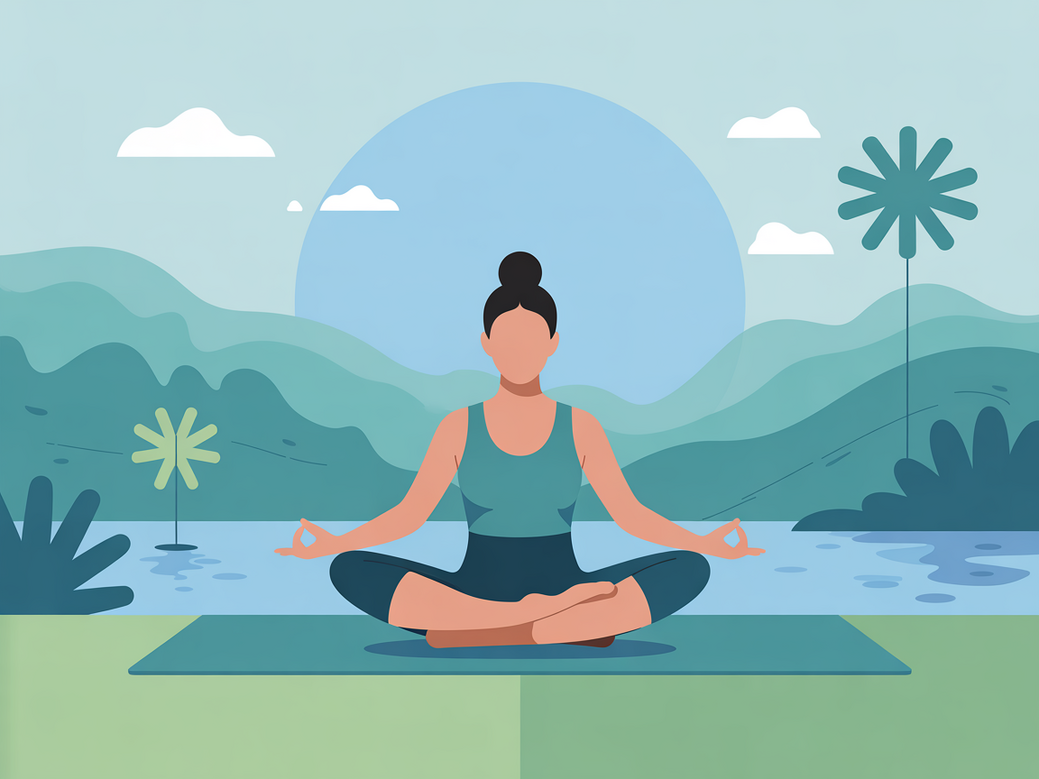
In our hyper-connected 2026 world, finding a moment of genuine peace can feel like an impossible task. Digital fatigue, constant notifications, and the pressure to always be ‘on’ have created a global stress epidemic. Have you ever wondered if there’s a sustainable way to reclaim your calm? The answer lies in reconnecting your mind and body through the timeless practices of yoga and meditation.
This guide explores the profound benefits of integrating yoga and meditation into your life. We’ll delve into the science, differentiate the practices, and provide a clear roadmap to begin your journey. With tools like the Vitalizen App, achieving inner balance is more accessible than ever.
The Core Distinction: Yoga vs. Meditation
While deeply interconnected, yoga and meditation serve unique functions. Understanding this difference is the first step toward building a powerful and personalized wellness routine that addresses both your physical and mental needs.
Yoga is a holistic discipline originating from ancient India. It is a dynamic practice that unites physical postures (asanas), controlled breathing exercises (pranayama), and moments of meditation. The ultimate goal of yoga is to foster harmony between mind, body, and spirit, enhancing everything from physical strength and flexibility to mental clarity. It’s about moving the body to still the mind.
Meditation, conversely, is a practice focused squarely on training the mind. It encompasses a variety of techniques designed to cultivate a state of deep concentration, heightened awareness, and profound inner stillness. You can practice meditation as a component of a yoga session or as a standalone discipline to calm your thoughts and observe them without judgment. It is the art of conscious presence.
The Science of Serenity: How Yoga and Meditation Rewire Your Brain
The transformative effects of yoga and meditation are not just spiritual beliefs; they are backed by robust scientific evidence. When you engage in these practices, you directly influence your autonomic nervous system, shifting it from a state of stress to one of relaxation.
According to a 2025 study from Stanford University’s School of Medicine, regular mindfulness practices can structurally change the brain’s amygdala, the region responsible for processing fear and stress, making it less reactive. This demonstrates a tangible change in our stress response system.
Here’s how it works:
- Activates the Parasympathetic Nervous System: This is your body’s “rest and digest” mode. Deep breathing and mindful movement signal to your brain that you are safe, counteracting the chronic “fight or flight” response many experience daily.
- Reduces Cortisol Levels: By calming the nervous system, you lower the production of cortisol, the primary stress hormone. This leads to reduced blood pressure, a slower heart rate, and improved immune function.
- Increases Gamma-Aminobutyric Acid (GABA): Studies have shown that yoga can increase levels of GABA, a neurotransmitter that helps calm nerve activity and reduce anxiety.
This powerful combination of physiological changes makes yoga and meditation one of the most effective strategies for managing the pressures of modern life in 2026.
Exploring the Spectrum: Types of Yoga and Meditation
The worlds of yoga and meditation are vast and varied. Finding the right style for you can make your practice more enjoyable and sustainable. Here are a few popular types to explore:
Common Styles of Yoga:
- Hatha Yoga: A slower-paced, gentle style perfect for beginners. It focuses on basic postures and breathing techniques.
- Vinyasa Yoga: A more dynamic practice where movement is synchronized with breath, creating a fluid, dance-like sequence.
- Ashtanga Yoga: A physically demanding style that follows a specific, rigorous sequence of postures.
- Restorative Yoga: A passive, relaxing practice that uses props like bolsters and blankets to support the body in comfortable poses for extended periods.
Popular Meditation Techniques:
- Mindfulness Meditation: Involves paying attention to your thoughts, feelings, and bodily sensations in the present moment without judgment.
- Vipassanā Meditation: An ancient Indian technique of self-observation to see things as they truly are.
- Guided Meditation: A facilitator guides you through visualizations and instructions, making it ideal for beginners. The Vitalizen App specializes in this format.
- Transcendental Meditation (TM): A mantra-based practice performed for 20 minutes twice a day.
Why Yoga and Meditation Are Essential in 2026
The need for mental and physical resilience has never been greater. Digital distractions, demanding work schedules, and global uncertainties contribute to a state of constant alert. A consistent yoga and meditation practice provides an indispensable toolkit for navigating these modern challenges.
- Enhanced Mental Clarity: Regular practice improves focus and concentration, helping you cut through the noise of daily life and make better decisions.
- Increased Physical Health: Yoga improves flexibility, builds core strength, and enhances posture, counteracting the detrimental effects of a sedentary lifestyle.
- Superior Emotional Regulation: By creating a crucial pause between a trigger and your reaction, meditation helps you manage emotions more effectively and respond with greater wisdom.
- Improved Sleep Quality: A calm mind and a relaxed body are the foundational prerequisites for deep, restorative sleep, which is vital for overall health.
Your Investment in Well-being: What Does It Cost?
One of the most significant advantages of starting a yoga and meditation practice is its accessibility. The cost can range from zero to a premium investment, depending entirely on the path you choose.
| Tier | What’s Included | Estimated Cost (2026) |
|---|---|---|
| Free | At-home practice, free online videos, basic features in apps like Vitalizen. | $0 |
| Mid-Range | Premium app subscriptions (like Vitalizen), online classes, local studio drop-ins. | $10 – $100 / month |
| Premium | Private instruction, specialized workshops, wellness retreats. | $200+ / month |
How to Start Your Journey Today: A 4-Step Guide
Starting is simpler than you think. You don’t need to be flexible or have a perfectly clear mind. You just need to begin. Let an expert guide you with the Vitalizen App.
> 🎯 **Ready to start?** Download the Vitalizen App and begin your transformation today!
- Find a Quiet Space: Designate a small, comfortable corner in your home. A few square feet are all you need to create a sanctuary for your practice. Make it a tech-free zone if possible.
- Start with Just Five Minutes: Consistency is far more important than duration. Commit to just five minutes a day. This small win builds momentum and makes the habit stick.
- Focus on Your Breath: Don’t worry about “doing it right.” Your only task is to notice your breath. Feel the air enter your nose, fill your lungs, and then leave your body. When your mind wanders (and it will), gently guide it back to your breath without criticism.
- Use a Guided Session: Especially for beginners, following a guide is crucial. The Vitalizen App removes the guesswork, providing structured sessions designed by experts to help you relax and build confidence in your practice of yoga and meditation.
Frequently Asked Questions (FAQ)
How long should I practice yoga and meditation each day?
Even 5-10 minutes of daily practice can make a significant difference. The key is consistency. As you get more comfortable, you can gradually increase the duration with guidance from tools like the Vitalizen App.
Do I need any special equipment?
No, you don’t need anything special to start. A comfortable place to sit is enough for meditation. For yoga, a mat is helpful but not essential for beginner poses. The most important tool is your breath.
How can the Vitalizen App help my journey?
The Vitalizen App provides structured, easy-to-follow guided yoga and meditation sessions for all levels. It takes the guesswork out of your practice, helping you build a consistent and effective routine for a healthier mind and body.
Can I do yoga if I’m not flexible?
Absolutely. This is a common misconception. Yoga is not about being flexible; it’s about becoming *more* flexible than you were yesterday. The practice meets you where you are. In fact, feeling inflexible is one of the best reasons to start yoga.
What is the main difference between yoga and stretching?
While both involve physical movement, stretching is primarily focused on elongating muscles. Yoga is a more holistic practice that integrates the body, breath, and mind. A yoga session includes intentional breathing (pranayama) and a focus on mental presence, which are not typically components of a simple stretching routine.
Ready to Transform Your Well-being?
Embarking on a yoga and meditation journey is a profound gift to yourself. It is a conscious step towards a more balanced, peaceful, and resilient life in a world that constantly challenges your inner peace. Let us be a part of your transformation.
For more tips and guidance, visit our blog with articles, news, and tips. If you have any questions, feel free to contact us.
For further reading, explore resources from the National Center for Complementary and Integrative Health (NCCIH) and research from institutions like Harvard University on mindfulness.
About the Author
The Vitalizen App Team is a collective of certified yoga instructors, mindfulness experts, and wellness advocates dedicated to making mental and physical well-being accessible to everyone. With decades of combined experience, our mission is to provide authentic, expert-led guidance to help you navigate the challenges of modern life with greater peace and resilience.