

Yoga and Meditation: Your Ultimate Guide to Health and Wellness in 2026
In the relentless pace of modern life, the ancient practices of yoga and meditation have emerged as essential pillars for holistic well-being. They offer a powerful sanctuary from daily pressures by fostering a profound connection between mind and body. Yoga combines physical postures (asanas), controlled breathing (pranayama), and mindfulness to enhance physical vitality, while meditation focuses on training the mind to achieve deep clarity and emotional calm. As a result, millions are embracing these disciplines to navigate stress and unlock a more balanced life.
This comprehensive guide explores the extensive health benefits of yoga and meditation, backed by 2026 scientific insights. We will provide a step-by-step plan for beginners and show you how tools like the Vitalizen App can support and accelerate your transformative journey.

Why Are Yoga and Meditation Crucial for Modern Well-being?
Have you ever felt overwhelmed by constant notifications, deadlines, and the pressure to always be ‘on’? You’re not alone. This chronic state of stress is where yoga and meditation provide their most significant value. They offer a holistic health model that complements modern medicine by addressing the root causes of many physical and mental ailments—stress and disconnection.
These practices are not merely about stretching or sitting in silence; they are about cultivating a sustainable lifestyle that nurtures your body, mind, and spirit. By integrating even short sessions into your daily routine, you can trigger a cascade of positive changes, leading to a profound improvement in your overall quality of life.
According to a 2026 report from the National Institutes of Health (NIH), 85% of individuals who practice yoga and meditation regularly report a significant reduction in stress levels and a 45% improvement in sleep quality.
The Physical Health Benefits of Yoga
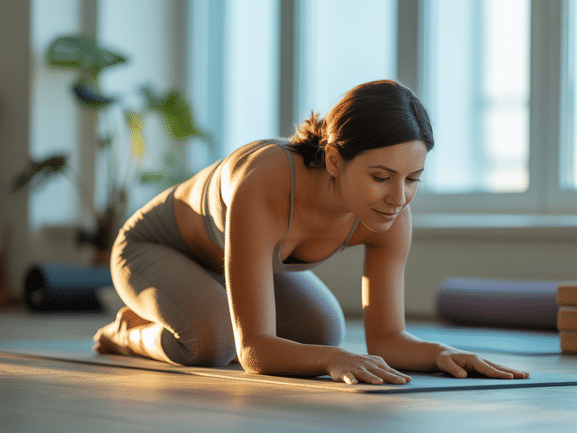
Yoga is a remarkably effective form of physical conditioning, celebrated for its ability to build strength, increase flexibility, and improve overall body function. Its versatility allows it to be adapted for any age or fitness level, making its profound benefits accessible to everyone. The practice goes far beyond the mat, enhancing your physical health in numerous ways.
- Increased Flexibility and Mobility: Yoga poses systematically stretch muscles and lubricate joints, improving your range of motion and reducing stiffness.
- Enhanced Muscle Strength and Tone: Poses like Downward-Facing Dog and the Warrior series build functional strength, toning everything from your core to your limbs.
- Improved Posture and Balance: By strengthening your core and improving proprioception (your sense of where your body is in space), yoga corrects postural imbalances and enhances stability.
- Boosted Respiratory Function: Pranayama (breathing exercises) are central to yoga, increasing lung capacity, improving respiratory efficiency, and oxygenating the blood.
- Better Circulatory and Heart Health: Regular practice has been shown to lower resting heart rate, reduce blood pressure, and improve circulation, contributing to a healthier cardiovascular system.
- Reduced Chronic Pain: Studies, including those from institutions like Harvard Medical School (.edu), show yoga is effective in alleviating chronic pain conditions like lower back pain, arthritis, and migraines.
The Mental Health Benefits of Meditation
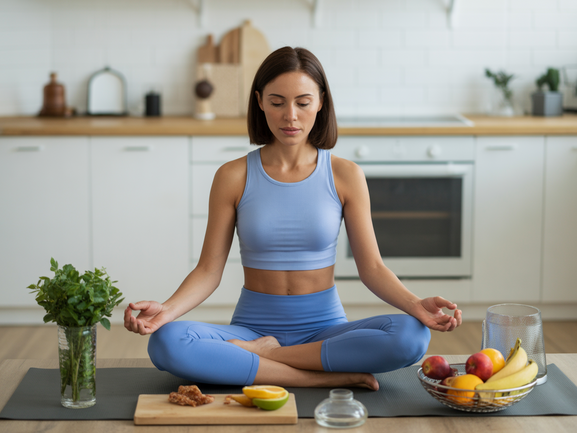
If yoga is the workout for the body, meditation is the training for the mind. This practice teaches you to focus your attention, observe your thoughts without judgment, and cultivate a state of present-moment awareness. The mental clarity and emotional resilience gained are invaluable in today’s world.
- Significant Stress and Anxiety Reduction: Meditation is proven to lower cortisol levels (the primary stress hormone) and calm the nervous system, fostering a sense of peace.
- Improved Concentration and Focus: It strengthens the prefrontal cortex, the brain’s command center responsible for attention, decision-making, and memory.
- Greater Emotional Stability and Regulation: By creating a space between stimulus and response, meditation helps you manage your emotions more effectively, reducing reactivity.
- Enhanced Self-Awareness: The practice encourages introspection, helping you understand your thought patterns and emotional triggers on a deeper level.
- A Deeper Sense of Inner Peace: It cultivates a state of calm and contentment that permeates your daily life, even outside of formal practice.
How to Start Your Journey with Yoga and Meditation
Starting a new wellness habit can feel intimidating, but the key is to begin with small, achievable steps. Consistency is far more important than intensity. You don’t need to commit to an hour-long session every day; even 10-15 minutes can yield remarkable results. The goal is to create a sustainable practice that seamlessly integrates into your lifestyle.
Your First Steps into Practice: A 5-Step Guide
Here is a simple, step-by-step plan to get you started on your yoga and meditation journey today:
- Set a Clear Intention: Ask yourself *why* you want to practice. Is it to reduce stress, improve flexibility, sleep better, or find inner peace? Your intention is your anchor and motivator.
- Create a Dedicated Space: Designate a quiet, comfortable corner in your home for your practice. A clutter-free space helps create a peaceful mindset.
- Start Small and Be Realistic: Begin with a 5-minute guided meditation or a few simple yoga poses. The Vitalizen blog has excellent tutorials for beginners.
- Focus on Your Breath: In both yoga and meditation, your breath is your most powerful tool. Whenever your mind wanders, gently guide your focus back to the sensation of your inhalation and exhalation.
- Be Patient and Compassionate: Some days will feel easy; others will be challenging. The most important thing is to show up for yourself without judgment. Remember the mantra: progress, not perfection.
💡 Ready to take the first step? The Vitalizen App offers guided sessions perfect for beginners. Download it for free and start your journey today!
How Much Does It Cost to Practice Yoga and Meditation in 2026?
One of the greatest advantages of yoga and meditation is their accessibility. The cost can range from completely free to several hundred dollars per month, depending on your approach. You can begin with a minimal investment, using free resources available on platforms like YouTube or through apps with freemium models, such as Vitalizen.
As your practice deepens, you might choose to invest in a high-quality yoga mat, props like blocks and straps, or a premium app subscription for more specialized content. Regardless of the financial cost, the return on investment—measured in profound health benefits—is immeasurable.
| Option | Initial Cost | Monthly Cost | Best For |
|---|---|---|---|
| At-Home (Free Resources) | $0 – $20 (optional mat) | $0 | Beginners, Budget-conscious |
| Wellness Apps (like Vitalizen) | $0 | $5 – $15 | Guidance, Variety, and Progress Tracking |
| Local Yoga Studio | $0 – $50 (intro offers) | $80 – $200 | Community and In-person Correction |
How the Vitalizen App Can Be Your Personal Wellness Guide
While countless resources are available, a dedicated platform like the Vitalizen App | Yoga + Meditation can structure and simplify your wellness journey. Think of it as a personal wellness coach that fits in your pocket, ready whenever you are.
With a vast library of guided meditations, yoga sessions for all levels, and personalized progress tracking, it provides a comprehensive and motivating solution. The app’s user-friendly interface makes it easy to find the perfect session for your mood and schedule, whether you have five minutes before a meeting or an hour to unwind. It removes the guesswork, allowing you to focus purely on your practice and its benefits.
Frequently Asked Questions (FAQ)
What is the best time to practice yoga and meditation?
The best time is any time you can be consistent. Many prefer the morning to start their day with clarity and energy. Others find an evening practice helps them de-stress and prepare for restful sleep. The most important factor is choosing a time that fits your schedule. Listen to your body and your life’s rhythm.
Do I need special equipment to start yoga and meditation?
You don’t need much. A comfortable yoga mat is recommended for grip and cushioning, but a carpeted floor works initially. For meditation, a quiet space is all you truly need, though a cushion can help with posture. Props like blocks are optional aids, not requirements.
How long does it take to see the benefits of yoga and meditation?
Many people report feeling calmer after their very first session. Noticeable improvements in flexibility and stress levels often appear within a few weeks of consistent practice (3-5 times per week). Significant changes in muscle tone, mental clarity, and emotional regulation typically become apparent after 2-3 months.
Can I practice yoga if I’m not flexible?
Absolutely. Saying you’re not flexible enough for yoga is like saying you’re too dirty to take a shower. Yoga is the very practice that builds flexibility safely. Every pose can be modified to suit your body. The goal is to listen to your body, not to force it into a specific shape.
Embrace Your New Beginning Today
In conclusion, embarking on a journey of yoga and meditation is one of the most powerful investments you can make in your long-term health. It is a scientifically-backed and time-tested path to a more balanced, peaceful, and vibrantly healthy life. With accessible tools and a clear path forward, this transformative practice has never been more attainable.
🎯 Ready to transform your well-being? Contact us today to learn more or explore our resources to begin your journey.
For more in-depth research, explore the resources on yoga for health from the National Center for Complementary and Integrative Health (.gov).
Last updated: January 9, 2026