


How to Start Yoga and Meditation: A Beginner’s Journey to Wellness
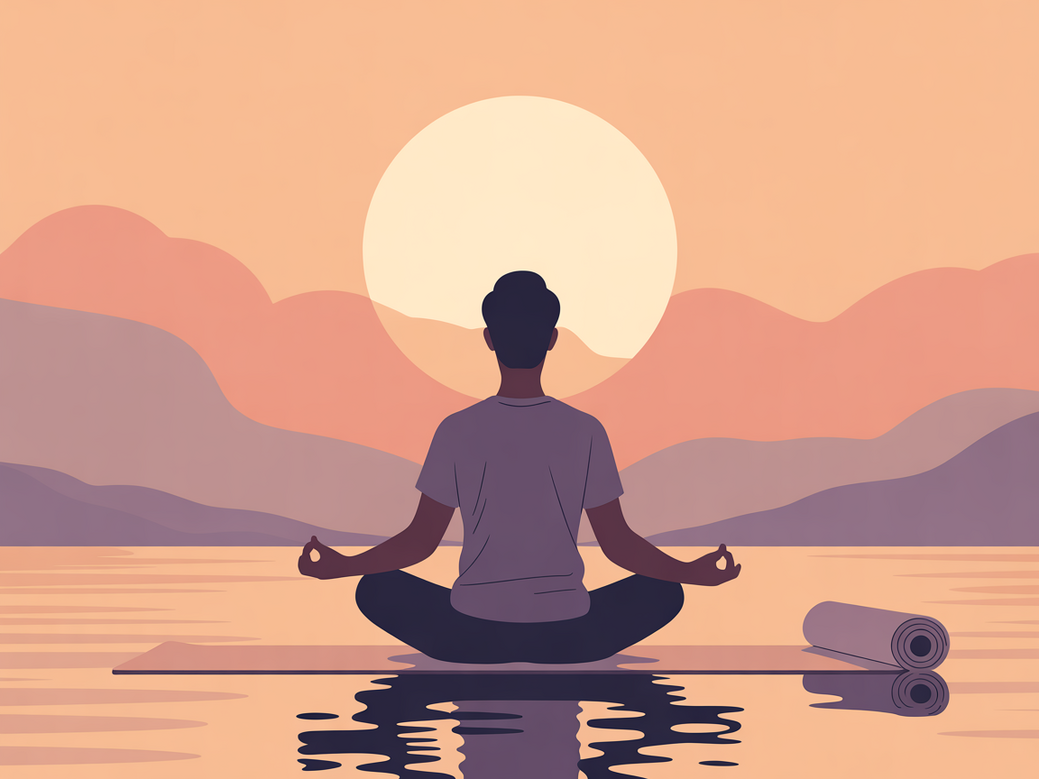
In the non-stop pace of modern life, have you ever wished for a pause button? Finding a moment of genuine peace can feel like a luxury, but what if you could create that calm for yourself? This is where the ancient practices of yoga and meditation come in, offering timeless tools for today’s challenges. With resources like the Vitalizen App | Yoga + Meditation, beginning this transformative wellness journey has never been more accessible.
This guide will walk you through everything you need to know to start your own yoga and meditation practice, from understanding the core principles to integrating them into your daily life for lasting well-being.
Understanding the Core Concepts: What Are Yoga and Meditation?
First, let’s clarify what these powerful practices involve. Yoga is a holistic mind-body discipline that integrates physical postures (asanas), controlled breathing exercises (pranayama), and meditation. It’s a comprehensive method for creating harmony between your physical, mental, and spiritual states. It’s not just about exercise; it’s a complete wellness system.
Meditation, which is a core component of yoga but also a powerful standalone practice, focuses on training your attention and awareness. By using techniques like mindfulness or focusing on a specific object or thought, you can achieve a mentally clear, emotionally calm, and stable state. Think of yoga and meditation as your personal toolkit for enhancing overall well-being and building resilience.
The Science-Backed Importance of Yoga and Meditation for Your Well-being
So, why should you dedicate time to yoga and meditation? The advantages are extensive and increasingly supported by modern science. A 2026 report on wellness trends highlights that over 60% of adults who practice yoga do so for its mental health benefits. Research from institutions like the National Center for Complementary and Integrative Health consistently shows that a regular yoga practice can significantly improve both physical and mental health.
“A study published in a 2026 medical journal found that just 8 weeks of regular yoga and meditation practice can reduce inflammatory biomarkers by up to 20%, showcasing a direct impact on physical health at a cellular level.”
Furthermore, research from Johns Hopkins University confirms that mindfulness meditation can be as effective as antidepressants in treating symptoms of anxiety and depression. This underscores the profound impact that a consistent yoga and meditation practice can have on your life.
Key Benefits for a Balanced Life:
- Reduced Stress and Anxiety: Both practices are proven to lower cortisol levels, the body’s primary stress hormone, and activate the body’s relaxation response.
- Improved Physical Health: Expect increased flexibility, better balance, and enhanced strength. This holistic discipline also contributes to lower blood pressure and improved cardiovascular health.
- Enhanced Mental Clarity and Focus: Meditation sharpens your focus and concentration, which can boost your productivity and decision-making skills in all areas of life.
- Better Sleep Quality: A calm mind leads to more restful sleep. Studies show that a consistent yoga and meditation practice can combat insomnia and improve overall sleep patterns.
- Greater Emotional Regulation: By fostering a greater sense of self-awareness, this practice helps you manage your emotional responses to life’s challenges more effectively.
How Do Yoga and Meditation Create Change?
Yoga and meditation work by activating the parasympathetic nervous system, often called the “rest and digest” system. This masterfully counteracts the sympathetic nervous system’s “fight or flight” response that so often dominates our high-stress lives. The physical postures in yoga release stored muscular tension, while breathing techniques and meditation calm the mind’s incessant chatter.
This combination creates a powerful feedback loop. A relaxed body helps quiet the mind, and a quiet mind helps relax the body. Over time, this process trains your brain’s neural pathways, making you more resilient to stress and fostering a baseline state of calm and presence. This is the essence of the mind-body connection at work.
How to Start Your Yoga and Meditation Journey Today
Feeling inspired to begin? The great news is that starting is simple and requires very little. The Vitalizen App is crafted for everyone, from the curious beginner to the experienced practitioner. Here’s a simple, step-by-step way to get started on your path:
- Create a Comfortable, Sacred Space: You don’t need a special studio. Find a quiet corner in your home where you won’t be disturbed for 15-20 minutes. All you truly need is a yoga mat to define your practice area.
- Set a Clear Intention: Ask yourself *why* you want to start. Is it to reduce stress? Improve flexibility? Sleep better? Having a clear goal will keep you motivated on your yoga and meditation journey.
- Download the Vitalizen App: Visit our website to start your wellness journey. The app provides the structure and expert guidance you need to begin with confidence.
- Explore Guided Beginner Sessions: Don’t overwhelm yourself. Start with short, 5-10 minute guided meditations or beginner yoga flows. The app offers sessions tailored to your goals, whether it’s reducing stress or improving flexibility.
- Schedule Your Practice: Consistency is far more important than duration. Try to set aside the same time each day for your practice. This builds a powerful routine and makes it a natural part of your day.
- Listen to Your Body: The golden rule of yoga and meditation is to be kind to yourself. Never push into pain. The goal is mindful movement and awareness, not achieving a perfect pose.
> 💡 **Tip:** Ready to take the first step? Download the Vitalizen App and try our free 7-day introductory course designed for absolute beginners!
What Style of Yoga is Right for a Beginner?
With so many types of yoga, it can be confusing to know where to start. Here’s a simple breakdown of beginner-friendly styles available on the Vitalizen App to help you find your fit.
| Yoga Style | Primary Focus | Pace | Ideal For |
|---|---|---|---|
| Hatha | Basic postures and breathing alignment | Slow | Absolute beginners seeking a gentle, foundational introduction to yoga and meditation. |
| Vinyasa | Flowing movement synchronized with breath | Moderate | Beginners who want a more dynamic, fitness-oriented practice. |
| Restorative | Deep relaxation, stillness, and healing | Very Slow | Anyone looking to de-stress, release deep-seated tension, and calm the nervous system. |
| Yin | Passive, long-held poses for flexibility | Very Slow | Those looking to increase flexibility and practice mindfulness and patience. |
Integrating Yoga and Meditation into a Busy Schedule
One of the biggest hurdles for beginners is feeling like you don’t have enough time. The beauty of a personal yoga and meditation practice is its flexibility. You don’t need a full hour every day to reap the benefits.
Practical Tips for a Hectic Life:
- Morning Minutes: Start your day with a 5-minute guided meditation on the Vitalizen App before you even check your phone.
- Lunch Break Reset: Do a 10-minute gentle yoga stretch at your desk to release tension in your neck and shoulders.
- Evening Wind-Down: Practice a 15-minute Restorative yoga session before bed to prepare your body for deep sleep.
Remember, small, consistent efforts compound over time. A short daily practice is more beneficial than one long session per week. This approach to yoga and meditation makes it sustainable for the long term.
Frequently Asked Questions About Yoga and Meditation
What do I really need to start practicing yoga?
To begin, you only need a comfortable space and a yoga mat. While props like blocks and straps can be helpful as you advance, they are not necessary for starting out. Your own body and a willingness to learn are the most important tools for your yoga and meditation practice.
How often should I meditate to feel a difference?
Even a few minutes of daily meditation can have a positive impact. We recommend starting with just 5 to 10 minutes each day. As you become more comfortable, you can gradually increase the duration. The key to seeing results from your meditation practice is consistency.
How much does the Vitalizen App cost?
The Vitalizen App provides both free and premium content to ensure accessibility for everyone. You can start with our extensive library of free sessions and choose to upgrade to a premium subscription to unlock advanced features and specialized content. For more details, please contact us.
Where Can You Practice?
While practicing at home with an app like Vitalizen is convenient and cost-effective, you can also explore other options to enrich your practice. Local studios offer in-person classes, which provide community and hands-on adjustments from instructors. Many community centers and parks also offer free or donation-based yoga sessions, especially during warmer months. The beauty of this practice is its adaptability—it can be done anywhere, anytime.