

Yoga and Meditation for Mental Health: A 2026 Guide to Inner Peace
In the relentless pace of 2026, achieving mental clarity is no longer a luxury—it’s essential for survival. This guide explores how the timeless practices of yoga and meditation serve as powerful tools for improving your mental health. Discover the science behind their benefits, learn actionable steps to integrate them into your daily routine, and unlock a more balanced, serene life. If you’re seeking effective strategies for stress reduction and emotional regulation, you’ve come to the right place.

The Foundations: What Are Yoga and Meditation?
To fully appreciate their impact on mental health, it’s crucial to understand what each practice involves. Though often mentioned together, they have distinct focuses.
Yoga is a holistic discipline from ancient India that harmonizes mind, body, and spirit. It masterfully combines physical postures (asanas), controlled breathing techniques (pranayama), and meditation. The goal extends beyond physical flexibility; it’s about fostering a profound sense of unity between your inner self and the world around you. This practice is a cornerstone of using yoga and meditation for mental health.
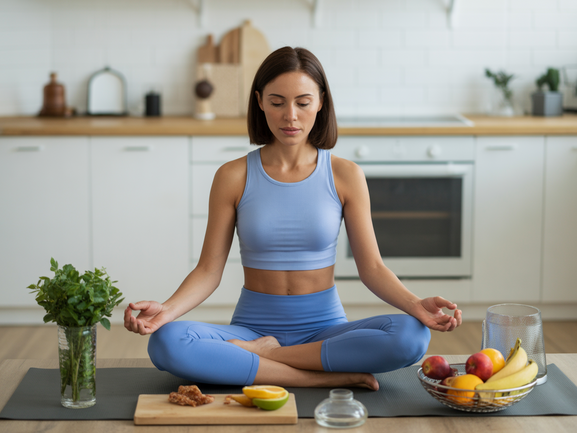
Meditation is a mental practice designed to train attention and awareness. By focusing on a single point—as such as your breath, a bodily sensation, or a mantra—you learn to observe your thoughts without getting entangled in them. This technique effectively quiets the relentless mental chatter that fuels stress and anxiety, leading to enhanced mental clarity and emotional stability.
Why Is Mental Wellness a Priority in 2026?
The pressures of modern life have triggered a significant rise in stress, anxiety, and burnout. Yoga and meditation offer a potent, evidence-based, non-pharmacological path to manage these issues. The conversation has shifted from anecdotal stories to scientific validation, with health institutions globally recognizing their efficacy.
According to a landmark 2026 report from the Global Wellness Institute, consistent mindfulness practices can reduce symptoms of anxiety by up to 60%. This extensive research underscores the vital role of yoga and meditation for mental health in the modern era.
In a hyper-connected world, the act of disconnecting to reconnect with oneself is a fundamental skill for mental preservation. These practices equip you with the tools to build resilience, master emotional regulation, and cultivate a durable sense of inner peace. For a guided experience, the Vitalizen App | Yoga + Meditation is an excellent resource.
The Science Behind the Calm: How Yoga and Meditation Work
The calming effects of yoga and meditation are not magic; they are rooted in profound physiological and neurological changes. They work in synergy to recalibrate your body’s stress response system and reshape your brain.
The Neurobiology of Yoga: More Than Just Stretching
When you engage in yoga, the blend of physical movement, deep breathing, and focused attention directly impacts your nervous system. Scientific studies using fMRI have shown that a consistent yoga practice can significantly lower levels of the primary stress hormone, cortisol. Simultaneously, it boosts the production of GABA, a neurotransmitter that induces calmness and is often deficient in individuals with anxiety disorders. The asanas release physical tension stored in muscles, while pranayama shifts the autonomic nervous system from a ‘fight-or-flight’ state to a ‘rest-and-digest’ state.
The Mechanics of Meditation: Rewiring Your Brain for Peace
Meditation is essentially a workout for your brain. It strengthens the prefrontal cortex, the hub of executive functions like decision-making, attention, and emotional control. As you consistently practice bringing your focus back to your anchor, you are building neural pathways for sustained attention. This training helps you detach from destructive thought loops and reduces activity in the amygdala, the brain’s fear and threat-detection center. Over time, this leads to a less reactive, more mindful, and composed state of being, which is the primary goal of using yoga and meditation for mental health.
5 Essential Yoga Poses for Immediate Stress Relief
You don’t need to be a master yogi to benefit from asanas. Here are five simple yet powerful poses known for their calming effects. Hold each for 5-10 deep breaths.
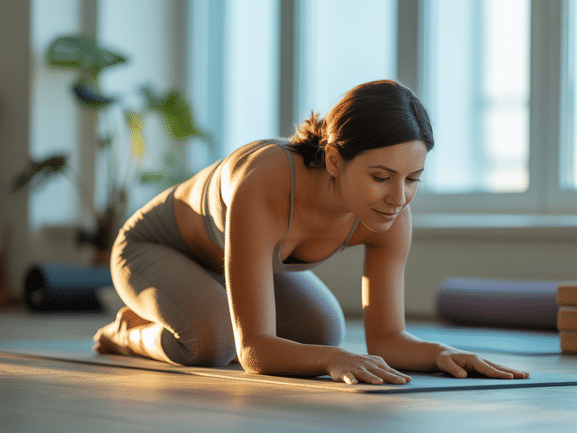
- Child’s Pose (Balasana): Kneel on the floor, sit back on your heels, and fold forward, resting your forehead on the mat. It’s a deeply restorative pose that calms the mind.
- Cat-Cow Stretch (Marjaryasana-Bitilasana): Start on your hands and knees. Inhale as you drop your belly and look up (Cow), and exhale as you round your spine and tuck your chin (Cat). This syncs breath with movement and releases spinal tension.
- Legs-Up-The-Wall Pose (Viparita Karani): Lie on your back with your sit-bones as close to a wall as possible and extend your legs up the wall. This gentle inversion is excellent for calming the nervous system.
- Standing Forward Bend (Uttanasana): Stand with feet hip-width apart, and fold forward from your hips. Let your head hang heavy. This pose relieves tension in the neck and back.
- Corpse Pose (Savasana): Lie flat on your back, arms and legs relaxed. This pose of total relaxation is crucial for integrating the benefits of the practice.
🎯 **Ready to start?** The Vitalizen App offers guided sessions for these poses and more, perfect for beginners.

Exploring Types of Meditation for Mental Clarity
Meditation isn’t a one-size-fits-all practice. Different techniques can help you achieve mental wellness. Here are a few popular styles:
- Mindfulness Meditation: The most common type, where you focus on your breath and observe thoughts non-judgmentally as they arise and pass.
- Guided Meditation: A teacher or app guides you through visualizations and instructions to help you relax and focus. Ideal for beginners.
- Transcendental Meditation (TM): Involves the silent repetition of a specific mantra to settle the mind into a state of deep rest.
- Walking Meditation: A form of mindfulness where you focus on the physical sensation of walking and your connection to the earth.
Tangible Benefits of a Consistent Practice
Integrating yoga and meditation for mental health into your life yields a wide array of benefits that you can see and feel. The positive effects create a ripple effect across your entire well-being.
- Reduced Stress and Anxiety: Directly lowers cortisol and calms the fight-or-flight response.
- Improved Focus and Concentration: Strengthens the prefrontal cortex, enhancing your ability to maintain attention.
- Enhanced Emotional Regulation: Creates a pause between stimulus and response, allowing for more thoughtful reactions.
- Better Sleep Quality: Calms the mind and relaxes the body, making it easier to fall and stay asleep.
- Increased Self-Awareness: Fosters a deeper, more compassionate connection with your thoughts, feelings, and physical sensations.
- Improved Physical Health: Increases flexibility, strength, and balance, while also contributing to lower blood pressure and better heart health.
How to Start Your Journey Today: A 5-Step Plan
Starting a new habit can feel daunting, but you can begin with simple, manageable steps. You don’t need special equipment or a lot of time—*even five minutes* a day can make a profound difference.
- Define Your “Why”: What do you hope to achieve? Write it down. Whether it’s to feel calmer, sleep better, or be more focused, a clear intention is a powerful motivator.
- Schedule It: Dedicate a specific, non-negotiable time in your day for your practice. Treat it like an important appointment.
- Start Small: Begin with a 5-minute guided meditation or a few simple yoga stretches. Consistency trumps duration. The Vitalizen app has sessions as short as 3 minutes.
- Create a Space: Find a quiet corner where you won’t be disturbed. A cushion on the floor is enough to signal to your brain that it’s time for your mental health practice.
- Be Patient and Kind: Your mind will wander. That’s normal. The practice is about gently and non-judgmentally returning your focus, again and again.
For more tips and guidance, check out the articles on our blog.
Investment in Your Well-being: What Does It Cost?
The cost of practicing yoga and meditation varies, making it accessible to nearly everyone, regardless of budget.
| Option | Typical Cost | Pros |
|---|---|---|
| Free Resources (YouTube, etc.) | $0 | No financial commitment, wide variety. |
| Meditation & Yoga Apps | $10-$20/month (Freemium available) | Guided sessions, structured programs, convenience. |
| In-Person Studio Classes | $20-$35/class or $100-$200/month | Community, hands-on instruction. |
| Private Instruction | $75-$150+/hour | Personalized guidance, rapid progress. |
Your Personal Guide: The Vitalizen App
The Vitalizen App is your personal wellness companion, offering a vast library of guided yoga and meditation sessions for all levels. Our mission is to make mental and physical well-being accessible to everyone, everywhere. With our app, you can practice anytime and find the perfect session to match your mood and goals. Ready to begin? Start your wellness journey now.
Frequently Asked Questions About Yoga and Meditation
What is the main difference between yoga and meditation?
Meditation is a core component of yoga, but they are not the same. Meditation is the practice of training the mind to achieve a state of focused awareness. Yoga is a broader discipline that includes meditation, but also incorporates physical postures (asanas), breathing exercises (pranayama), and ethical principles. Think of meditation as a specific tool, and yoga as the entire toolbox for well-being.
How often should I practice for mental health benefits?
For noticeable mental health benefits, consistency is more important than duration. Even 10-15 minutes of daily practice can make a significant difference. A good starting goal is 3-4 times per week, gradually building from there.
I can’t quiet my mind to meditate. What should I do?
This is the most common challenge and a total misconception. The goal of meditation isn’t to have zero thoughts, but to acknowledge them without judgment and gently return your focus to your anchor (like your breath). Guided meditations, like those on the Vitalizen App, are especially helpful for beginners as they provide a voice to return to.
Do I need to be flexible to do yoga?
Absolutely not! Saying you’re not flexible enough for yoga is like saying you’re too dirty to take a shower. Yoga is for every body type and flexibility level. Flexibility is a result of practicing yoga, not a prerequisite. The Vitalizen App offers classes for all levels, including absolute beginners.
Can yoga and meditation replace therapy?
While yoga and meditation for mental health are powerful supportive tools, they are not a substitute for professional medical advice or therapy for clinical conditions. They are an incredibly effective complement to therapy. Always consult with a healthcare professional for diagnosis and treatment plans. Please feel free to contact us if you have more questions.
Start Your Journey to a Healthier Mind Today!
You have the power to cultivate a calmer, more resilient mind. The practices of yoga and meditation have been trusted for millennia and are now unequivocally backed by modern science. Ready to experience these incredible benefits for yourself?
💡 Tip: Download the Vitalizen App | Yoga + Meditation and begin your journey to a happier, healthier you. Your mind will thank you.
For more information on the benefits of yoga and meditation, you can visit this article from Johns Hopkins Medicine and review studies on mindfulness at UMass Chan Medical School’s Center for Mindfulness.