Yoga and Meditation for Stress Reduction: A 2026 Guide
In our fast-paced, hyper-connected world, finding a moment of calm can feel like an impossible quest. Daily pressures mount, leaving us overwhelmed and searching for relief. Have you ever wondered how to effectively manage this constant stress? The answer may lie in the ancient, time-tested practices of yoga and meditation.
These disciplines offer a powerful, science-backed path to not just manage stress but to fundamentally transform your well-being. This guide explores the core principles of yoga and meditation for stress reduction, providing actionable steps to integrate them into your modern life. With tools like the Vitalizen App, your journey into mindfulness has never been more accessible or essential.
The Science Behind Stress: Why We Feel Overwhelmed
Before diving into the solution, it’s crucial to understand the problem. When you perceive a threat, your body’s sympathetic nervous system kicks in, triggering the “fight-or-flight” response. It releases a cascade of stress hormones, including cortisol and adrenaline.
While this response is vital for survival, chronic activation from work deadlines, financial worries, or social pressures leads to long-term damage. This is where practices focused on yoga and meditation for stress reduction become invaluable, as they activate the parasympathetic nervous system, also known as the “rest-and-digest” system, to restore balance.

What Is Yoga? More Than Just Poses
Yoga is a holistic practice from ancient India that unites the mind, body, and spirit. While modern culture often highlights the physical postures (asanas), its true scope is far broader. It masterfully combines physical movement, controlled breathing (pranayama), and meditation to cultivate inner peace and physical vitality.
Think of it as a journey of self-discovery that enhances your body’s strength and flexibility while simultaneously calming the relentless chatter of your mind. To learn more about our mission, you can explore what the Vitalizen.app is all about.
Core Benefits of a Consistent Yoga Practice:
- Stress and Anxiety Reduction: The focus on breath and mindful movement actively lowers cortisol levels, the body’s primary stress hormone.
- Improved Flexibility and Mobility: Gently stretching muscles releases stored tension and increases your overall range of motion.
- Increased Physical Strength: Holding poses builds lean muscle and core strength, which improves posture and prevents injury.
- Enhanced Mental Clarity: A consistent practice sharpens focus and concentration, leading to a profound sense of calm.
- Better Sleep Quality: By calming the nervous system, yoga can significantly improve your ability to fall and stay asleep.
5 Beginner Yoga Poses for Immediate Stress Relief
You don’t need to be a contortionist to benefit from yoga. Here are five simple asanas perfect for yoga and meditation for stress reduction:
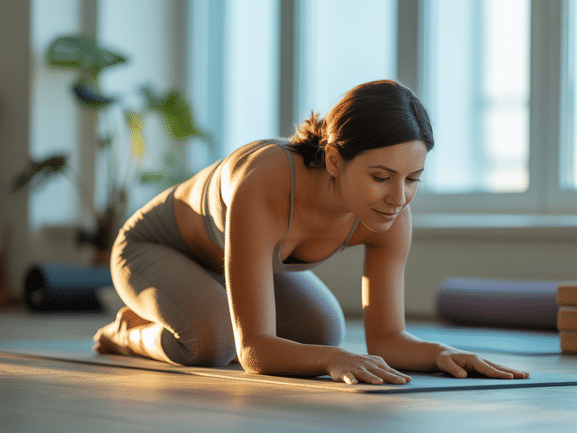
- Cat-Cow (Marjaryasana-Bitilasana): On all fours, inhale as you drop your belly and look up (Cow), and exhale as you round your spine and tuck your chin (Cat). This warms up the spine and releases tension.
- Child’s Pose (Balasana): Kneel, sit back on your heels, and fold forward, resting your forehead on the floor. This is a deeply restorative pose that calms the mind.
- Mountain Pose (Tadasana): Stand tall with your feet together, grounding down while lengthening your spine. It seems simple, but it’s a powerful tool for improving posture and presence.
- Legs-Up-The-Wall (Viparita Karani): Lie on your back with your legs extending straight up against a wall. This passive inversion is excellent for reducing anxiety and fatigue.
- Corpse Pose (Savasana): Lie flat on your back, arms and legs relaxed. This final resting pose allows your body to fully integrate the benefits of the practice.

What Is Meditation? Training Your Mind for Peace
Meditation is a mental exercise focused on training attention and awareness to achieve a state of profound mental clarity and emotional calm. The goal is not to silence your thoughts but to observe them without judgment, which creates a healthy detachment from the sources of your stress.
According to a 2026 report from Stanford University’s School of Medicine, 85% of individuals who practiced mindfulness meditation for just 10 minutes daily reported a significant decrease in anxiety levels within two weeks.
Its importance is validated by countless studies. Research from the National Institutes of Health confirms its effectiveness in managing psychological well-being, while a study involving university students demonstrated a marked reduction in stress after a six-week yoga and meditation program, highlighting its academic and real-world benefits.
Types of Meditation for Stress Management:
- Mindfulness Meditation: The most common type, where you focus on your breath and observe thoughts as they pass without judgment.
- Body Scan Meditation: You bring focused attention to different parts of your body, noticing sensations like warmth, tingling, or tension.
- Guided Meditation: A narrator guides you through a visualization or relaxation exercise, which is perfect for beginners using an app like Vitalizen.
- Walking Meditation: You focus on the physical sensation of walking—the movement of your legs, the feeling of your feet on the ground.
How to Start Your Mindful Practice Today
Starting your journey with yoga and meditation for stress reduction doesn’t require a huge commitment or expensive gear. You can begin right now with a few simple, actionable steps designed for absolute beginners.
Your First Steps into a More Mindful Life:
- Designate a Quiet Space: Find a small, quiet corner in your home. This dedicated space, no matter how simple, becomes your sanctuary.
- Start Small (5-10 Minutes): Don’t aim for an hour-long session on day one. Consistency is far more important than duration.
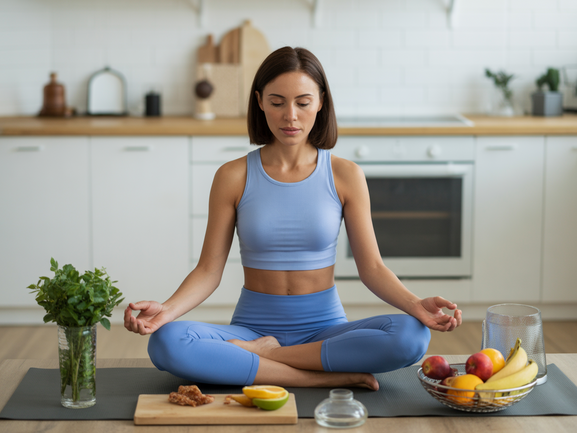
- Focus on Your Breath: Breathing is the anchor. Sit comfortably, close your eyes, and simply focus on the sensation of your breath entering and leaving your body.
- Use Guided Resources: Let an app like Vitalizen walk you through a 5-minute session. Guidance is incredibly helpful when you’re just starting out.
- Be Kind to Yourself: Your mind will wander. That’s normal. The practice is about gently guiding your attention back, not achieving perfection.
> 💡 **Pro Tip:** Schedule it! Just like any other important appointment, block out time in your calendar for your practice. This simple act dramatically increases your chances of success.
How Much Does It Cost to Implement Yoga and Meditation?
The cost can vary from completely free to several hundred dollars per month. It all depends on your chosen path. High-quality resources are available at every price point, making yoga and meditation for stress reduction accessible to everyone.
| Resource Type | Category | Estimated Cost (Monthly) | Best For |
|---|---|---|---|
| YouTube Channels | Yoga & Meditation | $0 | Casual beginners exploring styles |
| Freemium Apps (e.g., Vitalizen) | Guided Meditation | $0 – $15 | Structured guidance and progress tracking |
| Local Studio Classes | Yoga | $80 – $200 | In-person instruction and community |
Ready to Go Deeper? Your Journey Continues
While these first steps are a fantastic start, consistency is the key that unlocks the transformative power of your practice. The Vitalizen App | Yoga + Meditation is designed to be your trusted companion on this journey.
With a vast library of guided meditations, yoga flows for all levels, and progress tracking, you can build a sustainable practice that fits seamlessly into your life.
> 🎯 **Ready to transform your relationship with stress?** Start your wellness journey with Vitalizen today and discover a calmer, more centered you.
Frequently Asked Questions (FAQ)
How much time do I really need to practice daily?
Even 5-10 minutes a day can make a significant difference in managing stress. It’s more about building a consistent habit than the duration. The Vitalizen App offers sessions from 2 minutes to over an hour to fit any schedule.
Do I need to be flexible to start yoga?
Absolutely not! This is a common myth. Yoga is not about touching your toes; it’s about what you learn on the way down. Flexibility is a result of a consistent practice, not a prerequisite to begin.
How can an app actually help with meditation?
A guided meditation app like Vitalizen provides essential structure and guidance, which is especially helpful for beginners. It helps you stay focused, teaches proven techniques, and tracks your progress to keep you motivated on your path to stress reduction.
What’s the difference between yoga and meditation?
Think of meditation as a practice for the mind and yoga as a practice that connects the mind and body. Yoga often incorporates meditation, but it also includes physical postures (asanas) and breathing techniques (pranayama). Both are powerful tools for stress reduction and complement each other perfectly.
Your Journey to Inner Peace Starts Now
Embracing yoga and meditation for stress reduction is a profound gift you give to yourself—a commitment to a more balanced, peaceful, and healthy life. We invite you to explore more insights on our blog, which features a wealth of articles, tips, and guidance on yoga and meditation.
Have questions or want to share your experience? Drop a comment below or get in touch with our team. We would be delighted to hear from you!