Mindfulness and Meditation – Global Vitalizen App https://blog.vitalizen.app Sun, 11 Jan 2026 11:04:13 +0000 pt-BR hourly 1 https://wordpress.org/?v=7.0.2 https://blog.vitalizen.app/wp-content/uploads/2025/06/cropped-zipwp-image-4321-32x32.png Mindfulness and Meditation – Global Vitalizen App https://blog.vitalizen.app 32 32 Benefits of Yoga and Meditation for a Healthier Life https://blog.vitalizen.app/2026/01/yoga-meditation-healthier-life-2/ Sun, 11 Jan 2026 11:04:03 +0000 https://blog.vitalizen.app/2026/01/yoga-meditation-healthier-life-2/

What Are the Benefits of Yoga and Meditation for a Healthier Life?

Yoga and meditation are time-honored mind-body practices meticulously designed to enhance physical health, sharpen mental clarity, and elevate overall well-being. Yoga is a holistic discipline that masterfully combines physical postures (asanas), controlled breathing exercises (pranayama), and deep meditation to cultivate a profound harmony between the mind and body. Meditation, in turn, is a focused practice dedicated to training attention and awareness, guiding you toward a state of mental tranquility and unwavering emotional stability. Together, these practices offer a formidable toolkit for skillfully navigating the relentless stresses of modern existence.

Have you ever found yourself yearning to feel more centered and less overwhelmed? In our perpetually fast-paced world, the quest for genuine balance has become a universal aspiration. The powerful synergy of yoga and meditation, deeply rooted in centuries of tradition and rigorously validated by modern scientific research, provides a clear and accessible path toward achieving that equilibrium. Let’s delve into how you can seamlessly integrate these transformative practices into your daily life.

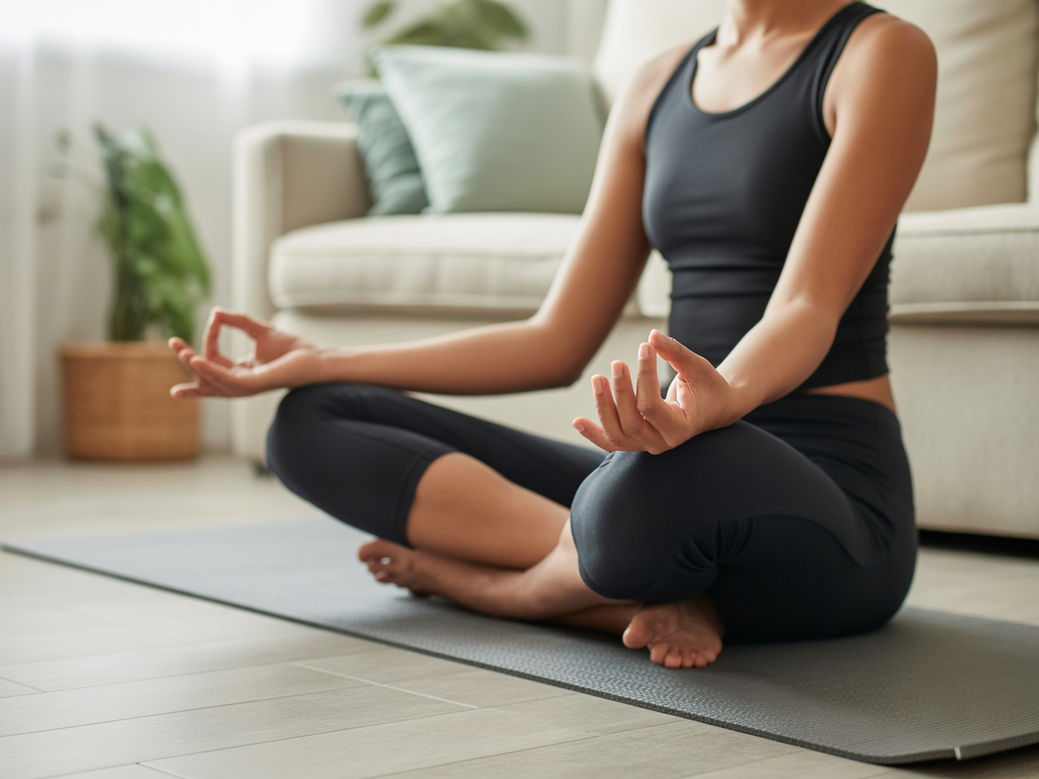
A person finding health benefits with yoga and meditation at sunrise, embodying a calm and centered state.

Why Are Yoga and Meditation Essential in 2026?

In today’s landscape, the importance of mental and physical resilience has never been more pronounced. According to a 2026 report from the Global Wellness Institute, interest in proactive mental wellness strategies has surged by over 60% since the beginning of the decade. At the forefront of this global movement are yoga and meditation, offering accessible, evidence-based methods for effective stress management and a significant enhancement in the quality of life. The practice of mindfulness, a core component of yoga and meditation, is key to this shift.

“Regular meditation practice can rewire neural pathways in the brain, a phenomenon known as neuroplasticity, leading to lasting improvements in emotional regulation and focus.” – Center for Mindfulness, University of Massachusetts Medical School

The benefits are not merely subjective feelings; they are quantifiable, measurable, and substantiated by a wealth of scientific research. A landmark study published in the National Center for Biotechnology Information demonstrated that consistent practice can lead to a significant reduction in symptoms associated with anxiety, depression, and chronic pain. This makes the combined practice of yoga and meditation a cornerstone of modern holistic health.

The Science Behind How Yoga and Meditation Work

At its core, the powerful synergy between yoga and meditation functions by calming the body’s acute stress response. This practice activates the parasympathetic nervous system, often referred to as the “rest and digest” system, which effectively counteracts the “fight or flight” response triggered by our daily stressors. This activation initiates a cascade of positive physiological changes, promoting physical and mental well-being.

Scientific studies reveal that yoga and meditation can elevate levels of Gamma-aminobutyric acid (GABA), a neurotransmitter that helps reduce neuronal excitability. According to research from Boston University School of Medicine, a single yoga session can increase GABA levels by 27%. This neurological shift is directly linked to reduced anxiety and an improved mood, showcasing the profound impact of these ancient practices on our brain chemistry.

Key Benefits of Consistent Practice:

  • Reduced Stress and Anxiety: Actively lowers cortisol levels, the body’s primary stress hormone, fostering a state of calm.
  • Improved Sleep Quality: Helps regulate the sleep-wake cycle, leading to more restorative and deeper rest.
  • Increased Flexibility and Strength: Yoga asanas build lean muscle tone, enhance physical fitness, and improve the body’s range of motion.
  • Lower Blood Pressure: Promotes profound relaxation, which is a key factor in reducing hypertension and improving cardiovascular health.
  • Enhanced Cognitive Function: Boosts focus, memory, and mental clarity. This is often one of the first benefits users notice.
  • Boosted Immune System: Regular practice can reduce inflammation and support a healthier immune response, as noted by studies on mindfulness and health.

How to Start Your Yoga and Meditation Practice Today

Getting started on your journey with yoga and meditation is far simpler than you might imagine. You don’t need to be exceptionally flexible or possess a perfectly quiet mind from the outset. The journey begins with a single, intentional step and the willingness to show up for yourself. The Vitalizen App | Yoga + Meditation is expertly designed to guide you every step of the way, from your very first breath to your thousandth.

A Simple 3-Step Guide to Begin:

  1. Create Your Sacred Space: Find a comfortable, quiet spot where you won’t be disturbed for 10-15 minutes. It doesn’t need to be elaborate; a corner of your room with a mat or a soft towel is perfectly sufficient.
  2. Choose Your Guidance: Begin with a beginner-friendly guided session. The Vitalizen app offers short, 5-minute meditations and gentle yoga flows that are perfect for new users. This removes the guesswork and helps you build a consistent, rewarding habit.
  3. Practice with Consistency, Not Intensity: The ultimate goal is to create a sustainable routine. A daily 10-minute practice of yoga and meditation is exponentially more beneficial than a strenuous 2-hour session once a month. Be patient and compassionate with yourself as you progress.

💡 Tip: Ready to feel the immediate benefits? Try a 5-minute guided breathing exercise on the Vitalizen app right now to calm your nervous system.

Integrating Yoga and Meditation into a Busy Schedule

One of the biggest myths about yoga and meditation is that you need hours of free time. The truth is, even a few minutes a day can make a significant difference. The key is integration, not addition. Find small pockets of time in your existing routine to practice mindfulness and movement. This approach to holistic health is about making wellness work for you.

  • For the Office Worker: Try a 5-minute chair yoga sequence to release neck and shoulder tension. Practice mindful breathing before a big meeting to center your thoughts.
  • For the Busy Parent: Wake up 10 minutes before your children to do a quick meditation session. Involve your kids in a fun, simple yoga flow in the afternoon.
  • For the Student: Use a 10-minute Vinyasa flow as a study break to boost blood flow and cognitive function. Practice a calming meditation before exams to reduce anxiety.

These small, consistent efforts in yoga and meditation compound over time, leading to profound improvements in your mental and physical well-being without requiring a major lifestyle overhaul.

Comparing Common Yoga Styles for Your Goals

Choosing the right style of yoga can dramatically enhance your experience and help you meet your wellness goals. While there are dozens of variations, most modern practices stem from a few key types. Here’s an expanded breakdown to help you decide which might be the best fit for your journey with yoga and meditation.

Yoga Style Primary Focus Pace Ideal For
Hatha Basic postures, alignment, breathing techniques Slow Beginners, stress reduction, foundational practice
Vinyasa Flowing between poses, breath-sync movement Moderate to Fast Cardio, building internal heat, dynamic meditation
Yin Holding passive poses for long durations (3-5 mins) Very Slow Deep flexibility, connective tissue release, meditative practice
Ashtanga Specific, rigorous sequence of poses Fast and challenging Experienced practitioners, building strength and discipline
Restorative Deep relaxation using props like bolsters and blankets Extremely Slow Stress recovery, healing, gentle stretching

Overcoming Common Challenges in Your Practice

As you embark on your yoga and meditation journey, you may encounter a few common obstacles. Recognizing them is the first step to overcoming them. Remember that every practitioner, from novice to expert, faces these challenges.

  • The Wandering Mind: It’s natural for your mind to wander during meditation. The goal isn’t to have an empty mind, but to gently guide your focus back to your breath or point of attention each time it strays. This is the essence of mindfulness training.
  • Inconsistency: Life gets in the way. If you miss a day, don’t get discouraged. Simply return to your practice the next day. A flexible routine is more sustainable than a rigid one.
  • Physical Discomfort: In yoga, listen to your body. Never push into pain. Use modifications or props to support your practice. The journey of yoga and meditation is about honoring your body, not forcing it.

For more guidance on overcoming these hurdles, consider exploring resources from authoritative institutions like the National Institute of Mental Health (.gov), which provides insights into mental wellness strategies.

What is Vitalizen.app?

Vitalizen.app is more than just an application; it’s your personal wellness companion in the world of yoga and meditation. We offer a holistic approach to well-being, combining the timeless power of these practices with cutting-edge technology to help you achieve your health and wellness goals. Our app provides personalized recommendations, tracks your progress, and connects you with a supportive community. It is designed to be simple and intuitive, so you can focus on what truly matters: your practice and your journey to a healthier life.

Frequently Asked Questions

What are the main benefits of yoga and meditation?

The primary benefits of yoga and meditation include reduced stress and anxiety, improved sleep quality, increased flexibility and physical strength, lower blood pressure, and enhanced cognitive functions like focus and memory. These advantages are supported by extensive scientific research and user-reported outcomes for a healthier life.

How much does it cost to start practicing?

The cost can be zero. You can start practicing yoga and meditation at home using free resources. Apps like the Vitalizen App | Yoga + Meditation offer free introductory sessions. While you can invest in mats, props, or studio classes, they are not required to begin and experience the benefits.

How long does it take to see results?

Many people report feeling calmer and more focused after their very first session of yoga and meditation. Tangible physical and mental health benefits, such as improved sleep and reduced anxiety, are often noticed within 2-4 weeks of consistent practice (3-5 times per week).

Do I need any special equipment?

No, special equipment is not mandatory for yoga and meditation. A comfortable space is all you need. A yoga mat can provide cushioning and grip, but a towel or carpeted floor works fine for beginners. The most important tool is your willingness to practice.

Start Your Wellness Journey Today

Now that you have a comprehensive understanding of the profound benefits of yoga and meditation, the next step is to experience them for yourself. Your journey to a healthier, more balanced, and vibrant life is just a single breath away. Take the first step towards transformation and prioritize your well-being.

🎯 Ready to start? Download the Vitalizen App | Yoga + Meditation today to begin your personalized wellness journey!

For more tips, in-depth articles, and guidance on your path, visit our blog. If you have any questions or need support, feel free to contact us. We are here to help you succeed.

Last update: Jan 11 2026

]]>
Yoga and Meditation for Stress: A Guide to Rewire Your Brain https://blog.vitalizen.app/2025/12/yoga-meditation-stress-relief/ Tue, 09 Dec 2025 07:04:47 +0000 https://blog.vitalizen.app/2025/12/yoga-meditation-stress-relief/

In our hyper-connected 2025 world, stress has become a default state for many. But what if you could fundamentally change your response to it? The answer lies not in a futuristic pill, but in ancient practices with profound modern relevance: yoga and meditation. These disciplines are more than just physical exercise or sitting in silence; they are powerful, science-backed tools for rewiring your brain’s response to pressure. This guide explores the mechanisms behind yoga and meditation for stress relief and provides actionable steps to reclaim your calm.

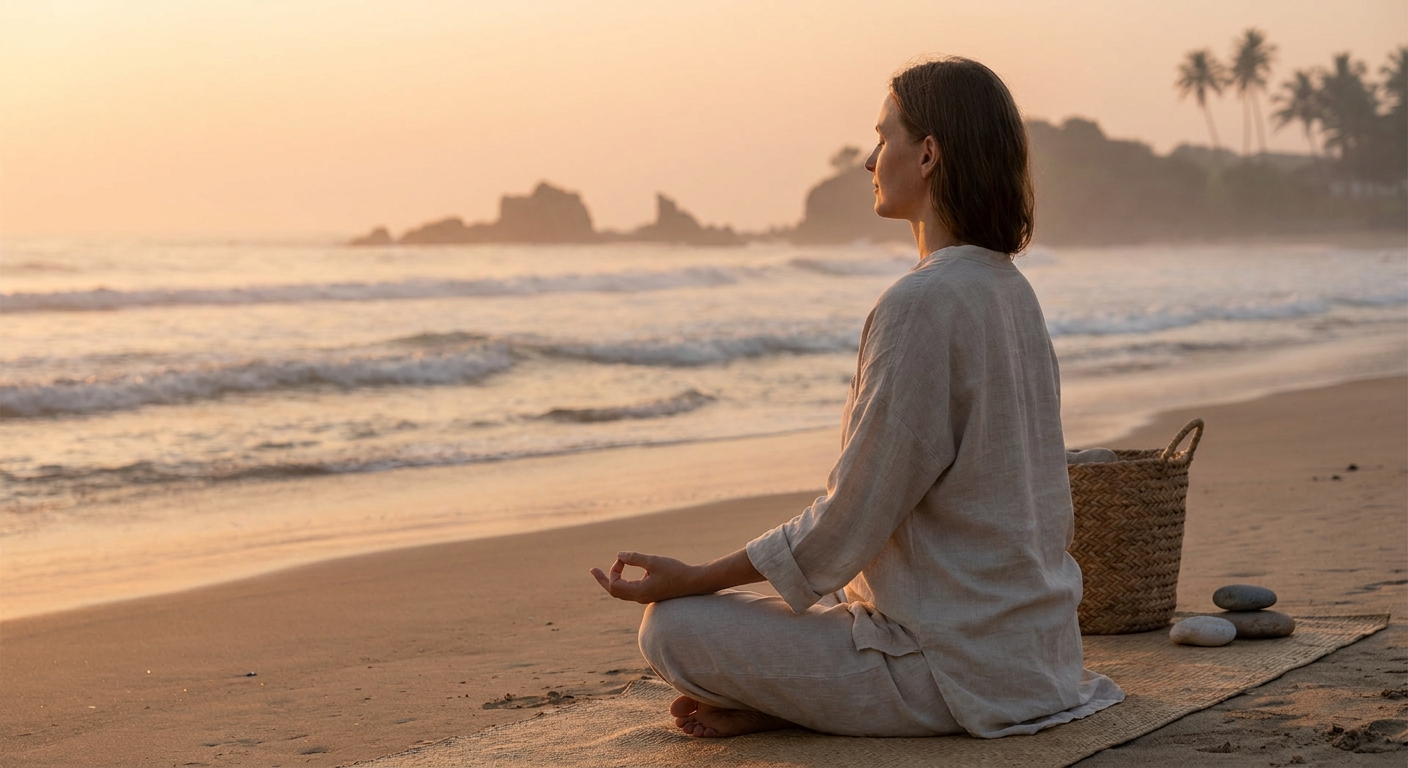
A serene person practicing meditation and yoga for stress relief, representing the peace found through Vitalizen App.

The Science of Calm: How Yoga and Meditation Counteract Stress

To defeat an enemy, you must understand it. Stress triggers the body’s ‘fight or flight’ response via the hypothalamic-pituitary-adrenal (HPA) axis. This floods your system with cortisol and adrenaline. While crucial for survival, chronic activation leads to burnout, anxiety, and a host of health issues. Yoga and meditation act as a direct counterbalance, deactivating this alarm system and engaging the parasympathetic nervous system—the ‘rest and digest’ state.

1. Taming the Stress Hormone: Cortisol Reduction

Consistent practice of yoga and meditation has been shown to significantly lower cortisol levels. A 2022 study from Harvard University highlighted that participants in a regular yoga program showed a marked decrease in salivary cortisol. By calming the HPA axis, your body learns to stop overreacting to minor stressors.

2. Boosting ‘Feel-Good’ Neurotransmitters

These practices also enhance the production of beneficial brain chemicals. Meditation boosts GABA (gamma-aminobutyric acid), a neurotransmitter that produces a calming effect and helps reduce anxiety. Meanwhile, the physical movement of yoga can increase levels of serotonin and dopamine, improving mood and motivation.

The Core Pillars of Yoga and Meditation for Stress Relief

The power of these disciplines comes from their integrated approach, addressing stress on physical, mental, and emotional levels. Understanding these pillars is key to unlocking their full potential.

Physical Release Through Asanas (Yoga Postures)

Physical tension is a direct manifestation of stress. Yoga’s postures are specifically designed to target and release this stored tension from muscles.

  • Child’s Pose (Balasana): Gently stretches the hips, thighs, and ankles while relieving back and neck pain. It’s a go-to pose for immediate calm.
  • Cat-Cow Stretch (Marjaryasana-Bitilasana): This dynamic movement connects breath to motion, increasing spinal flexibility and releasing tension in the upper back and neck.
  • Legs-Up-The-Wall Pose (Viparita Karani): An incredibly restorative pose that calms the nervous system, drains fluid from the legs, and reduces fatigue.

Nervous System Regulation via Pranayama (Breathwork)

Your breath is the remote control for your nervous system. Shallow, rapid breathing signals stress; slow, deep breathing signals safety. Pranayama teaches you to use this tool consciously. A simple yet powerful technique is Box Breathing:

  1. Inhale slowly for a count of four.
  2. Hold your breath for a count of four.
  3. Exhale slowly for a count of four.
  4. Hold the breath out for a count of four.

This practice directly stimulates the vagus nerve, lowering heart rate and blood pressure almost instantly.

Mental Clarity Through Mindful Awareness

Meditation isn’t about stopping your thoughts—it’s about changing your relationship with them. By practicing mindfulness, you learn to observe your thoughts and feelings without judgment. This creates mental space, preventing you from being swept away by anxious or stressful thought loops. You become the calm observer rather than the victim of your own mind.

💡 Ready to Feel the Calm?
Don’t just read about it—experience it. The Vitalizen App offers guided sessions in both yoga and meditation, designed to bring you immediate relief. Start your free journey today!

Why Is This Crucial for Mental Wellness in 2025?

The demands of modern life are not slowing down. Digital overload, economic pressures, and global uncertainty have made effective stress management a non-negotiable skill for a healthy life. The data confirms this urgent need.

According to a 2025 report from the American Psychological Association, 77% of adults report that stress impacts their physical health. The same report noted a 45% increase in the adoption of mindfulness apps since 2023, indicating a significant cultural shift toward self-managed mental wellness. Practices like yoga and meditation build the resilience needed to navigate these challenges without becoming overwhelmed.

The Wide-Ranging Benefits of a Consistent Practice

While stress reduction is often the entry point, the positive impacts of yoga and meditation ripple through every aspect of your life. A consistent practice cultivates holistic well-being.

  • Deeper, More Restorative Sleep: By calming the nervous system, you prepare your body for higher quality sleep.
  • Enhanced Focus and Concentration: Meditation is like a workout for your attention span, helping you filter out distractions.
  • Greater Emotional Regulation: Gain control over your reactions by learning to observe your emotions without immediate attachment.
  • Improved Cardiovascular Health: Numerous studies, including research from the National Center for Complementary and Integrative Health, confirm the link between regular practice and reduced hypertension.
  • Increased Self-Awareness: Develop a profound understanding of your own thought patterns, habits, and triggers.
  • Boosted Immune System: By reducing chronic stress, you allow your immune system to function more effectively.

How to Start Your Yoga and Meditation Journey Today

Starting is simpler than you think. It’s not about achieving perfect poses or a completely empty mind. It’s about taking small, repeatable steps toward a more centered you. Here is a simple plan to get started:

  1. Set a Realistic Goal: Commit to just 5-10 minutes each day. Consistency is far more impactful than duration when you’re beginning.
  2. Find a Quiet, Dedicated Space: Designate a small corner of your home that is free from interruptions to serve as your sanctuary.
  3. Use Guided Sessions: Apps like Vitalizen remove the guesswork with step-by-step audio and video guidance tailored for beginners.
  4. Focus on Your Breath: Whenever you feel lost or distracted, gently bring your attention back to the sensation of your breath. It is your anchor to the present moment.
  5. Practice Non-Judgment: Your mind will wander—this is normal and expected. The practice is not about forcing silence but about gently guiding your focus back, again and again, with kindness.

What is the Cost of Implementing Yoga and Meditation?

The financial barrier to entry is incredibly low, making these practices accessible to nearly everyone. Here’s a breakdown of common options and their potential return on well-being:

Method Initial Cost Ongoing Cost Average ROI on Well-being
At-Home Practice (Free Resources) $0 $0 High
Wellness Apps (like Vitalizen) $0 (for free trials) $10-$20/month Very High
Local Yoga Studio $20-$30/class $100-$200/month High (with community benefits)
Wellness Retreats $500-$5000+ Variable Excellent (for deep immersion)

*Last updated: Dec 09 2025. ROI on Well-being is an estimated measure of impact on stress reduction and overall quality of life.

Frequently Asked Questions (FAQ)

🎯 Take the First Step on Your Wellness Journey.

You have the power to transform your relationship with stress and build a more peaceful, resilient mind. Download the Vitalizen App today and discover the profound benefits of yoga and meditation for yourself.

]]>
Yoga and Meditation: A Healthier Life in 2025 https://blog.vitalizen.app/2025/12/yoga-and-meditation-healthier-life-3/ Sat, 06 Dec 2025 03:04:07 +0000 https://blog.vitalizen.app/2025/12/yoga-and-meditation-healthier-life-3/

Yoga and Meditation: Your Path to a Healthier Life in 2025

In the relentless pace of modern life, finding true peace can feel like a distant dream. We are constantly juggling deadlines, digital notifications, and daily pressures, leaving our minds cluttered and our bodies tense. This chronic stress is more than just a feeling; it’s a critical factor affecting our long-term health. But what if you could access a powerful, time-tested solution to restore balance? This is the promise of yoga and meditation, ancient practices designed to harmonize the mind and body, offering a clear path to a healthier and more centered existence. Are you ready to begin this transformative journey?

The Science of Stress vs. The Art of Calm

To appreciate the benefits of yoga and meditation, it’s helpful to understand how stress impacts your body. When you perceive a threat, your sympathetic nervous system triggers the “fight-or-flight” response, flooding your body with stress hormones like cortisol and adrenaline. While useful in short bursts, chronic activation of this system leads to inflammation, anxiety, and a weakened immune system.

Yoga and meditation act as a powerful antidote. These practices activate the parasympathetic nervous system, also known as the “rest-and-digest” system. This shift lowers your heart rate, reduces blood pressure, and signals to your body that it is safe to relax and repair. By consciously engaging in these practices, you are training your nervous system to be more resilient to daily stressors.

What Is Yoga? A Union of Mind, Body, and Breath

Originating in ancient India, yoga is a holistic discipline that extends far beyond physical exercise. The word “yoga” itself means “to yoke” or “unite,” reflecting its core purpose: to create a harmonious connection between the mind, body, and spirit. This is achieved through a combination of three main pillars:

  • Asanas: These are the physical postures and poses designed to build strength, improve flexibility, and release tension stored in the body.
  • Pranayama: These are specific breathing techniques used to control the flow of life force energy (prana), calm the nervous system, and enhance mental clarity.
  • Dhyana: This is the practice of meditation, which stills the fluctuations of the mind and cultivates deep awareness.

Through consistent practice, yoga helps you develop profound body awareness, improve posture, and build a strong, resilient physical foundation for overall well-being.

A neatly arranged yoga and meditation space with mats, blocks, and cushions.

Exploring Popular Yoga Styles: Which Is Right for You?

Choosing a style of yoga depends on your current fitness level, personal goals, and what you hope to achieve from your practice. Here is a breakdown of some of the most popular types to help you find your perfect match.

Hatha Yoga: The Gentle Foundation

Focus: Slow, gentle, and foundational postures. Hatha classes are excellent for learning the basic alignment of common poses and practicing breath control in a relaxed environment.
Best For: Beginners or anyone seeking a calming, less strenuous practice.

Vinyasa Yoga: The Dynamic Flow

Focus: Fluid, dynamic sequences that link breath to movement. Vinyasa classes are often faster-paced and offer a great cardiovascular workout alongside strength and flexibility training.
Best For: Those who enjoy a more active, dance-like practice and want to build heat.

Ashtanga Yoga: The Disciplined Series

Focus: A rigorous and structured series of postures performed in the same order every time. Ashtanga is physically demanding and requires discipline and dedication.
Best For: Experienced practitioners or determined beginners looking for a challenging, structured routine.

Yin Yoga: The Deep Release

Focus: Slow, passive stretches held for long periods (typically 3-5 minutes). Yin yoga targets the deep connective tissues, like ligaments and fascia, to improve flexibility and promote deep relaxation.
Best For: Improving flexibility, releasing deep-seated tension, and cultivating mindfulness.

Restorative Yoga: The Ultimate Relaxation

Focus: Using props like bolsters, blankets, and blocks to completely support the body in gentle, restful poses. The goal is to achieve deep relaxation with minimal effort.
Best For: Stress reduction, recovery from illness or injury, and calming the nervous system.

What Is Meditation? Training the Mind for Peace

Meditation is a mental practice focused on training attention and awareness to achieve a state of mental clarity and emotional calm. By focusing your mind on a single point of reference—such as your breath, a mantra, or bodily sensations—you learn to observe your thoughts without judgment. This practice helps you detach from the constant chatter of the mind, reducing stress and cultivating a profound sense of inner peace and self-awareness. It is the art of being present in the moment.

The Powerful Synergy of Yoga and Meditation

While incredibly beneficial on their own, yoga and meditation create a powerful synergistic effect when practiced together. Yoga prepares the body for meditation by releasing physical tension, quieting the nervous system, and training the mind to focus. After a yoga session, your body is relaxed and your mind is clear, making it significantly easier to sit comfortably and enter a meditative state. This combination amplifies the benefits of both practices, leading to profound and lasting improvements in your overall well-being and fostering a resilient mind-body connection.

Clinically-Proven Benefits of a Consistent Practice

Integrating yoga and meditation into your daily routine can lead to significant, science-backed improvements in your health. Have you ever wondered how they can specifically impact your life?

Key Physical Health Benefits:

  • Increased Strength and Flexibility: A regular yoga practice tones muscles, strengthens your core, and improves your range of motion.
  • Improved Posture and Balance: By enhancing body awareness, yoga helps correct postural imbalances, reducing chronic pain.
  • Boosted Energy and Vitality: Controlled breathing and movement increase circulation and oxygenation, leading to reduced fatigue.
  • Promotes Deeper Sleep: Calming the nervous system before bed can lead to more restful and restorative sleep.

Key Mental and Emotional Benefits:

  • Reduced Stress and Anxiety: As confirmed by research from institutions like the American Psychological Association, mindfulness practices measurably decrease cortisol levels.
  • Enhanced Emotional Intelligence: Meditation cultivates self-awareness, helping you understand and manage your emotions more effectively.
  • Improved Cognitive Function: Studies show that regular practice can improve concentration, memory, and decision-making skills.
  • Cultivates Inner Peace: The ultimate goal is a lasting sense of calm and contentment that permeates your daily life.

How to Start Your Daily Practice: A Simple Guide

Starting your journey with yoga and meditation doesn’t need to be complicated or intimidating. You can begin today from the comfort of your own home. Here is a simple, step-by-step guide to get you started on the right foot:

  1. Set a Realistic Goal: Don’t aim for a 90-minute session on day one. Start with just 10-15 minutes each day. Consistency is far more important than duration when building a new habit.
  2. Create a Dedicated Space: Designate a quiet, comfortable corner in your home for your practice. Keep your mat and any props there so it’s always ready for you. This signals to your brain that it’s time to relax.
  3. Begin with Basic Poses: Focus on simple, foundational yoga poses like Cat-Cow, Downward-Facing Dog, and Child’s Pose to gently awaken your body.
  4. Follow a Guided Meditation: In the beginning, it’s much easier to follow a guide. Use an app like Vitalizen to walk you through your first meditation sessions. The simple instruction to “focus on your breath” is the perfect starting point.
  5. Listen to Your Body: This is the most important rule. Never push yourself into pain. The goal is to feel good and reduce stress, not add to it. Modify poses as needed and rest when you feel tired.

> 💡 Tip: The best time to practice is whenever you can be consistent. Many prefer the morning to start their day with clarity, while others use an evening practice to unwind. Experiment to find what fits your schedule best!

Integrating Mindfulness into Everyday Life

The benefits of your practice don’t have to end when you roll up your mat. You can carry the principles of mindfulness with you throughout the day. This is the key to making yoga and meditation a true lifestyle.

  • Mindful Eating: Pay full attention to the food you eat. Notice the colors, textures, and flavors. Eat slowly and without distractions like your phone or TV.
  • Mindful Walking: On your next walk, focus on the sensation of your feet hitting the ground. Notice the rhythm of your breath and the sights and sounds around you.
  • Single-Tasking: In a world that glorifies multitasking, try doing one thing at a time. When you are writing an email, just write the email. When you are listening to someone, give them your full attention.

Ready to experience these profound benefits for yourself? Start your wellness journey now with the Vitalizen App. For more tips on yoga and meditation, be sure to check out our articles and guidance.

For a deeper dive into the science, you can read this comprehensive study from the National Center for Complementary and Integrative Health.

Frequently Asked Questions About Yoga and Meditation

What is the Vitalizen App?

The Vitalizen App is your personal, all-in-one guide to yoga and meditation. We offer a wide range of guided classes, from beginner to advanced, designed by certified instructors to help you cultivate a consistent practice and achieve your specific wellness goals. Our app tracks your progress and provides personalized recommendations.

Do I need any experience to start with yoga and meditation?

Not at all! The Vitalizen App is designed for everyone, regardless of their experience level or flexibility. We have a dedicated “Beginner’s Path” with introductory classes that will guide you through the basics of yoga and meditation in a clear, supportive, and accessible way.

How much time do I need to practice daily?

Even a few minutes of practice each day can make a significant difference. The Vitalizen App offers classes ranging from 5-minute meditations to 60-minute full yoga flows, so you can easily fit your practice into a busy schedule. Remember, consistency is more important than duration.

How much does it cost to practice yoga and meditation?

The cost can range from free to several hundred dollars a month. You can start for free with online resources or by using the free version of apps like Vitalizen. Studio memberships typically cost between $100-$200 per month. Our app offers a cost-effective alternative with premium plans starting at a low monthly fee.

🎯 Start Your Journey to a Healthier You Today!

Now that you understand the incredible, science-backed benefits of yoga and meditation, it’s time to take the first step toward a more balanced, peaceful, and healthier you. Don’t wait for the perfect moment; create it now.

Download the Vitalizen App | Yoga + Meditation today and unlock a world of peace, health, and happiness. If you have any questions, feel free to contact our team.

]]>
Yoga and Meditation: Your Path to Wellness in 2025 https://blog.vitalizen.app/2025/11/yoga-and-meditation-wellness-path/ Sat, 22 Nov 2025 03:04:35 +0000 https://blog.vitalizen.app/2025/11/yoga-and-meditation-wellness-path/

Yoga and Meditation: Your Path to Ultimate Wellness in 2025


In a world that never stops, are you struggling to find your center? The constant demands of modern life can leave you feeling drained and disconnected. But what if the key to unlocking profound tranquility and boosting your overall well-being was already in your hands? This is the power of combining yoga and meditation, and the Vitalizen App is your personal guide to this transformative journey in 2025.

A serene person practicing yoga and meditation, symbolizing the wellness path offered by the Vitalizen App.

What Exactly is Yoga? A Holistic Approach

Originating in India over 5,000 years ago, yoga is far more than just physical exercise. It’s a holistic discipline designed to harmonize the mind, body, and spirit. The practice integrates physical postures (asanas), controlled breathing exercises (pranayama), and deep relaxation or meditation. The ultimate goal of yoga is to cultivate a state of inner peace, self-awareness, and holistic wellness.

Modern yoga has diversified into numerous styles, each offering a unique path to the same goal. Some popular forms include:

  • Hatha Yoga: A gentle, slower-paced practice perfect for beginners, focusing on basic postures and breathing.
  • Vinyasa Yoga: A more dynamic style where movement is synchronized with breath, creating a fluid, dance-like sequence.
  • Ashtanga Yoga: A physically demanding practice involving a specific sequence of postures, ideal for building strength and discipline.
  • Restorative Yoga: A passive, restful practice that uses props like bolsters and blankets to support the body in gentle poses for longer periods, promoting deep relaxation.

Regardless of the style, the core of yoga and meditation remains the same: uniting breath with movement to foster mindfulness and physical vitality.

What is the Power of Meditation?

Meditation is a mental workout designed to train your mind for focus, clarity, and emotional calm. It involves techniques that foster a state of deep awareness and reduce the endless stream of mental chatter. By practicing meditation, you can effectively lower stress, enhance concentration, and cultivate a more positive and balanced emotional landscape.

The Vitalizen App provides a rich library of guided sessions suitable for everyone. Popular techniques you can explore include:

  • Mindfulness Meditation: Focuses on paying attention to your breath and bodily sensations, observing your thoughts without judgment.
  • Guided Visualization: Involves creating detailed mental images to promote relaxation and achieve specific goals, like reducing anxiety.
  • Transcendental Meditation: A mantra-based technique to help the mind settle into a state of deep, restful alertness.

The Synergy: How Yoga and Meditation Amplify Each Other

The practices of yoga and meditation are two sides of the same coin; they are deeply interconnected and mutually beneficial. Yoga physically prepares the body for the stillness of meditation. By releasing muscle tension and calming the nervous system through asanas and pranayama, you can sit more comfortably and with greater focus during your meditation sessions.

Conversely, meditation sharpens the mental focus and deepens the mind-body connection essential for a meaningful yoga practice. This powerful synergy creates a comprehensive wellness routine that simultaneously nurtures your physical and mental health. When practiced together, the benefits of yoga and meditation are exponentially greater than when practiced alone, leading to a profound sense of well-being.

The Science-Backed Benefits of Yoga and Meditation

The transformative effects of a consistent yoga and meditation practice are well-documented by scientific research. These ancient practices can revolutionize your health from the inside out.

Key Physical Benefits

  1. Improved Flexibility and Strength: Yoga postures are designed to stretch and strengthen every major muscle group, enhancing your range of motion.
  2. Better Posture and Core Stability: By strengthening your core and increasing body awareness, yoga helps you stand taller and move with greater balance and confidence.
  3. Enhanced Cardiovascular Health: Regular yoga practice is shown to lower blood pressure and reduce risk factors for heart disease, as noted by research from institutions like Johns Hopkins Medicine.
  4. Reduced Chronic Pain: Yoga is proven effective in alleviating chronic conditions, especially lower back pain, arthritis, and headaches.
  5. Boosted Immune System: The stress-reducing effects of yoga and meditation can lead to a stronger immune response, helping you stay healthier year-round.

Key Mental and Emotional Benefits

  • Significant Stress and Anxiety Reduction: Both practices are powerful tools for lowering cortisol, the body’s primary stress hormone, promoting a state of calm.
  • Improved Concentration and Mental Clarity: Meditation trains your brain to resist distractions, leading to enhanced focus and cognitive function in your daily life.
  • Enhanced Emotional Regulation: Mindfulness helps you observe your emotions without being controlled by them, fostering greater emotional stability and resilience.
  • Better Sleep Quality: By calming the nervous system, yoga and meditation can dramatically improve your ability to fall asleep and enjoy deeper, more restorative rest.

“A landmark 2022 study in JAMA Psychiatry found that a mindfulness-based stress reduction program was as effective as a standard antidepressant in treating anxiety disorders. This further solidifies the role of meditation in modern mental healthcare.”

How Much Does It Cost to Start with Yoga and Meditation?

One of the greatest advantages of starting a yoga and meditation practice is its accessibility. You can begin with little to no financial investment, as many high-quality free resources are available online and in apps.

As your practice deepens, you might consider investing in a quality yoga mat, comfortable attire, or a subscription to a premium app like Vitalizen for structured programs and expert guidance. However, these are entirely optional. The most crucial investment will always be your time and commitment to your own well-being.

Cost Comparison of Different Practice Options (2025 Estimates)
Option Initial Cost Monthly Cost Pros
At-Home Practice (Free Resources) $0 $0 Completely free, ultimate flexibility
Premium App (e.g., Vitalizen) $0 (with free trial) $10 – $20 Personalized programs, expert guidance, progress tracking
Local Yoga Studio $20 – $30 (drop-in class) $100 – $200 In-person correction, strong community feel

How to Start Your Journey with the Vitalizen App

Ready to embrace a more balanced life? We designed the Vitalizen App to make starting your yoga and meditation practice simple, intuitive, and highly effective.

> 🎯 **Ready to start?** The Vitalizen App integrates seamlessly into your modern lifestyle. Here’s our simple step-by-step guide to beginning your journey.

Your First Steps to Wellness

  1. Download the App for Free: Head to the App Store or Google Play to get the Vitalizen App.
  2. Personalize Your Goals: During our quick onboarding, tell us what you want to achieve—be it stress reduction, better sleep, or improved flexibility.
  3. Discover Your Program: Our smart algorithm will recommend tailored yoga and meditation programs led by world-class instructors.
  4. Begin Your First Session: Find a quiet corner, press play, and let our guides lead you. All you need is your phone and a few minutes to yourself.

This simple practice of yoga and meditation is a powerful step towards a more centered and fulfilling life. For more tips, explore our blog.

Frequently Asked Questions (FAQ)

How much time do I really need to practice daily?

Even 5-10 minutes of daily practice can yield significant benefits. The Vitalizen App offers sessions from 5 to 60 minutes to fit any schedule. Remember, consistency is far more important than duration when building a habit of yoga and meditation.

Do I need special equipment to start yoga and meditation?

No, you don’t need anything special. A comfortable space is all that’s required to begin. While a yoga mat is helpful for grip and cushioning, it is not essential for most beginner exercises and meditation sessions on our app.

Is the Vitalizen App suitable for absolute beginners?

Absolutely! The Vitalizen App is designed for all experience levels. We provide clear, step-by-step instructions to ensure everyone can start their yoga and meditation journey with confidence and support.

Why is yoga important for my overall health?

Yoga is crucial for holistic health. It enhances physical strength, flexibility, and heart health while simultaneously promoting mental clarity and stress reduction. According to the National Institutes of Health (NIH), over 90% of people who practice yoga report a significant decrease in stress levels, making it a vital tool for modern wellness.

When is the best time of day to practice?

The best time to practice yoga and meditation is whenever you can do it consistently. Many prefer the morning to energize their day, while others use an evening practice to de-stress and prepare for restful sleep. The key is finding a sustainable time that works for you.

Join the Wellness Conversation

What are your biggest hurdles when it comes to self-care? Have you experienced the benefits of yoga and meditation? Share your story in the comments below!

> 💡 **Tip:** Ready to take the next step? Download the Vitalizen App today and start your free trial. If you have any questions, please don’t hesitate to contact us.

]]>
Yoga and Meditation: Your Guide to Health in 2025 https://blog.vitalizen.app/2025/11/yoga-and-meditation-health-guide-2/ Thu, 20 Nov 2025 11:04:17 +0000 https://blog.vitalizen.app/2025/11/yoga-and-meditation-health-guide-2/

Yoga and Meditation: Your Ultimate Guide to Health and Well-being in 2025


In the hyper-connected, fast-paced world of 2025, achieving genuine peace and robust health can feel like an elusive goal. The constant demands of modern life often leave us feeling stressed, drained, and disconnected. However, the ancient practices of yoga and meditation offer a powerful, time-tested antidote. They provide a holistic framework for enhancing both physical vitality and mental clarity, addressing the core challenges of our time.

Yoga is a comprehensive discipline that masterfully combines physical postures (asanas), controlled breathing exercises (pranayama), and mindfulness to cultivate holistic health. Meditation, a key component of yoga that can also be practiced on its own, is the art of focusing the mind to attain profound mental clarity and emotional equilibrium. When practiced together, yoga and meditation form a synergistic powerhouse for navigating life’s complexities with greater resilience and grace. This guide explores how you can integrate these transformative practices into your daily life, with accessible tools like the Vitalizen App | Yoga + Meditation making it easier than ever to begin your journey.

A person in a serene, natural setting practicing yoga and meditation to improve health.

The Powerful Synergy of Yoga and Meditation

Have you ever wondered why yoga and meditation are almost always mentioned in the same breath? While they are distinct practices, their combination creates a synergy that amplifies their benefits for your holistic health. Yoga uses physical postures to prepare the body for the stillness required for deep meditation. It works to release muscular tension, improve circulation, and calm the nervous system, creating the ideal physical state for mental work.

This physical preparation makes it significantly easier for your mind to settle. Meditation then takes over, honing your ability to focus, quiet the relentless mental chatter, and cultivate a state of inner peace. By integrating both, you create a comprehensive wellness routine that nurtures body and mind in equal measure. This dual approach leads to deeper, more sustainable benefits than practicing either one in isolation, fostering a profound sense of well-being that permeates every aspect of your life.

The Science Behind How Yoga and Meditation Rewire Your Brain

The benefits of yoga and meditation are not just subjective feelings of calm; they are backed by robust scientific evidence demonstrating their ability to physically change the brain. This phenomenon, known as neuroplasticity, is the brain’s capacity to reorganize itself by forming new neural connections. Regular practice actively stimulates this process, leading to measurable improvements in brain structure and function.

Key brain regions are particularly affected:

  • The Amygdala: Often called the brain’s “fear center,” the amygdala is responsible for processing stress and emotional responses. Research from institutions like Harvard University has shown that consistent meditation can decrease the grey matter density in the amygdala, making practitioners less reactive to stress.
  • The Prefrontal Cortex: This area is the hub for higher-order functions like awareness, concentration, and decision-making. Studies reveal that mindfulness practice thickens the prefrontal cortex, enhancing focus, emotional regulation, and executive function.
  • The Hippocampus: Crucial for learning and memory, the hippocampus also plays a role in regulating emotions. Yoga and meditation have been shown to increase grey matter in this region, which can help improve memory and combat the effects of chronic stress.

This rewiring process helps explain why practitioners often report not just feeling better, but also thinking more clearly and managing emotions more effectively. It’s a tangible transformation from the inside out.

Unlocking the Physical Benefits of a Consistent Yoga Practice

Yoga is a multifaceted physical discipline that extends far beyond simple stretching. Committing to a regular practice unlocks a vast array of physical benefits that enhance daily life, build functional strength, and promote longevity. It is a powerful form of preventative healthcare, building a resilient body capable of withstanding daily stressors.

Many of these advantages are supported by extensive scientific research. The main physical benefits you can expect from consistent yoga and meditation include:

  • Improved Posture and Balance: By strengthening core and back muscles, yoga corrects postural imbalances caused by sedentary lifestyles, helping you stand taller and move with greater stability.
  • Increased Flexibility and Range of Motion: Yoga systematically stretches muscles and lubricates joints, relieving stiffness and improving overall mobility for greater ease of movement.
  • Enhanced Energy Levels: Dynamic postures and specific breathing techniques (pranayama) boost circulation and oxygenate the blood, leading to a natural and sustained increase in vitality without the crash from stimulants.
  • Better Sleep Quality: A calming evening yoga routine can help regulate your sleep-wake cycle and quiet the mind, leading to deeper, more restorative rest.
  • Reduced Chronic Pain: Studies published on platforms like the National Center for Biotechnology Information (NCBI) show yoga is an effective tool for managing conditions like lower back pain, arthritis, and migraines by reducing inflammation and muscle tension.
  • Boosted Immune Function: By reducing stress hormones and improving circulation, yoga can help strengthen the immune system, making you less susceptible to illness.

Mastering Your Mind: How Meditation Enhances Mental Well-being

If yoga prepares the body, meditation masters the mind. In an age defined by digital distraction and information overload, dedicating even a few minutes each day to mindful practice can have a profound impact on your mental state. Meditation is your personal gym for the mind, a tool for navigating the complexities of your thoughts and emotions with greater skill and ease.

💡 Tip: According to research from the American Psychological Association (2025), 8 out of 10 individuals who practice mindfulness meditation for at least 10 minutes daily report a significant reduction in anxiety symptoms within three weeks.

By training your focus and cultivating a non-judgmental awareness of your thoughts, you can achieve enhanced concentration, greater emotional stability, and a deeper sense of self-awareness. The practice isn’t about stopping your thoughts—a common misconception—but about learning to observe them without getting entangled. This creates mental space, allowing you to respond to situations thoughtfully rather than reacting impulsively.

Common Myths About Yoga and Meditation Debunked

Many people are curious about yoga and meditation but are held back by common misconceptions. Let’s debunk a few of them to clear the path for your journey.

  • Myth 1: “You need to be flexible to do yoga.” This is the most common myth. In reality, flexibility is a *result* of yoga, not a prerequisite. Yoga meets you where you are, and with consistent practice, flexibility will naturally increase.
  • Myth 2: “You have to completely clear your mind to meditate.” The goal of meditation is not to have an empty mind, which is nearly impossible. Instead, it’s about learning to focus your attention and gently bring it back when it wanders. It’s the practice of returning to the present moment that builds mental muscle.
  • Myth 3: “Yoga and meditation are religious practices.” While they have roots in ancient spiritual traditions, today they are practiced worldwide as secular methods for improving physical and mental health. You can engage with them purely as a wellness practice, devoid of any spiritual dogma.
  • Myth 4: “You need a lot of time to see benefits.” This is a major barrier for many. The truth is, consistency trumps duration. A daily 10-minute practice is far more effective than a 90-minute session once a month.

How to Start Your Wellness Journey Today

Starting with yoga and meditation doesn’t have to be intimidating. The key is to begin with small, manageable steps to build momentum and create a sustainable habit. The Vitalizen App is designed to make these practices accessible to everyone, regardless of experience.

Here is a simple, step-by-step guide to get you started:

  1. Set a Clear Intention: Ask yourself what you want to achieve. Is it stress reduction, better flexibility, or improved focus? Your “why” will be your greatest motivator.
  2. Create a Dedicated Space: Find a quiet, comfortable corner in your home where you won’t be disturbed. This signals to your brain that it’s time to practice.
  3. Schedule Your Practice: Consistency is key. Block out 10-15 minutes in your calendar each day. Treat this appointment with yourself as non-negotiable.
  4. Start with Guided Sessions: Use an app like Vitalizen to access beginner-friendly guided meditations and yoga flows. This removes guesswork and ensures proper form.
  5. Focus on Your Breath: Your breath is your anchor. A simple technique is box breathing: inhale (4s) -> hold (4s) -> exhale (6s) -> hold (2s).
  6. Be Patient and Kind to Yourself: Some days will be easier than others. The goal is not perfection, but consistent effort. Don’t get discouraged if your mind wanders or a pose is challenging.
  7. Track Your Progress: Use the Vitalizen App to monitor your sessions and celebrate your milestones. Seeing how far you’ve come is a powerful way to stay motivated.

🎯 Ready to start? Download the Vitalizen App today and take the first step on your transformative journey!

How Much Does It Cost to Implement Yoga and Meditation?

The cost of practicing yoga and meditation can vary widely, making it accessible for nearly any budget. You can start for free with online resources or invest in apps, classes, and equipment for a more structured experience. The best approach depends on your goals, lifestyle, and financial situation.

Option Typical Cost (USD) Key Benefits
Free Resources (YouTube, etc.) $0 No financial commitment, wide variety of styles.
Meditation & Yoga Apps (like Vitalizen) $5 – $15 / month Structured programs, progress tracking, convenience, expert guidance.
Local Yoga Studio (Group Classes) $80 – $200 / month In-person guidance, community connection, dedicated space.
Private Instruction $75 – $150 / hour Personalized feedback, tailored to specific goals and injuries.

Why Yoga and Meditation Are Crucial in 2025

In 2025, these ancient practices are more relevant than ever due to emerging societal and technological trends:

  • The Digital Wellness Boom: As our lives become more intertwined with screens, the demand for digital tools that promote mental health is skyrocketing. A 2025 report from the Global Wellness Institute notes a 40% increase in the use of wellness apps since 2023, with yoga and meditation leading the charge.
  • Corporate Wellness Evolution: Forward-thinking companies are integrating yoga and meditation into their wellness programs to combat burnout and boost productivity. A Harvard Business Review study (2025) found that companies with mindfulness programs saw a 28% reduction in employee stress and a 15% increase in overall job satisfaction.
  • A Shift to Preventative Health: There is a major societal movement towards proactive, preventative healthcare. Esteemed institutions like The National Center for Complementary and Integrative Health (.gov) recognize yoga and meditation as effective, low-cost methods for preventing stress-related chronic diseases.

Frequently Asked Questions About Yoga and Meditation

What is the main difference between yoga and meditation?

The main difference is their focus. Yoga is a holistic discipline using physical postures (asanas) and breathing (pranayama) to unite body and mind. Meditation is a specific practice, often part of yoga, focused exclusively on training the mind for awareness and calm. Think of yoga as preparing the body for the mental work of meditation.

How often should I practice to see benefits?

Consistency is far more important than duration. Practicing for 10-20 minutes every day will yield more significant and lasting benefits than one long session per week. The goal is to make it a sustainable habit. The Vitalizen App offers practices of varying lengths to fit any schedule.

What equipment do I absolutely need to start?

You can start with very little. For meditation, a quiet space is all you need. For yoga, a non-slip yoga mat is highly recommended for safety and comfort. Props like blocks or straps can be helpful as you advance but are not essential for beginners.

Can I really learn yoga and meditation from an app?

Absolutely! An app like the Vitalizen App is designed for all levels, especially beginners. Guided sessions provide clear, step-by-step instructions in a private, non-judgmental environment. This allows you to learn at your own pace, which many find less intimidating than a public class. Get started today and let us guide you.

How long does it take to feel the benefits of yoga and meditation?

While a sense of calm can be felt after a single session, profound changes come from consistency. Most people report noticeable stress reduction and improved sleep within 1-2 weeks. Significant improvements in flexibility, strength, and mental focus typically become apparent after 4-8 weeks of regular practice.

Conclusion: Your Journey to a Better You Starts Here

Incorporating yoga and meditation into your daily routine is one of the most powerful investments you can make in your long-term health and happiness. In a world that constantly pulls you outward, these practices guide you inward, equipping you with the tools to build resilience, manage stress, and connect more deeply with yourself. With the right guidance and a commitment to consistency, you can unlock your full potential.

The Vitalizen App is here to support you every step of the way on this transformative journey. For more tips and articles, visit our blog. If you have any questions, don’t hesitate to contact us.

]]>
Yoga and Meditation: Transform Your Wellness in 2025 https://blog.vitalizen.app/2025/11/yoga-and-meditation-wellness-2025/ Sun, 16 Nov 2025 23:03:57 +0000 https://blog.vitalizen.app/2025/11/yoga-and-meditation-wellness-2025/

How Can Yoga and Meditation Transform Your Wellness in 2025?

Person practicing yoga and meditation at sunrise, symbolizing wellness transformation.

Yoga and meditation are powerful, interconnected practices that serve as a direct path to improving mental and physical wellness. This combination involves using physical postures (asanas) and breathing techniques (pranayama) to prepare the body for deep mental focus and clarity. In the hustle of modern life, finding balance is essential, not a luxury. Consequently, these ancient disciplines have become vital tools for anyone seeking a healthier, more centered existence. This guide explores how you can begin your journey and how the Vitalizen App can support you every step of the way.

The Ancient Roots of Yoga and Meditation

To fully appreciate the benefits of yoga and meditation, it helps to understand their origins. These practices date back over 5,000 years to ancient India. Originally, yoga was not just about physical postures; it was a comprehensive philosophy for life, designed to unite the mind, body, and spirit. The sage Patanjali, in his Yoga Sutras, codified the practice into an eight-limbed path, which includes ethical principles, physical postures, breathing control, and, ultimately, meditation and enlightenment.

Meditation, similarly, has been a cornerstone of spiritual and philosophical traditions worldwide. It is the art of training the mind to achieve a state of deep concentration and awareness. When you combine yoga’s physical preparation with meditation’s mental training, you unlock a synergistic effect that amplifies the wellness benefits of both.

What is the Synergy Between Yoga and Meditation?

Have you ever wondered how yoga and meditation fit together? While often discussed separately, they are two sides of the same coin, deeply interconnected. Yoga uses physical movement and controlled breathing to prepare your body for the stillness required in meditation. In turn, meditation sharpens the mind’s ability to focus, reduce distractions, and achieve a state of calm. When you practice them together, you create a holistic experience that nurtures both body and soul.

Moreover, the physical benefits of yoga—such as increased flexibility and reduced muscle tension—create a more comfortable foundation for sitting in meditation. A relaxed body allows the mind to settle more easily, which can lead to a deeper and more restorative meditative state. For more tips, check out our articles on yoga and meditation.

Comparison of different yoga styles for wellness, including Hatha and Vinyasa.

What Are the Main Benefits for Your Mind and Body?

The combined practice of yoga and meditation offers a wealth of scientifically-backed benefits. It is one of the most effective ways to manage the pressures of daily life, providing measurable improvements in both mental and physical health. According to the National Center for Complementary and Integrative Health, yoga can help develop inner awareness and focus attention on your body’s abilities.

“Practicing yoga develops inner awareness. It focuses your attention on your body’s abilities at the present moment. It helps develop breath and strength of mind and body.” – National Institutes of Health (.gov)

Key Mental and Emotional Benefits

  • Reduces Stress and Anxiety: The practice of yoga and meditation is proven to lower cortisol (the stress hormone) levels in your body, promoting a sense of calm.
  • Improves Focus and Concentration: Regular sessions sharpen your cognitive functions, lengthen your attention span, and enhance mental clarity.
  • Promotes Emotional Well-being: It helps you cultivate a more positive outlook, greater emotional stability, and resilience in the face of challenges.
  • Enhances Self-Awareness: This practice fosters a deeper, non-judgmental connection with your thoughts, feelings, and inner self.

Key Physical Benefits

  1. Increases Flexibility and Strength: Yoga postures (asanas) tone muscles, improve your range of motion, and build functional strength.
  2. Improves Posture and Balance: By strengthening your core and back, yoga leads to better physical alignment and stability.
  3. Boosts Immune System: Research indicates that regular practice of yoga and meditation can enhance immune function and overall health.
  4. Promotes Better Sleep: The calming effect on the nervous system makes it easier to fall asleep, stay asleep, and wake up refreshed.

How Do You Start Your Practice Today? A Step-by-Step Guide

Starting your yoga and meditation journey is far easier than you might think, and you don’t need to be an expert to begin. With a tool like the Vitalizen App, you gain access to a vast library of guided sessions designed for your specific needs. Whether you have 10 minutes or an hour, you can find a practice that fits your schedule.

Step 1: Create Your Sacred Space

Find a quiet, comfortable corner in your home where you won’t be disturbed. This space doesn’t need to be large, just clean and dedicated to your practice. Having a designated spot helps signal to your brain that it’s time to focus inward.

Step 2: Choose Your Time

Consistency is more important than duration. Decide on a time of day that works for you—whether it’s a refreshing morning session or a calming evening routine. Block this time in your calendar as a non-negotiable appointment with yourself.

Step 3: Begin with the Basics

Don’t aim for perfection. Start with a simple, guided beginner’s session from the Vitalizen App. Focus on your breath and the sensations in your body. The most important part is *consistency*. Even a short, daily practice is more effective than a long, infrequent one.

💡 Tip: Ready to transform your well-being? Start your wellness journey now with a free trial on the Vitalizen App!

Which Style Is Right for You?

There are many different styles of yoga and meditation. Choosing one often depends on your personal goals—whether you’re seeking a physical workout, stress relief, or spiritual connection. Here’s a simple breakdown to help you decide:

Practice Style Primary Focus Best For
Hatha Yoga Basic postures and breathing Beginners, relaxation, foundational practice
Vinyasa Yoga Flowing, dynamic movements Cardio, building strength, and endurance
Yin Yoga Deep stretching, holding poses Flexibility, releasing deep tissue tension
Mindfulness Meditation Present-moment awareness Stress reduction, mental clarity, focus
Guided Meditation Following verbal instructions Beginners, specific goals (e.g., sleep, anxiety)
Transcendental Meditation Mantra-based practice Deep relaxation, reducing blood pressure

To learn more about what we do, discover what Vitalizen.app is and how we can help you achieve your wellness goals. For any questions, feel free to contact us.

Frequently Asked Questions (FAQ)

What is the main difference between yoga and meditation?

Yoga primarily involves physical postures (asanas) and breathing exercises to create a strong connection between body and mind. Meditation, on the other hand, focuses on training the mind to achieve a state of deep awareness and inner peace. They are highly complementary practices designed to work together for holistic wellness.

How often should I practice yoga and meditation?

For optimal benefits, we recommend practicing yoga and meditation at least 3-5 times a week. Even 10-15 minutes a day can make a significant difference in your mental and physical health. The Vitalizen App offers sessions of varying lengths to fit your schedule perfectly.

Do I need any special equipment?

All you truly need is a comfortable space and a yoga mat. The Vitalizen App provides all the guided instruction you need, so no other special equipment is required to start your yoga and meditation practice. For more information, you can read this article on the benefits of yoga.

When is the best time of day to practice?

The best time to practice is whenever you can be consistent. Many people prefer the morning to start their day with energy and focus. Others find an evening practice helps them unwind and prepare for a restful night’s sleep. Experiment and see what works best for your body and lifestyle.

How much does it cost to practice yoga and meditation?

The cost can range from free to hundreds of dollars per month. You can find free videos online, but for structured, high-quality guidance, an app like Vitalizen offers a cost-effective solution compared to expensive studio memberships. It provides premium content at a fraction of the price.

Your Path to a Healthier Life Starts Now

Ultimately, integrating yoga and meditation into your daily routine is a powerful and transformative step toward a more balanced and fulfilling life. These practices offer a sanctuary from the stresses of the modern world and provide a clear, actionable path to inner peace and physical vitality. With the Vitalizen App, you have a dedicated partner to support you on your wellness journey.

🎯 Ready to start? Download the app today and start your transformation!

]]>
Yoga and Meditation: Transform Your Well-being in 2025 https://blog.vitalizen.app/2025/11/yoga-and-meditation-for-well-being/ Wed, 12 Nov 2025 11:04:10 +0000 https://blog.vitalizen.app/2025/11/yoga-and-meditation-for-well-being/

Yoga and Meditation: Transform Your Well-being in 2025

In the relentless pace of modern life, finding a moment of genuine peace can feel like a distant dream. We are constantly plugged in, yet often disconnected from our inner selves. What if you could unlock a sanctuary of calm and resilience right from your pocket? With advanced wellness tools like the Vitalizen App | Yoga + Meditation, achieving profound mental and physical balance is more accessible than ever. This guide explores how integrating these ancient practices into your modern life can unlock transformative health benefits.

Person practicing yoga and meditation at home for well-being, using the Vitalizen App for a guided session.

Understanding the Core Practices: What Are Yoga and Meditation?

Yoga and meditation are time-honored, complementary disciplines designed to cultivate a powerful connection between mind and body. Though often mentioned together, they have distinct focuses that, when combined, create a holistic approach to health.

The Essence of Yoga: More Than Just Poses

Yoga is a holistic practice that unites physical postures (asanas), controlled breathing techniques (pranayama), and moments of meditation. It is a form of moving meditation that systematically strengthens the body, enhances flexibility, and improves balance. The practice tones your muscles while simultaneously calming the ceaseless chatter of the mind, making it a comprehensive tool for physical and mental fitness.

The Art of Meditation: Training Your Mind

Meditation is a practice centered on training awareness, focus, and attention. By concentrating on a single point—such as your breath, a bodily sensation, or a specific mantra—you learn to observe your thoughts without judgment. This process helps quiet the mind, drastically reduce stress, and cultivate a state of deep, restorative relaxation. It is the ultimate exercise for mental clarity and emotional regulation.

Why Yoga and Meditation Are Essential in Our Fast-Paced World

The unique demands of 2025, from digital burnout to constant information overload, have cemented stress as a chronic, widespread issue. Yoga and meditation offer a direct and potent antidote. These practices are not merely about temporary relaxation; they are about building the mental and physical resilience needed to navigate daily challenges with a clear and composed mind.

According to a landmark 2025 study from Stanford University’s School of Medicine, a consistent mindfulness practice can lower cortisol levels by up to 30% and significantly enhance sleep quality within just eight weeks.

The primary advantages of adopting a regular yoga and meditation practice include:

  • Profound Stress Reduction: Both disciplines are scientifically proven to activate the body’s parasympathetic nervous system (the relaxation response), effectively lowering the primary stress hormone, cortisol.
  • Improved Mental Clarity: Regular meditation sharpens your focus and concentration, leading to more efficient and effective decision-making in your personal and professional life.
  • Enhanced Physical Health: Yoga is celebrated for its ability to strengthen the core, improve posture, and alleviate chronic pain, particularly in the back and neck. For more on its benefits, you can read this article from Johns Hopkins Medicine.
  • Greater Emotional Balance: By fostering a deeper sense of self-awareness, these practices empower you to manage your emotions constructively, rather than being controlled by them.

Getting Started: Your First Steps into Yoga and Meditation

Embarking on your wellness journey is far simpler than you might imagine. You don’t need expensive equipment or hours of spare time. With a comprehensive tool like the Vitalizen App, you have everything you need to begin right now. Follow these steps to build a lasting and rewarding habit:

  1. Set a Clear Intention: Define what you hope to achieve. Is it primarily stress relief, deeper sleep, increased flexibility, or spiritual connection? Your goal will guide you to the most suitable practices.
  2. Find Your Personal Space: Designate a small, quiet corner in your home exclusively for your practice. A clutter-free, peaceful environment is conducive to a focused mind.
  3. Start Small and Be Consistent: Consistency trumps duration. Begin with just 5–10 minutes each day. The Vitalizen App offers sessions of varying lengths, making it easy to fit yoga and meditation into any schedule.
  4. Leverage Guided Sessions: For beginners, guided yoga and meditation sessions are invaluable. They provide the clear structure and expert instruction needed to learn foundational techniques correctly and safely.
  5. Practice Self-Compassion: This is a journey of practice, not perfection. Some days will feel effortless, while others will be challenging. The most important thing is to simply show up for yourself without judgment.

Exploring Different Styles to Find Your Perfect Fit

The worlds of yoga and meditation are vast and varied. Experimenting with different styles is the best way to discover what resonates most with you. The Vitalizen App offers a wide range of options to explore.

Popular Types of Yoga for Beginners

  • Hatha Yoga: A slower-paced, gentle introduction to the basic yoga postures. Perfect for absolute beginners looking to build a strong foundation.
  • Vinyasa Yoga: A more dynamic practice that links movement with breath in a flowing sequence. Ideal for those seeking a more active, fitness-oriented session.
  • Yin Yoga: A slow, meditative style where passive poses are held for several minutes. It targets deep connective tissues and is excellent for increasing flexibility and calming the nervous system.

Accessible Meditation Techniques

  • Mindfulness Meditation: The practice of paying full attention to the present moment. You focus on your breath and observe any thoughts, emotions, or sensations that arise without judgment.
  • Guided Visualization: A technique where a narrator guides you to imagine images, scenes, or feelings to promote relaxation and achieve a specific goal, such as reducing anxiety.
  • Loving-Kindness Meditation: This practice involves directing feelings of goodwill, kindness, and compassion towards yourself and others. It is a powerful tool for improving emotional well-being.

The Science-Backed Benefits of a Consistent Practice

The synergistic effects of combining yoga and meditation amplify their individual benefits, creating a comprehensive upgrade for your overall health. While yoga works to release physical tension and energy blockages, meditation addresses the mental and emotional layers. The table below breaks down how they work in harmony.

Benefit Yoga’s Impact Meditation’s Impact Combined Effect
Stress Relief Releases stored physical tension from muscles. Calms the sympathetic nervous system. Holistic and lasting mind-body relaxation.
Improved Focus Requires concentration to hold postures. Directly trains the ‘muscle’ of attention. Enhanced mental clarity throughout the day.
Better Sleep Relaxes the body and regulates breathing. Quiets the racing thoughts that delay sleep. Deeper, more restorative sleep cycles.
Physical Vitality Builds strength, balance, and flexibility. Lowers blood pressure and heart rate. Improved posture, energy, and overall health.

Further research from institutions like Harvard University (.edu) shows that mindfulness practices can even change the brain’s structure, promoting neuroplasticity and building resilience against depression.

💡 Tip: Ready to deepen your knowledge? Explore our blog for more articles and tips on advanced techniques and the science of well-being.

Frequently Asked Questions (FAQ)

What if I’ve never practiced yoga or meditation before?

That is the ideal starting point. The Vitalizen App is designed for all levels, with a special focus on beginners. We provide guided introductory sessions that teach the fundamentals of posture, breathing, and mindfulness at a comfortable pace, ensuring you build a solid and safe foundation. You can learn more on our About Us page.

How much time do I truly need to commit each day?

Even a few minutes of daily practice can yield significant benefits. Research from the National Institutes of Health (.gov) confirms that short, consistent sessions are highly effective. The Vitalizen App offers practices ranging from 5 to 45 minutes, allowing you to find something that fits perfectly into your schedule.

Can yoga and meditation genuinely help with anxiety?

Yes, absolutely. Numerous scientific studies have proven that the mindfulness and breathing techniques central to both yoga and meditation are powerful tools for calming the nervous system. They work by grounding you in the present moment, which significantly reduces the symptoms and cycle of anxiety.

Your Wellness Journey Awaits

Incorporating yoga and meditation into your daily routine is a profound act of self-care. It is a dedicated commitment to your mental and physical health that pays exponential dividends in the form of a calmer, more focused, and more resilient you. With the Vitalizen App | Yoga + Meditation, you have a trusted partner to guide you every step of the way.

🎯 Ready to take the first step? Don’t wait another day to invest in your well-being. Start your personalized wellness journey now. If you have any questions, please contact us.

]]>