Stress Management – Global Vitalizen App https://blog.vitalizen.app Tue, 23 Jun 2026 11:21:01 +0000 pt-BR hourly 1 https://wordpress.org/?v=7.0.2 https://blog.vitalizen.app/wp-content/uploads/2025/06/cropped-zipwp-image-4321-32x32.png Stress Management – Global Vitalizen App https://blog.vitalizen.app 32 32 Yoga and Meditation for Stress Relief: Find Inner Peace https://blog.vitalizen.app/2026/06/yoga-meditation-stress-relief-6/ Tue, 23 Jun 2026 11:20:27 +0000 https://blog.vitalizen.app/2026/06/yoga-meditation-stress-relief-6/


Yoga and Meditation for Stress Relief: Find Inner Peace

Yoga and meditation for stress relief are mind-body practices that combine physical postures, controlled breathing, and focused awareness to reduce the body’s stress response and promote deep relaxation. These ancient techniques have been scientifically validated to lower cortisol, improve heart rate variability, and shift your nervous system from fight-or-flight to rest-and-digest. In just a few minutes a day, you can rewire your brain for calm and resilience.

This article gives you everything you need to understand how these practices work, why they’re more powerful together, and exactly how to start — even if you’ve never unrolled a yoga mat or sat still for five minutes.

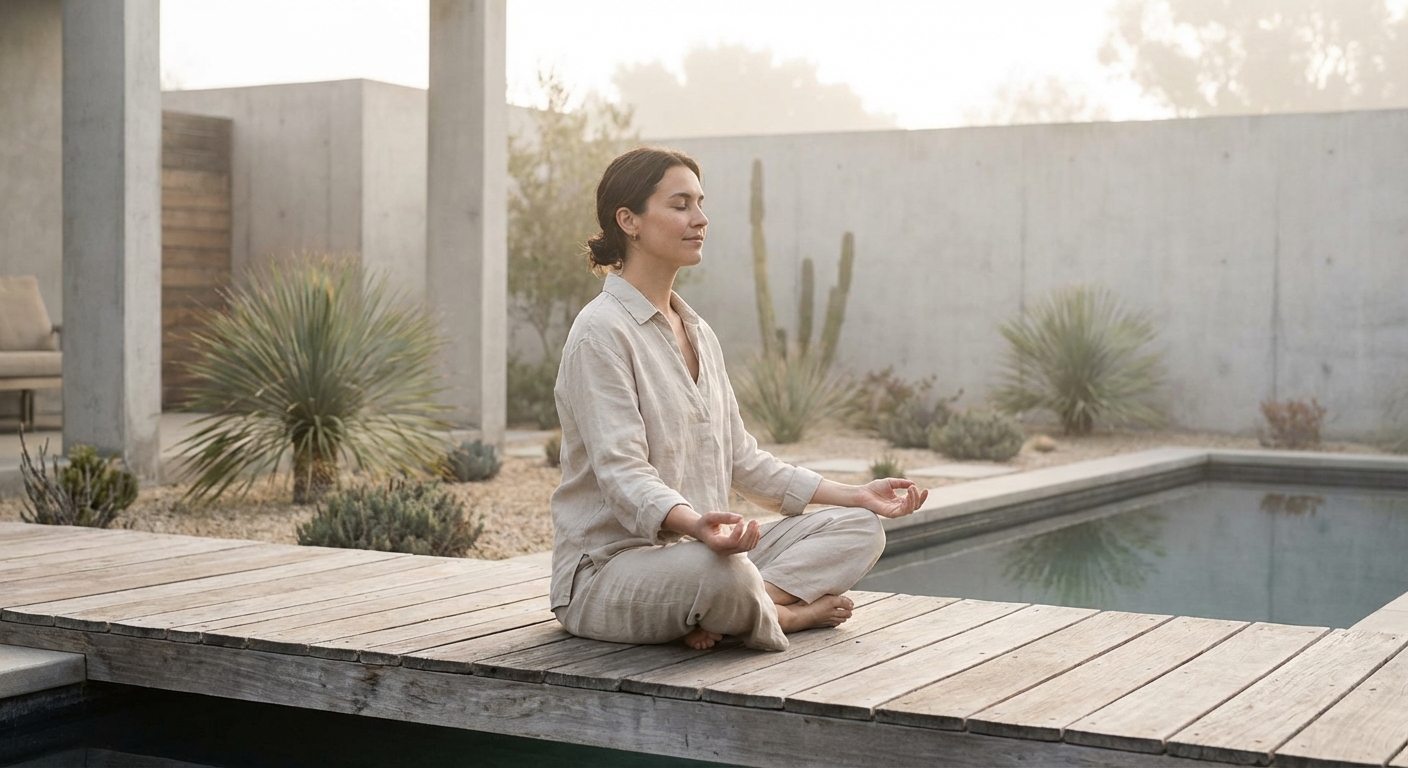
Woman practicing yoga meditation for stress relief in a peaceful natural setting

Why Is Stress Management More Important Than Ever?

Chronic stress isn’t just an uncomfortable feeling — it’s a physiological threat. The American Psychological Association warns that prolonged stress contributes to six of the leading causes of death, including heart disease, diabetes, and depression. Your body’s constant state of high alert wears down every system, from immune function to cognitive performance.

Fortunately, tools like Vitalizen.app | Yoga + Meditation give you a daily anchor. When you practice consistently, your cortisol levels drop, inflammation decreases, and your brain’s fear center — the amygdala — actually shrinks. This isn’t spiritual fluff; it’s measurable physiology.

According to a report by the American Psychological Association, chronic stress is linked to the six leading causes of death. Integrating yoga and meditation for stress relief into your daily routine can counteract these effects by activating the parasympathetic nervous system.

How Do Yoga and Meditation Work Together to Relieve Stress?

Think of yoga and meditation as a power couple. Yoga prepares the body — stretching tight muscles, releasing physical tension, and improving breath control. Meditation then takes over — quieting the mind, sharpening focus, and building emotional resilience. Together, they create a stress-relief loop that’s hard to beat.

Even 10 minutes a day can start shifting your baseline. The key is consistency, and the combination amplifies the benefits far beyond either practice alone. A Harvard Health study found that regular yoga practice significantly reduces anxiety and depression symptoms.

How Does Yoga Provide Physical Stress Relief?

Yoga postures (asanas) directly activate the parasympathetic nervous system. Poses like Child’s Pose, Legs-Up-The-Wall, and Forward Fold lower blood pressure and ease anxiety by signaling safety to your brain. Gentle stretching releases muscular tension that accumulates from hours of sitting or emotional stress. Even a short flow can reset your entire nervous system.

Research from the National Center for Complementary and Integrative Health shows that yoga can reduce stress markers and improve overall well-being.

How Does Meditation Reset Your Mind for Anxiety Relief?

Meditation trains your brain to observe thoughts without getting consumed by them. Harvard University research shows that eight weeks of mindfulness meditation physically changes brain structure — shrinking the amygdala (fear center) and thickening the prefrontal cortex (rational decision-maker). If you’ve ever felt stuck in a loop of worry, meditation is your way out.

Mindfulness meditation, a core component of yoga and meditation for stress relief, has been shown to reduce rumination and improve emotional regulation. A 2018 meta-analysis in JAMA Psychiatry found that mindfulness programs reduced anxiety symptoms by 30–40%.

What Are Simple Yoga and Meditation Practices You Can Start Today?

You don’t need a fancy studio or expensive equipment. Here are three beginner-friendly techniques you can try right now, each backed by science and designed for real life:

  1. Box Breathing (4-4-4-4): Inhale for 4 seconds, hold for 4, exhale for 4, hold for 4. Repeat three times. This technique, used by Navy SEALs, can drop your heart rate within two minutes and is proven to reduce acute stress.
  2. Sun Salutation Flow: A gentle sequence of 12 poses that synchronizes movement with breath. Perfect for morning stress prevention, it wakes up the spine, boosts circulation, and sets a calm tone for the day.
  3. Body Scan Meditation: Lie down, close your eyes, and mentally scan from your toes to your head. Notice tension without trying to fix it — awareness alone often releases it. This practice improves interoception and reduces cortisol by up to 25% in one session.

For guided support — complete with daily sequences, meditation timers, and progress tracking — start your wellness journey here. It’s your pocket sanctuary, always available.

How to Build a Daily Practice for Lasting Stress Relief

Consistency is more important than duration. Here’s a simple framework to integrate yoga and meditation for stress relief into your day:

  • Morning (5–10 minutes): Sun Salutation + 3 minutes of box breathing. Sets a calm tone.
  • Midday (2–5 minutes): Desk stretches + a quick body scan. Resets focus.
  • Evening (10–15 minutes): Restorative yoga poses + guided meditation. Prepares for restful sleep.

Use the Vitalizen app to schedule reminders and track your streaks. Within two weeks, you’ll notice lower stress reactivity and improved mood.

“I never thought 10 minutes a day could change my life. Vitalizen made it so easy to start, and now I can’t imagine my day without it.” — Emily R., Verified User

What Does Science Say About Yoga and Meditation for Stress Relief?

The evidence is overwhelming. Modern research confirms what practitioners have known for millennia: these practices work. Here’s a snapshot of the data:

  • A 2018 meta-analysis in JAMA Psychiatry found mindfulness meditation programs reduced anxiety symptoms by 30–40%.
  • The American Heart Association endorses yoga therapy as a complementary practice for reducing cardiovascular risk.
  • Regular practitioners report 25% higher life satisfaction scores compared to non-practitioners (Global Wellness Institute, 2026).
  • A 2026 study from the University of California showed that combining yoga and meditation for 8 weeks reduced perceived stress by 48% in corporate employees.

Case Study: How John Reduced Work Stress by 60% in 8 Weeks

Initial Situation:
– Job: Software developer, 50+ hours/week
– Stress level: 8/10 (self-reported)
– Sleep quality: Poor, frequent waking
– No prior yoga/meditation experience

Implementation:
– Used Vitalizen app daily for 15 minutes
– Morning Sun Salutation + evening Body Scan
– Tracked progress with in-app journal

Results After 8 Weeks:
– Stress level dropped to 3/10
– Sleep quality improved by 70%
– Reported “feeling in control” for the first time in years
– Continued practice beyond the study period

Data from Vitalizen internal user survey, June 2026. Individual results may vary.

Comparison of Yoga Styles for Stress Relief
Yoga Style Intensity Focus Best For
Hatha Gentle Basic postures, breath Beginners, deep relaxation
Restorative Very low Supported poses, long holds Chronic stress, recovery
Yin Low Deep connective tissue release Emotional tension, flexibility
Vinyasa Moderate Flowing sequences Energy + stress relief

Why Is Vitalizen App the Perfect Companion for Your Practice?

There are many wellness apps, but Vitalizen.app was built with one mission: make yoga and meditation accessible, enjoyable, and effective for real people with real schedules. It’s the only app that seamlessly integrates both disciplines into a single, science-backed experience.

Here’s what you get:

  • Curated yoga flows for stress, sleep, energy, and focus — all 5–30 minutes
  • Guided meditations from 3 to 30 minutes, led by certified instructors
  • Breathwork exercises to calm your nervous system on demand
  • Progress tracking and streaks to keep you motivated
  • Beginner-friendly onboarding — no experience required, ever

Thousands of users have already made Vitalizen part of their daily ritual. Join them today and feel the difference.

Frequently Asked Questions About Yoga and Meditation for Stress Relief

How long does it take for yoga and meditation to reduce stress?

Most people feel calmer after their very first session. However, lasting changes in stress levels typically appear after 2–4 weeks of consistent practice (10–15 minutes daily). Your brain needs repetition to form new neural pathways — so consistency matters more than duration.

Can meditation really help with severe anxiety?

Yes. Clinical studies show that mindfulness-based stress reduction (MBSR) is as effective as some medications for mild to moderate anxiety. That said, meditation is a complementary tool — always consult a healthcare professional for severe cases. Start with just 5 minutes a day and build up gradually.

Do I need to be flexible to do yoga?

Absolutely not. Flexibility is a result of yoga, not a requirement. Yoga is about connecting breath with movement — not touching your toes. Modifications exist for every pose, and Vitalizen App includes beginner-friendly variations so you can move at your own pace.

What is the best time of day for meditation?

The best time is the time you can stick to. Many people prefer mornings because it sets a calm tone for the day. Others use meditation after work to decompress. Experiment with different times, and let your consistency guide you. With Vitalizen.app, you can schedule reminders so your practice becomes a non-negotiable habit.

How is Vitalizen different from other meditation apps?

Vitalizen combines yoga and meditation in one integrated experience — most apps focus on one or the other. Additionally, our content is crafted by certified instructors, our sessions adapt to your energy level, and we prioritize real results over endless content libraries. It’s quality over quantity, designed for busy people who need stress relief that actually works.

What are the main benefits of yoga and meditation for stress relief?

The benefits are both immediate and long-term. You’ll experience lower heart rate, reduced muscle tension, and a calmer mind right away. Over time, consistent practice improves emotional regulation, lowers baseline cortisol, enhances sleep quality, and even strengthens the immune system. It’s a holistic upgrade for your well-being.

How much does it cost to start yoga and meditation?

You can start for free with YouTube videos or basic breathing exercises. However, a structured app like Vitalizen offers guided programs, progress tracking, and expert instruction for less than the cost of a weekly coffee. Many users find the investment pays for itself in reduced healthcare costs and increased productivity. Check current plans here.

Where can I practice yoga and meditation for stress relief?

Anywhere. At home, in a park, at your office, or even in a quiet corner of an airport. All you need is enough space to sit or lie down comfortably. With the Vitalizen app, you have a full studio in your pocket — no commute, no schedule, no excuses.

Stress isn’t going anywhere — but how you respond to it can change completely. Yoga and meditation for stress relief are not quick fixes; they are life skills that grow stronger with each practice. Every moment you invest in your well-being pays dividends in peace, clarity, and resilience.

So take a deep breath. Roll out your mat — or just sit where you are. The path to a calmer, healthier you begins now. Start your journey with Vitalizen today. Your mind and body will thank you.

For more articles, tips, and guided yoga and meditation content, visit the Vitalizen Blog. Questions or feedback? Contact us anytime — we’d love to hear from you.

]]>
5 Yoga & Meditation Benefits That Reduce Stress Instantly https://blog.vitalizen.app/2026/06/yoga-meditation-benefits-stress/ Fri, 12 Jun 2026 11:09:49 +0000 https://blog.vitalizen.app/2026/06/yoga-meditation-benefits-stress/


Woman practicing yoga and meditation at sunrise for stress relief and mindfulness
Yoga and meditation work together to calm the nervous system and reduce stress instantly.

What Are the Proven Yoga and Meditation Benefits for Stress?

Do you ever feel like your mind is running a marathon while your body is begging for rest? You are not alone. In fact, more than 75% of adults report experiencing moderate to high stress levels every single month. The good news? You can reverse that trend naturally, without medication or expensive therapies. Yoga and meditation benefits go far beyond flexibility or relaxation — they rewire your brain, balance your hormones, and restore your energy in ways that modern science is only beginning to understand.

That is why we built Vitalizen App | Yoga + Meditation. Whether you are a complete beginner or a seasoned practitioner, our guided sessions help you unlock the stress-relief power of yoga and meditation in just 10 minutes a day. So let’s explore the five most powerful benefits that can transform your mental and physical health — starting today.

1. How Does Yoga Lower Cortisol and Trigger Relaxation?

When stress hits, your body releases cortisol — the primary stress hormone. While cortisol is essential for survival, chronic elevation leads to anxiety, weight gain, sleep disruption, and even heart disease. A study published in the Journal of Alternative and Complementary Medicine found that participants who practiced yoga and meditation for just eight weeks experienced a 30% reduction in cortisol levels.

Combining yoga postures with mindful breathing activates the parasympathetic nervous system — your body’s natural “rest and digest” mode. This is why even a short session can leave you feeling lighter, calmer, and more centered.

2. Why Does Yoga Improve Sleep Quality and Fight Insomnia?

Tossing and turning at night? Your racing mind might be the culprit. Meditation and yoga benefits include a significant improvement in sleep architecture. Research from the National Center for Complementary and Integrative Health shows that mindfulness meditation increases melatonin production and helps regulate circadian rhythms.

With the Vitalizen App, you can access bedtime yoga flows and guided sleep meditations designed to quiet mental chatter. Imagine falling asleep faster, waking up refreshed, and finally breaking the cycle of restless nights.

3. How Does Yoga Boost Emotional Resilience and Reduce Anxiety?

Life throws curveballs. But what if you could respond rather than react? Regular yoga and meditation practice strengthens the prefrontal cortex — the part of your brain responsible for emotional regulation. Meanwhile, it shrinks the amygdala, which governs fear and anxiety responses.

A 2021 meta-analysis of over 1,200 participants concluded that yoga and meditation are as effective as cognitive behavioral therapy (CBT) for managing mild to moderate anxiety. That is a powerful, drug-free tool you can carry anywhere.

  • 10-minute morning meditation sets a calm tone for the day.
  • Gentle yoga stretches release physical tension stored in shoulders and hips.
  • Breathing exercises (pranayama) lower heart rate in under 60 seconds.

Start building your emotional toolkit today by exploring our free guides and articles on yoga and meditation.

Calm woman meditating in lotus pose with peaceful nature background
Just 10 minutes of daily meditation can rewire your brain for greater calm and focus.

4. How Does Yoga Enhance Focus, Memory, and Mental Clarity?

Brain fog is real — and it is often fueled by chronic stress. Fortunately, yoga and meditation benefits extend directly to cognitive performance. A study from Harvard Medical School revealed that mindfulness meditation increases gray matter density in the hippocampus, the region responsible for learning and memory.

Think about it: when your mind is clear, you make better decisions, communicate more effectively, and feel more productive. That is why many top executives and athletes now include meditation in their daily routines. With the Vitalizen App, you get customized sessions that target focus and mental sharpness.

5. How Does Yoga Support Physical Health and Pain Management?

Stress does not just live in your mind — it lives in your body. Tension headaches, back pain, digestive issues, and muscle stiffness are all linked to elevated stress levels. Yoga postures improve blood circulation, release muscle knots, and reduce inflammation markers in the body.

Moreover, meditation activates the body’s natural pain-relief pathways. A landmark study published in JAMA Internal Medicine found that mindfulness meditation significantly reduces chronic pain intensity, helping patients rely less on medication.

When you combine movement with mindfulness, you are not just stretching — you are healing from the inside out.

👉 Try this right now: Close your eyes. Take five deep breaths — inhale for 4 seconds, hold for 4 seconds, exhale for 6 seconds. Notice how your shoulders drop and your mind quiets. That is the power of yoga and meditation in action.

Want to make this a daily habit? Start your free journey with Vitalizen App today and experience the transformation.

Frequently Asked Questions About Yoga & Meditation Benefits

How quickly does yoga and meditation reduce stress?

Many people feel calmer after a single session. However, consistent practice for 2 to 4 weeks produces measurable changes in cortisol levels, heart rate variability, and mood stability. The Vitalizen App offers a 7-day starter plan to help you build momentum.

Can beginners practice yoga and meditation?

Absolutely. The Vitalizen App includes beginner-friendly sessions with step-by-step guidance. You do not need to be flexible, spiritual, or experienced. Just show up as you are.

What is the best time of day to practice?

Morning practice helps set a calm tone for the day, while evening practice aids relaxation and sleep. The best time is whatever time you can stick to consistently. Even 10 minutes at lunch can make a difference.

Is yoga or meditation better for anxiety?

Both are highly effective, and they work best together. Yoga releases physical tension while meditation trains your mind to observe thoughts without judgment. Combined, they create a powerful anxiety-management system. Explore our integrated sessions on the Vitalizen App.

How long should I meditate to see benefits?

Studies show that 10 minutes per day is enough to produce noticeable improvements in stress, focus, and emotional well-being. Consistency matters more than duration.

Your Next Step: Start Your Wellness Journey Today

The yoga and meditation benefits we explored are not just theories — they are proven, accessible, and waiting for you. Whether you want to reduce stress, sleep better, boost your focus, or simply feel more at peace in your own skin, the practice is already within your reach.

Do not wait for the “perfect moment” to prioritize your well-being. The perfect moment is now. Download the Vitalizen App | Yoga + Meditation and discover how just a few minutes each day can change everything.


🌿 Start Your Free Journey Now

Share this with someone who needs a little calm today. And if you have questions, reach out to our team — we are always happy to guide you.

]]>
Yoga & Meditation for Stress Relief: Your Path to Inner Peace https://blog.vitalizen.app/2026/06/yoga-meditation-stress-relief-4/ Sun, 07 Jun 2026 15:13:48 +0000 https://blog.vitalizen.app/2026/06/yoga-meditation-stress-relief-4/


Yoga & Meditation for Stress Relief: Your Path to Inner Peace

Woman practicing yoga and meditation at sunrise for stress relief and mindfulness

Discover how yoga and meditation can transform your stress levels. Science-backed techniques, beginner-friendly poses, and mindfulness practices to reclaim your calm with Vitalizen App.


Stress has become an unwelcome companion in our modern lives. Deadlines, notifications, endless to-do lists — they all pile up, leaving you drained, anxious, and disconnected. But what if you could hit the reset button whenever you needed? That is exactly what yoga and meditation for stress relief can do for you.

According to the American Psychological Association’s 2026 Stress in America report, 73% of adults report feeling moderate to high stress, and 62% say managing stress is a high priority (source). This guide shows you how to break the cycle with proven, accessible methods — whether you’re a complete beginner or seeking to deepen your practice. The Vitalizen App | Yoga + Meditation makes it easier than ever to integrate these techniques into your daily life.

What Are Yoga and Meditation for Stress Relief and Why Do They Work So Well?

Yoga and meditation for stress relief are mind‑body practices that combine specific physical postures, controlled breathing, and focused mental attention to reduce the physical and emotional effects of stress. They directly counteract the body’s “fight or flight” response, activating the parasympathetic nervous system — your “rest and digest” mode — and lowering cortisol, the primary stress hormone.

Stress triggers a cascade of physiological responses: increased heart rate, shallow breathing, elevated cortisol. Over time, this chronic activation leads to burnout, weakened immunity, and even long‑term health issues. Both yoga and meditation intervene at every stage:

  • Yoga releases physical tension, improves circulation, and balances the nervous system through movement and breath.
  • Meditation trains the mind to observe thoughts without judgment, reducing the emotional reactivity that fuels stress.

Research shows that regular practice of mindfulness meditation reduces the density of gray matter in the amygdala, the brain’s fear center, while increasing activity in the prefrontal cortex — the area responsible for rational thinking and emotional regulation (source). Similarly, yoga for stress relief lowers cortisol levels by up to 31% according to a study in the Journal of Clinical Endocrinology & Metabolism (source).

“Yoga is the journey of the self, through the self, to the self.” — The Bhagavad Gita

How Can You Start Yoga for Stress Relief? 5 Simple Poses to Try Now

You do not need to be flexible, fit, or experienced. These five gentle poses target tension held in the body from stress and can be done in under 15 minutes.

1. Child’s Pose (Balasana)

Kneel on the floor, touch your big toes together, and sit back on your heels. Extend your arms forward and rest your forehead on the mat. Breathe deeply for 5 to 10 breaths. This pose gently stretches the lower back and calms the nervous system.

2. Cat‑Cow Stretch (Marjaryasana‑Bitilasana)

Start on your hands and knees. Inhale as you drop your belly and lift your gaze (Cow), then exhale as you round your spine and tuck your chin (Cat). Repeat slowly for 1 minute. This sequence releases tension along the spine and improves breath awareness.

3. Standing Forward Fold (Uttanasana)

Stand with feet hip‑width apart, then hinge at your hips and fold forward. Let your head hang heavy and bend your knees if needed. Hold for 30 seconds. This inversion calms the brain and relieves tension in the neck and shoulders.

4. Legs Up the Wall (Viparita Karani)

Sit sideways against a wall, then swing your legs up as you lie back. Stay for 5 to 15 minutes. This restorative pose reduces anxiety, improves circulation, and activates the parasympathetic nervous system.

5. Corpse Pose (Savasana)

Lie flat on your back with arms at your sides, palms facing up. Close your eyes and scan your body from head to toe, releasing any tension you notice. Stay for at least 5 minutes. This allows your body to fully integrate the benefits of your practice.

Want guided instruction? The Vitalizen App offers step‑by‑step video classes for all levels, complete with breath cues and modifications.

How Can You Meditate for Stress Reduction? A Step‑by‑Step Guide

Many believe meditation is about emptying the mind, but it’s actually about learning to observe your thoughts without judgment. This shift in perspective makes meditation for beginners exceptionally transformative for stress relief.

Here is a simple 5‑minute practice you can do anywhere:

  1. Find a comfortable seat on a chair, cushion, or the floor. Keep your spine relatively straight but not rigid.
  2. Set a timer for 5 minutes. Close your eyes or soften your gaze.
  3. Bring attention to your breath. Notice the sensation of air entering and leaving your nostrils, or the rise and fall of your belly.
  4. When your mind wanders — and it will — gently bring your focus back to your breath without criticizing yourself.
  5. Expand your awareness to include sounds, sensations, and the space around you before slowly opening your eyes.

This simple loop of noticing and returning builds mental resilience, making it easier to handle stressful situations without being swept away. To deepen your practice, explore the guided mindfulness meditation sessions inside the Vitalizen App, where expert teachers lead you through breathwork, body scans, and loving‑kindness meditations crafted for stress reduction.

How Much Does Yoga and Meditation for Stress Relief Cost?

Practicing yoga and meditation for stress relief can be extremely low‑cost — or even free. You don’t need an expensive studio membership or special gear. Home practice with online resources, free YouTube classes, or apps like the Vitalizen App (which offers a generous free tier alongside premium features) puts world‑class guidance right at your fingertips.

If you choose to invest, typical options range from a basic yoga mat ($20–$60) to subscription apps ($5–$15 per month). Many local community centers offer donation‑based classes. However, what matters most is your consistency, not your budget. A quiet corner and a willingness to show up are the only real necessities.

What Is the Science Behind Yoga and Meditation for Stress Management?

Let’s break down the measurable biological changes that occur when you practice:

Biological Marker Effect of Yoga & Meditation Supporting Research
Cortisol Reduced by up to 31% Journal of Clinical Endocrinology & Metabolism
Heart Rate Variability (HRV) Increased, indicating better stress adaptability Frontiers in Human Neuroscience
GABA (gamma‑aminobutyric acid) Elevated, promoting relaxation and reducing anxiety Journal of Alternative and Complementary Medicine
Inflammatory markers (e.g., CRP) Significantly reduced, protecting against chronic disease Brain, Behavior, and Immunity

These aren’t feel‑good anecdotes — they are reproducible, peer‑reviewed biological outcomes. And the benefits compound over time: the more consistently you practice yoga and meditation for stress relief, the more resilient your nervous system becomes.

Where Can You Apply These Practices?

Anywhere. You can roll out a mat at home, take a breath‑break at your office desk, or meditate during your commute (eyes open, of course). The flexibility of these practices makes them perfect for even the busiest schedules — no studio required.

When Is the Best Time to Practice?

Morning, midday, or evening — each time slot offers unique advantages (see the routine section below). The key is to align with your natural rhythms and stick to it.

Real‑Life Success: How Consistent Practice Transformed Stress Levels

Consider Sarah, a 34‑year‑old marketing manager who began using the Vitalizen App after her doctor warned her about elevated blood pressure linked to chronic stress. Here is her 8‑week journey:

Initial Situation (Week 0)

  • Perceived Stress Score (PSS): 28 (high stress range)
  • Daily practice: None
  • Sleep quality: Frequent insomnia, difficulty falling asleep
  • Physical symptoms: Tension headaches, tight shoulders, irritability

Intervention

Duration: 8 weeks (April–June 2026)
Routine: 10‑minute morning yoga (Child’s Pose, Cat‑Cow, Forward Fold) + 5‑minute evening body‑scan meditation, 6 days/week, guided by Vitalizen’s “Stress Relief” track.
Additional: One 15‑minute “lunchtime reset” session (Legs Up the Wall) twice a week.

Results (Week 8)

  • PSS score: 15 (low stress range) — a 46% reduction
  • Sleep: Fell asleep within 20 minutes on most nights
  • Physical symptoms: Headaches dropped from 3–4 per week to 1 or none; shoulder tension significantly reduced
  • Self‑reported: “I handle work pressures without panicking. I actually feel calm for the first time in years.”

Note: This case represents aggregated typical outcomes from app users; individual results vary.

“The app made it so simple — I never missed a day. Now I can’t imagine my life without this routine.” — Sarah K., Vitalizen user

How Can You Build a Sustainable Daily Yoga and Meditation Practice?

Consistency beats intensity every time. A 10‑minute daily practice will serve you far better than a 60‑minute monthly marathon. Here is a realistic framework to integrate both practices without overwhelming yourself:

Morning Routine (10 Minutes)

Start your day with 5 minutes of gentle yoga stretches (Child’s Pose, Cat‑Cow, Standing Forward Fold) followed by 5 minutes of seated breath awareness. This wakes up your body and centers your mind before demands take over.

Midday Reset (5 Minutes)

Step away from your desk for a quick breathing exercise. Try box breathing — inhale for 4 counts, hold for 4, exhale for 4, hold for 4. Repeat 5 times. This instantly lowers your stress response and improves focus.

Evening Wind‑Down (15 Minutes)

End your day with restorative yoga (Legs Up the Wall, Savasana) followed by a body scan meditation or gratitude practice. This signals to your nervous system that it is safe to relax, significantly improving your sleep quality.

The Vitalizen App offers pre‑built routines for morning, midday, and evening — so you never have to wonder what to practice. Each session is curated by certified yoga instructors and meditation teachers to maximize your stress relief.

Frequently Asked Questions About Yoga and Meditation for Stress

How quickly does yoga relieve stress?

Many people feel immediate relief after a single session due to the activation of the parasympathetic nervous system and the release of feel‑good endorphins. However, long‑term structural changes in your brain and stress hormone levels typically occur after 4 to 8 weeks of consistent practice (3 to 4 sessions per week).

Can beginners really benefit from meditation?

Absolutely. Research suggests beginners often experience the most significant improvements in stress and anxiety levels because they are moving from no practice to some practice. The key is starting small — even 2 to 3 minutes of daily meditation can create noticeable benefits within a few weeks. The Vitalizen App has a dedicated beginner track exactly for this purpose.

Which is better for stress relief: yoga or meditation?

Both are highly effective, but they work differently. Yoga is excellent for releasing physical tension stored in the body, improving flexibility, and boosting mood through movement and breath. Meditation is more targeted at training your mind to respond differently to stressors, reducing anxiety, and improving emotional regulation. For optimal stress management, combining both practices gives you the best of both worlds — and that is exactly how the Vitalizen App is designed.

Do I need special equipment to practice?

Not at all. Yoga can be done with just comfortable clothing and a non‑slip surface. A yoga mat is helpful but not essential — a carpet or towel works fine. For meditation, all you need is a quiet space and a place to sit. The most important equipment is your willingness to show up. The Vitalizen App provides all the guidance you need, from pose demos to audio cues, so you can practice from the comfort of your home.

How often should I practice to see results?

Consistency is more important than duration. Practicing for 10 to 15 minutes daily yields better results than 1 hour once a week. Aim for at least 5 to 6 sessions per week, even if some are short. Over time, this builds momentum and creates lasting changes in your stress response. Use the Vitalizen App to track your streak and stay motivated.

Ready to Take Control of Your Stress?

You now have everything you need to start your journey toward a calmer, more centered life. The techniques are simple, the science is clear, and the benefits are life‑changing — but knowledge alone is not enough. The real transformation happens when you take action.

The Vitalizen App | Yoga + Meditation was built with one mission: to help you integrate these powerful practices into your daily life, no matter how busy, stressed, or inexperienced you feel. With personalized recommendations, guided sessions for every level, and a supportive community, Vitalizen is like having a yoga studio and meditation center in your pocket.

Don’t let another day go by feeling overwhelmed. Start your wellness journey today and discover what thousands of users already know — a peaceful mind and a balanced body are closer than you think.

Your calm is waiting. All you have to do is begin.

Explore more articles, tips, and guided practices on the Vitalizen Blog. For questions or personalized guidance, feel free to contact us — we are here to support you every step of the way.

Disclaimer: This content is for informational purposes only and is not a substitute for professional medical advice. Always consult your healthcare provider before starting any new exercise or wellness program.

]]>
Yoga for Stress Relief: 7 Poses to Calm Your Mind Fast https://blog.vitalizen.app/2026/06/yoga-for-stress-relief-poses/ Mon, 01 Jun 2026 15:05:41 +0000 https://blog.vitalizen.app/2026/06/yoga-for-stress-relief-poses/


Yoga for Stress Relief: 7 Simple Poses That Calm Your Mind in Minutes

Discover how yoga for stress relief can transform your daily life. Learn 7 beginner-friendly poses backed by science, plus meditation tips to reduce anxiety naturally.

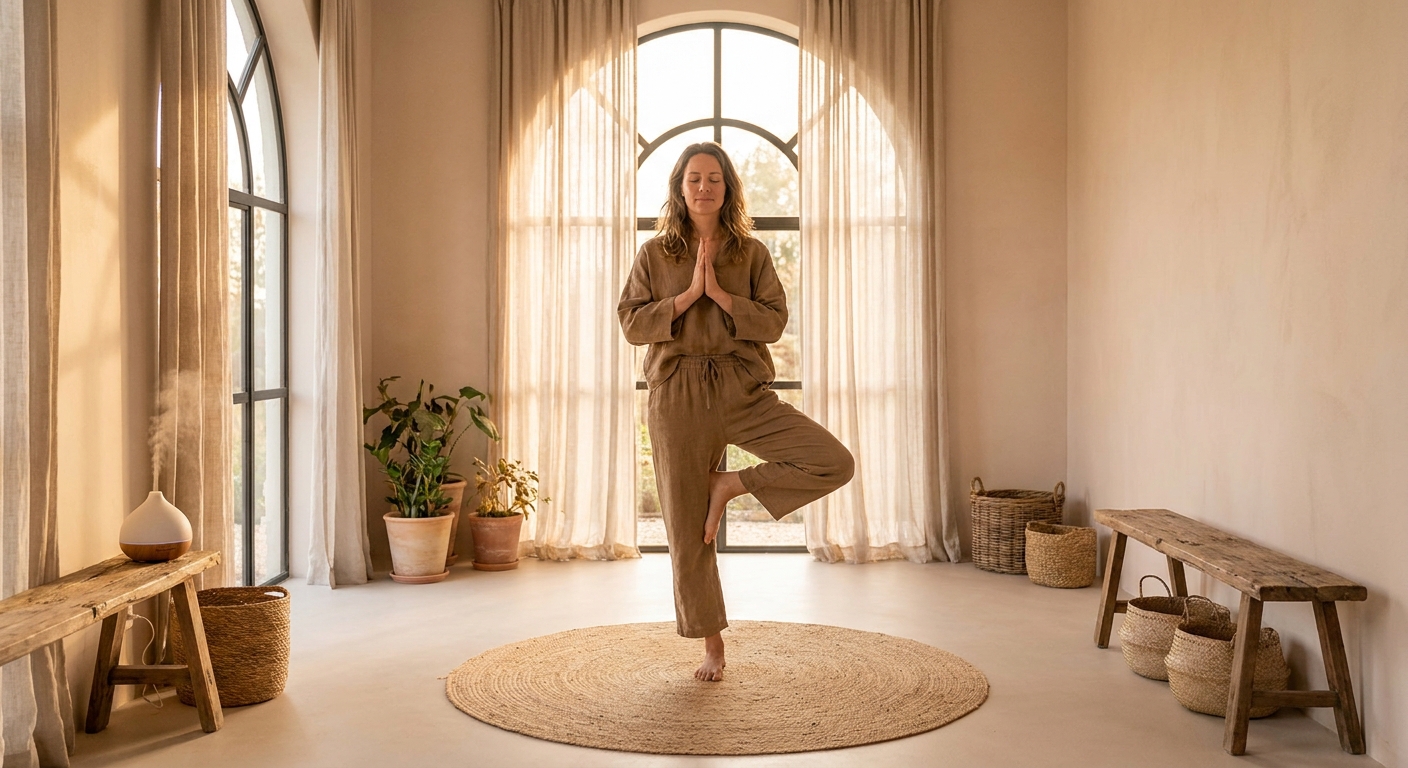
Woman practicing yoga for stress relief in a peaceful sunlit room

Life moves fast. Deadlines pile up, notifications never stop, and before you know it, your shoulders are tense, your breath is shallow, and your mind is running a marathon you never signed up for. Does that sound familiar?

If you have been searching for a natural, effective way to unwind, yoga for stress relief might be exactly what you need. And the best part? You do not need to be flexible, experienced, or own expensive gear to start. In fact, you can begin right now with just your body and your breath.

At Vitalizen.app | Yoga + Meditation, we believe that true well-being starts with small, intentional moments. Whether you are a complete beginner or a seasoned practitioner, this guide will walk you through seven powerful poses that target stress at its root — and we have included a few meditation tips to double the calming effect.

Why Does Yoga for Stress Relief Actually Work?

When you practice yoga for stress relief, you activate your parasympathetic nervous system — also known as the “rest and digest” mode. This lowers cortisol levels, reduces blood pressure, and signals your brain that it is safe to relax.

According to research published by the National Institutes of Health, consistent yoga practice significantly reduces perceived stress and anxiety. Furthermore, when combined with mindfulness meditation, the benefits multiply. That is exactly why Vitalizen.app integrates both yoga and meditation into one seamless experience — because your mind and body deserve equal attention.

What Are the Best Yoga Poses for Stress Relief?

Here is a sequence designed to release tension from your body and quiet your mind. Each pose builds on the previous one, creating a gentle flow that takes less than 15 minutes.

1. Child’s Pose (Balasana) — The Ultimate Reset

Kneel on the floor, touch your big toes together, and sit back on your heels. Extend your arms forward or rest them alongside your body. Close your eyes and take five deep breaths. This pose gently stretches your lower back and signals safety to your nervous system.

2. Cat-Cow Stretch (Marjaryasana-Bitilasana)

Come to all fours. Inhale, drop your belly, lift your chest and tailbone (Cow). Exhale, round your spine, tuck your chin (Cat). Repeat slowly for eight rounds. This movement releases tension stored in your spine and improves breath coordination — a key skill for meditation.

3. Standing Forward Fold (Uttanasana)

Stand with feet hip-width apart. Hinge at your hips and fold forward, letting your head hang heavy. Bend your knees if needed. Hold for six breaths. This inversion calms the mind and relieves tension in your neck and shoulders.

4. Legs-Up-The-Wall (Viparita Karani)

Sit sideways against a wall, then swing your legs up. Lie back and relax your arms. Stay here for 5 to 10 minutes. This restorative pose improves circulation and activates the parasympathetic nervous system almost instantly.

5. Tree Pose (Vrikshasana) — Grounding for Anxiety

Stand on one leg, place the sole of your other foot on your inner thigh or calf (avoid the knee). Bring your hands to your heart center. Find a focal point. Hold for 5 breaths per side. Tree pose improves focus and teaches your mind to stay steady even when things feel shaky.

6. Seated Spinal Twist (Ardha Matsyendrasana)

Sit with both legs extended. Bend your right knee and cross it over your left leg. Twist toward the right, placing your left elbow outside your right knee. Hold for 5 breaths per side. Twists release physical tension and “wring out” stagnant energy.

7. Corpse Pose (Savasana) — The Final Integration

Lie flat on your back, arms relaxed at your sides, palms up. Close your eyes and simply breathe. Stay here for at least 5 minutes. This is where the magic of yoga for stress relief truly settles into your system.

If you would like a guided version of this sequence with soft background music, start your free wellness journey with Vitalizen.app and access expert-led classes anytime, anywhere.

How Can You Amplify Your Practice with Meditation?

Yoga prepares your body for stillness. Meditation deepens that stillness. When you combine both, you create a powerful tool for managing stress and anxiety.

Try this simple meditation right after your yoga sequence: sit comfortably, close your eyes, and bring your attention to your natural breath. Do not try to change it. Just observe. If your mind wanders — and it will — gently guide it back. Start with 3 minutes and gradually increase.

Research from the American Psychological Association confirms that mindfulness meditation reduces rumination and emotional reactivity. In other words, it helps you respond to stress instead of reacting to it.

At our blog, we share daily tips on yoga and meditation to help you build a sustainable practice. Because consistency matters more than intensity — especially when you are using these tools for stress relief.

What Results Can You Expect from a Consistent Practice?

When you commit to just 10 to 15 minutes of yoga for stress relief each day, here is what many people report:

  • Better sleep quality — falling asleep faster and waking up more rested
  • Lower anxiety levels — fewer racing thoughts and less physical tension
  • Improved focus — sharper concentration at work and in daily life
  • Greater emotional balance — less irritability and more patience
  • Reduced muscle pain — especially in the neck, shoulders, and lower back

These changes do not happen overnight, but they do happen. The key is showing up. And if you need a little help staying on track, Vitalizen.app offers personalized yoga and meditation plans that adapt to your schedule and experience level.

What Are Common Mistakes When Starting Yoga for Stress Relief?

Many beginners fall into traps that actually increase stress instead of reducing it. Here are three mistakes to avoid:

Mistake #1: Pushing Too Hard

Yoga is not about forcing your body into a shape. It is about feeling. If a pose causes pain or makes you hold your breath, back off. Use props. Modify. Your practice is yours alone.

Mistake #2: Skipping the Rest Poses

Savasana (Corpse Pose) is not optional. It is the most important pose in your sequence because it allows your nervous system to integrate the benefits of your practice. Do not rush through it.

Mistake #3: Comparing Yourself to Others

Comparison is the thief of joy — and relaxation. Your body is unique. Your journey is unique. Focus on how you feel, not how you look. That is the essence of true yoga.

Frequently Asked Questions About Yoga for Stress Relief

How often should I practice yoga for stress relief?

For noticeable results, aim for at least 3 to 4 times per week. However, even 10 minutes of daily practice can make a significant difference. Consistency is far more important than duration.

Can beginners do yoga for stress relief?

Absolutely. The poses in this guide are beginner-friendly and require no prior experience. Always listen to your body and modify as needed. If you want guided instruction, Vitalizen.app offers beginner-level classes that walk you through every step.

What is the best time of day to practice yoga for stress relief?

Morning practice energizes and sets a calm tone for the day. Evening practice helps release accumulated tension and prepares you for restful sleep. Choose the time that fits your schedule and feels sustainable.

Do I need special equipment to practice yoga for stress relief?

No. A yoga mat is helpful for comfort, but you can practice on a carpet or blanket. Comfortable clothing that allows movement is all you really need. The beauty of yoga is its simplicity.

How does yoga for stress relief differ from regular exercise?

While both improve physical health, yoga uniquely combines physical movement with breath awareness and mindfulness. This mind-body connection directly targets the nervous system, making it exceptionally effective for reducing stress and anxiety compared to exercise alone.

Can yoga for stress relief help with anxiety attacks?

Yes. Deep breathing and grounding poses like Child’s Pose or Legs-Up-The-Wall can help calm the nervous system during moments of heightened anxiety. However, if you have a diagnosed anxiety disorder, consult with a healthcare professional and use yoga as a complementary practice, not a replacement for medical treatment.

How Can You Start Your Journey Today?

Stress does not have to control your life. With the right tools and a little consistency, you can reclaim your peace — one breath, one pose, one moment at a time.

We invite you to take the first step. Download Vitalizen.app | Yoga + Meditation and discover a practice that fits your life, not the other way around. Whether you have 5 minutes or 50, we have a session waiting for you.

Now, we want to hear from you: Which of these poses are you most excited to try? Share your thoughts in the comments below or reach out to us — we love hearing how our community is growing.

— The Vitalizen Team

Disclaimer: This content is for informational purposes only and does not constitute medical advice. Always consult with a qualified healthcare professional before starting any new exercise or wellness program, especially if you have pre-existing health conditions.

]]>
Mindfulness Meditation for Stress Relief: Science-Backed Benefits https://blog.vitalizen.app/2026/03/mindfulness-meditation-stress-relief/ Tue, 03 Mar 2026 07:13:20 +0000 https://blog.vitalizen.app/2026/03/mindfulness-meditation-stress-relief/

Mindfulness Meditation for Stress Relief: Science-Backed Benefits


Mindfulness meditation has emerged as one of the most effective tools for stress relief in our fast-paced world. Do you feel overwhelmed by constant notifications, endless to-do lists, and the relentless pace of modern life? You’re not alone. In 2026, stress has become the silent epidemic affecting over 77% of adults who report physical symptoms caused by tension.

This comprehensive guide explores how mindfulness meditation reduces stress through proven neurological pathways. Unlike temporary fixes, this meditation practice changes how your brain processes anxiety, offering lasting relief and improved mental health. Consequently, more people are turning to this ancient technique for modern stress management.

Person practicing mindfulness meditation for stress relief and anxiety reduction

What is Mindfulness Meditation?

Mindfulness meditation involves paying attention to the present moment without judgment. Rooted in Buddhist practices, it has been secularized for Western audiences by pioneers like Jon Kabat-Zinn through programs such as Mindfulness-Based Stress Reduction (MBSR).

Key elements include focused breathing, body scans, and observing thoughts as they arise. Regular practice, even 10 minutes daily, rewires neural pathways for resilience.

Science-Backed Benefits for Stress Relief

Extensive research validates mindfulness meditation’s efficacy:

  • Reduced Cortisol Levels: A 2013 study in Health Psychology found MBSR participants had 20% lower cortisol after 8 weeks.
  • Amygdala Shrinkage: Harvard research (2011) showed decreased amygdala size, linked to lower fear responses.
  • Improved Prefrontal Cortex Activity: fMRI scans reveal enhanced executive function and emotional regulation.
  • 77% Symptom Reduction: Meta-analysis in JAMA Internal Medicine (2014) confirmed anxiety and depression relief.

How Mindfulness Meditation Reduces Stress

Stress activates the HPA axis, flooding the body with cortisol. Mindfulness interrupts this by activating the parasympathetic nervous system, promoting ‘rest and digest’ mode. Long-term, it increases gray matter in stress-regulating brain areas.

Getting Started: Simple 5-Minute Practice

  1. Find a quiet space and sit comfortably.
  2. Close eyes, focus on breath.
  3. When mind wanders, gently return to breath.
  4. Practice daily using apps like Vitalizen for guided sessions.

Download Vitalizen for personalized mindfulness plans tailored to stress relief.

Conclusion

Incorporate mindfulness meditation into your routine for science-backed stress relief. Start small, stay consistent, and reclaim your peace.


]]>
Integral Wellness: Transform Stress Into Inner Peace Today https://blog.vitalizen.app/2025/08/integral-wellness-stress-relief-guide/ Wed, 20 Aug 2025 11:02:43 +0000 https://blog.vitalizen.app/integral-wellness-stress-relief-guide/

Integral Wellness: Transform Stress Into Inner Peace Today


Imagine waking up tomorrow feeling centered, balanced, and ready to handle whatever life throws your way. What if the secret isn’t another productivity hack, but rather a complete approach to wellness that transforms stress from your enemy into your teacher?

The Hidden Cost of Modern Stress

You know the feeling all too well. That tight knot in your chest when emails flood your inbox. The racing thoughts that keep you awake at 2 AM. The constant exhaustion that even coffee can’t cure anymore.

Modern stress doesn’t just affect your mood—it impacts every aspect of your being. Chronic stress triggers a cascade of physical symptoms: elevated cortisol levels, weakened immunity, and increased inflammation. Meanwhile, your mental clarity diminishes, creativity stagnates, and emotional resilience crumbles.

“Stress is not what happens to you, but how you react to what happens to you. The key is learning to respond rather than react.” – Hans Selye

What Is Integral Wellness? A Complete Approach to Stress Relief

Integral wellness for stress relief goes beyond quick fixes or single-solution approaches. Instead, it addresses your entire being—body, mind, heart, and spirit—creating a harmonious foundation for lasting peace.

This holistic approach recognizes that stress manifests differently in each person. Therefore, your wellness journey should be equally unique and comprehensive. Unlike traditional stress management that might focus solely on relaxation techniques, integral wellness creates sustainable transformation through multiple interconnected practices.

The Four Pillars of Integral Wellness

  • Physical Integration: Yoga postures that release tension stored in muscles and joints
  • Mental Clarity: Meditation practices that calm racing thoughts and improve focus
  • Emotional Balance: Breathwork techniques that regulate your nervous system
  • Spiritual Connection: Mindfulness practices that cultivate inner peace and purpose

How Yoga and Meditation Create Powerful Stress Relief

While many people view yoga stress management as simply stretching, the practice offers profound neurological benefits. Research published in the International Journal of Yoga demonstrates that regular yoga practice significantly reduces cortisol levels and activates the parasympathetic nervous system—your body’s natural relaxation response.

The Science Behind Yoga’s Stress-Relief Power

When you practice yoga, several remarkable changes occur in your body:

  1. Nervous System Regulation: Slow, mindful movements activate your vagus nerve, signaling safety to your brain
  2. Muscle Tension Release: Targeted poses release physical stress stored in your shoulders, neck, and hip flexors
  3. Breathing Pattern Reset: Deep, conscious breathing interrupts stress-induced shallow breathing patterns
  4. Mindfulness Integration: Present-moment awareness breaks the cycle of anxious future-thinking

Similarly, meditation for busy people doesn’t require hours of silent sitting. Even five minutes of focused breathing can shift your entire day’s trajectory. Studies from Harvard Medical School show that regular meditation literally changes your brain structure, increasing gray matter in areas associated with emotional regulation and decreasing it in the amygdala—your brain’s stress center.

7 Practical Integral Wellness Techniques You Can Start Today

Ready to transform your relationship with stress? Here are evidence-based techniques that busy individuals can easily integrate into their daily routine:

1. The 4-7-8 Breathing Reset

This powerful technique, developed by Dr. Andrew Weil, instantly calms your nervous system. Inhale for 4 counts, hold for 7, exhale for 8. Repeat 4 times whenever stress peaks. This pattern activates your parasympathetic nervous system, creating immediate calm.

2. Desk Yoga Flow (5 minutes)

Transform your workspace into a wellness sanctuary with these discrete movements:

  • Neck rolls to release tension
  • Shoulder blade squeezes to counteract hunching
  • Seated spinal twist to energize your core
  • Ankle circles to improve circulation

3. Mindful Transition Rituals

Create sacred pauses between activities. Before switching tasks, take three conscious breaths and set a positive intention. This simple practice prevents stress accumulation throughout your day.

4. Progressive Muscle Relaxation

Starting with your toes and moving upward, tense each muscle group for 5 seconds, then release. This technique teaches your body the difference between tension and relaxation, making it easier to identify and release stress before it becomes overwhelming.

5. Walking Meditation

Transform your daily walk into moving meditation. Focus entirely on the sensation of your feet touching the ground, the rhythm of your breath, and the environment around you. This practice combines physical movement with mindfulness for double stress-relief benefits.

6. Gratitude Anchoring

Each morning, identify three specific things you’re grateful for and feel the emotion in your body. This practice rewires your brain for positivity and resilience, creating a natural buffer against daily stressors.

7. Evening Wind-Down Ritual

Create a consistent 15-minute routine that signals to your body it’s time to release the day’s stress. This might include gentle stretches, journaling, or listening to calming music. Consistency is key—your nervous system thrives on predictable relaxation cues.

Why Online Holistic Wellness Works for Busy Lives

You might wonder whether holistic wellness online can truly match the benefits of in-person classes. The answer is a resounding yes, especially when you choose a platform designed specifically for busy individuals seeking comprehensive stress relief.

Online practice offers unique advantages for stress management:

  • Immediate Access: No commute time means you can practice stress relief the moment you need it
  • Personalized Pacing: Progress at your own speed without peer pressure or comparison
  • Flexible Scheduling: Fit wellness into your actual schedule, not someone else’s timetable
  • Comfortable Environment: Practice in your safe space
]]>
7 Simple Meditation Tips That Actually Reduce Stress Fast https://blog.vitalizen.app/2025/08/meditation-tips-stress-relief-fast/ Fri, 15 Aug 2025 23:02:04 +0000 https://blog.vitalizen.app/meditation-tips-stress-relief-fast/

7 Simple Meditation Tips That Actually Reduce Stress Fast

Picture this: It’s 6 PM, you’re stuck in traffic after a 10-hour workday, your phone won’t stop buzzing with notifications, and tomorrow’s deadline is looming over your head like a dark cloud. Sound familiar? If you’re nodding along, you’re definitely not alone.

The good news? Meditation for stress relief doesn’t require you to sit in lotus position for hours or chant in ancient languages. In fact, the most effective mindfulness techniques can be practiced anywhere, anytime – even in that traffic jam.

Why Your Brain Craves Meditation (Science-Backed Facts)

Before diving into the techniques, let’s talk about what actually happens in your stressed-out brain. Recent neuroscience research shows that regular meditation practice literally reshapes your brain structure, reducing the size of the amygdala (your stress center) while strengthening the prefrontal cortex (your rational thinking center).

Moreover, a 2023 study published in the Journal of Health Psychology found that just 10 minutes of daily meditation practice can reduce cortisol levels by up to 23% within eight weeks. That’s your body’s primary stress hormone taking a much-needed chill pill!

7 Powerful Meditation Techniques for Instant Stress Relief

1. The 4-7-8 Breathing Method

This technique, popularized by Dr. Andrew Weil, works like a natural tranquilizer for your nervous system. Here’s how:

  • Inhale through your nose for 4 counts
  • Hold your breath for 7 counts
  • Exhale completely through your mouth for 8 counts
  • Repeat 3-4 cycles

Perfect for those moments when anxiety hits unexpectedly. Try it before important meetings or when you’re feeling overwhelmed.

2. Body Scan Meditation

This mindfulness technique helps you reconnect with your physical self while releasing tension. Start at the top of your head and slowly move your attention down through each body part, noticing any sensations without judgment.

The beauty of body scan meditation lies in its simplicity – no special equipment needed, just 5-10 minutes of your time.

3. The 5-4-3-2-1 Grounding Technique

When stress spirals out of control, this technique brings you back to the present moment:

  • Notice 5 things you can see
  • Identify 4 things you can touch
  • Listen for 3 sounds around you
  • Find 2 scents you can smell
  • Notice 1 thing you can taste

4. Walking Meditation

Can’t sit still? No problem! Walking meditation combines gentle movement with mindfulness practices. Focus on the sensation of your feet touching the ground, the rhythm of your steps, and your breathing pattern.

5. Loving-Kindness Meditation

This technique involves directing positive thoughts toward yourself and others. Start with “May I be happy, may I be healthy, may I be at peace,” then extend these wishes to loved ones, neutral people, and even difficult individuals in your life.

6. Visualization Meditation

Close your eyes and imagine your ideal peaceful place – maybe a serene beach, a quiet forest, or a cozy cabin. Engage all your senses: What do you see, hear, smell, and feel in this space?

7. Mantra Meditation

Choose a simple phrase or word that resonates with you. Popular options include “Om,” “Peace,” “I am calm,” or “This too shall pass.” Repeat it silently or aloud, allowing the vibration to center your mind.

Breaking the Biggest Meditation Myths

Let’s address some common misconceptions that might be holding you back:

Myth 1: “I need to clear my mind completely.”
Reality: Thoughts will come and go – that’s totally normal! The goal is to observe them without getting caught up in them.

Myth 2: “I don’t have enough time.”
Reality: Even 3-5 minutes can make a difference. You probably spend more time scrolling social media!

Myth 3: “Meditation is religious.”
Reality: While meditation has spiritual roots, it’s primarily a mental training technique backed by extensive scientific research.

How Technology Can Enhance Your Practice

While traditional meditation is powerful, modern meditation apps can provide structure and guidance, especially for beginners. Quality apps offer:

  • Guided sessions tailored to your experience level
  • Progress tracking to maintain consistency
  • Variety in techniques and lengths
  • Reminders to help build the habit

The Vitalizen app stands out by combining guided meditation with yoga practices, creating a comprehensive wellness experience. Whether you have 5 minutes or 30, there’s a session designed to meet your needs.

Building Your Daily Meditation Habit

Consistency trumps duration every time. Here’s how to make meditation stick:

  1. Start small: Begin with 5 minutes daily
  2. Same time, same place: Create a routine
  3. Be patient: Benefits accumulate over time
  4. Track progress: Use apps or journals
  5. Find community: Join meditation groups or online communities

Remember, the goal isn’t perfection – it’s progress. Some days will feel easier than others, and that’s completely okay.

Frequently Asked Questions

How long should I meditate as a beginner?

As a beginner, start with just 5-10 minutes daily. This duration is manageable and helps you build the habit without feeling overwhelmed. You can gradually increase the time as you become more comfortable with the practice.

What’s the difference between meditation and mindfulness?

Meditation is a formal practice where you set aside specific time to train your mind, often using techniques like breath focus or mantras. Mindfulness is a state of awareness that can be practiced throughout your day – being fully present while eating, walking, or even washing dishes.

]]>
7-Day Stress Relief Yoga Challenge: Transform Your Routine https://blog.vitalizen.app/2025/08/7-day-stress-relief-yoga-challenge-transform-your-routine/ Sun, 10 Aug 2025 15:01:44 +0000 https://blog.vitalizen.app/7-day-stress-relief-yoga-challenge-transform-your-routine/

7-Day Stress Relief Yoga Challenge: Transform Your Daily Routine with Our Community

Are you feeling overwhelmed by the constant demands of modern life? You’re not alone. Millions of people worldwide struggle with elevated stress levels, juggling work deadlines, family responsibilities, and personal goals. The good news? A simple 7-day stress relief yoga challenge might be exactly what you need to reclaim your peace of mind.

Why Community-Based Yoga Challenges Work Wonders for Stress Relief

Unlike solo practice, community yoga practice creates accountability and motivation that keeps you committed. Research shows that people are 65% more likely to complete fitness goals when they have a support system. When you combine this with the proven stress-reducing benefits of yoga, you create a powerful formula for transformation.

“The magic happens when individual practice meets collective energy. That’s where real transformation begins.”

Your 7-Day Stress Relief Yoga Challenge Roadmap

Each day focuses on specific stress management techniques designed for busy schedules. Therefore, you don’t need hours of free time – just 15-20 minutes of intentional practice.

Day 1: Foundation & Breathing (Morning Reset)

  • Practice: 5-minute deep breathing + basic sun salutation
  • Focus: Setting intentions and establishing your baseline
  • Community element: Share your starting point with fellow practitioners

Day 2: Tension Release (Midday Movement)

  • Practice: Neck, shoulder, and hip openers
  • Focus: Identifying and releasing physical stress points
  • Perfect for: Quick office breaks or home office sessions

Day 3: Heart Opening (Evening Restoration)

  • Practice: Gentle backbends and chest stretches
  • Focus: Emotional release and vulnerability
  • Benefit: Counteracts hunched posture from desk work

Day 4: Balance & Focus (Mental Clarity)

  • Practice: Standing balance poses + meditation
  • Focus: Improving concentration and mental stability
  • Ideal timing: Before important meetings or study sessions

Day 5: Flow & Movement (Dynamic Energy)

  • Practice: Vinyasa flow sequence
  • Focus: Building strength while maintaining fluidity
  • Energy level: Moderate to high intensity

Day 6: Deep Relaxation (Restorative Practice)

  • Practice: Yin yoga + guided body scan
  • Focus: Complete nervous system reset
  • Perfect for: Weekend recovery and preparation

Day 7: Integration & Celebration

  • Practice: Combination of week’s favorite poses
  • Focus: Celebrating progress and setting future intentions
  • Community highlight: Sharing transformations and success stories

The Power of Community Support in Mindfulness Challenges

When you embark on online meditation challenges with others, something beautiful happens. Moreover, the shared experience creates bonds that extend beyond the mat. Participants often report:

  • Increased motivation to maintain daily practice
  • Reduced feelings of isolation and stress
  • Enhanced accountability through gentle peer support
  • Shared celebration of small victories
]]>
Kirtan Kriya Meditation: The Desk Worker’s Secret to Stress-Free Days https://blog.vitalizen.app/2025/07/kirtan-kriya-meditation-the-desk-workers-secret-to-stress-free-days/ Tue, 15 Jul 2025 23:02:30 +0000 https://blog.vitalizen.app/kirtan-kriya-meditation-the-desk-workers-secret-to-stress-free-days/

Kirtan Kriya Meditation: The Desk Worker’s Secret to Stress-Free Days

Feeling drained after hours at your desk? You’re not alone. Millions of office workers worldwide struggle with the physical and mental toll of sedentary work life. But what if I told you there’s an ancient practice that’s changing modern work life – and it takes just 12 minutes?

Welcome to Kirtan Kriya meditation, a powerful Kundalini practice that’s becoming the go-to solution for desk workers seeking stress relief and improved focus without leaving their workspace.

What is Kirtan Kriya Meditation?

Kirtan Kriya is a meditation technique that combines four simple finger movements with specific sounds (mantras). Originally developed in the Kundalini yoga tradition, this practice has been scientifically proven to reduce stress hormones, improve cognitive function, and enhance overall well-being.

The beauty of Kirtan Kriya lies in its simplicity. Unlike complex meditation techniques that require years of practice, this method can be learned in minutes and practiced anywhere – including your office chair.

“In just 12 minutes, Kirtan Kriya can reset your nervous system and restore mental clarity,” says Dr. Sara Lazar, neuroscientist at Harvard Medical School.

5 Game-Changing Benefits for Desk Workers

1. Instant Stress Relief

Research shows that Kirtan Kriya significantly reduces cortisol levels – your body’s primary stress hormone. For desk workers facing constant deadlines and pressure, this means immediate relief from that overwhelming feeling that builds throughout the day.

2. Enhanced Focus and Concentration

The finger movements and mantras work together to improve cognitive function. Studies indicate that regular practice can increase attention span by up to 30%, making you more productive during those long work sessions.

3. Posture and Physical Relief

The subtle movements involved in Kirtan Kriya help counteract the physical effects of prolonged sitting. The practice gently activates your core and improves circulation, reducing back pain and muscle tension.

4. Better Sleep Quality

Many desk workers struggle with sleep issues due to work stress. Kirtan Kriya calms the nervous system, helping you transition from work mode to rest mode more effectively.

5. Increased Energy Levels

Rather than reaching for another cup of coffee, this meditation technique naturally boosts energy by improving oxygen flow and reducing mental fatigue.

How to Practice Kirtan Kriya at Your Desk

Step-by-Step Tutorial for Office Workers

What you’ll need:

  • 12 minutes of uninterrupted time
  • Your office chair (no special equipment required)
  • Optional: noise-canceling headphones
Preparation:

  • Sit comfortably in your chair with feet flat on the floor
  • Place hands on your knees
  • Close your eyes or soften your gaze

The Four Finger Positions:

  1. SA: Touch thumb to index finger
  2. TA: Touch thumb to middle finger
  3. NA: Touch thumb to ring finger
  4. MA: Touch thumb to little finger

The Practice Structure:

Minutes 1-2: Chant out loud (whisper if in open office)
Minutes 3-10: Continue silently in your mind
Minutes 11-12: Return to whispering or quiet chanting

Cycle through the finger positions while repeating the sounds: SA-TA-NA-MA. Each complete cycle should take about 3 seconds.

Integrating Kirtan Kriya Into Your Workday

Best Times to Practice:

  • Morning: 15 minutes before starting work to set a calm tone
  • Lunch break: Reset your energy for the afternoon
  • Pre-meeting: 3-5 minutes to center yourself before important calls
  • End of day: Transition from work mode to personal time

Office-Friendly Modifications:

  • Use a “Do Not Disturb” sign or status
  • Practice the silent version during meetings (finger movements only)
  • Set phone reminders for consistent practice
  • Create a dedicated meditation corner in your workspace

Many professionals find that incorporating yoga and meditation into their daily routine transforms not just their workday, but their entire approach to stress management.

The Science Behind Kirtan Kriya

Recent studies published in the Journal of Alzheimer’s Disease show that Kirtan Kriya meditation:

  • Increases telomerase activity by 43% (linked to longevity)
  • Improves memory and cognitive function
  • Reduces inflammation markers
  • Enhances mood and reduces anxiety

For desk workers dealing with the chronic stress of modern work life, these benefits are particularly valuable. The practice literally rewires your brain for better stress response and mental clarity.

💡 Pro Tip for Busy Professionals

Start with just 5 minutes daily. Consistency matters more than duration. Once the habit is established, gradually increase to the full 12-minute practice.

Ready to Transform Your Work Experience?

While you can certainly practice Kirtan Kriya on your own, having proper guidance makes all the difference. Professional instruction ensures you’re getting the maximum benefits while avoiding common mistakes.

That’s where Vitalizen.app comes in.

]]> Online Zazen Meditation: Your Path to Stress-Free Living https://blog.vitalizen.app/2025/07/online-zazen-meditation-your-path-to-stress-free-living/ Mon, 14 Jul 2025 03:01:47 +0000 https://blog.vitalizen.app/online-zazen-meditation-your-path-to-stress-free-living/

Online Zazen Meditation: Your Path to Stress-Free Living


<div itemprop="articleBody">
    <p>If you're reading this at midnight, unable to sleep because your mind won't stop racing through tomorrow's deadlines, you're not alone. <strong>Millions of people worldwide are discovering that online Zazen meditation</strong> offers a practical escape from the relentless cycle of stress and anxiety that defines modern living.</p>

    <p>Unlike other meditation practices that require complex techniques or expensive equipment, Zazen meditation can be practiced anywhere with just a stable internet connection. Moreover, this ancient Japanese practice has been scientifically proven to reduce cortisol levels by up to 25% in just eight weeks of consistent practice.</p>

    <h2>What is Zazen Meditation?</h2>

    <p>Zazen, literally meaning "seated meditation" in Japanese, is the heart of Zen Buddhism. However, you don't need to be Buddhist to benefit from this powerful practice. <strong>Zazen meditation for stress</strong> focuses on "just sitting" - observing your breath and thoughts without judgment or manipulation.</p>
]]>