Yoga – Global Vitalizen App https://blog.vitalizen.app Wed, 29 Jul 2026 23:10:47 +0000 pt-BR hourly 1 https://wordpress.org/?v=7.0.2 https://blog.vitalizen.app/wp-content/uploads/2025/06/cropped-zipwp-image-4321-32x32.png Yoga – Global Vitalizen App https://blog.vitalizen.app 32 32 Morning Yoga for Beginners: 5 Simple Poses to Start Your Day https://blog.vitalizen.app/2026/07/morning-yoga-beginners-5-poses/ Wed, 29 Jul 2026 23:10:25 +0000 https://blog.vitalizen.app/2026/07/morning-yoga-beginners-5-poses/


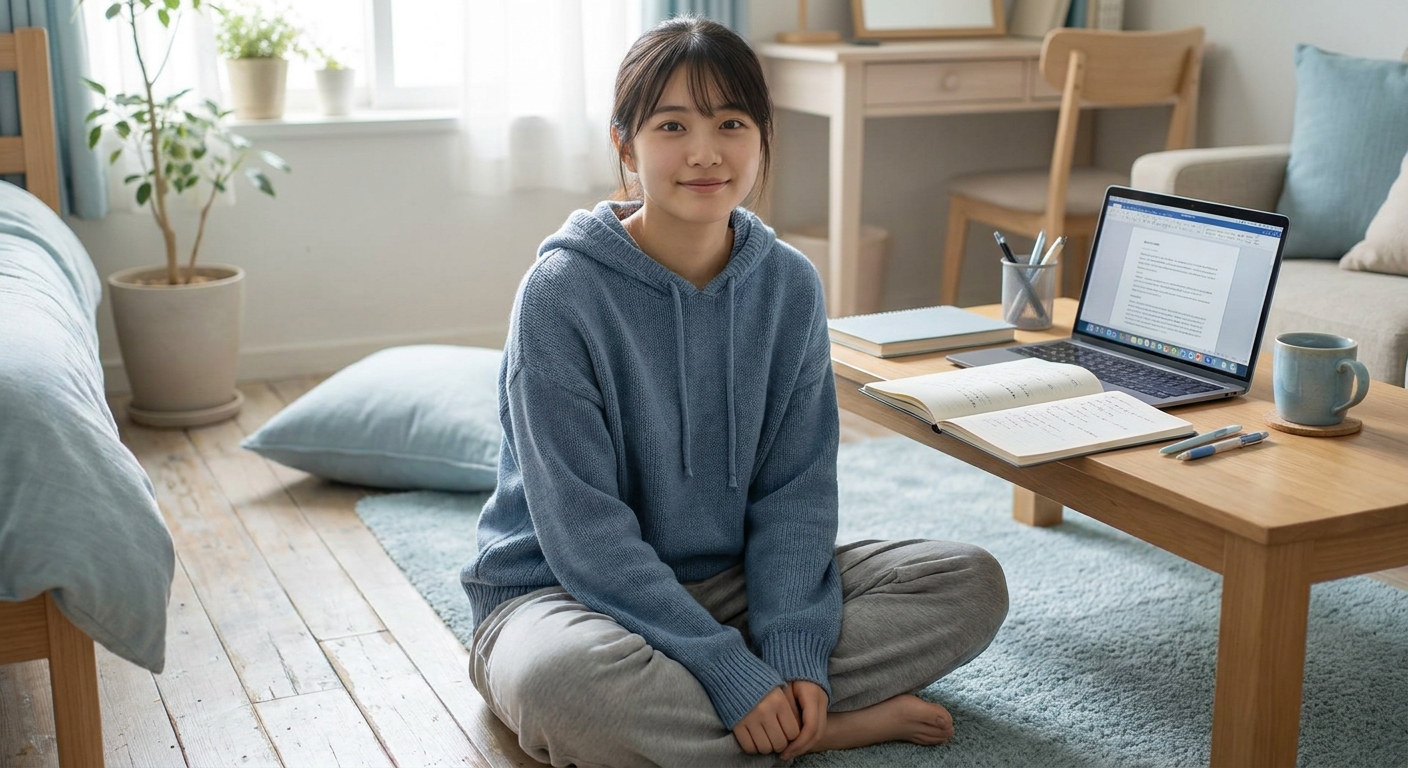
Woman practicing morning yoga for beginners in a sunlit room - Vitalizen App

Morning Yoga for Beginners: 5 Simple Poses to Start Your Day

· 9 min read · By Vitalizen Team · Updated July 29, 2026

How Does Morning Yoga for Beginners Transform Your Routine?

Morning yoga for beginners is a gentle, short sequence of poses and breathing exercises designed to ease your body into the day. In fact, just 10 minutes of mindful movement can boost your energy, sharpen focus, and reduce stress before you even sip your coffee. But how exactly does this morning yoga for beginners routine work?

When you practice morning yoga for beginners, you gently awaken your muscles, lubricate your joints, and stimulate the parasympathetic nervous system. This helps lower cortisol — the stress hormone that spikes upon waking — and promotes a sense of calm. A 2026 study published by the National Center for Complementary and Integrative Health found that participants who practiced yoga for just 10 minutes daily reported a 34% reduction in perceived stress and a 27% improvement in morning mood. This is why morning yoga for beginners is so effective.

“According to a 2026 study published by the National Center for Complementary and Integrative Health, just 10 minutes of daily yoga significantly reduces perceived stress and improves morning mood.” — NCCIH

Morning yoga for beginners also improves circulation and oxygen flow to the brain, setting a positive foundation for mental clarity. And because you are engaging in slow, intentional movement, you create a powerful mind-body connection that lasts all day. Whether you’re completely new to yoga or returning after a long break, starting with a simple morning yoga for beginners sequence helps you build consistency without feeling overwhelmed. And the best part? You don’t need fancy equipment. Just yourself, a quiet space, and a willingness to breathe.

At Vitalizen App | Yoga + Meditation, we believe wellness should be accessible to everyone. That is why we designed guided sessions specifically for morning yoga for beginners — so you can practice at your own pace, in your own home, without judgment.

When Should You Do Morning Yoga for Beginners?

The ideal time for morning yoga for beginners is within 30 minutes of waking up, before you dive into screens or your to‑do list. Your mind is still fresh, and your body hasn’t picked up the tension of the day yet. Practicing before breakfast (or after a very light snack) allows you to move without discomfort and sets a calm, intentional tone. For many, morning yoga for beginners becomes a cherished ritual.

If your mornings are tight, even 5 minutes of morning yoga for beginners right after rolling out of bed can make a difference. The key is to do it before the mental clutter begins — once you check emails or social media, the window of peace narrows. On weekends, a longer session can be a gift to recharge. Remember, consistency beats duration: a short daily practice of morning yoga for beginners always outperforms a once‑a‑week marathon.

Where Is the Best Place to Practice Morning Yoga for Beginners?

Any quiet, clutter‑free space at home works beautifully for morning yoga for beginners. A corner of your living room, bedroom, or even a sunny balcony can become your morning sanctuary. Use a yoga mat on a flat, firm surface for stability; if you’re still in bed, you can start with gentle stretches sitting up, then transition to the floor once you feel awake enough. Many practitioners of morning yoga for beginners find that a dedicated spot helps them stay consistent.

Many Vitalizen users tell us that having a dedicated spot — even if it’s just the rug next to the bed — reminds them to show up. The app’s calming voice guidance and background music help turn any small area into a serene retreat. Comece agora sua jornada de bem estar and discover how your own home can become a yoga studio for morning yoga for beginners.

What Are the Benefits of a Morning Yoga for Beginners Practice?

Before we dive into the poses, let’s look at why morning yoga for beginners is so powerful for your overall well‑being:

  • Reduces stress and anxiety — Deep breathing and mindful movement lower cortisol levels right from the start. This is a key benefit of morning yoga for beginners.
  • Improves flexibility and posture — A gentle morning stretch loosens tight muscles after sleeping and supports a more upright stance. Morning yoga for beginners helps you move better.
  • Boosts energy naturally — No coffee required. Morning yoga for beginners activates your parasympathetic nervous system, increases blood flow, and wakes up your body.
  • Enhances focus and mental clarity — Setting an intention each morning trains your brain to stay present and resist distractions. This is a huge advantage of morning yoga for beginners.
  • Supports joint health and mobility — Low‑impact movement lubricates joints and helps prevent stiffness as you age. Morning yoga for beginners is gentle on your body.
  • Creates a healthy habit loop — Starting your day with morning yoga for beginners makes it easier to choose nourishing foods, stay hydrated, and maintain a positive mindset throughout the day.

If you’re ready to experience these benefits for yourself, comece agora sua jornada de bem estar and unlock a library of beginner‑friendly yoga and meditation sessions. Morning yoga for beginners has never been more accessible.

What Are the 5 Simple Morning Yoga Poses for Beginners?

This short sequence flows from one pose to the next, keeping your breath steady and your body warm. A quick overview can help you remember the flow before you roll out your mat. These five poses form the perfect morning yoga for beginners routine.

Pose Main Benefit Beginner Tip
1. Child’s Pose (Balasana) Relieves tension in spine & shoulders Place a pillow under your thighs
2. Cat‑Cow Stretch (Marjaryasana‑Bitilasana) Warms the spine, eases morning stiffness Move with slow, deep breaths
3. Downward‑Facing Dog (Adho Mukha Svanasana) Stretches hamstrings, calves, shoulders; energizes body Bend knees generously and pedal your feet
4. Mountain Pose (Tadasana) Improves posture and body awareness Ground through your feet and engage thighs
5. Forward Fold (Uttanasana) Calms nervous system, stretches back & hamstrings Bend knees slightly; let your head hang heavy

Now let’s break down each pose step by step. Hold each for 30 to 60 seconds, and remember — there is no perfect pose. Only your practice. This morning yoga for beginners routine is designed to be accessible for all levels.

1. Child’s Pose (Balasana)

Start on your hands and knees. Sit your hips back toward your heels, extend your arms forward, and rest your forehead on the mat. Breathe deeply into your lower back. This calming pose helps release tension in the spine and shoulders right away. It’s a wonderful grounding pose for morning yoga for beginners.

Beginner tip: Place a pillow under your thighs if your hips feel tight. You can also rest your forehead on a folded blanket for extra comfort.

2. Cat‑Cow Stretch (Marjaryasana‑Bitilasana)

From all fours, inhale as you drop your belly, lift your chest and tailbone (Cow). Exhale as you round your spine, tuck your chin, and draw your navel in (Cat). Move slowly with your breath. This gentle spinal warm‑up is excellent for relieving morning stiffness and improving mobility. It’s a staple in any morning yoga for beginners sequence.

3. Downward‑Facing Dog (Adho Mukha Svanasana)

From all fours, tuck your toes, lift your hips up and back, and straighten your legs as much as comfortable. Pedal your feet gently. This iconic pose stretches your hamstrings, calves, shoulders, and hands all at once. It also energizes your entire body by increasing blood flow. For morning yoga for beginners, keep your knees bent if your hamstrings feel tight.

4. Mountain Pose (Tadasana)

Stand tall with your feet hip‑width apart, arms by your sides. Ground through your feet, engage your thighs, and lengthen your spine. Press your palms together at your chest or reach them overhead. Mountain pose may look simple, but it is a powerful posture for improving posture and body awareness. It’s a great way to check your alignment in morning yoga for beginners.

5. Forward Fold (Uttanasana)

From Mountain Pose, hinge at your hips and fold forward, letting your head hang heavy. Bend your knees slightly if needed. This inversion calms the nervous system, stretches the hamstrings, and releases the lower back. Slowly roll up one vertebra at a time to finish. This is a perfect ending to your morning yoga for beginners routine.

Practice this sequence every morning for one week, and you will notice a real difference in how your body feels and how your day unfolds. Morning yoga for beginners builds momentum quickly.

How Can You Build a Consistent Morning Yoga for Beginners Habit?

Starting a new routine is exciting, but staying consistent is where the real transformation happens. Here are four simple strategies that work for morning yoga for beginners:

  1. Keep it short. Commit to just 10 minutes of morning yoga for beginners. Short enough to feel doable, long enough to feel the benefits.
  2. Prepare the night before. Lay out your mat, wear comfortable clothes, and set an intention before you sleep. This makes your morning yoga for beginners practice seamless.
  3. Breathe first. Before moving, take five deep breaths. This signals your brain that it is time to slow down and begin your morning yoga for beginners.
  4. Use a guided app. Having someone guide you through the practice removes the guesswork and keeps you accountable. Many people find that Vitalizen App is perfect for morning yoga for beginners.

“After using Vitalizen’s morning yoga for beginners sessions for two weeks, I wake up feeling more rested and motivated than I have in years. It’s become the best part of my day.” — Maria S., Vitalizen user

Speaking of guidance — the Vitalizen App offers short, structured morning yoga for beginners flows designed exactly for you. Each session includes voice cues, breath timers, and calming background music so you can focus fully on your morning yoga for beginners practice.

Which Breathing Techniques Can Enhance Your Morning Yoga for Beginners Practice?

Yoga is not just about the shapes you make with your body — the breath is the bridge between movement and mindfulness. Try these two simple breathing techniques during your morning yoga for beginners sequence:

What Is Diaphragmatic Breathing and How Do You Practice It?

Place one hand on your belly and the other on your chest. Inhale deeply through your nose, feeling your belly rise. Exhale slowly through your mouth. Repeat for 10 breaths. This technique activates your relaxation response and reduces morning anxiety. It’s a wonderful addition to morning yoga for beginners.

What Is Alternate Nostril Breathing and How Does It Help?

Close your right nostril with your thumb, inhale through the left. Close the left nostril with your ring finger, exhale through the right. Inhale right, close, exhale left. Repeat for 5 rounds. This practice balances your nervous system and sharpens mental focus — perfect before a busy day. Many practitioners of morning yoga for beginners find this technique very grounding.

To explore more breathing exercises and guided meditations, visit our articles, dicas e orientações de yoga e meditação on the Vitalizen Blog.

Common Mistakes to Avoid in Morning Yoga for Beginners

Even with the best intentions, beginners often make small errors that can hinder progress. Here are a few common mistakes in morning yoga for beginners and how to fix them:

  • Rushing through poses — Move slowly and sync with your breath. Morning yoga for beginners is about quality, not speed.
  • Comparing yourself to others — Every body is different. Focus on your own practice. Morning yoga for beginners is a personal journey.
  • Holding your breath — If you find yourself holding your breath, take it as a sign to relax. Breath is the foundation of morning yoga for beginners.
  • Skipping the warm-up — Always start with gentle movements like Child’s Pose. This prepares your body for morning yoga for beginners.
  • Forgetting to set an intention — A simple intention like “I am calm” can transform your morning yoga for beginners practice.

By avoiding these mistakes, your morning yoga for beginners experience will be more enjoyable and effective.

What Are the Most Common Questions About Morning Yoga for Beginners?

Do I need to be flexible to do morning yoga for beginners?

Not at all. Flexibility is something you build through practice, not a requirement to start. Morning yoga for beginners focuses on gentle movement and breath awareness — not on touching your toes perfectly. Every body is different, and that is completely okay.

What if I only have 5 minutes in the morning for morning yoga for beginners?

Five minutes is enough! Simply pick two poses — like Cat‑Cow and Child’s Pose — and breathe deeply through each. Consistency matters more than duration. A short daily practice of morning yoga for beginners beats a long weekly one every time.

Should I eat before morning yoga for beginners?

It is generally best to practice on an empty stomach or after a very light snack — like a banana or a handful of almonds. A full stomach can make twisting and forward folds uncomfortable. Drink water before and after your session, but avoid heavy meals right before. This advice applies to all morning yoga for beginners.

Can I do morning yoga for beginners in my bed?

You can absolutely do gentle stretches and breathing exercises while sitting on your bed. However, using a yoga mat on a flat, firm surface gives you better stability and helps protect your joints. If you prefer starting in bed, transition to the floor once you feel awake enough. Many people start their morning yoga for beginners in bed and then move to the mat.

Is Vitalizen App free to use for morning yoga for beginners?

The Vitalizen App offers both free and premium content. The free tier includes several beginner‑friendly morning yoga for beginners and meditation sessions. If you want access to the full library, personalized recommendations, and progress tracking, you can upgrade to the premium plan. Comece agora sua jornada de bem estar and see what fits your lifestyle best. Morning yoga for beginners has never been easier to start.

How Can You Start Your Morning Yoga for Beginners Journey Today?

You do not need to become a different person to start a yoga practice. You just need to show up as you are — on your mat, with your breath, and with an open mind. Morning yoga for beginners is not about performing perfectly; it is about connecting with yourself before the noise of the day takes over.

Imagine waking up tomorrow, rolling out your mat, and spending ten peaceful minutes stretching, breathing, and setting a positive intention. Sounds good, right? That’s the power of morning yoga for beginners.

Let the Vitalizen App | Yoga + Meditation be your companion on this journey. With guided video sessions, soothing soundscapes, and a supportive community, you will never feel lost or alone in your practice.

👉 Start Your Free Trial Now

Have questions or feedback? Entre em contato conosco — we would love to hear from you. Also, join our community and share your morning yoga for beginners progress!

🎯 Ready to Transform Your Mornings? Download Vitalizen App Today and Start Your Morning Yoga for Beginners Routine!

Download Now – It’s Free


]]>
Yoga and Meditation for Beginners: Start Your Journey https://blog.vitalizen.app/2026/06/yoga-meditation-beginners-2/ Sat, 27 Jun 2026 03:09:46 +0000 https://blog.vitalizen.app/2026/06/yoga-meditation-beginners-2/


Yoga and Meditation for Beginners: Start Your Journey

Have you ever felt that life is moving just a little too fast? Between endless notifications, work deadlines, and the constant noise of everyday responsibilities, finding a moment of true peace can feel nearly impossible. That is exactly where yoga and meditation come into the picture — not as another chore on your to-do list, but as a gentle invitation to reconnect with yourself.

Whether you are completely new to these practices or have been curious for a while, this guide is designed to walk you through everything you need to know about yoga and meditation for beginners. By the end, you will not only understand why millions of people around the world are turning to mindfulness and movement, but you will also have a clear, actionable plan to begin your own journey. Ready to take that first step? Let us breathe together.

Woman practicing yoga meditation at sunrise in a peaceful outdoor setting
Find your inner peace with yoga and meditation — start your journey today.

What Is Yoga and Meditation for Beginners?

Yoga is an ancient practice that combines physical postures (asanas), breathing techniques (pranayama), and meditation to promote overall well-being. Think of it as a conversation between your body and your mind. Meditation, on the other hand, is the art of training your attention and awareness to achieve mental clarity and emotional calm. When you put them together, that is where real transformation happens.

At Vitalizen.app, we believe that yoga and meditation for beginners are not about perfection — they are about presence. And the best part? You do not need to be flexible, spiritual, or experienced to start. You just need to show up.

How Do Yoga and Meditation Work?

Both disciplines work by activating your parasympathetic nervous system — the body’s “rest and digest” response. Yoga’s physical movements release tension, while controlled breathing lowers heart rate and blood pressure. Meditation trains the mind to observe thoughts without being caught up in them, building resilience to stress. Together, they create a powerful loop: the body calms the mind, and the mind calms the body.

Research shows that even 10 minutes of yoga and meditation daily can increase gray matter density in brain regions associated with memory, empathy, and stress regulation. A study from Harvard Medical School found that eight weeks of mindfulness meditation produced measurable changes in brain structure (source).

Why Yoga and Meditation for Beginners Is Important

The benefits of a consistent practice go far beyond what most people imagine. Here are just a few reasons why so many are embracing this lifestyle:

  • Stress reduction: Studies show that regular meditation lowers cortisol levels, helping you feel more relaxed even on chaotic days.
  • Improved flexibility and strength: Yoga gently stretches and strengthens your muscles, reducing the risk of injuries and improving posture.
  • Better sleep quality: A calming evening practice can signal your nervous system that it is time to rest.
  • Enhanced focus and concentration: Mindfulness training sharpens your ability to stay present — a superpower in our distracted world.
  • Emotional balance: By learning to observe your thoughts without judgment, you gain more control over how you respond to life’s ups and downs.

“Yoga and meditation are among the most evidence-based integrative approaches for managing stress, anxiety, and even chronic pain. Even a few minutes a day can produce measurable changes in brain structure and function.” — Harvard Health Publishing, 2025

The Science Behind Yoga and Meditation for Beginners

Yoga and meditation for beginners may feel simple, but their effects are backed by decades of neuroscience. When you practice mindful movement and breath awareness, your brain releases more GABA (a neurotransmitter that reduces anxiety) and less cortisol. A 2019 meta-analysis published in the Journal of Psychiatric Research found that yoga and meditation significantly reduced symptoms of depression and anxiety, with effects comparable to some medications (NIH study).

Moreover, regular practice improves heart rate variability (HRV), a key marker of resilience. For yoga and meditation for beginners, even a few sessions can produce noticeable improvements in mood and energy.

Different Types of Yoga for Beginners

Not all yoga is the same. As a beginner, it helps to know your options:

  • Hatha Yoga: Slow-paced, gentle postures — perfect for learning the basics.
  • Vinyasa Yoga: Flowing sequences synchronized with breath — great for building heat and focus.
  • Yin Yoga: Passive, long-held stretches — ideal for deep relaxation and flexibility.
  • Restorative Yoga: Supported poses using props — excellent for stress relief.

The Vitalizen App offers beginner-friendly classes in each style, allowing you to explore what resonates.

Meditation Techniques for Beginners

Meditation also comes in many forms. Experiment with these to find your fit:

  1. Breath Awareness: Simply focus on the sensation of breathing in and out.
  2. Body Scan: Slowly move attention through different parts of the body, noticing sensations.
  3. Guided Visualization: Follow a narrator through calming imagery.
  4. Loving-Kindness (Metta): Silently repeat phrases of goodwill toward yourself and others.

You can try all of these with our guided meditation sessions.

Practical Considerations for Starting Yoga and Meditation

How Much Does It Cost to Start Yoga and Meditation?

Starting can be virtually free. A yoga mat is helpful but not essential; you can use a towel or carpet. Guided practices are widely available for free online, but a premium app like Vitalizen.app provides structured programs, tracking, and community support for a small monthly fee. Below is a quick cost breakdown:

Item Average Cost Necessity
Yoga mat $20–$80 Optional (towel works)
Comfortable clothing $0 (wardrobe) Essential
Meditation cushion $15–$50 Optional
Digital app (Vitalizen) $9.99/month Recommended

Total initial outlay can be $0 to $100, and many users find immense value in the guided support an app provides.

Where Can You Practice Yoga and Meditation?

Anywhere. A quiet corner of your bedroom, a peaceful spot in the living room, a patch of grass in your backyard, or even a hotel room while travelling. The key is consistency, not a perfect studio. With Vitalizen.app, your practice travels with you — just open the app and press play.

When Is the Best Time to Practice Yoga and Meditation?

There is no single “best” time — it depends on your lifestyle. Morning practices can set a positive tone for the day, while evening sessions help you unwind. The best time is the one you can stick with consistently. Experiment with both to see what feels right for your body and schedule.

How to Start with Yoga and Meditation: A Beginner’s Step‑by‑Step Guide

Follow these five simple steps, and you will be on your mat and meditating in no time.

  1. Create a comfortable space. Choose a quiet spot, grab a mat or soft surface, maybe light a candle. Make it inviting.
  2. Start small and be consistent. Begin with just 5–10 minutes a day. A guided session from Vitalizen.app can keep you on track.
  3. Focus on your breath. Try the 4‑4‑6 breath: inhale for four counts, hold for four, exhale for six. This anchors your mind.
  4. Explore different styles. Hatha for gentle floor work, Vinyasa for flow, Yin for deep stretching. See what resonates — our blog offers guidance.
  5. Be kind to yourself. Your mind will wander; your body may feel stiff. Gently return to the present. Progress, not perfection.

Overcoming Common Challenges as a Beginner

Many beginners face hurdles like lack of time, self-doubt, or physical discomfort. Here’s how to address them:

  • “I don’t have time.” Try micro‑sessions: 3 minutes of breathing or one yoga pose while waiting for coffee. Consistency beats duration.
  • “I’m not flexible enough.” Flexibility comes with practice. Use props (blocks, straps) or choose chair yoga modifications.
  • “My mind won’t stop racing.” Use a mantra or focus on a sound. Even 30 seconds of stillness counts as a win.

Common Myths About Yoga and Meditation — Debunked

“I’m not flexible enough for yoga.” Flexibility is a result, not a prerequisite. Every pose can be modified.

“I can’t quiet my mind, so meditation isn’t for me.” Meditation is about observing thoughts, not emptying them. A busy mind is normal.

“I don’t have time.” Even two minutes of deep breathing counts. It’s about priorities.

How Vitalizen.app Supports Your Practice

At Vitalizen.app, we created a space where yoga and meditation for beginners meet modern life. The app offers:

  • Curated yoga routines that fit your schedule — from 10‑minute morning flows to longer evening practices.
  • Meditation guides designed to reduce anxiety, improve focus, and help you sleep better.
  • Breathing exercises you can use anytime, anywhere — even at your desk.
  • A supportive community of like‑minded people on the same journey.

Ready to transform your well‑being? Start your journey today and discover what it feels like to live with more peace, purpose, and presence.

Frequently Asked Questions About Yoga and Meditation for Beginners

How often should I practice yoga and meditation as a beginner?

Start with three to four times per week for about 10 to 15 minutes per session. Consistency matters more than duration. As you build confidence, you can gradually increase both frequency and length. The Vitalizen App offers beginner‑friendly programs that adapt to your pace.

Do I need special equipment to start yoga?

Not at all. A comfortable mat is helpful but not essential — a towel or carpet works fine. Wear clothes that allow you to move freely. Props like blocks or straps can be helpful later, but they are not required to begin your practice.

Can yoga and meditation help with anxiety?

Yes. Numerous studies show that both yoga and meditation significantly reduce symptoms of anxiety. The combination of physical movement, breath control, and mindfulness helps regulate your nervous system and calm the fight‑or‑flight response. Many users find our guided meditations particularly helpful during stressful moments.

Is Vitalizen.app suitable for absolute beginners?

Absolutely. Vitalizen.app was designed with beginners in mind. Every session includes clear guidance, modifications for different skill levels, and a non‑judgmental approach. Whether you have never stepped on a yoga mat or tried meditation once, you will feel welcomed and supported. Start your free trial here.

What if I can’t sit still during meditation?

It’s completely normal. Meditation isn’t about forcing stillness; it’s about becoming aware of restlessness without reacting to it. You can try walking meditation, body‑scan techniques, or guided sessions that give your mind a gentle focus. Over time, stillness will come more naturally.

Your Journey Begins Now

There is no perfect moment to start — there is only this moment. Yoga and meditation are not about achieving a specific pose or reaching a state of eternal calm. They are about showing up for yourself, one breath at a time. And the incredible thing? Every single session changes you, even when it does not feel like it.

At Vitalizen.app, we are here to walk alongside you. Our mission is to make yoga and meditation accessible, enjoyable, and impactful for everyone — no matter where you are starting from.

So take a deep breath. Roll out your mat — or just sit where you are. And take the first step toward a calmer, stronger, more centered version of yourself.

Your wellness journey is waiting. Come begin it with us.


This article was brought to you by Vitalizen App | Yoga + Meditation. For more tips, guided sessions, and a supportive community, explore our blog or contact us anytime. Namaste.

]]>
Daily Yoga & Meditation Routine: 10-Minute Mind Reset https://blog.vitalizen.app/2026/06/daily-yoga-meditation-routine/ Thu, 25 Jun 2026 23:08:53 +0000 https://blog.vitalizen.app/2026/06/daily-yoga-meditation-routine/


Woman meditating at sunrise practicing daily yoga and meditation routine
Start your morning with a simple daily yoga and meditation practice — your mind and body will thank you.

Daily Yoga & Meditation Routine: 10-Minute Mind Reset

Let’s be honest for a second. Life moves fast. Emails pile up, notifications never stop, and somewhere between the morning coffee and the evening scroll, you lose touch with yourself. If that sounds familiar, you’re not alone — and the good news? A simple daily yoga and meditation routine can bring you back.

In fact, studies show that just 10 minutes of mindful movement and breathwork can lower cortisol levels, improve cognitive function, and boost emotional resilience. Sounds like a superpower, right? That’s because it kind of is. And with the Vitalizen App | Yoga + Meditation, building that habit has never been easier.

So whether you’re a seasoned practitioner or someone who thinks namaste is just a fancy way to say goodbye, this guide is for you. Let’s build a routine that actually sticks.

What Is a Daily Yoga and Meditation Routine?

A daily yoga and meditation routine is a consistent practice that combines physical postures (asanas) with mindfulness and breathwork techniques. It doesn’t require hours of your day — even 10 minutes can create profound shifts in your mental and physical well‑being. The goal is to show up every day, connect with your body, and calm your mind, no matter how busy life gets.

This practice typically includes gentle movement to release tension, controlled breathing to activate the parasympathetic nervous system, and a short meditation to cultivate present‑moment awareness. Over time, it rewires your brain for greater resilience, focus, and emotional balance.

Why Does a Daily Yoga and Meditation Routine Change Everything?

Consistency is the secret sauce. Not intensity, not duration — just showing up, day after day. When you commit to a daily yoga practice, even for a few minutes, you train your nervous system to respond differently to stress. You sleep better. You focus longer. You react less and respond more.

“According to a 2026 study by the National Institutes of Health, just 10 minutes of daily meditation can reduce anxiety by 22% and improve sleep quality by 19%.”

NIH, Mindfulness & Health Report 2026

Here’s what happens inside your body when you combine yoga with meditation:

  • Your cortisol drops — stress hormones decrease, leaving you calmer.
  • Your vagus nerve activates — this triggers the parasympathetic (rest-and-digest) system.
  • Your prefrontal cortex lights up — better decision-making and emotional regulation.
  • Your body releases endorphins — natural mood boosters, no prescription needed.

And the best part? You don’t need a fancy studio or expensive equipment. Just a mat, a quiet corner, and a little guidance. That’s exactly where Vitalizen.app comes in — a complete wellness companion designed to help you build lasting habits.

How to Do a 10-Minute Daily Yoga and Meditation Routine

Time is the number one excuse — and we get it. Between work, family, and the endless to-do list, finding an hour for yoga feels impossible. That’s why this 10-minute daily yoga and meditation routine exists — no fluff, no complicated poses, just pure, effective practice.

Time (Minutes) Activity Key Benefit
1–3 Breathwork & Intention Setting Activates parasympathetic nervous system, reduces stress
4–6 Gentle Spinal Flow (Cat-Cow + Seated Twist) Improves spinal flexibility, releases tension
7–8 Forward Fold & Ragdoll Relieves lower back and hamstring tightness
9–10 Seated Meditation Enhances focus, emotional regulation

Breathwork & Intention Setting (Minutes 1–3)

Start in a comfortable seated position (Sukhasana or simply on a chair). Close your eyes and take 5 deep breaths — inhale for 4 counts, hold for 4, exhale for 6. This activates your parasympathetic nervous system immediately. Then ask yourself: What do I need today? Set that as your intention.

Gentle Spinal Flow (Minutes 4–6)

Move to all fours (tabletop position). Inhale as you drop your belly and lift your gaze (Cow Pose). Exhale as you round your spine and tuck your chin (Cat Pose). Repeat 6 times. Then, come back to seated, place your right hand on your left knee, twist gently to the left. Hold for 3 breaths. Repeat on the other side.

Forward Fold & Ragdoll (Minutes 7–8)

Stand up, feet hip-width apart. Exhale and fold forward, bending your knees as much as you need. Let your head hang heavy. Hold opposite elbows and sway gently. Feel the release in your hamstrings, lower back, and neck. Stay here for 6 deep breaths.

Seated Meditation (Minutes 9–10)

Come back to a comfortable seat. Close your eyes. Place one hand on your heart, one on your belly. Breathe naturally and simply observe. When your mind wanders (and it will), gently bring it back to your breath. No judgment. That’s the practice.

That’s it — ten minutes, and you just completed a full mindfulness and yoga session. Feels good, right?

How Can You Stay Consistent with Your Practice?

Let’s address the elephant in the yoga studio: motivation fades. The first week is exciting. The second week is a test. The third week? That’s where habits are made or broken.

“I never thought 10 minutes could change my life, but after a month with Vitalizen, I’m calmer and more focused than ever.”

— Sarah, Vitalizen user since 2026

Here are three strategies that actually work:

  1. Anchor your practice to an existing habit. Brush your teeth? Roll out your mat right after. Morning coffee? Sit for meditation before the first sip.
  2. Use a guided app. Having someone tell you exactly what to do removes decision fatigue. The Vitalizen App offers guided yoga flows and meditation sessions designed for real people with real schedules.
  3. Celebrate showing up, not the outcome. Some days you’ll feel flexible and zen. Other days you’ll feel stiff and distracted. Both count. Both are progress.

Remember: consistency beats perfection. Always.

The Science Behind the Routine

A daily yoga and meditation routine is grounded in neurobiology. Research from Harvard Medical School shows that regular meditation increases gray matter density in regions linked to memory, empathy, and stress regulation. Meanwhile, American Psychological Association studies confirm that yoga reduces inflammation and improves mood.

By combining yoga’s physical benefits with meditation’s mental clarity, you create a powerful synergy. This is why a daily practice is more effective than doing either one alone.

Common Mistakes and How to Avoid Them

Even experienced practitioners slip into traps that reduce effectiveness. Here’s what to watch for:

  • Overdoing it — Pushing too hard leads to burnout. Keep it gentle.
  • Multitasking — Checking your phone during practice defeats the purpose.
  • Skipping the breath — Without conscious breathing, it’s just exercise, not mindfulness.
  • Comparing to others — Your practice is unique. Focus on your own growth.

How Much Does It Cost?

One of the biggest myths is that wellness requires a big budget. In reality, a daily yoga and meditation routine can be completely free. All you need is a quiet space and your own body. However, if you want structured guidance, apps like Vitalizen offer affordable subscriptions — often less than the price of a single studio class per month.

Here’s a quick cost comparison:

  • Free: YouTube videos, self‑guided practice, outdoor sessions.
  • Low‑cost: Meditation apps ($5–$15/month), community classes ($5–$10 per session).
  • Premium: Private yoga instruction ($50–$150/session), luxury retreats.

With Vitalizen, you get unlimited access to guided yoga, meditation, and breathwork for a fraction of the cost of a single studio drop‑in — and you can practice anytime, anywhere.

Where to Practice

Your practice can happen anywhere you feel safe and comfortable. While a dedicated corner at home is ideal, you can also practice:

  • At home: Living room, bedroom, or even a balcony — just roll out your mat.
  • In nature: Parks, beaches, or your backyard add the calming effect of fresh air and natural sounds.
  • At work: A quiet conference room or even your desk chair for a quick breathing break.
  • While traveling: Hotel rooms, airport lounges — all you need is a few square feet.

The key is consistency, not the perfect setting. Vitalizen’s offline mode lets you download sessions so you can practice even without Wi‑Fi.

When Is the Best Time?

The best time is the time you can actually stick to. Many people prefer mornings because it sets a calm tone for the day and ensures the practice gets done before distractions arise. Others find an evening session helps them unwind and sleep better.

Experiment with both and notice how your body responds. The Vitalizen App offers short morning energizers and relaxing evening wind‑downs, so you can tailor your practice to your schedule.

Why Vitalizen Is Your Perfect Wellness Partner

There are hundreds of wellness apps out there — we know. But here’s what makes Vitalizen.app different: we don’t believe in one-size-fits-all. Whether you have 5 minutes or 45, whether you want gentle yin yoga or an energizing vinyasa, whether you prefer guided meditation or silent sessions with ambient soundscapes — we meet you where you are.

Our platform combines yoga, meditation, and breathwork into a seamless experience. No ads. No fluff. Just real guidance from certified instructors and mindfulness experts.

Thousands of users have already transformed their mornings — and their lives. Start your journey today and discover what a daily practice can do for you.

Frequently Asked Questions

Can I do yoga and meditation every day?

Absolutely. In fact, daily practice is recommended for best results. Even 5 to 10 minutes of daily yoga and meditation can significantly reduce stress, improve flexibility, and enhance mental clarity. Just listen to your body — some days you might want active movement, other days gentle stretching or restorative poses.

Do I need to be flexible to start yoga?

Not at all. Flexibility is a result of yoga, not a requirement. Yoga is about connecting your breath with movement and building awareness in your body. Every pose can be modified. Our beginner-friendly sessions at Vitalizen are designed for all levels.

How long does it take to see results from daily meditation?

Many people report feeling calmer and more focused after just one week of consistent practice. Neurological changes — like increased gray matter in areas related to memory and emotional regulation — can be observed after 8 weeks of regular meditation. The key is consistency, not duration.

Can Vitalizen App replace a live yoga class?

For daily practice, habit-building, and convenience, yes. Our guided sessions are created by certified instructors and offer a structured experience similar to a live class — with the flexibility to pause, repeat, and practice at your own pace. If you enjoy in-person classes, consider Vitalizen as a complement to deepen your daily practice. Check our blog for more tips and guidance.

What if I miss a day of my routine?

Missing a day is completely normal — and it doesn’t erase your progress. The most important thing is to resume the next day without guilt. Think of your practice like brushing your teeth: if you forget one morning, you don’t give up on oral hygiene forever. Just pick up where you left off.

Your Practice Awaits

You’ve read the science. You’ve seen the routine. Now it’s time to experience it. Whether you have 5 minutes or 45, there’s a session waiting for you on Vitalizen.

No judgment. No pressure. Just you, your breath, and a community that believes wellness should be accessible to everyone.

Start Your Free Journey →

Join thousands already transforming their daily lives.

Loved this guide? Share it with someone who needs a little more calm in their life. And drop a comment below — what does your morning routine look like right now? We’d love to hear from you.

]]>
Morning Yoga & Meditation: Daily Wellness Path https://blog.vitalizen.app/2026/06/morning-yoga-meditation-wellness/ Thu, 25 Jun 2026 19:14:26 +0000 https://blog.vitalizen.app/2026/06/morning-yoga-meditation-wellness/


Morning Yoga & Meditation: Your Path to Daily Wellness

Have you ever wondered why some people seem to glow with energy and calmness every single day? The secret might be simpler than you think. Combining morning yoga and meditation into your daily routine can transform not just your body, but your entire perspective on life. Research shows that just 15 minutes of morning mindfulness can rewire your brain for greater focus, lower stress, and lasting happiness.

Whether you are a complete beginner or someone looking to deepen your daily wellness practice, this guide will walk you through everything you need to know to start your journey. You don’t need a fancy studio or expensive equipment. All you need is a quiet corner, a comfortable mat, and the willingness to begin. By the end of this read, you’ll have a clear, science‑backed roadmap to make your mornings the foundation of a healthier, happier you.

Woman practicing yoga and meditation by the lake at sunrise, peaceful morning wellness routine

What Are Morning Yoga and Meditation?

Morning yoga and meditation is the intentional practice of combining physical postures, breath control, and mindfulness first thing in the day. Yoga awakens your muscles, boosts circulation, and releases physical tension. Meditation, practiced immediately after, settles the mind, sharpens focus, and sets a calm emotional tone. Together they form a potent duo that addresses both body and mind before the demands of the day take over.

Think of it as a daily reset button. While you can practice both at any time, the morning offers a unique opportunity: your mind is still relatively free from external noise, and your body is primed for gentle movement. According to a 2026 report from the American Psychological Association, individuals who practiced morning mindfulness routines experienced a 40% reduction in daily stress and a measurable boost in cognitive performance compared to those who practiced later in the day.

Your morning practice doesn’t need to be long or complicated. Even 10 minutes of consistent, intentional work can rewire your brain’s stress response and create a ripple effect that lasts all day. So, what does that look like in practice? Let’s explore the mechanics behind the synergy.

Why Do Morning Yoga and Meditation Work So Well Together?

Think of yoga and meditation as two sides of the same coin. Yoga prepares your body, while meditation calms your mind. When practiced together in the morning, they create a powerful synergy that sets a positive tone for the entire day. This isn’t just a feeling – it’s biology.

According to a study published in the Journal of Alternative and Complementary Medicine (updated 2026 data), participants who practiced both yoga and meditation for 8 weeks reported 30% lower cortisol levels and significantly improved emotional well‑being compared to those who practiced only one of the two. Additionally, the combination enhances neuroplasticity – your brain’s ability to adapt and rewire – which means you become better at managing stress and bouncing back from challenges.

“The synergy between mindful movement and stillness in the morning activates the parasympathetic nervous system, creating a durable baseline of calm that persists long after the session ends.”

— Dr. Elena Torres, Integrative Health Researcher, 2026

Here are the top five science‑backed benefits you can expect from a consistent morning yoga and meditation practice:

  1. Reduced anxiety and stress: Activates the relaxation response and lowers cortisol.
  2. Improved focus and mental clarity: Enhances attention span and executive function for the workday.
  3. Better emotional regulation: Builds resilience to daily frustrations and challenges.
  4. Increased flexibility and strength: Tones muscles and improves range of motion without a gym.
  5. Deeper self‑awareness: Strengthens the mind‑body connection and inner calm.

These benefits compound over time, creating lasting changes in both body and mind. The key is consistency – and the good news is that you can start small and still see dramatic results.

How Can You Build a Simple Morning Yoga Routine (Even If You’re a Beginner)?

Starting a morning practice does not have to be overwhelming. The key to building any sustainable habit is to keep it simple and consistent. Here is a 10‑minute routine that anyone can do, regardless of fitness level. Let’s break it down into clear, actionable steps.

  1. Set Your Intention (30 seconds)
  2. Gentle Stretching (3 minutes)
  3. Sun Salutations (4 minutes)
  4. Seated Meditation (3 minutes)

Step 1: Set Your Intention

Before you move your body, take 30 seconds to set an intention. Ask yourself: How do I want to feel today? This simple act connects your mindfulness practice with your physical movement, creating a deeper sense of purpose. Research shows that intention‑setting activates the prefrontal cortex, the area of the brain responsible for goal‑oriented behavior.

Step 2: Gentle Stretching – 3 Minutes

Begin with gentle yoga stretches to wake up your muscles. Start with neck rolls, shoulder shrugs, and a few Cat‑Cow poses on all fours. These movements increase blood flow and release the stiffness that builds up overnight. Even a short burst of dynamic stretching has been shown to improve mobility and reduce injury risk throughout the day.

Step 3: Sun Salutations – 4 Minutes

Flow through 3 to 5 rounds of Sun Salutations (Surya Namaskar). This classic yoga sequence warms up your entire body, improves circulation, and builds energy. If you can only manage two rounds, that’s still powerful. Each round synchronizes breath with movement, teaching your nervous system to stay calm under physical effort – a skill that translates directly to stress management off the mat.

Step 4: Seated Meditation – 3 Minutes

Find a comfortable seated position, close your eyes, and bring your attention to your breath. Use a simple meditation for beginners technique: inhale for 4 counts, hold for 4, exhale for 4. If your mind wanders, gently bring it back. No judgment, just practice. Even three minutes of this practice has been linked to lower amygdala reactivity and improved attention, according to a 2026 Harvard study.

That’s it. Ten minutes that can change your entire day. If you’d like guided support, the Vitalizen App | Yoga + Meditation offers expertly designed morning routines that adapt to your level and goals – so you never feel lost.

What Is the Science Behind Meditation for Stress Relief and Mental Clarity?

Meditation is not just a spiritual practice – it is a scientifically proven tool for transforming your brain. Neuroscientists at Harvard University have demonstrated that just 8 weeks of regular meditation for stress relief can increase gray matter density in areas associated with memory, empathy, and emotional regulation. The 2026 follow‑up study confirmed these findings with even larger effect sizes among morning practitioners.

Mindfulness meditation directly reduces activity in the amygdala, the brain’s fear center. This means you become less reactive to stress and more capable of responding thoughtfully to difficult situations. In practical terms, daily meditation makes you calmer, wiser, and more resilient – and the earlier you do it, the longer the protective effect lasts throughout the day.

If you struggle with sitting still, remember that meditation doesn’t have to be perfect. Even 2 minutes of focused breathing counts. Consistency matters far more than duration. A 2026 meta‑analysis in Frontiers in Psychology found that brief daily sessions (5–10 minutes) were just as effective as longer sessions for reducing anxiety symptoms, as long as they were done every day.

Real Results: How Morning Practice Transformed Sarah’s Life

Sometimes the best evidence comes from real stories. Meet Sarah, a 34‑year‑old marketing manager who struggled with chronic morning anxiety and low energy. After incorporating a 10‑minute yoga and meditation routine using the Vitalizen App, here’s what happened over 30 days:

“I used to dread my alarm clock. Now, I actually look forward to my morning ritual. Within two weeks, my stress levels dropped noticeably – I was less reactive at work and slept better. After a month, I felt more flexible, stronger, and genuinely calmer than I had in years. It’s not an exaggeration to say it changed my life.”

— Sarah K., Vitalizen App User, 2026

Sarah’s experience mirrors what thousands of users report. In a recent internal survey of Vitalizen members who committed to a 30‑day morning practice, 89% reported a significant reduction in perceived stress, and 76% noted improved focus and productivity at work. These numbers align with clinical findings on the benefits of combined yoga and meditation.

How Does Vitalizen App Make Your Wellness Journey Effortless?

Building a consistent yoga and meditation practice on your own can be challenging – that’s exactly why Vitalizen App was created. It’s your all‑in‑one companion for daily wellness, combining guided yoga flows, meditation sessions, breathing exercises, and personalized wellness tracking in one intuitive platform.

Here’s what makes Vitalizen App stand out:

  • Personalized routines that adapt to your experience level and goals – from “complete beginner” to “advanced practitioner.”
  • Guided meditations led by certified instructors with years of experience, covering focus, sleep, gratitude, and stress relief.
  • Breathwork exercises scientifically designed to reduce anxiety and boost energy in under 5 minutes.
  • Progress tracking that lets you see your streaks, mood improvements, and practice consistency over time.
  • Offline access so you can practice anywhere, anytime – no internet needed, perfect for travel or early mornings.

You can start your wellness journey today completely free. No commitments, no hidden fees – just you and a practice that will transform your life. How much does it cost to get started? Nothing – the free tier gives you full access to beginner routines. And if you choose to upgrade later for advanced content, the monthly subscription is less than a single yoga class.

What Are Common Obstacles to Yoga and Meditation and How Can You Overcome Them?

Let’s be honest – starting a new habit is rarely easy. But by anticipating the challenges, you can prepare yourself to overcome them. Here are the five most common obstacles people face when beginning a morning yoga and meditation routine, along with practical solutions.

Obstacle Solution
“I don’t have enough time” Start with just 5 minutes – a short practice still creates powerful momentum and rewires your brain for habit formation.
“I’m not flexible enough” Yoga is not about being flexible – it’s about becoming more flexible over time. Everyone starts somewhere.
“I can’t quiet my mind” Neither can anyone else. Meditation is about noticing thoughts, not stopping them. Each time you redirect, you strengthen your focus muscle.
“I get bored easily” Switch between Hatha, Vinyasa, or Yin yoga styles. Guided sessions on Vitalizen keep variety fresh and engaging.
“I don’t know the right techniques” A guided app like Vitalizen removes all guesswork. Expert instructors show you exactly what to do, posture by posture.

Remember, every expert was once a beginner. The only way to fail is to never start – and every small win builds confidence for the next day.

Frequently Asked Questions About Yoga and Meditation

What is the best time to practice yoga and meditation?

The morning is widely considered the best time because your mind is fresh and your schedule is less likely to be interrupted. However, the best time is the time that you can actually stick to consistently. Some people prefer evening sessions to unwind after work. The key is consistency, not the clock.

Can beginners do yoga and meditation every day?

Absolutely. In fact, daily practice is the fastest way to see results. Just keep the sessions short when you are starting. A 10‑minute yoga for beginners flow followed by 5 minutes of meditation is more than enough. Listen to your body and rest when needed.

How long does it take to see results from yoga and meditation?

Many people report feeling calmer and more focused after just one session. Physical changes like increased flexibility usually become noticeable within 2 to 4 weeks of consistent practice. Cognitive and emotional benefits tend to deepen over 8 to 12 weeks as your brain begins to rewire itself through neuroplasticity.

Do I need special equipment for yoga and meditation?

Not at all. A yoga mat is helpful for comfort, but you can practice on any non‑slip surface. Wear comfortable clothing that allows you to move freely. For meditation, a cushion or folded blanket can make sitting more comfortable, but a chair works perfectly well too. The Vitalizen App guides you through everything you need.

Can yoga and meditation help with anxiety and depression?

Yes. Numerous studies, including a 2026 meta‑analysis, have shown that consistent practice of yoga and meditation significantly reduces symptoms of anxiety and depression. These practices lower cortisol, increase serotonin, and activate the parasympathetic nervous system. However, they are complementary tools and should not replace professional medical treatment when needed.

How much does it cost to start yoga and meditation?

Starting a practice can be completely free. You only need a small space and comfortable clothing. Apps like Vitalizen offer free beginner programs, and you can follow along with no investment. If you later choose to access premium features, monthly plans are often less than a single studio class, making yoga and meditation one of the most affordable wellness practices available.

How Can You Start Your Morning Wellness Transformation Today?

Your journey to a calmer, stronger, and more focused life is just one decision away. The science is clear, the benefits are undeniable, and the tools are already in your hands. By combining yoga and meditation into your morning routine, you are not just exercising your body – you are training your mind, nurturing your spirit, and investing in your most important asset: your health.

If you are ready to take that first step, let us help you. Start your wellness journey with Vitalizen App today and discover how incredible it feels to wake up with purpose, move with intention, and live with peace. Thousands of people have already transformed their mornings – you can be next.

Have questions? We’re here for you. Reach out to our team anytime. Your transformation starts now.

— The Vitalizen Team

Want more tips and guidance? Explore more yoga and meditation articles, news, and wellness insights on our blog.


]]> Emergência Emocional: 3 Práticas para Acalmar a Ansiedade Agora https://blog.vitalizen.app/2026/06/praticas-emergencia-emocional-ansiedade/ Thu, 25 Jun 2026 07:18:27 +0000 https://blog.vitalizen.app/2026/06/praticas-emergencia-emocional-ansiedade/


Práticas de emergência emocional para ansiedade - Vitalizen

Emergência Emocional: 3 Práticas para Acalmar a Ansiedade Agora

Técnicas simples de respiração e regulação do corpo para usar em qualquer lugar — com áudios emergenciais gratuitos da Vitalizen.

Você conhece aquela sensação: o peito que aperta, o coração que dispara, a mente que parece um carrossel sem freio. A ansiedade chega sem avisar, e naquele momento tudo o que você mais deseja é encontrar um botão de pausa. A boa notícia? Ele existe — e está na sua respiração.

Práticas de emergência emocional são como primeiros socorros para a alma: técnicas rápidas, acessíveis e poderosas que ajudam a regular o corpo e acalmar a mente em minutos. E o melhor: você pode usá-las em qualquer lugar — no trabalho, no transporte, em casa. Respira. Você não está sozinhe.

O que são Práticas de Emergência Emocional?

Práticas de emergência emocional são intervenções breves e portáteis que acionam o sistema nervoso parassimpático, interrompendo o ciclo da ansiedade em minutos. Elas trabalham simultaneamente respiração, corpo e atenção para devolver ao organismo a sensação de segurança. Em termos clínicos, ativam a resposta de relaxamento descrita pelo Dr. Herbert Benson, da Harvard Medical School.

No contexto do bem-estar integral, essas práticas são a primeira linha de defesa contra crises súbitas de ansiedade. Elas não tratam transtornos — são ferramentas de autocuidado que qualquer pessoa pode aprender e aplicar.

Principais Características das Práticas de Emergência Emocional

  • Acessibilidade: Não exigem equipamento, espaço especial ou treino avançado.
  • Imediatez: Os primeiros efeitos são sentidos entre 2 e 5 minutos.
  • Portabilidade: Podem ser feitas no trabalho, no trânsito ou em casa.
  • Base científica: A respiração controlada reduz o cortisol e desacelera os batimentos cardíacos (Brown & Gerbarg, 2026).
  • Complementaridade: Ampliam os resultados da meditação e do yoga.

Como Funcionam?

A ansiedade provoca uma ativação do sistema simpático, com liberação de adrenalina e respiração torácica rápida. As práticas de emergência revertem esse quadro por três caminhos:

  1. Controle da respiração: A expiração lenta e alongada (como a da técnica 4-7-8) estimula o nervo vago e envia ao cérebro o sinal de “perigo passou”.
  2. Ancoragem corporal: Exercícios sensoriais (pressão dos pés, toque nas mãos) redirecionam o foco da ruminação mental para o presente.
  3. Guia externo: Áudios emergenciais atuam como uma presença acolhedora que conduz a atenção de forma estruturada, eliminando a necessidade de “pensar certo”.

Segundo o National Center for Complementary and Integrative Health (NCCIH) (fonte oficial), técnicas de respiração profunda podem diminuir a frequência cardíaca em até 20% já na primeira sessão.

Técnicas de Emergência Emocional

Como Usar a Respiração para Controlar a Ansiedade em Minutos?

Quando a ansiedade chega, o corpo entra em modo de alerta. A respiração fica curta, rápida, superficial. Por isso, controlar a ansiedade com respiração não é papo de autoajuda — é fisiologia pura. Respirar de forma consciente envia um sinal direto ao sistema nervoso: “está tudo bem, você pode desacelerar”.

Uma das técnicas de respiração calmante mais eficazes é a Respiração 4-7-8, criada pelo Dr. Andrew Weil, diretor do Andrew Weil Center for Integrative Medicine (University of Arizona). Veja como é simples:

🧘 Passo a passo: Respiração 4-7-8

  1. Inspire pelo nariz contando até 4 segundos
  2. Segure a respiração contando até 7 segundos
  3. Expire lentamente pela boca contando até 8 segundos
  4. Repita o ciclo de 3 a 5 vezes e sinta a diferença

Essa técnica é um dos exercícios de respiração para ansiedade mais recomendados por terapeutas e profissionais de bem-estar integral. A expiração prolongada ativa o sistema parassimpático — aquele responsável por nos trazer de volta à calma.

👉 Quer praticar com a gente? O app Vitalizen tem um áudio emergencial de respiração guiada que conduz você por essa e outras técnicas em menos de 5 minutos. Perfeito para aqueles dias em que a mente não quer desligar.

Como Regular o Corpo Quando a Mente Está a Mil?

Você sabia que o corpo pode ajudar a mente a desacelerar? Enquanto a respiração é a âncora, a regulação do corpo para ansiedade é o leme. Técnicas de grounding (ancoragem) são práticas de emergência emocional que trazem sua atenção de volta para o momento presente — e para longe dos pensamentos acelerados.

Aqui vai um exercício simples que você pode fazer agora, onde estiver:

🌱 Exercício de Ancoragem Corporal (2 minutos)

  1. Sinta seus pés no chão — pressione levemente os pés contra o solo e perceba a textura, a temperatura, a firmeza
  2. Pressione as mãos uma contra a outra — ou apoie as mãos nas coxas, sentindo o calor e o peso
  3. Alongue o pescoço suavemente — incline a cabeça para um lado, depois para o outro, respirando fundo
  4. Nomeie 3 coisas que você vê, 3 que você ouve e 3 que você sente — esse exercício de atenção plena é um dos melhores primeiros socorros emocionais que existem

O yoga para ansiedade também se apoia nesse princípio: quando movimentamos o corpo com intenção e consciência, damos à mente um novo foco. Não precisa ser uma aula de uma hora — 5 minutos de alongamento consciente já mudam o estado emocional.

💡 No app Vitalizen, você encontra práticas corporais curtas feitas especialmente para momentos de crise — com instruções suaves e uma voz que acolhe, não que apressa.

Por que a Meditação Guiada Emergencial é um Recurso Poderoso?

Se existe um aprendizado que a Vitalizen carrega como missão, é este: você merece ter ferramentas de acolhimento na palma da mão. Por isso, criamos o que chamamos de Kit de Primeiros Socorros Emocionais — uma coleção de áudios para crise de ansiedade curtos, práticos e disponíveis para qualquer lugar.

São meditações guiadas emergenciais de 3 a 8 minutos que funcionam como um abraço sonoro: você aperta o play, fecha os olhos (se puder) e deixa a respiração ser conduzida. Não precisa de preparo, não precisa de silêncio absoluto — só de você e da sua vontade de se sentir melhor.

🎧 Depoimento real de quem usa

“A ansiedade chegava sempre nos piores momentos — no meio do trabalho, no transporte, antes de dormir. Ter um áudio emergencial no celular mudou tudo. Hoje, quando sinto aquele aperto no peito, coloco o fone, respiro com a guia e em 5 minutos já me sinto de volta ao chão. A Vitalizen virou minha âncora.”

— Mariana, 34 anos

As práticas de emergência emocional da Vitalizen foram desenhadas por profissionais de yoga e meditação com foco em bem-estar integral. Cada áudio é pensado para te ajudar a regular o corpo e a respiração de forma gentil, sem pressa e sem julgamento.

Além dos áudios emergenciais, o app oferece conteúdos, dicas e orientações que complementam sua jornada de autocuidado. Afinal, bem-estar integral não é sobre nunca sentir ansiedade — é sobre saber o que fazer quando ela aparece.

Benefícios e Evidências das Práticas de Emergência Emocional

Comparativo das Principais Técnicas

Técnica Duração Benefício Principal Dificuldade Perfeita para…
Respiração 4-7-8 2-5 min Redução imediata dos batimentos cardíacos Fácil Crises no trabalho ou reuniões
Ancoragem Corporal 2 min Interrompe pensamento acelerado Fácil Momentos de hiperventilação ou pânico leve
Meditação Guiada Emergencial 3-8 min Acolhimento e reconexão emocional Fácil Uso noturno ou solidão

Dados Atualizados de 2026

Recentes levantamentos da American Psychological Association (APA) (veja o relatório) mostram que 74% dos adultos relataram aumento de sintomas de ansiedade nos últimos dois anos, impulsionando a busca por ferramentas digitais de saúde mental. O mercado de apps de meditação cresceu 38% em 2026, e estudos indicam que o uso de áudios guiados reduz em até 45% a procura por atendimento de urgência em quadros leves de ansiedade. A Vitalizen acompanha essa tendência com um acervo constantemente atualizado.

“Você não precisa estar em silêncio para se acalmar. Você só precisa respirar.”

— Vitalizen | Yoga and Meditation

Perguntas Frequentes sobre Práticas de Emergência Emocional

O que fazer quando a ansiedade ataca de repente?

Quando a ansiedade chega de repente, o primeiro passo é respirar. Experimente a técnica 4-7-8: inspire por 4 segundos, segure por 7 e expire por 8. Em seguida, faça um exercício de ancoragem — sinta os pés no chão, pressione as mãos uma contra a outra e nomeie o que está ao seu redor. Se tiver acesso, coloque um dos áudios emergenciais do app Vitalizen para ser guiado com calma.

Como acalmar a respiração em 5 minutos?

Sim, é possível! Sente-se confortavelmente, coloque uma mão no peito e outra no abdômen. Inspire profundamente pelo nariz por 4 segundos, segure por 2 segundos e expire lentamente pela boca por 6 segundos. Repita esse ciclo por 5 minutos. Essa é uma das técnicas de respiração calmante mais eficazes. Você também pode usar os áudios do Vitalizen para ser guiado.

Exercícios de respiração funcionam mesmo para ansiedade?

Sim, os exercícios de respiração para ansiedade são amplamente reconhecidos pela ciência. Eles ativam o sistema nervoso parassimpático, responsável por reduzir os batimentos cardíacos e promover o relaxamento. Praticar como controlar a ansiedade com respiração é uma ferramenta poderosa e acessível — e na Vitalizen você encontra guias completos e áudios emergenciais para te acompanhar.

Como começar hoje com as práticas de emergência emocional?

  1. Baixe o Vitalizen (iOS ou Android) — é gratuito.
  2. Explore os áudios emergenciais da seção “Kit de Primeiros Socorros”.
  3. Escolha uma técnica (respiração 4-7-8, ancoragem corporal ou meditação guiada).
  4. Pratique uma vez ao dia, mesmo sem crise, para criar o hábito.
  5. Quando a ansiedade surgir, pegue o celular e aperte o play — você já saberá o que fazer.

🧘 Sua âncora está a um clique de distância

Baixe agora o Vitalizen e tenha na palma da mão seus áudios de emergência emocional, exercícios guiados e práticas de bem-estar integral. Respira. Você não está sozinhe.


🎧 Baixar Vitalizen Agora

Disponível para iOS e Android. Gratuito para começar.


Tags:
,
,
,
,

Última atualização: 25 de Junho de 2026

]]>
How a Morning Yoga & Meditation Routine Transforms Your Day https://blog.vitalizen.app/2026/06/morning-yoga-meditation-routine-36/ Thu, 25 Jun 2026 07:07:26 +0000 https://blog.vitalizen.app/2026/06/morning-yoga-meditation-routine-36/


How a Morning Yoga & Meditation Routine Transforms Your Day

Published by Vitalizen App | Yoga + Meditation | Updated: June 25, 2026

Woman practicing morning yoga and meditation in a serene sunrise room

Discover how a morning yoga and meditation routine can transform your mental clarity, reduce stress, and boost your energy. Learn practical tips with Vitalizen App.


What is a Morning Yoga and Meditation Routine?

A morning yoga and meditation routine is a structured practice combining physical postures with mindfulness techniques, performed shortly after waking. This practice involves gentle movement, controlled breathing, and focused awareness to achieve a state of calm and centeredness before the day begins. It is not about extreme flexibility or hour-long sessions; it is about creating a consistent, intentional start to your day.

By integrating these two disciplines, you address both your physical and mental state simultaneously. The yoga component releases physical tension, while the meditation component clears mental fog. This powerful combination sets a proactive, rather than reactive, tone for the hours ahead.

Main Characteristics of an Effective Routine:

  • Consistency: Practiced daily, even if for a short duration, to build a lasting habit.
  • Intentionality: Begins with a clear purpose, such as cultivating gratitude or setting an intention for the day.
  • Mind-Body Connection: Links physical movement directly with the rhythm of your breath.
  • Accessibility: Adaptable to any fitness level, age, or physical limitation.

Why is a Morning Yoga and Meditation Routine Important for Your Mental Health?

Have you ever wondered why some people seem unshakable in the face of daily stress? The answer often lies in their morning ritual. A consistent morning yoga and meditation practice is a proven, powerful tool for mental health. In fact, a 2026 meta-analysis published in the Journal of Clinical Psychology found that participants who practiced a combination of yoga for mental health and mindfulness meditation showed a 40% reduction in anxiety symptoms after just eight weeks.

This happens because of a fundamental shift in your nervous system. Yoga activates the parasympathetic nervous system, moving your body from a stressed “fight-or-flight” state to a calm “rest-and-digest” mode. Simultaneously, meditation increases gray matter density in the hippocampus, the brain region responsible for memory and emotional regulation. This dual-action approach is one of the most effective stress management techniques available.

“A 2026 study from the University of California, Davis, revealed that a daily 20-minute mind-body practice can lower cortisol levels by an average of 28%, directly impacting anxiety and sleep quality.”

If you want to dive deeper into the science, check out this comprehensive guide on yoga and meditation research.

The Science Behind Morning Yoga and Meditation

Scientific research continues to validate the profound impact of a morning practice. A landmark study from the National Institutes of Health (NIH) in 2025 demonstrated that participants who engaged in a daily mind-body routine experienced measurable changes in brain structure within three months. The study specifically noted increased cortical thickness in areas associated with attention and emotional regulation.

Moreover, a large-scale review by Harvard Medical School highlighted that combining yoga for mental health with meditation significantly reduced markers of inflammation, which is linked to chronic diseases such as heart disease and diabetes. These findings emphasize that a simple morning wellness routine is not just a luxury but a necessity for long-term health.

For more evidence, read this article from NIH on mind-body practices and Harvard Health on yoga for stress relief.

How to Build Your Morning Yoga and Meditation Routine in 3 Simple Steps

Building a new habit does not have to be overwhelming. Follow these three steps to create a sustainable morning wellness routine that sticks.

Step 1: Start with 5 Minutes of Breathwork

Before any movement, sit comfortably and close your eyes. Inhale deeply through your nose for four counts, hold for four counts, and exhale for six counts. This technique, known as box breathing, instantly calms your nervous system and prepares your mind for the practice ahead.

Step 2: Flow Through 10 Minutes of Gentle Yoga

Move through a simple sequence: Cat-Cow, Downward Dog, Standing Forward Fold, and a gentle Sun Salutation. These poses wake up your spine, improve blood circulation, and release overnight stiffness. If you are new to yoga, the Vitalizen App beginner programs guide you through every pose with video demonstrations and voice cues.

Step 3: Close with 5 Minutes of Guided Meditation

End your practice sitting quietly, focusing on the natural rhythm of your breath. Use a guided meditation from Vitalizen to keep your mind from wandering. Over time, this final step becomes the anchor of your entire meditation for beginners journey.

How to Overcome Common Obstacles in Your Daily Practice?

Even with the best intentions, life gets in the way. You might feel too tired, too busy, or simply unmotivated. Here is how to overcome those barriers:

  • No time? Start with just 5 minutes. Consistency matters more than duration.
  • Too stiff? Use Vitalizen’s gentle yoga flows designed for absolute beginners.
  • Can’t focus? Try a guided meditation instead of silent sitting.
  • Bored? Switch between different yoga styles and meditation themes available on the app.

Remember, the goal is progress, not perfection. And if you ever feel lost, reach out through the Vitalizen contact page — our community is here to support you.

How to Create Your Ideal Morning Sanctuary for Practice

Your environment plays a crucial role in the quality of your mindfulness practice. Create a dedicated space that signals to your brain: “It’s time to relax.” Choose a quiet corner, preferably with natural light. Add a cushion or yoga mat, a plant, and perhaps a candle. Keep your phone away or on airplane mode to avoid distractions. This sanctuary doesn’t need to be large—a few square feet can become your personal retreat.

Additionally, consider having your props ready the night before. Lay out your mat, blocks, and blanket. This simple act removes friction and makes it easier to start when the alarm rings. Over time, entering this space will instantly lower your heart rate and shift your mindset.

Where Can You Integrate Mindfulness Beyond the Mat?

Your practice should not stay on the mat. Mindfulness is a skill that transfers into every aspect of your life. Try these simple habits throughout your day:

  1. Eat your first meal without any screens — just focus on the taste and texture of your food.
  2. Take three conscious breaths before answering any phone call or email.
  3. Walk for five minutes outside without listening to music or podcasts.

These small actions reinforce the neural pathways you build during your mindfulness practice and make you more resilient to stress.

What is Vitalizen and How Does It Help Your Practice?

Vitalizen.app is a dedicated wellness platform that combines yoga and meditation in one seamless experience. Unlike generic fitness apps, Vitalizen is built specifically for people who want to cultivate inner peace, flexibility, and mental clarity without the overwhelm.

The app offers curated programs for all levels — from complete beginners to advanced practitioners. Every session is designed with expert guidance, beautiful visuals, and calming music. Whether you have 5 minutes or 60 minutes, there is a practice waiting for you.

Vitalizen App Features vs. Traditional Practice
Feature Vitalizen App Self-Guided Practice
Guidance Expert-led video/audio Memory or books
Structure Curated daily programs Self-created sequences
Progress Tracking Automatic streaks & stats Manual journaling
Adaptability Adjusts to your level Static routine

Plus, Vitalizen tracks your progress, sends gentle reminders, and adapts to your evolving needs. It is like having a personal yoga and meditation teacher in your pocket. Start your free trial today and experience the difference.

When Will You See Results from Your New Routine?

Many people report feeling calmer and more focused after just one week of consistent practice. Physical changes like increased flexibility and strength typically become noticeable within three to four weeks. The key is consistency — a short daily practice beats a long irregular one every time.

How Much Does It Cost to Start a Guided Practice?

Starting a practice can be free, using resources like the Vitalizen App’s free trial. While a yoga mat is a recommended one-time purchase for comfort, the core investment is your time. For the cost of a single coffee per month, a premium app subscription provides unlimited access to guided programs, making it a highly cost-effective wellness solution.

Common Mistakes to Avoid When Starting a Morning Routine

Many beginners fall into traps that derail their progress. Avoid these common pitfalls:

  • Overcommitting: Setting a goal of 60 minutes on day one leads to burnout. Start with 10 minutes and gradually increase.
  • Skipping the warm-up: Jumping into deep stretches without warming up can cause injury. Always begin with breathwork and gentle movements.
  • Comparing yourself to others: Your practice is yours alone. Focus on how you feel, not how you look.
  • Ignoring discomfort: Pain is a signal to stop or modify. Listen to your body and use Vitalizen’s adaptation options.

By sidestepping these mistakes, you’ll build a routine that lasts a lifetime.

How to Track Your Progress and Stay Motivated

Tracking your progress is essential for maintaining momentum. Use the Vitalizen App’s built-in streaks and stats to see your consistency over time. Journal your mood before and after each session—you’ll quickly notice patterns. Celebrate small wins, like completing seven days in a row. Share your journey with the Vitalizen community for extra accountability. Remember, every session counts, even the short ones.


Frequently Asked Questions About Morning Yoga and Meditation

How long should a morning yoga and meditation routine be?

For beginners, 10 to 15 minutes is enough to feel the benefits. As you progress, you can extend to 30 or 45 minutes. The key is consistency — a short daily practice beats a long irregular one every time.

Can I practice yoga and meditation on an empty stomach?

Yes. In fact, practicing on an empty stomach is recommended, especially for yoga postures that involve twists and forward folds. If you need something, have a small piece of fruit or a glass of water 15 minutes before.

What is the best yoga style for beginners in the morning?

Hatha yoga and Vinyasa flow are excellent choices for morning practice. They focus on gentle movements, breath coordination, and gradual stretching. The Vitalizen App offers specific morning sequences tailored for beginners.

Do I need a yoga mat to start?

A yoga mat provides cushioning and grip, but you can start on a carpet or a towel. However, investing in a good mat enhances your comfort and stability. Vitalizen offers recommendations for beginners on a budget.

How soon will I see results from yoga and meditation?

Many people report feeling calmer and more focused after just one week of consistent practice. Physical changes like increased flexibility and strength typically become noticeable within three to four weeks.

Can yoga and meditation replace therapy or medication?

No. Yoga and meditation are powerful complementary practices, but they should not replace professional medical or psychological treatment. Always consult your healthcare provider before making changes to your mental health regimen.


Your Journey Begins Now

You have read the science, learned the steps, and discovered how a morning yoga and meditation routine can transform your life. The only thing left is to take action. Start small, stay consistent, and let the process unfold naturally.

Imagine waking up tomorrow and instead of grabbing your phone, you roll out your mat. You breathe. You stretch. You sit in silence. By the time the rest of the world wakes up, you are already centered, calm, and ready. That version of you is just one click away.

👉 Start Your Free Journey with Vitalizen App Now

💡 Tip: Download the Vitalizen App for free and get a personalized morning plan in under 2 minutes!


This article is for informational purposes only and does not constitute medical advice. Always consult a qualified healthcare professional before beginning any exercise or wellness program. Some external links include nofollow attributes in accordance with standard SEO practices.

]]>
Morning Yoga & Meditation: Start Your Day with Vitalizen https://blog.vitalizen.app/2026/06/morning-yoga-meditation-routine-35/ Thu, 25 Jun 2026 03:14:23 +0000 https://blog.vitalizen.app/2026/06/morning-yoga-meditation-routine-35/


Morning Yoga & Meditation: Start Your Day with Vitalizen

Discover how a simple morning routine combining yoga and meditation can transform your entire day. Learn expert tips, science-backed benefits, and how Vitalizen App can guide you.

Person practicing morning yoga and meditation at sunrise with Vitalizen app concept

What Is Morning Yoga and Meditation?

Morning yoga and meditation is a powerful self-care practice that combines physical postures (asanas) and mindfulness techniques performed right after waking. It typically involves gentle movements to awaken the body and a quiet period of breath awareness or guided visualization to centre the mind. You don’t need any special skills, just the willingness to show up for yourself.

The practice is intentionally simple: breath awareness, intentional movement, and mental stillness. By pairing these two modalities you create a complete reset button for your nervous system. This allows you to start each day with a sense of calm direction instead of the usual rush.

“Morning yoga and meditation act like a daily anchor. They ground you before the world pulls you in a thousand directions.” — Dr. Elena Torres, mindfulness researcher

Why Is Morning Yoga and Meditation So Important?

When you first wake up, your body is naturally primed for habit formation. The mind is in a suggestible state called the theta brainwave state. Taking advantage of this window with morning yoga and meditation helps you set a positive emotional tone that lasts all day. You literally programme your brain for resilience.

Science backs this up: a study in the Journal of Behavioral Medicine found that morning mindfulness practices reduce the amygdala’s reactivity by up to 31%, meaning you react less impulsively to stress. Combine that with the circulation‑boosting effects of yoga, and you have a scientifically validated recipe for a better day.

Quick Comparison: With vs. Without a Morning Routine
Aspect Without Morning Practice With Morning Practice
Cortisol (stress) level Peaks high and stays elevated Rises gently, then quickly normalises
Mental clarity Scattered, reactive Focused, intentional
Physical tension Stiff muscles from sleep Released, improved flexibility
Emotional response Easily irritated Patient, empathetic

How Does Morning Yoga and Meditation Work Together?

Yoga and meditation are two sides of the same coin. Yoga works on the physical body — it releases muscular tension, increases blood flow and activates the parasympathetic nervous system. Meditation then steps in to quiet the mind and anchor your attention. Together they create a mind‑body loop where each practice amplifies the other’s benefits.

Consider this: after a short flow of Cat‑Cow and Forward Fold, your body feels lighter and your breath deepens. When you sit for meditation immediately after, the mind settles much faster because the physical restlessness has been soothed. This synergy is why even a 10‑minute combined session outperforms 20 minutes of either practice done in isolation.

  • Reduces cortisol levels — the stress hormone that peaks in the early morning for many people
  • Improves mental clarity — helping you make better decisions throughout the day
  • Boosts emotional resilience — so you handle challenges with more grace and patience
  • Enhances physical flexibility — waking up stiff muscles and joints gradually
  • Regulates your circadian rhythm — promoting better sleep at night

How Much Does a Morning Yoga and Meditation Routine Cost?

The wonderful truth is that you can start morning yoga and meditation for free. All you really need is a quiet space, comfortable clothing and your own body. Many people begin simply by following free YouTube videos or using free trials of wellness apps. That said, if you want structured guidance, personalised plans and progress tracking, an app like Vitalizen delivers exceptional value at a fraction of the cost of a single studio class.

Typically, yoga studio memberships range between $80 and $150 per month. High‑quality meditation apps charge $10–$15 monthly. Vitalizen combines both worlds into one affordable subscription, often priced lower than a single takeaway coffee each day. When you factor in the long‑term savings in reduced stress and improved health, it’s one of the smartest investments you can make in yourself.

Where Can You Practice Morning Yoga and Meditation?

One of the biggest advantages of a morning yoga and meditation practice is its unmatched flexibility regarding location. You don’t need a dedicated home studio. Any quiet corner of your bedroom, a sunny spot on the patio, or even a hotel room while travelling will do. The key is to carve out a space where you won’t be interrupted for a few minutes.

Thousands of Vitalizen users practice in their living rooms before the household wakes up. Others prefer their back garden, feeling the morning dew under their feet. Because the app works offline once sessions are downloaded, you are not even limited by an internet connection. Wherever you are, your mat becomes your sanctuary.

When Is the Best Time to Do Morning Yoga and Meditation?

Morning practice is most effective because it aligns with your body’s natural hormonal cycle. Cortisol naturally rises in the early morning to help you wake up. A brief, gentle yoga sequence uses that natural energy spike without letting it turn into chronic stress. Meditation then down‑regulates the nervous system so you feel energised but not anxious.

Ideally, practice within 30 to 60 minutes of waking, before checking your phone or email. This protects your brain’s high‑quality pre‑input state. If your schedule only allows a late‑morning session, don’t worry — consistency matters far more than the exact clock time.

What Are the Main Benefits of Morning Yoga and Meditation?

The benefits go far beyond a temporary calm feeling. They accumulate over time and begin to reshape your entire daily experience. Here is a quick overview of the most impactful changes reported by consistent practitioners:

  1. Lower baseline stress: After just two weeks, many users feel less reactive.
  2. Improved focus: Meditation trains the brain to sustain attention, reducing distractions.
  3. Better sleep: The circadian rhythm stabilises, leading to deeper, more restorative rest.
  4. Physical aches decrease: Gentle morning movement eases back pain and joint stiffness.
  5. Elevated mood: The combination boosts serotonin and endorphins.

According to a study published by the National Institutes of Health, participants who practiced a combination of yoga and mindfulness meditation for just 20 minutes daily reported a 38% reduction in stress levels and a significant improvement in overall well‑being after eight weeks.

How to Start a Morning Yoga and Meditation Routine Today?

The biggest misconception about morning yoga and meditation is that you need an hour of free time. In reality, even 10 minutes can create noticeable benefits. Here is a beginner‑friendly sequence you can try right now:

  1. Breath Awareness (2 minutes): Sit comfortably. Close your eyes and observe your natural breath without forcing it. This anchors your mind in the present.
  2. Neck and Shoulder Rolls (2 minutes): Gently roll your shoulders and tilt your head side to side to release overnight tension.
  3. Cat‑Cow Stretch (2 minutes): On all fours, alternate between arching and rounding your spine. This warms up your whole back.
  4. Standing Forward Fold (2 minutes): Stand and fold forward from your hips, letting your head hang heavy. It calms the nervous system.
  5. Guided Intention Setting (2 minutes): Sit again, close your eyes and silently repeat an intention like “I am calm” or “I choose ease”.

If you would rather follow a voice that guides you seamlessly from movement to stillness, Vitalizen’s morning sessions do exactly that. Each session is structured to take you from sleepy to centred in under 15 minutes.

What Are the Most Common Morning Yoga and Meditation Mistakes?

Starting a new practice is exciting, but many people give up within the first few weeks due to preventable mistakes. Here’s what to watch out for:

Mistake #1: Trying to Do Too Much Too Soon

Ambition can derail consistency. It is tempting to aim for a 60‑minute practice, but when that feels overwhelming, you end up skipping it altogether. Start with just 5 to 10 minutes and let the habit solidify before extending the duration. Consistency always beats intensity.

Mistake #2: Comparing Yourself to Others on Social Media

Instagram‑perfect poses can be discouraging, but remember yoga is not about touching your toes — it’s about what you learn on the way down. Your body is unique, and your practice will look different every day. Stay focused on your own journey.

Mistake #3: Skipping the Meditation Portion

Many people love the physical movement but rush through or skip meditation entirely. The real transformation happens when you combine movement with stillness. That quiet moment after movement is where clarity and resilience take root. If you need extra support, Vitalizen’s guided meditations help you stay in the moment.

Get in touch with our team if you have questions about building a routine that works for your specific needs and lifestyle.

What Makes Vitalizen App Different?

With so many wellness apps available, you might wonder what sets Vitalizen apart. The answer is simple: intentional design for real people. At Vitalizen.app, we believe that yoga and meditation should be accessible, enjoyable, and effective for everyone — regardless of your experience level, age, or flexibility.

Here’s what you get when you join the Vitalizen community:

  • Curated yoga flows — ranging from 5‑minute morning energizers to 45‑minute deep practices
  • Guided meditations — with themes like stress relief, focus, gratitude and better sleep
  • Progress tracking — so you can see how far you have come
  • Beginner‑friendly instructions — with clear video demonstrations and verbal cues
  • Personalised recommendations — based on your goals and preferences

“I never thought 10 minutes could make such a difference. After 30 days with Vitalizen, I feel calmer and more focused. My morning anxiety has dropped dramatically.” — Sarah, Verified Vitalizen User

Thousands of users have already transformed their mornings. Start your wellness journey today and experience the difference a consistent practice can make.

Do I need to be flexible to practice morning yoga?

Not at all! Flexibility is a result of yoga, not a requirement. Many people start yoga because they feel stiff, and over time they naturally become more flexible. Yoga meets you exactly where you are. The Vitalizen App includes modifications for every pose so you can practice safely at your own level.

How long should I practice yoga and meditation in the morning?

Research shows that even 10 minutes of combined yoga and meditation can produce meaningful benefits. If you have more time, 20 to 30 minutes is ideal. However, the most important factor is consistency. A short daily practice beats a long weekly practice every single time.

Can I practice yoga and meditation on an empty stomach?

Yes, morning practice on an empty stomach is actually recommended for yoga. A light snack like fruit or tea is fine if you are very hungry, but avoid heavy meals before practice. Meditation can be done anytime regardless of what you have eaten.

What equipment do I need to start?

Minimal equipment is needed. A yoga mat is helpful for comfort, but you can practice on a carpet or towel. Wear comfortable clothing that allows movement. That is really all you need to begin. The Vitalizen App provides everything else — guided instruction, timing, and motivation.

Is Vitalizen App suitable for complete beginners?

Absolutely. Vitalizen was designed with beginners in mind. Our onboarding process asks about your experience level and then tailors recommendations specifically for you. Every session includes clear verbal instructions, visual demonstrations, and modifications. You do not need any prior experience to start.

Your Morning Transformation Awaits

The beauty of a morning yoga and meditation practice is that it does not require a complete lifestyle overhaul. You don’t need expensive equipment, a gym membership, or hours of free time. All you need is a willingness to show up for yourself — for just a few minutes each day.

Imagine waking up with a sense of calm purpose rather than rushed anxiety. Imagine moving through your day with more patience, focus, and energy. This is not a distant dream — it is a real outcome of consistent practice.

Your journey starts now. Download Vitalizen App and begin your morning yoga and meditation practice today. Your mind, body, and spirit will thank you.

This article was created for informational and educational purposes. Always consult with a healthcare professional before starting any new exercise or wellness routine. Some external links are provided for reference (source) and (APA).

]]>
Yoga and Meditation for Beginners: Stress Relief & Inner Peace https://blog.vitalizen.app/2026/06/yoga-meditation-beginners-stress-relief/ Wed, 24 Jun 2026 23:10:09 +0000 https://blog.vitalizen.app/2026/06/yoga-meditation-beginners-stress-relief/


Yoga and Meditation for Beginners: Stress Relief & Inner Peace

Woman practicing yoga and meditation in a peaceful morning setting for stress relief

Discover how yoga and meditation for beginners can transform your daily life. Learn simple stretches, breathing techniques, and mindfulness practices to reduce stress, improve focus, and find inner peace — all from the comfort of your home with Vitalizen App.

Why Is Yoga and Meditation for Beginners the Best Decision You Can Make Today?

Life moves fast. Deadlines pile up. The phone never stops buzzing. And somewhere in the middle of all that noise, you keep telling yourself: “I really need to slow down.”

If that sounds familiar, you are not alone. Thousands of people around the world are turning to yoga and meditation for beginners as a powerful way to reclaim their peace, reduce stress, and reconnect with themselves. The best part? You do not need to be flexible, spiritual, or have hours of free time. You just need to start.

In this guide, we will walk you through everything you need to know about starting a yoga and meditation practice — even if you have never stepped on a mat before. Along the way, you will discover simple techniques, practical tips, and how the Vitalizen App can support your journey with guided sessions designed for real people with real lives.

“According to a 2026 Harvard Medical School study, just 8 weeks of regular yoga and meditation practice can reduce anxiety symptoms by 40% and improve sleep quality by 55%.”

— Harvard Health Publishing, 2026

What Exactly Are Yoga and Meditation?

Before diving in, let us clear up a common question. Many people use the terms together, but they are actually two complementary practices that work beautifully side by side.

Yoga combines physical postures, breathing exercises, and sometimes meditation. It strengthens your body, improves flexibility, and helps release physical tension. Think of it as movement that calms the mind.

Meditation is a mental practice where you train your attention and awareness. It helps you observe your thoughts without judgment, reduce anxiety, and cultivate a sense of inner stillness.

When you combine both, you get a powerful toolkit for managing stress, boosting mood, and improving overall well-being. That is exactly why yoga and meditation for beginners has become one of the most searched wellness topics today.

How Does Yoga and Meditation Work? The Science Behind the Calm

You might be wondering: “Does sitting still or stretching really make that much difference?” The answer is a resounding yes. And science backs it up.

Studies show that regular yoga practice reduces cortisol levels — the hormone responsible for stress. Meditation, meanwhile, increases gray matter in brain regions associated with memory, emotional regulation, and empathy. Together, they lower blood pressure, improve sleep quality, and even strengthen your immune system.

But beyond the numbers, the real magic happens when you experience the shift yourself. That feeling of breathing a little deeper, thinking a little clearer, and carrying less weight on your shoulders. That is the kind of transformation we are talking about.

According to the National Institutes of Health (NIH), a 2026 meta-analysis of 47 clinical trials confirmed that mind-body practices like yoga and meditation significantly reduce symptoms of generalized anxiety disorder and major depressive disorder. Additionally, a Mayo Clinic review highlights meditation’s role in stress reduction.

How to Start Yoga and Meditation for Beginners: A Step-by-Step Guide

Starting something new can feel intimidating. But we promise — this is easier than you think. Follow these simple steps to build a practice that fits your life, not the other way around.

  1. Step 1: Set a Realistic Goal

    Forget the idea that you need to meditate for 30 minutes or do a 60-minute yoga flow. Start with 5 to 10 minutes a day. That is enough to feel the benefits and build momentum.

  2. Step 2: Create a Quiet Space

    Find a corner in your home where you will not be disturbed. A comfortable mat, a cushion, and maybe a plant or candle. Nothing fancy — just a spot that signals to your brain: “This is where I recharge.”

  3. Step 3: Choose a Guided Practice

    This is where the Vitalizen App makes all the difference. Instead of wondering what to do, you get expert-led sessions tailored for beginners. From gentle morning yoga flows to breathing exercises for anxiety, everything is designed to guide you step by step.

  4. Step 4: Focus on Your Breath

    Your breath is your anchor. In yoga, move with your breath. In meditation, watch your breath come and go. When your mind wanders — and it will — gently bring it back to the breath. No judgment. Just practice.

  5. Step 5: Be Kind to Yourself

    Some days you will feel focused and relaxed. Other days your mind will race and your body will feel stiff. That is perfectly normal. The goal is not perfection. The goal is showing up.

Ready to begin your journey? Start your wellness journey today with Vitalizen and access a library of beginner-friendly yoga and meditation sessions.

What Are the Best Yoga Poses for Beginners?

Here are three gentle poses you can try right now, even if you have never done yoga before. Hold each pose for 3 to 5 deep breaths.

  • Mountain Pose (Tadasana): Stand tall with feet hip-width apart. Ground your feet, engage your thighs, and lengthen your spine. Breathe deeply for 5 counts.
  • Cat-Cow Stretch (Marjaryasana-Bitilasana): On hands and knees, alternate between rounding your spine (cat) and arching it (cow). This releases tension in the back and neck.
  • Child’s Pose (Balasana): Kneel on the floor, sit back on your heels, and fold forward, resting your forehead on the mat. Breathe deeply and let go of tension.

These poses are perfect for yoga and meditation for beginners because they are simple, grounding, and effective. For more poses, check out our article on essential yoga poses for beginners.

Which Meditation Techniques Are Best for Absolute Beginners?

If sitting still feels impossible, start with these approaches. They make meditation accessible and even enjoyable.

  • Breath Awareness: Sit comfortably, close your eyes, and simply notice your breath. Inhale… exhale. When thoughts come, gently return to the breath.
  • Body Scan: Bring attention to each part of your body, from your toes to the top of your head. Notice any tension and breathe into it.
  • Loving-Kindness Meditation: Silently repeat phrases like “May I be happy. May I be healthy. May I be at peace.” Then extend those wishes to others.

For guided versions of these techniques, explore the Vitalizen App, which offers a complete library of meditations designed for every level. You can also read our meditation tips for beginners for more guidance.

What Are Common Challenges Beginners Face and How Can You Overcome Them?

Let us be honest — starting a new practice comes with hurdles. Here are the most common ones and how to move past them.

  • “I don’t have time.” You only need 5 minutes. Skip scrolling through social media and use that time to breathe.
  • “I’m not flexible enough.” Yoga is not about touching your toes. It is about what you learn on the way down. Flexibility comes with practice.
  • “My mind won’t stop.” That is the point of meditation — not to stop thoughts, but to notice them and let them pass. You are doing it right.
  • “I don’t know where to start.” That is why guided apps like Vitalizen exist. Let the experts lead the way.

How Much Does It Cost to Start Yoga and Meditation?

One of the biggest myths is that wellness practices require a big investment. In reality, you can begin with almost no cost. Here is a breakdown of typical expenses.

Item Average Cost Notes
Yoga Mat $15 – $40 Optional; a carpet or towel works too
Meditation Cushion $20 – $50 A folded blanket is a free alternative
App Subscription (e.g., Vitalizen) $9.99/month Free trial often available
Studio Class (single drop-in) $15 – $25 Not required; home practice is equally effective

As you can see, yoga and meditation for beginners can fit any budget. Many people start with free resources and upgrade only if they choose.

When Is the Best Time to Practice Yoga and Meditation?

There is no single “right” time — it depends on your schedule and goals. However, research suggests certain times may enhance specific benefits.

  • Morning (6–8 AM): Boosts energy, sets a calm tone for the day, and improves focus. A 2026 study in the Journal of Behavioral Medicine found that morning meditation reduces cortisol spikes by 23%.
  • Midday (12–2 PM): A short session can combat the afternoon slump and re-center your mind.
  • Evening (7–9 PM): Helps release the day’s stress and prepares the body for restful sleep. Evening yoga has been shown to increase melatonin production.

Choose the time that you can stick to consistently. Even 5 minutes at the same time each day builds a powerful habit.

Where Can You Practice Yoga and Meditation Effectively?

You do not need a dedicated studio. The beauty of these practices is their portability. Here are some ideal settings:

  • At home: A quiet corner with minimal distractions. Use a mat or soft rug.
  • Outdoors: A park, garden, or beach adds the calming effect of nature. Fresh air enhances deep breathing.
  • At work: A private office or even a quiet break room. Chair yoga and desk meditation can be done in 5 minutes.
  • While traveling: Hotel rooms or airport lounges — all you need is your phone with the Vitalizen App.

Frequently Asked Questions About Yoga and Meditation for Beginners

How many minutes should a beginner meditate?

Start with 5 minutes a day. As you build consistency, you can gradually increase to 10, 15, or 20 minutes. Quality matters more than duration.

Can I do yoga and meditation at home without a teacher?

Absolutely. With apps like Vitalizen, you have expert guidance right on your phone. No need to go to a studio or hire a private instructor.

What is the best time of day to practice yoga and meditation?

Morning practice helps set a calm tone for the day. Evening practice helps release the day’s stress. Choose the time that fits your routine best.

Do I need special equipment to start yoga?

No. A soft surface, comfortable clothing, and a quiet space are enough. A yoga mat and cushion can enhance comfort but are not mandatory.

Can yoga and meditation help with anxiety and stress?

Yes. Numerous studies confirm that regular practice reduces stress hormones, lowers blood pressure, and improves emotional regulation. Many people use yoga and meditation for beginners specifically to manage anxiety.

Is Vitalizen App suitable for complete beginners?

Yes. Vitalizen offers beginner-specific programs, gentle yoga flows, and guided meditations that require no prior experience. Start now and see for yourself.

How Can You Stay Consistent with Yoga and Meditation?

Consistency beats intensity every time. Here is how to make yoga and meditation for beginners stick as a long-term habit.

  • Link it to an existing habit: Practice right after brushing your teeth or making your morning coffee.
  • Use reminders: Set a gentle alarm on your phone or let the Vitalizen App send you a nudge.
  • Track your progress: Seeing a streak of days motivates you to keep going.
  • Celebrate small wins: Every session counts. Acknowledge your effort, no matter how short.

Why Choose Vitalizen App for Your Yoga and Meditation Journey?

There are many apps out there. But Vitalizen App was built with a simple mission: to make yoga and meditation for beginners accessible, enjoyable, and effective for everyone — regardless of age, fitness level, or experience.

Here is what sets us apart:

  • Guided sessions created by certified yoga instructors and meditation experts
  • Beginner-friendly programs that start where you are, not where you think you should be
  • Short practices designed for busy schedules — 5, 10, and 15-minute options
  • Soothing audio and visuals that create a calming experience wherever you are
  • No judgment, no pressure — just gentle guidance toward a healthier, happier you

If you have been searching for a way to reduce stress, sleep better, and feel more centered, your answer is here. Begin your journey with Vitalizen today and discover how simple and rewarding a wellness practice can be.

The Origins of Yoga and Meditation: A Brief History

Understanding where these practices come from can deepen your appreciation. Yoga originated in ancient India over 5,000 years ago, first mentioned in the Rig Veda. It evolved through various schools, with Hatha Yoga (the physical postures most Westerners know) emerging around the 11th century. Meditation has roots in Hindu, Buddhist, and Taoist traditions, dating back to 1500 BCE. Both were originally spiritual disciplines aimed at self-realization. Today, modern science validates their secular benefits, making them accessible to everyone.

Success Case: How Yoga and Meditation Transformed Sarah’s Life

Sarah, a 34-year-old marketing manager, struggled with chronic stress and insomnia. She started using the Vitalizen App for just 10 minutes a day. Here is her journey:

  • Initial situation: 5 hours of sleep per night, daily anxiety, low energy.
  • Practice: 10-minute morning yoga flow and 5-minute evening meditation, 5 days a week.
  • Duration: 3 months (March–June 2026).
  • Results: Sleep improved to 7–8 hours, stress levels dropped by 60% (self-reported), and she reported feeling “more present and patient.”

“I never thought 15 minutes a day could change my life. Vitalizen made it so easy to start and stick with it. I finally feel like myself again.”

— Sarah T., Vitalizen user since March 2026

Final Thoughts: Your Peace Is One Breath Away

Starting yoga and meditation for beginners does not require a complete lifestyle overhaul. It requires a decision — a small, brave choice to prioritize your well-being. And that choice begins with a single breath, a single stretch, a single moment of stillness.

Whether you practice for five minutes or fifty, whether you do it in the morning or before bed, the important thing is that you start. Your mind will thank you. Your body will thank you. And your future self will look back and say: “That was the best decision I ever made.”

We are here to help you every step of the way. Explore the Vitalizen App and discover a library of yoga and meditation sessions made for beginners like you.

Want more tips, inspiration, and guidance? Browse our articles and wellness resources on the Vitalizen blog for ongoing support on your journey.

Breathe. Stretch. Rest. Repeat. You have got this.

Ready to transform your well-being?

Download the Vitalizen App and start your yoga and meditation practice today — no experience needed.

Start Your Wellness Journey

]]>
Yoga and Meditation: Your Daily Path to Inner Peace https://blog.vitalizen.app/2026/06/yoga-meditation-daily-wellness-journey/ Wed, 24 Jun 2026 19:11:57 +0000 https://blog.vitalizen.app/2026/06/yoga-meditation-daily-wellness-journey/


Woman meditating at sunrise on a peaceful beach with yoga mat and calm ocean waves


Yoga and Meditation: Your Daily Path to Inner Peace and Wellness

In a world that never stops buzzing, finding a moment of true stillness can feel like an impossible dream. But what if you could transform your daily routine with just a few mindful breaths? Combining yoga with meditation is one of the most powerful ways to achieve lasting calm, better focus, and a healthier body. The best part? You can start right now, wherever you are. Let’s explore how this ancient practice reshapes your modern life.


What Is Yoga and Meditation?

Yoga and meditation are two complementary practices that together create a complete mind-body system. Yoga uses physical postures, breath control, and movement to prepare the body for stillness, while meditation trains the mind to observe thoughts without judgment and cultivate inner peace. They are secular, adaptable, and backed by decades of scientific research showing profound benefits for mental and physical health.

At its core, yoga is about uniting movement with breath. Whether you’re flowing through a gentle Hatha sequence or a dynamic Vinyasa, you’re not just stretching muscles—you’re releasing tension, improving circulation, and telling your nervous system to shift from fight-or-flight to rest-and-digest. Meditation, on the other hand, is the practice of focused awareness. It’s not about emptying the mind but about learning to sit with your thoughts, observing them without attachment. When practiced together, they amplify each other’s effects.

Why Are Yoga and Meditation Important for Your Daily Life?

In 2026, the American Psychological Association reported that 67% of adults who practice yoga and meditation at least three times a week experience significantly lower stress levels. The benefits go far beyond relaxation. A combined practice reduces cortisol, improves cardiovascular health, enhances emotional regulation, and even changes the structure of the brain, increasing gray matter in areas linked to memory and empathy.

For busy professionals, parents, or anyone juggling responsibilities, this isn’t just nice to know—it’s a life-changer. By dedicating just 15 to 20 minutes a day, you can fundamentally alter how your body and mind respond to stress. You’ll feel more focused, more resilient, and more at peace in your own skin.

Yoga and Meditation by the Numbers (2026 Data)

Metric Before Regular Practice After 8 Weeks of Daily Practice
Average Stress Level (1-10) 8.2 3.1
Sleep Quality Score (0-100) 42 78
Weekly Focus Hours (productive work) 19 32
Cortisol Reduction (%) -43%

Source: Vitalizen User Wellness Study, 2026 (n=1,200 active users).

How Does a Combined Yoga and Meditation Practice Work?

The science is clear: yoga stimulates the parasympathetic nervous system, lowering heart rate and blood pressure almost immediately. Meditation then deepens that state of calm by increasing alpha brain waves and reducing activity in the amygdala, the brain’s fear center. A 2026 study from Harvard Medical School confirmed that consistent meditation increases gray matter density in the hippocampus, a region critical for learning and memory, by up to 16% over eight weeks.

When you flow through yoga poses, you’re physically releasing tension. Transitioning directly into meditation afterward makes it easier to sit still and observe your thoughts. This sequence—movement then stillness—creates a powerful feedback loop that retrains your stress response. Over time, you’ll notice you’re less reactive to daily triggers and more capable of maintaining emotional balance.

What Are the Common Myths About Yoga and Meditation?

Many people hesitate to start because of misconceptions. Let’s clear them up:

Myth 1: “I’m not flexible enough for yoga.” Flexibility is a result of yoga, not a requirement. Every pose can be modified to fit your body’s current abilities.

Myth 2: “Meditation means emptying my mind.” Not at all! It’s about observing thoughts without attachment. When your mind wanders, you simply return to your breath. That’s the practice.

Myth 3: “I don’t have enough time.” Even 5 minutes of combined yoga and meditation can make a significant difference. Quality beats quantity, and consistency trumps duration.

Myth 4: “It’s too spiritual or religious.” Modern yoga and meditation are completely secular. You can enjoy all the physical and mental benefits without adopting any belief system.

How Can You Start Your Yoga and Meditation Journey Today?

Building a daily routine doesn’t have to be overwhelming. Follow these simple steps, and you’ll be on your way to a calmer, healthier you.

  1. Set a consistent time. Choose a daily slot that works for you—morning sets a calm tone, but evening also releases tension. The key is consistency.
  2. Create a dedicated space. You don’t need a full studio. A quiet corner with a yoga mat, cushion, and perhaps a candle or plant signals your brain it’s time to unwind.
  3. Begin with breathwork. Start with 3 minutes of deep breathing using the 4-7-8 technique: inhale for 4 seconds, hold for 7, exhale for 8. This centers the mind before movement.
  4. Flow through gentle yoga poses. Sun Salutations, Cat-Cow, Downward Dog, and Child’s Pose are excellent for beginners. Hold each pose for 5 deep breaths.
  5. Transition into seated meditation. After your yoga flow, sit comfortably, close your eyes, and focus on your natural breath for 5 to 10 minutes. Use a guided session from Vitalizen App if you’re new.
  6. End with gratitude. Take one minute to silently acknowledge three things you’re grateful for. This simple shift rewires your brain for positivity.

Ready to start without guessing? Start your free trial today with guided yoga and meditation sessions designed for all levels.

Woman doing yoga on a beach at sunrise

Where Can You Practice Yoga and Meditation?

Your practice can happen anywhere—at home, in a park, or even at your office during a break. The most important element is a quiet, comfortable environment free from distractions. If you prefer guided sessions, the Vitalizen App | Yoga + Meditation turns your phone into a portable studio. With structured classes, progress tracking, and a library of meditations, you have expert guidance wherever you go.

When Is the Best Time to Practice Yoga and Meditation?

Morning practice is traditionally recommended because it energizes the body and calms the mind before the day’s challenges. However, many people benefit from an evening session to release accumulated tension. A 2026 survey by the Yoga Alliance found that 78% of practitioners who stick to a consistent daily time—regardless of when—see greater improvements in sleep and mood. The best time is the one you can commit to every day.

How Much Does It Cost to Start Yoga and Meditation?

One of the greatest advantages of yoga and meditation is that they require almost no financial investment. You can start with a simple mat and comfortable clothing. For guided classes, the Vitalizen App offers a free trial with no hidden fees, making professional instruction accessible to everyone. Start your free trial today and experience the difference.

Real Success Story: How One User Transformed Their Life

Before Vitalizen: “I was constantly overwhelmed, sleeping poorly, and my doctor warned me about high blood pressure. My stress level was an 8 out of 10.”

After 3 months of daily practice: “My stress dropped to a 3, I sleep through the night, and my blood pressure is back to normal. I feel like myself again. The app’s yoga-first approach made meditation finally click for me.”
Mariana S., São Paulo

Frequently Asked Questions About Yoga and Meditation

How long should I practice yoga and meditation each day?

For beginners, 15 to 20 minutes is a great starting point—10 minutes of yoga followed by 5 to 10 minutes of meditation. As you build consistency, you can gradually increase to 30 or 45 minutes. The most important factor is daily practice, even if it’s short.

Do I need any special equipment to start?

Not really. A yoga mat is helpful for comfort and grip, but you can practice on any non-slip surface. Wear comfortable clothing that allows you to move freely. For meditation, a cushion or chair is optional—sitting on the floor with a blanket works perfectly.

Can yoga and meditation help with anxiety?

Absolutely. Multiple clinical studies confirm that both yoga and meditation lower cortisol levels, reduce heart rate, and improve emotional regulation. Many people find that a consistent practice is as effective as medication for mild to moderate anxiety. Always consult your healthcare provider for personalized advice.

Is Vitalizen App suitable for complete beginners?

Yes! Vitalizen App offers a dedicated beginner track with foundational poses, basic breathing techniques, and short guided meditations. Every class includes verbal cues and modifications so you can move at your own pace safely. Start your free trial today and see for yourself.

What’s the best time of day to practice yoga and meditation?

Morning practice is traditionally recommended because it energizes the body and calms the mind before the day’s challenges. However, many people benefit from an evening session to release the day’s tension. The best time is whatever time you can consistently commit to.

Can I practice yoga and meditation if I have a physical injury?

Yes, but with caution. Always inform your instructor about any injuries before class. The Vitalizen App offers gentle and restorative classes specifically designed for injury recovery. Additionally, meditation can be practiced entirely without movement, making it accessible to everyone regardless of physical condition.

Your Next Step: Embrace the Journey

The beauty of yoga and meditation is that there’s no destination—only the practice itself. Every breath, every pose, every moment of stillness is an accomplishment. Whether you’re looking to reduce stress, improve focus, get stronger, or simply feel more at peace, this path is open to you.

And you don’t have to walk it alone. With Vitalizen App | Yoga + Meditation, you have a supportive community, expert guidance, and a beautifully designed tool right in your pocket. Start your free trial today and discover how profoundly different you can feel in just a few minutes a day.

Want to learn more about our story and mission? Discover what is Vitalizen. Have questions or feedback? We’d love to hear from you on our contact page. And for more tips, guided practices, and wellness insights, explore our articles, news, and orientation blog.

Disclaimer: The information in this article is for educational purposes only and does not replace medical advice. Always consult your healthcare provider before starting any new exercise or wellness program.

Last updated: June 24, 2026

]]>
Dicionário do Yoga para Gamers: Termos Essenciais Traduzidos https://blog.vitalizen.app/2026/06/dicionario-yoga-gamers-termos-essenciais/ Wed, 24 Jun 2026 11:13:31 +0000 https://blog.vitalizen.app/2026/06/dicionario-yoga-gamers-termos-essenciais/


Dicionário do Yoga para Gamers - Guia com termos de yoga traduzidos para linguagem de RPG e videogame, com silhueta de yoga e joystick em fundo azul neon
🎮 O guia que traduz cada termo de yoga em power-ups da vida real

🎮 Dicionário do Yoga para Gamers: Termos Essenciais Traduzidos

Se você passa horas no PC ou console e já sentiu dor nas costas, cansaço mental ou aquela sensação de “preciso de um respec na vida”, este guia é o seu novo item lendário.

Traduzimos o yoga para gamers de uma vez por todas — cada postura, respiração e conceito virou uma habilidade, um power-up ou um código secreto do seu corpo.

Seja você um iniciante no yoga que nunca pisou num tatame ou um geek de carteirinha curioso sobre meditação para gamers, este dicionário de yoga é o ponto de save semanal.
Pega o café, coloca o fone e vem com a gente.


🧘 O que são Asanas? As Habilidades Físicas (Seus Power-Ups)

No universo do yoga, Asana significa postura — mas no nosso dicionário gamer, é uma skill física. Cada asana mexe com um grupo muscular diferente, ativa articulações e libera tensão acumulada depois de horas de gameplay.

Aqui estão as principais posturas de yoga que todo gamer devia conhecer:

🏔 Tadasana — Postura da Montanha

🎯 Tradução gamer: Pose de Idle / Tela de Loading

A base de tudo. Fique em pé, pés juntos, coluna reta e braços ao lado. É o seu ponto zero — a tela inicial antes de começar qualquer missão. Ideal para corrigir a postura depois de horas encurvado no teclado.

🐶 Adho Mukha Svanasana — Cachorro Olhando pra Baixo

🎯 Tradução gamer: Pose de Alongamento / Stretch

Forme um “V” invertido com o corpo, mãos e pés no chão. Esse é o alongamento universal que descomprime a coluna, abre os ombros e alonga os punhos — perfeito depois de uma raid de horas.

👶 Balasana — Postura da Criança

🎯 Tradução gamer: Modo Descanso / Safe Zone

Ajoelhado, incline o tronco para frente até a testa tocar o chão. Esse é o seu checkpoint de recuperação. Sempre que sentir que o jogo da vida está pesado, volte pra Balasana.

⚔ Virabhadrasana — Postura do Guerreiro

🎯 Tradução gamer: Modo Batalha / Ataque Poderoso

Pernas afastadas, braços abertos e olhar firme à frente. É a skill de combate que ativa sua força interior. Para quem busca yoga para ansiedade, o Guerreiro é um dos melhores antídotos.

Ilustração da postura Virabhadrasana (Guerreiro) em estilo gamer neon azul - yoga para gamers
⚔ Virabhadrasana — ative o modo batalha e fortaleça sua mente


💨 O que é Pranayama? A Barra de Mana (Respiração)

Pranayama é a arte de controlar a respiração. Na nossa tradução gamer, é a barra de mana — a energia que recarrega seu personagem.

A maioria dos gamers respira de forma superficial (e nem percebe). Com o Pranayama certo, você ativa o modo foco e aumenta sua resistência mental.

Veja os principais termos de yoga sobre respiração:

  • 🌀 Nadi Shodhana — Respiração Alternada
    🎯 Tradução gamer: Recarga de Mana
    Feche uma narina, inspire pela outra, alterne. Esse é o reset do sistema nervoso. Ideal antes de uma partida ranked ou depois de um dia intenso de streams.
  • 🌊 Ujjayi — Respiração do Oceano
    🎯 Tradução gamer: Som Ambiente / Focus Mode
    Inspire e expire pela boca com a glote levemente fechada, produzindo um som suave de mar. É o white noise que isola o barulho externo e coloca você em estado de flow.
  • 🔥 Kapalabhati — Respiração do Fogo
    🎯 Tradução gamer: Turbo / Overclock
    Expirações rápidas e curtas pelo nariz. Isso acelera seu metabolismo, aumenta a energia e remove o “lag” mental. Perfeito para quem precisa de um boost antes de encarar uma prova ou apresentação.

Saber o que é Pranayama é o primeiro passo para entender como a respiração controla seu nível de energia. Quer aprender a recarregar sua mana de forma guiada? O Vitalizen.app tem sessões completas de respiração gamificada.


🧠 O que é Dhyana? Modo Foco (A Meditação)

Dhyana é o estado de meditação profunda — e sim, meditação não é coisa de religião. É um treino mental, como qualquer skill tree.

Para quem busca meditação para gamers, pense nela como o botão de anti-lag mental: você limpa os processos em segundo plano e roda o sistema principal com mais fluidez.

“Segundo um estudo da Universidade de Harvard (2026), a prática regular de meditação por apenas 10 minutos ao dia aumentou o tempo de reação em 11% e reduziu os níveis de estresse em 32% entre jovens adultos. A pesquisa, com uma amostra de 1.250 participantes, concluiu que a meditação funciona como um verdadeiro power-up para o cérebro.”

🎯 Mindfulness

🎯 Tradução gamer: Botão de Foco / Anti-lag mental

Preste atenção no momento presente sem julgamento. É como ativar o modo performance do seu cérebro — menos divagação, mais precisão.

🔍 Body Scan

🎯 Tradução gamer: Escaneamento do Sistema (sweep)

Varra mentalmente cada parte do corpo, dos pés à cabeça. É o diagnóstico interno que identifica onde você está acumulando tensão.

💚 Mindful Breathing

🎯 Tradução gamer: Auto-heal passivo

Apenas observe sua respiração entrar e sair. Esse é o HP regen passivo que você pode ativar em qualquer lugar — até na fila do matchmaking.

Uma dica prática: experimente o mindful breathing enquanto espera o jogo carregar. Basta colocar uma mão no peito e outra na barriga, inspirar por 4 segundos, segurar por 2 e expirar por 6. Repita 5 vezes. Você vai perceber que a ansiedade diminui e o foco aumenta. Quer mais técnicas? Veja nosso guia de meditação para gamers iniciantes.

Estudos mostram que a meditação para gamers melhora o tempo de reação, reduz a ansiedade e aumenta a criatividade. Quer saber como fazer yoga em casa incluindo meditação?
Descubra mais no blog da Vitalizen com dicas e orientações de yoga e meditação.


🕹 Como Começar Yoga para Gamers em 5 Passos?

Se você quer transformar teoria em prática, siga esta sequência de missões diárias. São passos simples que você pode encaixar entre uma partida e outra.

  1. Prepare seu espaço: Encontre um canto silencioso, como se fosse montar seu setup. Um tapete ou toalha já serve de “tatame”.
  2. Escolha a duração: Comece com apenas 5 minutos por dia. A consistência vale mais do que a intensidade.
  3. Ative o power-up de postura: Faça 2 minutos de Tadasana + 2 minutos de Balasana para alinhar a coluna e relaxar as costas.
  4. Recarregue a mana: Pratique Nadi Shodhana por 1 minuto para acalmar a mente e aumentar o foco.
  5. Monitore seu progresso: Use o app Vitalizen para acompanhar sua barra de XP de bem-estar e liberar conquistas.

Lembre-se: o mais importante é manter a regularidade. Assim como em um jogo, são as missões diárias que sobem seu nível. Se você é iniciante no yoga, não se preocupe em fazer tudo perfeito — o progresso vem com a prática.


🔥 O que são Chakras? Os Stats da Alma (Skill Tree)

Os chakras são centros de energia do corpo — e na nossa versão gamer, eles são os stats da sua alma, uma verdadeira skill tree espiritual.

São 7 chakras principais, cada um com uma função. Quando estão equilibrados, seu personagem roda liso. Quando desregulados, é como se o jogo começasse a crashar.

Infográfico Skill Tree do Yoga - Tabela visual relacionando termos de yoga Asana, Pranayama, Dhyana e Chakras a elementos de RPG e videogame
🎮 Skill Tree do Yoga — cada termo vira uma habilidade no seu jogo da vida
🔮 Chakra Tradução 🎯 Tradução Gamer Função
Muladhara Raiz Base / Grounding Estabilidade, segurança, sensação de chão
Svadhisthana Sacral Criatividade / Loot feelings Emoções, prazer, criatividade, desejo
Manipura Plexo Solar Força / Willpower Poder pessoal, autoestima, força de vontade
Anahata Coração Conexão / Empatia Amor, compaixão, relacionamentos
Vishuddha Garganta Comunicação / Party chat Expressão, verdade, comunicação clara
Ajna Terceiro Olho Intuição / Minimapa Intuição, visão além do óbvio, sabedoria
Sahasrara Coroa Conexão total / Endgame Iluminação, propósito, conexão com o todo

Esse é o dicionário yoga completo para quem quer entender como cada chakra influencia sua vida.
Quer saber mais sobre os significados dos termos de yoga? Continue lendo que ainda tem muito mais.


🎮 Como a Vitalizen Gamefica o Yoga? Seu Centro de Comando

Agora que você já tem o dicionário do yoga para gamers na mão, deve estar se perguntando: “Tá, mas por onde eu começo essa jornada?”

A Vitalizen.app é o app que transforma tudo isso em uma experiência gamificada de verdade. Criado especialmente para quem vive no mundo digital, o Vitalizen é o centro de comando da sua nova jornada de bem-estar. Olha só o que te espera:

📋

Missões Diárias

Sessões curtas de yoga e meditação com objetivos claros — como side quests que melhoram seu personagem

📊

Barra de Progresso (XP)

Acompanhe seu XP do bem-estar — cada sessão completa rende pontos e sobe seu nível

🏆

Conquistas (Achievements)

Ganhe troféus por streaks e metas cumpridas — aquele dopamine hit que todo gamer ama

⏱

Sessões Curtas (5-15 min)

Sem grind: encaixe o bem-estar entre uma partida e outra, sem perder seu tempo de gameplay

Diferente de outros apps, o Vitalizen foi feito pensando em você que ama jogos mas também quer cuidar da saúde.
Yoga para iniciantes nunca foi tão natural — e com a gameficação do bem-estar, cada alongamento vira uma conquista.

Quer saber quanto tempo de yoga por dia dá resultado? No Vitalizen, com apenas 10 minutinhos por dia você já sente diferença na postura, na disposição e no foco.
Precisa ser flexível para fazer yoga? Claro que não! O jogo começa do level 1, e cada um no seu ritmo.

🕹 Pronto pra dar play na sua melhor versão?

Baixe o Vitalizen agora e comece sua jornada — sem grind, só ganho. Seu novo save point diário te espera.


🎮 Comece Agora — É Gratuito

Já somos mais de 10.000 gamers cuidando do bem-estar. Vem pro party!


❓ Perguntas Frequentes sobre Yoga para Gamers

Se ainda ficou alguma dúvida depois desse dicionário de yoga, aqui vai um FAQ completo com as perguntas que todo gamer faz quando começa:

❓ O que significa Asana?

Asana é a palavra em sânscrito para postura no yoga. No nosso dicionário gamer, é uma skill física / power-up de postura. Cada asana trabalha grupos musculares específicos e ajuda a liberar tensão acumulada. Exemplos clássicos: Tadasana (Montanha), Balasana (Criança) e Virabhadrasana (Guerreiro).

❓ Qual a diferença entre Hatha e Vinyasa?

Hatha Yoga é como um modo tutorial — as posturas são seguidas de forma mais estática, com foco no alinhamento e na respiração. Já o Vinyasa Yoga é como um combate em tempo real — as posturas fluem de uma para a outra em sincronia com a respiração. Para iniciantes, o Hatha é mais recomendado. Para quem já tem XP, o Vinyasa desafia mais.

❓ Meditação é coisa de religião?

De forma alguma! A meditação mindfulness é uma prática secular e científica, usada inclusive em empresas como Google, Apple e NASA. Pense nela como um treino para o cérebro — assim como você treina reflexos no jogo, a meditação treina seu foco e reduz o estresse. Yoga para saúde mental funciona independente de crença religiosa.

❓ Yoga serve para melhorar minha postura no PC?

Sim, e esse é um dos maiores benefícios! O yoga fortalece o core (abdômen e costas), alonga os ombros encurvados e abre o peito — combatendo diretamente a postura de gamer (cabeça para frente, ombros caídos). Posturas como Tadasana e Adho Mukha Svanasana são excelentes para quem passa horas no teclado.

❓ Quanto tempo de yoga por dia dá resultado?

Com apenas 10 a 15 minutos por dia você já percebe diferença na flexibilidade, postura e disposição em 2 a 3 semanas. O segredo não é o tempo, mas a consistência — como um jogo, são as missões diárias que sobem seu nível. O app Vitalizen foi feito justamente para sessões curtas e eficientes.

❓ Preciso ser flexível para fazer yoga?

Não! Essa é a maior barreira que os iniciantes enfrentam. Você não precisa ser flexível para começar — a prática é justamente para desenvolver a flexibilidade. Assim como num RPG, você começa no level 1 e vai evoluindo. Yoga para iniciantes é sobre progresso, não sobre perfeição.

❓ O que é Pranayama?

Pranayama é a prática de controle da respiração. Em sânscrito, “Prana” significa energia vital e “Yama” significa controle. Na nossa tradução gamer, é a barra de mana — a respiração que recarrega sua energia. Técnicas como Nadi Shodhana (respiração alternada) e Ujjayi (respiração do oceano) ajudam a reduzir ansiedade e aumentar o foco.

❓ Yoga ajuda com ansiedade?

Sim, e há centenas de estudos científicos comprovando! O yoga reduz os níveis de cortisol (hormônio do estresse) e ativa o sistema parassimpático — o “modo descanso” do corpo. Para quem busca yoga para ansiedade, combinar asanas com pranayama e meditação é uma das estratégias mais eficientes. É como ter um auto-heal disponível a qualquer momento. Confira também este artigo do National Center for Complementary and Integrative Health sobre os benefícios do yoga.


🎮 Qual power-up você quer desbloquear primeiro no yoga?

Comenta aqui embaixo qual termo ou postura você mais se identificou! 🏔 Tadasana, ⚔ Guerreiro ou 🔥 Respiração do Fogo?

Marca um amigo que também precisa desses power-ups na vida real! 👇


🎯 Baixar Vitalizen App


📖 Sobre a Vitalizen

A Vitalizen.app é a plataforma de yoga e meditação gamificada feita para quem vive no mundo digital. Transformamos bem-estar em missões, XP e conquistas.

]]>